Citizens urged to unite as nationwide exercise seeks to rebuild healthier, safer communities
As Ghana continues to recover from the devastating floods that left homes submerged, roads damaged and communities littered with debris, the government is calling on every Ghanaian to take part in what is expected to be one of the country’s largest environmental sanitation campaigns in recent years.
The Presidency Communications Office has announced a two-day National General Cleaning Exercise, scheduled for Friday, July 10 and Saturday, July 11, 2026, under the theme: “Our Actions, Our Future: Cleaning Ghana after the floods.”
The initiative is more than just a sanitation campaign. It is a national appeal for collective action, civic responsibility and community resilience as the country works to recover from the aftermath of widespread flooding.
A nation cleaning together
Flood disasters often leave behind more than damaged infrastructure. They create mountains of waste, clogged drains, contaminated water sources and breeding grounds for mosquitoes and disease-causing organisms.
The nationwide exercise aims to tackle these immediate environmental and public health threats while encouraging citizens to take ownership of their surroundings.
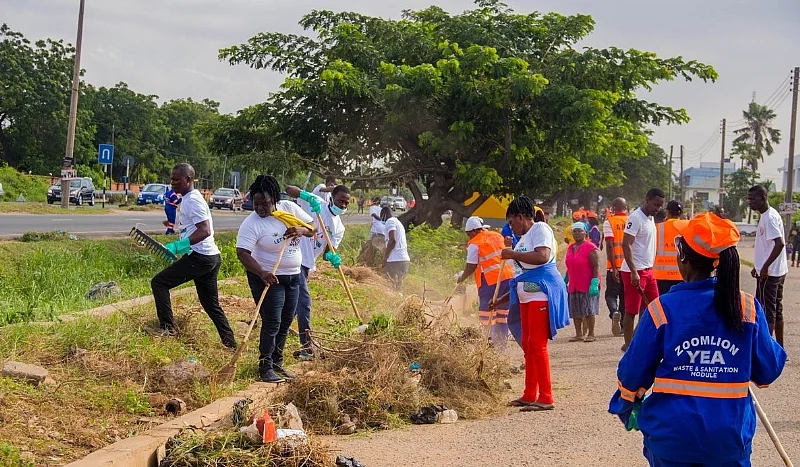
Across cities, towns and villages, residents are expected to sweep streets, clear choked drains, remove refuse from public spaces, desilt gutters and dispose of waste responsibly.
Markets, schools, transport terminals, beaches, parks and residential areas are also expected to benefit from the exercise as communities come together to restore cleanliness.
The campaign places emphasis on the idea that recovery from natural disasters is not solely the responsibility of government institutions but requires active participation from citizens, community groups, businesses, traditional authorities and local organisations.
More than sanitation
The chosen theme—”Our Actions, Our Future”—reflects a broader message about environmental stewardship.
Experts have long warned that poor sanitation, indiscriminate waste disposal and blocked drainage systems significantly worsen flooding during heavy rains.
By encouraging Ghanaians to clean their communities, authorities hope not only to deal with the aftermath of recent floods but also to reduce the risk of similar disasters in the future.
The campaign therefore serves both as an emergency response and a preventive measure, reminding citizens that everyday actions can have lasting consequences for public safety and environmental sustainability.
Building stronger communities
National clean-up exercises have historically brought together people from diverse backgrounds with a shared purpose.
Residents often work alongside assembly members, security agencies, youth groups, religious organisations and civil society organisations, strengthening community bonds while improving local environments.
Such exercises also provide opportunities to educate the public on proper waste management, environmental protection and the importance of maintaining drainage systems throughout the year rather than only during emergencies.
Environmental advocates have consistently stressed that regular community sanitation is essential for preventing outbreaks of diseases such as cholera, malaria and other infections that frequently emerge after flooding.
A call to every Ghanaian
The Presidency’s announcement extends an invitation to all citizens to participate actively during the two-day exercise.
Whether by sweeping compounds, clearing drains, removing refuse from neighbourhoods or supporting organised community clean-up efforts, every contribution is expected to make a difference.
The campaign underscores the belief that national development begins with individual responsibility and that rebuilding after disasters requires unity and shared commitment.
As Ghana prepares for the exercise, the message from the Presidency is clear: restoring communities after the floods is a collective duty. Through coordinated action and sustained commitment to environmental cleanliness, the country can emerge stronger, healthier and better prepared for future challenges.
The two-day National General Cleaning Exercise therefore represents not only an effort to clear debris but also an opportunity to foster a renewed culture of sanitation, civic responsibility and national solidarity—one clean community at a time.
CREDIT: MAVIS FANTEVI