Ghana and the United Kingdom have renewed discussions on deepening cooperation in the energy sector, with a focus on reforms, renewable energy development, infrastructure expansion, and investment opportunities.
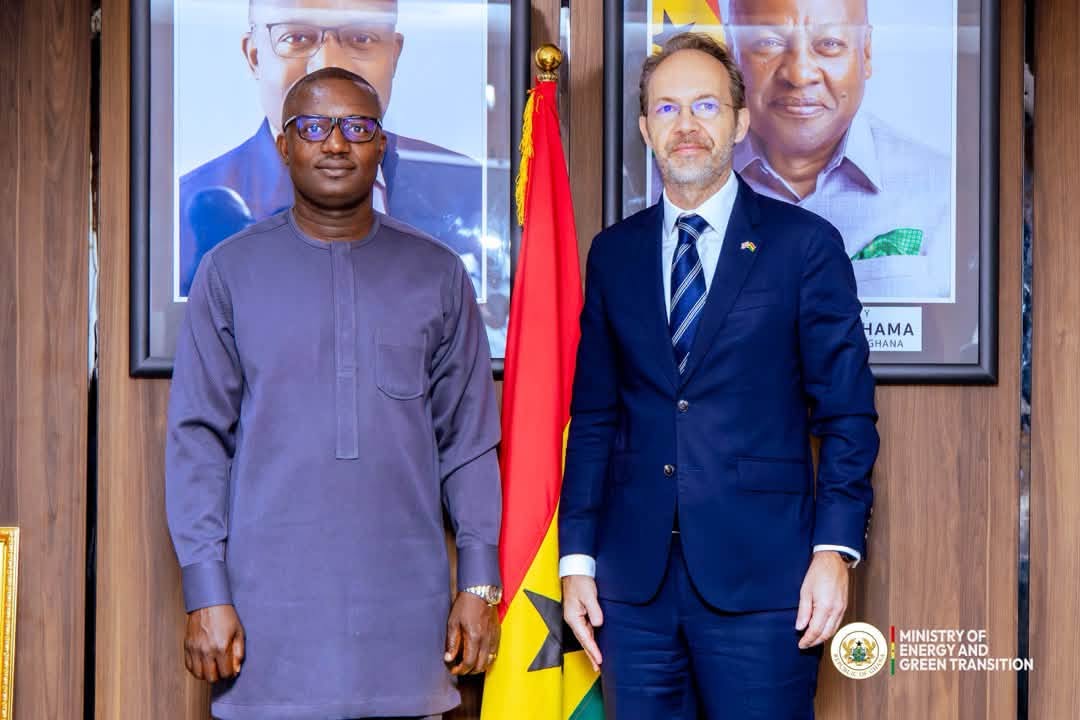
The Minister for Energy and Green Transition, Hon John Abdulai Jinapor, has disclosed that discussions were held with a delegation from the British High Commission in Accra, led by the British High Commissioner to Ghana, H.E. Christian Rogg, during a meeting aimed at exploring areas of collaboration to advance Ghana’s energy agenda.
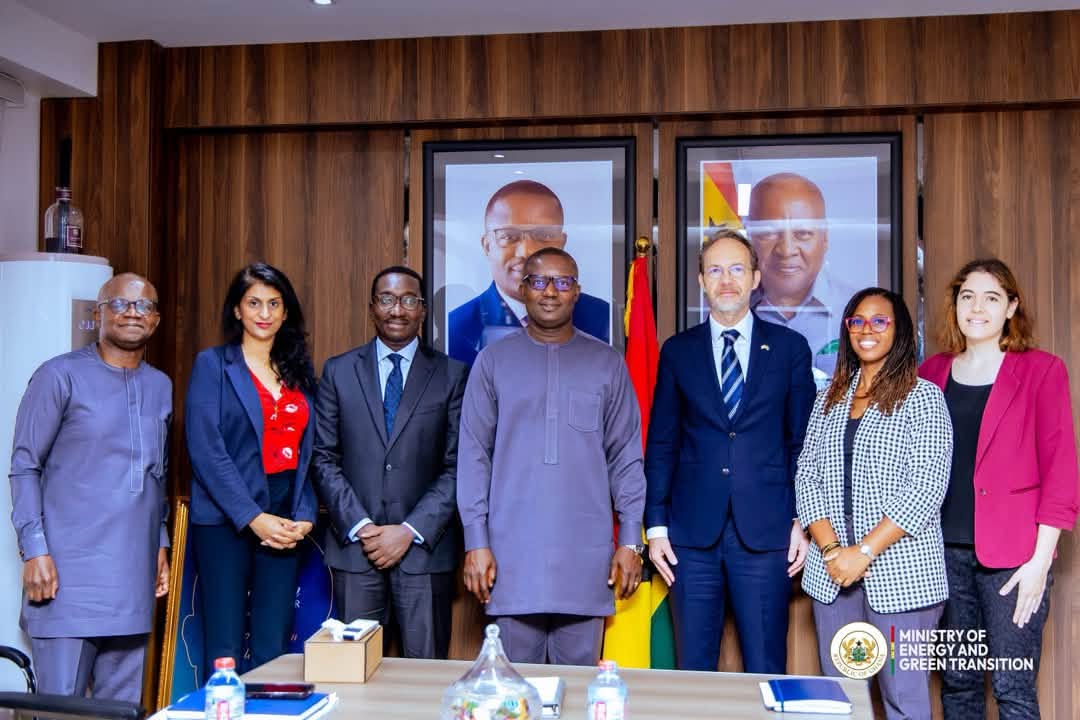
According to the Minister, the engagement provided an opportunity to brief the UK delegation on key reforms undertaken since the government assumed office, particularly measures aimed at improving the efficiency and sustainability of the country’s energy sector.
Among the issues discussed were reforms in the electricity distribution sector, ongoing expansion of the national power grid, and efforts to address challenges affecting the sector.
The meeting also focused on progress made in reversing the decline in oil production, as well as Ghana’s broader plans to strengthen energy security and attract investment into critical infrastructure projects.
The Minister said Ghana also highlighted priority projects requiring financing and technical support, while exploring opportunities for increased cooperation between Ghana and the United Kingdom.
A major area of focus was Ghana’s renewable energy drive, which forms part of efforts to diversify the country’s energy mix and transition towards cleaner sources of power.
The Minister outlined several initiatives being pursued, including the establishment of the Renewable Energy and Green Transition Fund, which is expected to support investments in renewable energy projects and accelerate Ghana’s transition to a greener economy.
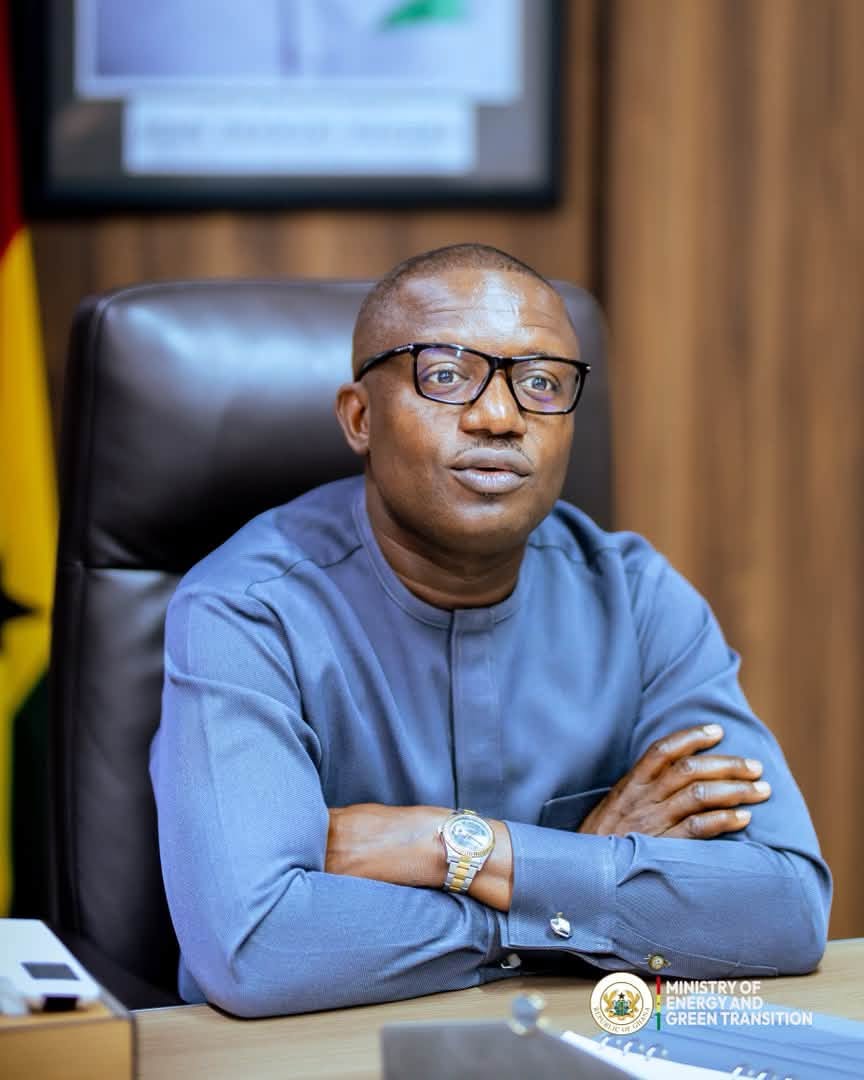
Other initiatives highlighted include solar deployment at critical public installations, the installation of solar-powered irrigation pumps to support agriculture, expansion of solar streetlight projects, solar solutions for households, and policies aimed at promoting electric vehicle (EV) charging infrastructure across the country.
The Minister emphasized that the renewable energy expansion programme is part of government’s broader strategy to improve access to reliable energy, reduce dependence on traditional sources, and create opportunities for sustainable development.
For his part, the British High Commissioner to Ghana, H.E. Christian Rogg, reaffirmed the United Kingdom’s commitment to supporting Ghana’s energy sector and strengthening bilateral cooperation between the two countries.
He expressed the readiness of the British Government and UK companies to partner with Ghana in delivering key energy initiatives, particularly projects that promote sustainability, innovation, and economic growth.
The engagement forms part of ongoing efforts by Ghana to attract international partnerships and investments to support the transformation of the energy sector and achieve long-term energy security.
CREDIT: MAVIS FANTEVI