


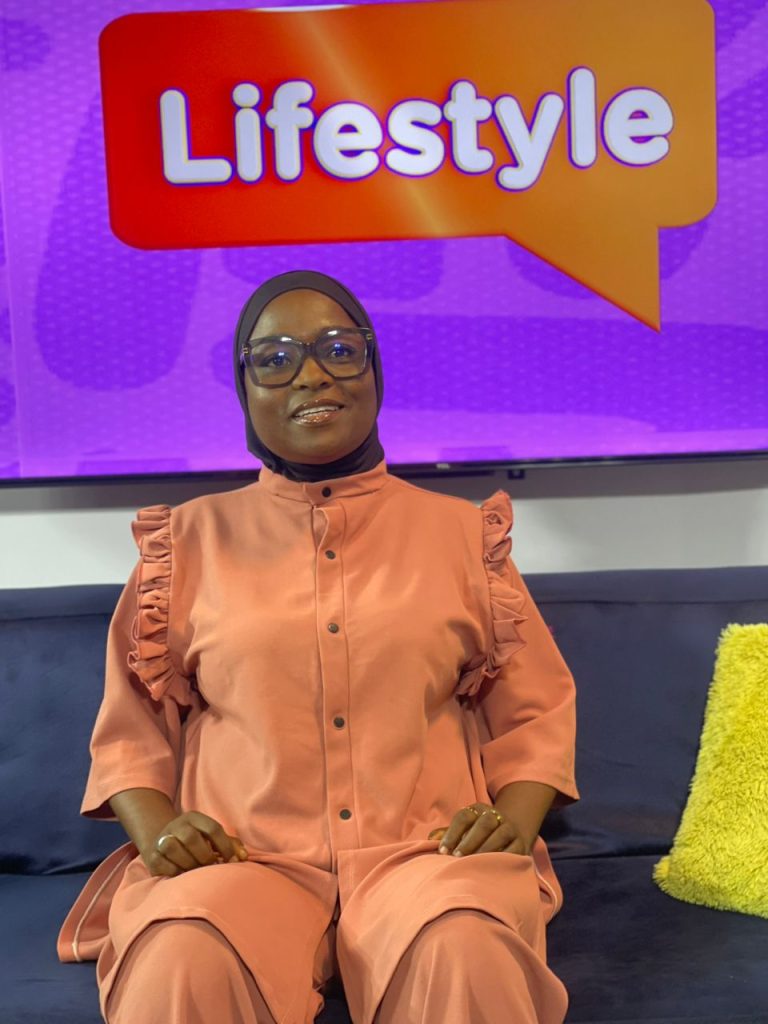
Special Needs Expert and Chief Executive Officer of the Salsia Cares Foundation, Asiya Ocloo, has called for greater public understanding of autism, stressing that the condition has no connection to spiritual beliefs but is rooted in genetics.
Speaking in an interview on Atinka TV’s Ghana Nie Morning Show, Ms Ocloo urged Ghanaians to move away from misconceptions that often stigmatise children living with autism and their families.
According to her, autism is a neurodevelopmental condition influenced by genetic factors and should be approached from a medical and educational perspective rather than through superstition or spiritual interpretations.
“Autism has nothing to do with spiritual beliefs; it’s about genetics,” she stated.
Ms Ocloo explained that children on the autism spectrum often perceive and interact with the world differently, making it important for parents, caregivers, teachers, and society to understand their unique needs.
“Autistic children are in their own world, and we have to understand them as such to be able to help them,” she said.
She emphasised that early intervention, patience, and specialised support are essential in helping children with autism develop their communication, social, and life skills.
The special needs advocate also encouraged families to seek professional assessment and support as soon as developmental concerns are identified, noting that timely intervention can significantly improve outcomes for children on the autism spectrum.
Ms Ocloo further called for increased public education and inclusive policies that promote acceptance and equal opportunities for persons with autism, urging society to replace stigma with understanding and compassion.
She noted that creating supportive environments in homes, schools, and communities would enable autistic children to reach their full potential and participate meaningfully in society.