


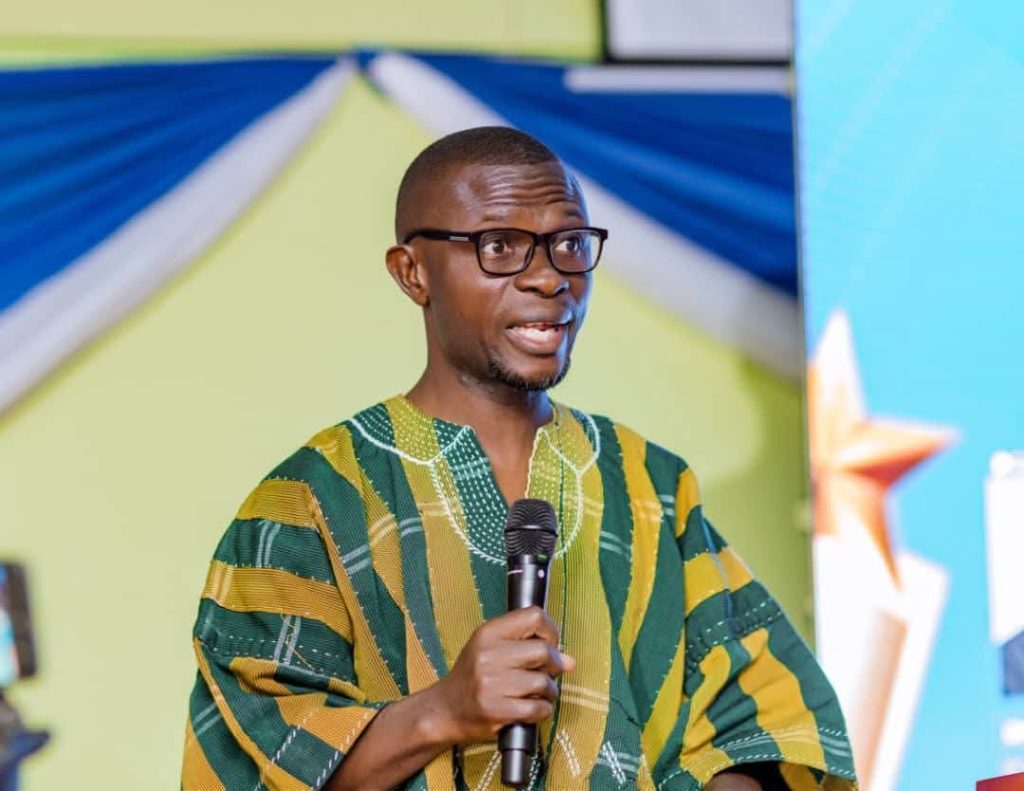
Source: Dominic Hlordzi-General Secretary, Ghana Journalists Association
Ghana has climbed to 39th position out of 180 countries in the 2026 World Press Freedom Index released by Reporters Without Borders, achieving a score of 72.20—its strongest performance in five years.
The improvement marks a significant rise from 52nd place in 2025 and reinforces Ghana’s reputation as one of Africa’s more resilient media democracies. However, analysts caution that the progress reflects gradual recovery rather than a complete transformation.
Over the past five years, Ghana’s ranking has fluctuated—moving from 60th in 2022 to 62nd in 2023, then improving to 50th in 2024 before slipping again to 52nd in 2025. The jump to 39th in 2026 signals renewed confidence in the country’s media environment after a period of instability.
Within Africa, Ghana now ranks among stronger performers alongside countries such as South Africa, Seychelles, and Namibia, all of which are noted for relatively robust protections for media independence.
The gains have largely been attributed to improvements in the legal and political environment. Ghana’s constitutional guarantees for press freedom and the implementation of the Right to Information Act have strengthened access to public information. Nonetheless, bureaucratic delays and administrative bottlenecks continue to limit full transparency.
Despite reduced direct political interference, concerns remain about the influence of politically connected media ownership, which can subtly shape editorial independence.
Economic challenges also persist. Many media organisations continue to struggle with financial sustainability, uneven advertising revenue, and reliance on state advertising—factors that affect independence and long-term viability.
Socially, Ghana maintains a vibrant and diverse media landscape, with a wide range of radio, television, and digital platforms. However, increasing political polarisation is gradually eroding public trust, as sections of the media are perceived to be aligned with political interests.
Journalist safety remains another key concern. While indicators show improvement, incidents of harassment and attacks—particularly against reporters covering sensitive issues such as illegal mining and corruption—continue to be reported, with weak enforcement against perpetrators.
Media advocacy groups, including the Ghana Journalists Association, the Media Foundation for West Africa, and the National Media Commission, have played a vital role in promoting press freedom and pushing for reforms.
Experts say sustaining Ghana’s upward trajectory will require deeper structural changes, including stronger protections for journalists, improved prosecution of attacks, greater transparency in state advertising, and reforms to ensure the independence of regulatory bodies.
While the 2026 ranking represents a notable achievement, it also highlights the ongoing need to address underlying challenges in order to fully consolidate media freedom in Ghana.