


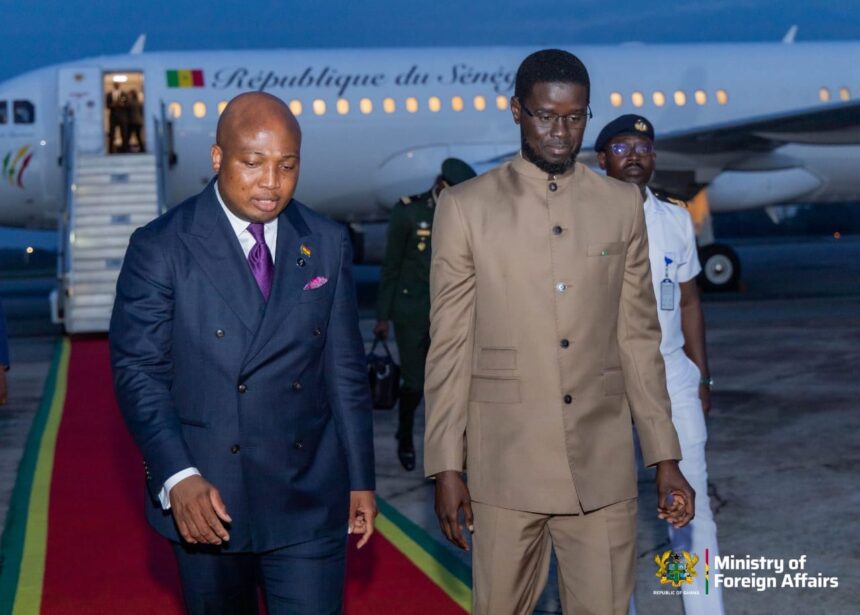
Ghana is set to take centre stage in the global conversation on reparatory justice as heads of state, senior government officials and delegates from more than 80 countries arrive in Accra for the highly anticipated Next Steps Conference on Reparatory Justice.
According to Foreign Affairs Minister Samuel Okudzeto Ablakwa, the high-level gathering has attracted an impressive list of dignitaries, including the Presidents of Senegal, Namibia, Liberia and São Tomé and Príncipe.

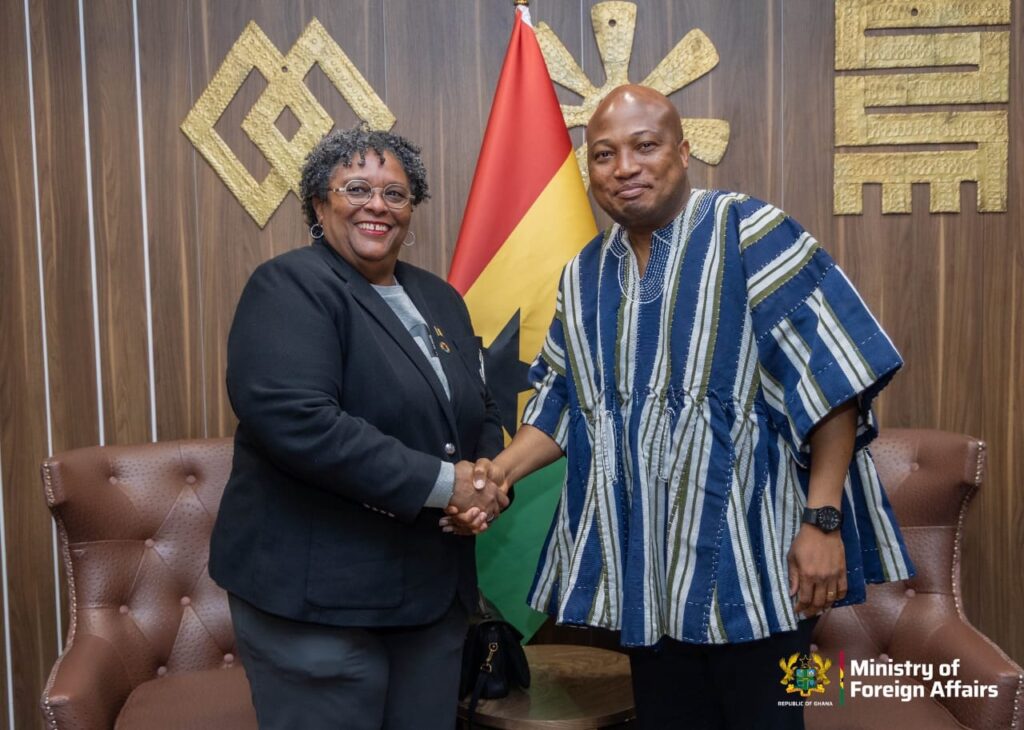
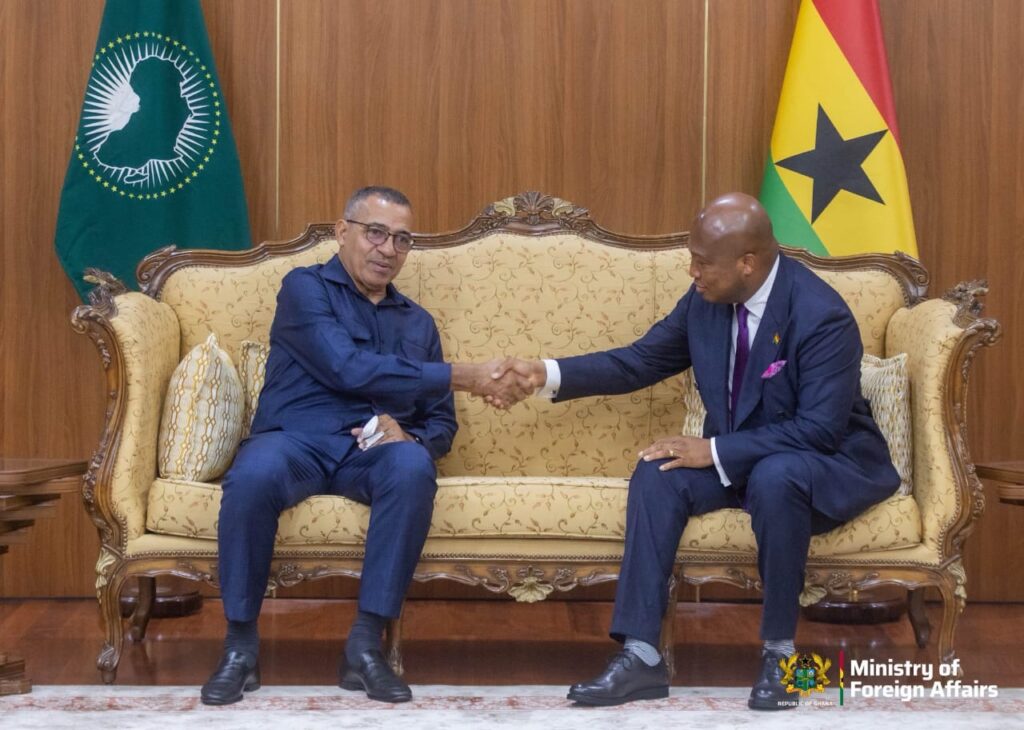
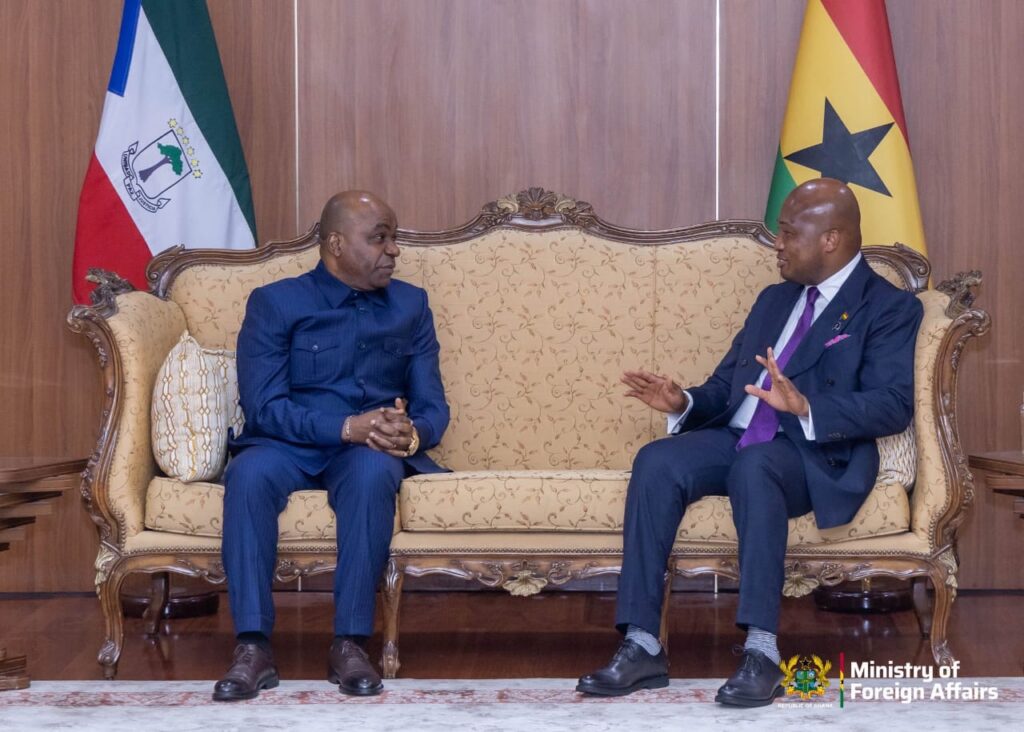
Also expected are the Prime Minister of Barbados, the Vice Prime Minister of Equatorial Guinea, the Speaker of the Algerian Parliament, and ministers and representatives from scores of nations around the world.
The conference, convened by President John Dramani Mahama, is expected to deepen international discussions on reparatory justice and chart a path forward in addressing the enduring consequences of the transatlantic slave trade and colonial exploitation.
The event comes just three months after the historic adoption of United Nations Resolution A/RES/80/250, which declared transatlantic enslavement as the gravest crime against humanity.
The resolution has reignited global calls for accountability, recognition and meaningful reparatory measures for communities and nations affected by centuries of slavery and its lasting impact.
Observers say Ghana’s decision to host the conference underscores the country’s growing role as a leading voice in advocacy for historical justice and Pan-African solidarity.
Over the years, Ghana has championed initiatives aimed at reconnecting the African diaspora with the continent while promoting conversations on restitution, reconciliation and development.

With world leaders, policymakers, academics and civil society actors expected to participate, the conference is anticipated to produce concrete recommendations on advancing the reparatory justice agenda at regional and international levels.
The gathering is also expected to strengthen cooperation between African nations and diaspora communities as efforts continue to seek recognition, redress and healing for historical injustices whose effects continue to shape societies across the globe.
As delegates arrive in Accra, attention will be focused on the outcomes of the conference and the extent to which it can translate growing international support for reparatory justice into actionable policies and commitments.
SOURCE: MAVIS FANTEVI