


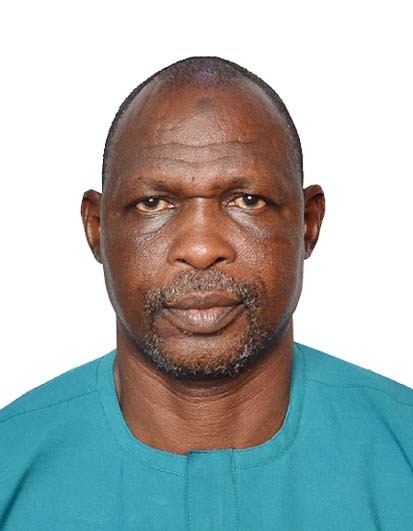
Hon. Ismaila Ali Horoya, aspiring National Zongo Caucus Coordinator and Coordinator of the NDC Greater Accra Zongo Caucus, has strongly condemned recent comments by the National Youth Organiser of the New Patriotic Party (NPP), Salam Mustapha, describing them as reckless and dangerous.
In a statement issued on Monday, Horoya took issue with remarks allegedly suggesting that the country could be made “extremely ungovernable,” insisting that such comments undermine Ghana’s democratic stability and unfairly drag the Zongo community into partisan tensions.
“As a fellow Zongo man, I find these remarks unacceptable and deeply offensive,” he stated. “Politicians who invoke the Zongo identity to advance threats or intimidate are misrepresenting our community and undermining Ghana’s democratic values.”
Horoya called on Salam Mustapha to retract the statement immediately and publicly dissociate the Zongo community from what he described as “dangerous rhetoric.”
According to him, Zongo communities across the country have consistently championed peace, unity, and democratic participation, and should not be associated with threats of instability or political intimidation.
“The Zongo people have always upheld peace, unity, and democratic engagement. No political actor has the right to weaponize our community or involve us in threats against governance,” he stressed.
The NDC Greater Accra Zongo Caucus leader also appealed to the government and security agencies to investigate the matter thoroughly and ensure accountability for any comments capable of inciting unrest.
He reaffirmed his commitment to promoting responsible political discourse and protecting the integrity and reputation of the Zongo community.
“I remain steadfast in my commitment to protecting the integrity of the Zongo community, promoting responsible political participation, and ensuring that our voices continue to contribute positively to Ghana’s democracy,” the statement added.
The comments come amid heightened political tensions ahead of Ghana’s upcoming electoral activities, with stakeholders continuing to call for restraint and issue-based political engagement.