


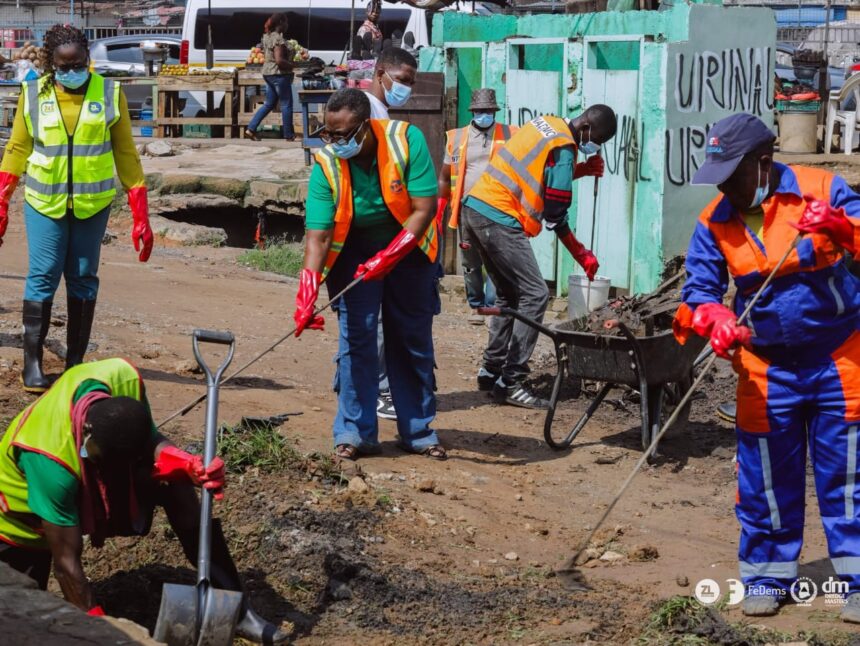
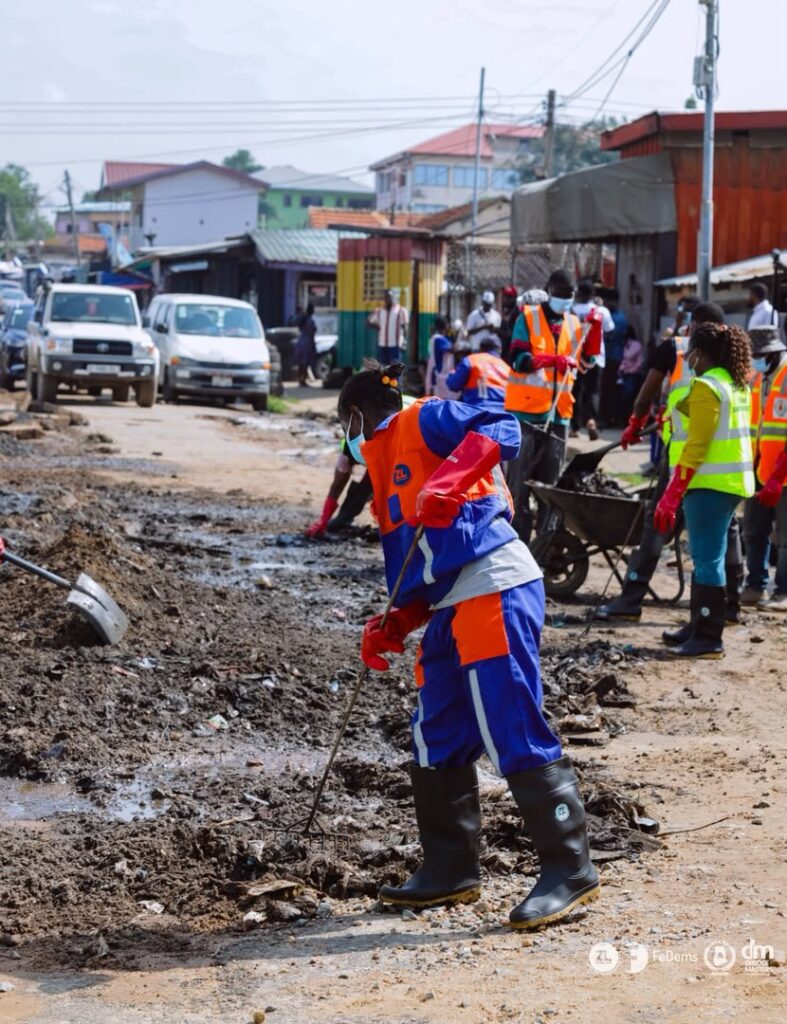
Zoomlion Ghana Limited, in collaboration with the National Disaster Management Organisation (NADMO), FeDEMS Group Ltd, Dredge Masters Ghana Limited, the Ghana Police Service, the Ghana National Fire Service (GNFS), and several Metropolitan, Municipal and District Assemblies (MMDAs), has today begun a three-day clean-up and desilting exercise in selected flood-prone communities across the Greater Accra Region.
The exercise, which runs from June 10 to 12 and starts daily at 7:00 a.m., is targeting major drainage channels and waterways in Roman Ridge, Mallam, Paloma, Circle, Kaneshie and GBC. Teams are undertaking extensive cleaning and desilting works to improve the free flow of rainwater and help reduce the risk of flooding.

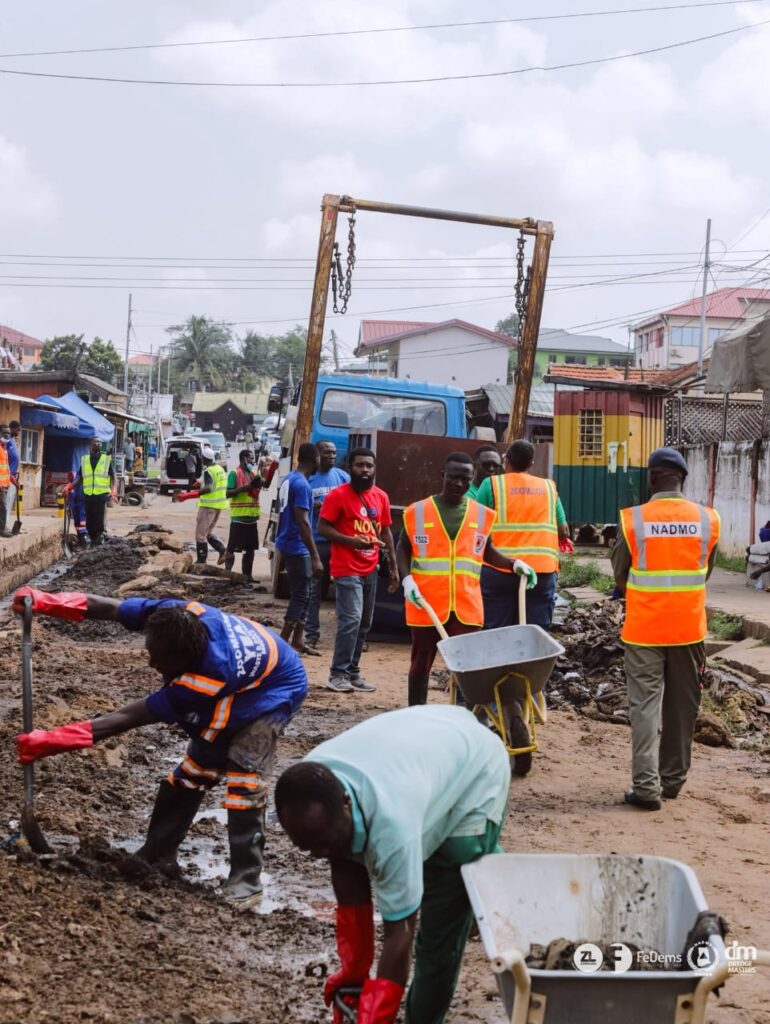
The initiative comes in response to recent heavy downpours that have triggered flooding in parts of the capital, raising concerns about poor waste disposal practices and clogged drainage systems.
Speaking on the sidelines of the exercise, the Greater Accra Regional Director of NADMO, Dennis Nartey, said the collaboration among the participating institutions demonstrates a collective commitment to addressing one of the major causes of flooding in the metropolis.
According to him, every heavy rainfall leaves behind significant amounts of waste and debris, much of which eventually finds its way into drains and waterways.
He noted that the situation is further worsened by residents who deliberately dump refuse into drains, making it difficult for water to flow freely during storms.

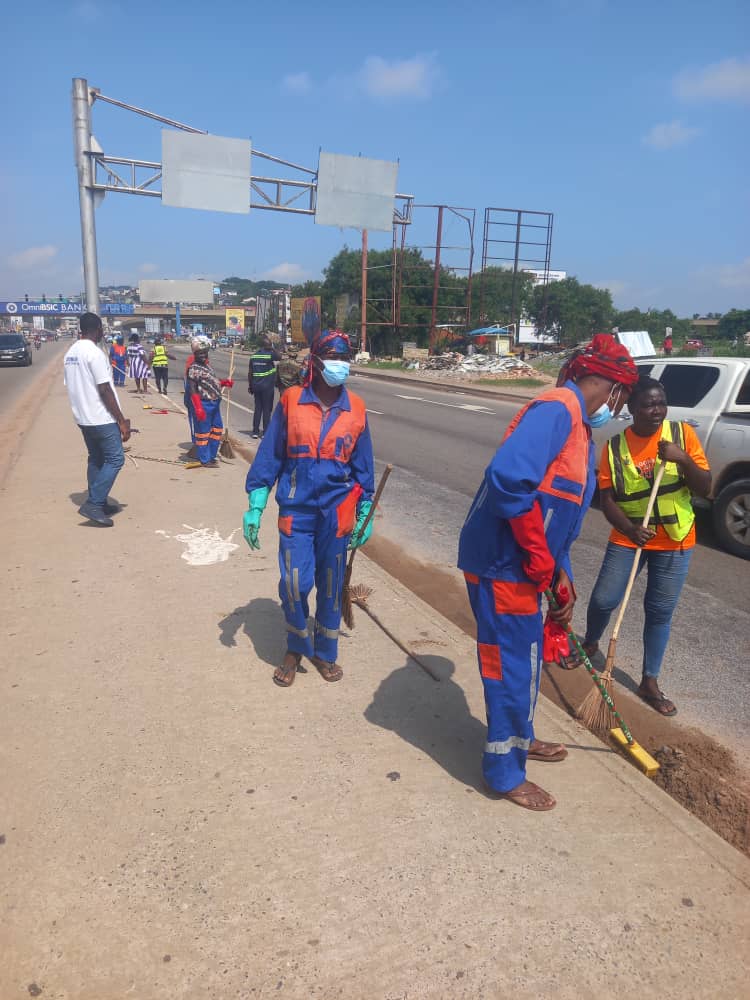
Mr. Nartey stressed that many flooding challenges are man-made and therefore require a change in public attitude. He urged residents to dispose of waste responsibly and make use of designated waste collection systems rather than relying on rainwater to carry away refuse.
He also used the occasion to promote the ongoing “No Do No Do” campaign, which seeks to discourage indiscriminate littering and encourage environmental responsibility among citizens.
“Protecting lives and property from floods requires the active participation of every member of society,” he said.
The Head of Government and Corporate Affairs at Zoomlion Ghana Limited, Emma Adwoa Appiah Osei-Duah, said the company is pleased to partner with NADMO, FeDEMS and the other agencies in undertaking the exercise, particularly at a time when the country is experiencing frequent heavy rains.
She explained that waste carried by floodwaters often accumulates in drains and waterways, creating blockages that increase the likelihood of flooding.
According to her, the clean-up exercise forms part of broader efforts to address these challenges through sustained sanitation interventions and stakeholder collaboration.
Madam Appiah Osei-Duah noted that the three-day programme is designed to support flood prevention efforts by clearing waste and silt from critical drainage channels in affected communities.
“The partnership reflects a shared commitment to protecting communities and improving environmental conditions across the capital,” she added.

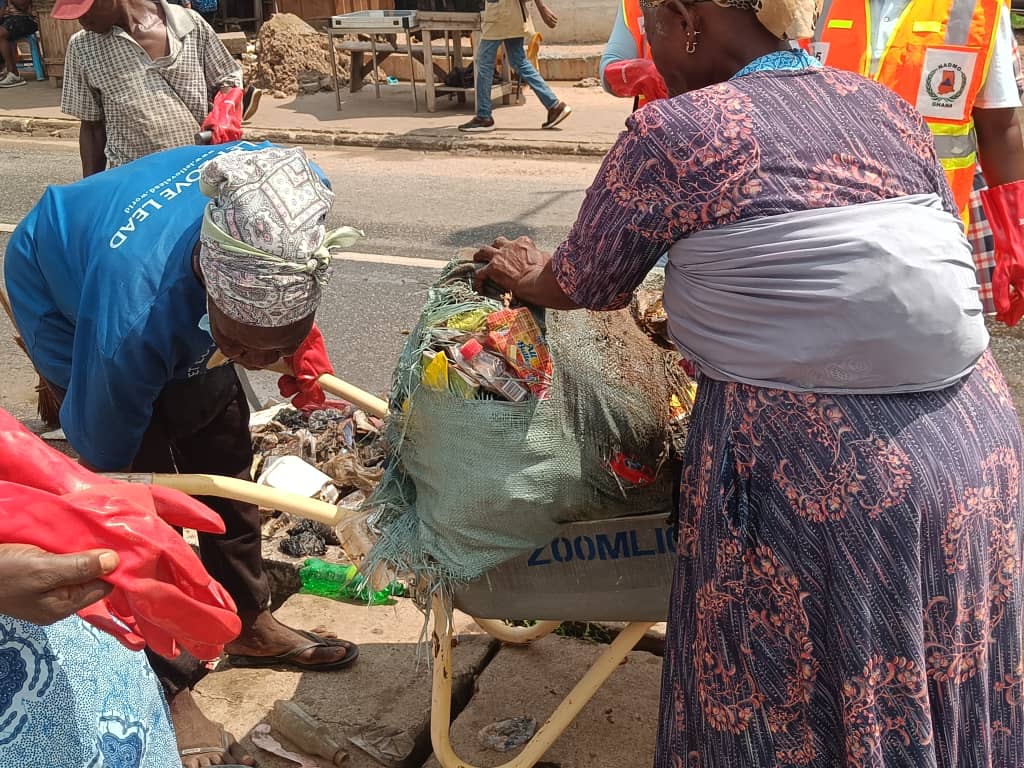
Also speaking at the exercise, the Chief Corporate Communications Officer of Zoomlion Ghana Limited, Sophia Kudjordji, said the initiative is specifically aimed at reducing flood incidents during the rainy season by ensuring that drains and gutters remain free from obstruction.
“We are gathered here today to undertake this clean-up exercise as part of efforts to curb flooding during periods of heavy rainfall. Most floods occur because gutters and drains are clogged with waste. Therefore, we are dredging and cleaning these gutters to ensure the free flow of water,” she stated.
Madam Kudjordji noted that while rainfall itself cannot be prevented, the destruction often associated with floods can be minimised through proper sanitation practices and regular maintenance of drainage infrastructure.

She called on residents to support the efforts of sanitation authorities by refraining from dumping refuse into drains and waterways, stressing that maintaining a clean environment is a shared responsibility.
She expressed confidence that sustained public education and community participation would go a long way toward reducing flooding and safeguarding lives and property across the metropolis.
Source: Mavis Fantevi