The security situation in the Strait of Hormuz has reached a dangerous new phase after the U.S.-led Joint Maritime Information Centre (JMIC) raised the threat level for all vessels transiting the strategic waterway to “severe.”
The warning follows a series of attacks attributed to Iran on commercial oil tankers using a U.S. Navy-protected shipping corridor, prompting a significant shift in maritime traffic through one of the world’s most important energy routes.
U.S. Launches Major Military Offensive
In response to the escalating attacks, the United States has carried out one of its largest military operations against Iranian targets in recent years.
According to U.S. Central Command (CENTCOM), American forces struck more than 80 Iranian targets, including air defence systems, command-and-control centres, coastal radar installations, and military infrastructure. The operation also destroyed more than 60 small boats belonging to Iran’s Islamic Revolutionary Guard Corps (IRGC).
U.S. officials said the strikes were intended to reduce Iran’s ability to threaten international shipping.
“The strikes were designed to impose heavy costs for targeting commercial shipping crewed by innocent civilians in an international waterway,” CENTCOM said, adding that Iran’s actions represented “a clear violation of the ceasefire.”
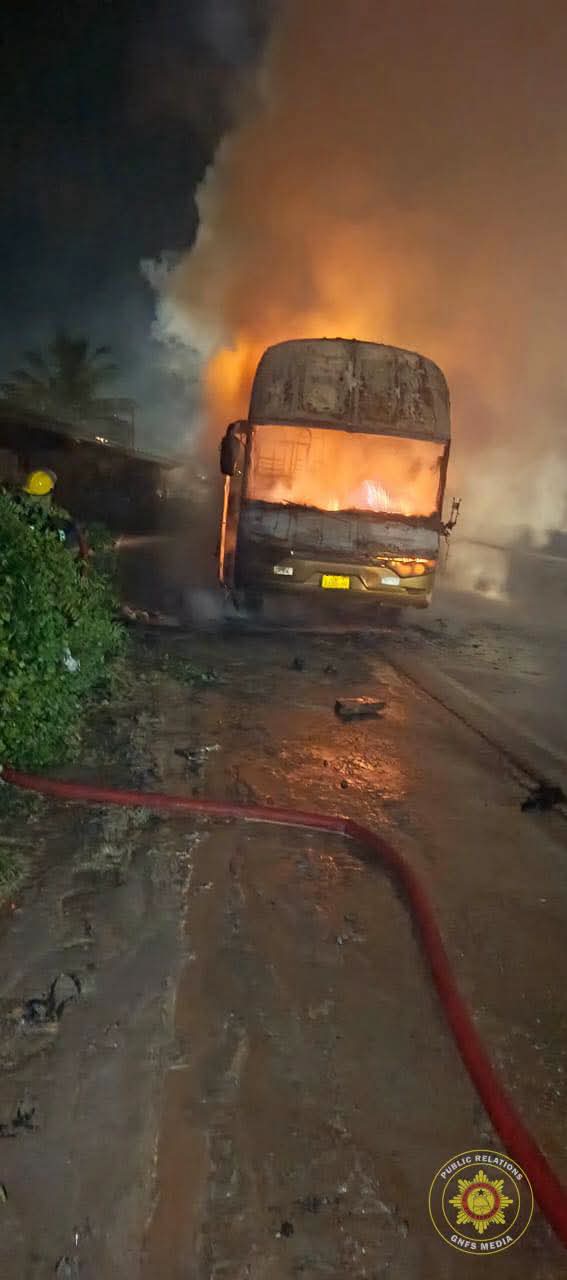
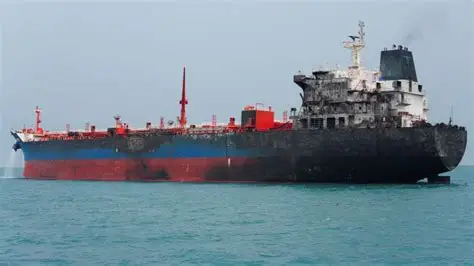
The military action came after three commercial vessels were reportedly attacked in the Strait of Hormuz within 24 hours earlier this week.
Oil Prices Jump as Markets React
The renewed conflict immediately rattled global energy markets, raising concerns for oil-importing countries such as Ghana.
West Texas Intermediate (WTI) crude for August delivery rose 2.87% to $72.46 per barrel, while Brent crude for September delivery climbed 2.75% to $76.18 per barrel.
Analysts warn that sustained tensions in the Gulf could keep oil prices elevated, increasing inflationary pressure worldwide.
For Ghana, which imports a significant portion of its petroleum products, prolonged price increases could translate into higher fuel costs, increased transport fares, and renewed pressure on inflation.
Strait of Hormuz Becomes a Flashpoint
The Joint Maritime Information Centre warned that “deliberate hostile action” by Iran is now likely under current conditions, advising vessels operating in the region to exercise extreme caution.
Shipping through the Strait has effectively split into two separate corridors.
Gulf states continue to use a southern route protected by the U.S. Navy along Oman’s coastline, while Iran has insisted vessels use a northern route under its influence, warning that ships ignoring its directives could become targets.
Michelle Wiese Bockmann, Senior Maritime Intelligence Analyst at Windward, said Iran’s actions appear aimed at undermining confidence in the U.S.-protected shipping lane.
“This is part of a sporadic targeted campaign by Iran to destabilise the southern corridor and send a message to Gulf State producers that are not sending their oil via the northern corridor,” she said.
“There is obviously a battle for control because the only real leverage Iran has is control of Hormuz.”
Ceasefire Under Threat
The latest fighting threatens to unravel a memorandum of understanding reached between Washington and Tehran in June that temporarily halted hostilities and helped restore commercial shipping through the Strait.
In another sign of escalating pressure, the U.S. Treasury has revoked a sanctions waiver covering Iranian oil products.
Security analyst Alex Plitsas described the move as Washington “upping the ante” by combining renewed economic pressure with military action.
Iran Promises Retaliation
Iranian leaders have strongly condemned the U.S. operation.
Parliament Speaker Mohammad Bagher Ghalibaf accused Washington of committing “major violations” of the June agreement.
“The era of bullying and extortion is over. It leads nowhere. We don’t fold,” Ghalibaf said.
Iran’s military also vowed what it described as a “crushing response” to the American strikes.
Conflict Spreads Across the Gulf
The regional security situation has deteriorated rapidly.
The Islamic Revolutionary Guard Corps claimed it launched missiles and drones targeting 85 U.S. military facilities across Bahrain and Kuwait following the American strikes.
Authorities in Bahrain issued emergency alerts urging residents to seek shelter, while Kuwaiti officials said air defence systems were intercepting incoming missiles and drones.
Iranian state media also reported explosions near Kharg Island, one of the country’s most important oil export terminals.
Global Concerns Mount
Security analysts warn that any prolonged disruption—or a complete closure—of the Strait of Hormuz could have severe consequences for the global economy.
Roughly one-fifth of the world’s oil supply passes through the narrow waterway, making it one of the most strategically important shipping routes on the planet.
A sustained conflict could trigger higher fuel prices, increased shipping costs, renewed inflation, and greater instability across international energy markets.
Diplomatic Efforts Continue
Amid the escalating crisis, U.S. President Donald Trump is meeting NATO leaders in Ankara to discuss regional security and the future of the alliance.
Diplomatic sources say several regional partners are quietly urging both Washington and Tehran to exercise restraint in an effort to preserve what remains of the June ceasefire.
With military operations intensifying and tensions rising across the Gulf, international markets and governments remain on high alert as fears grow that the conflict could expand even further.
source: BBC