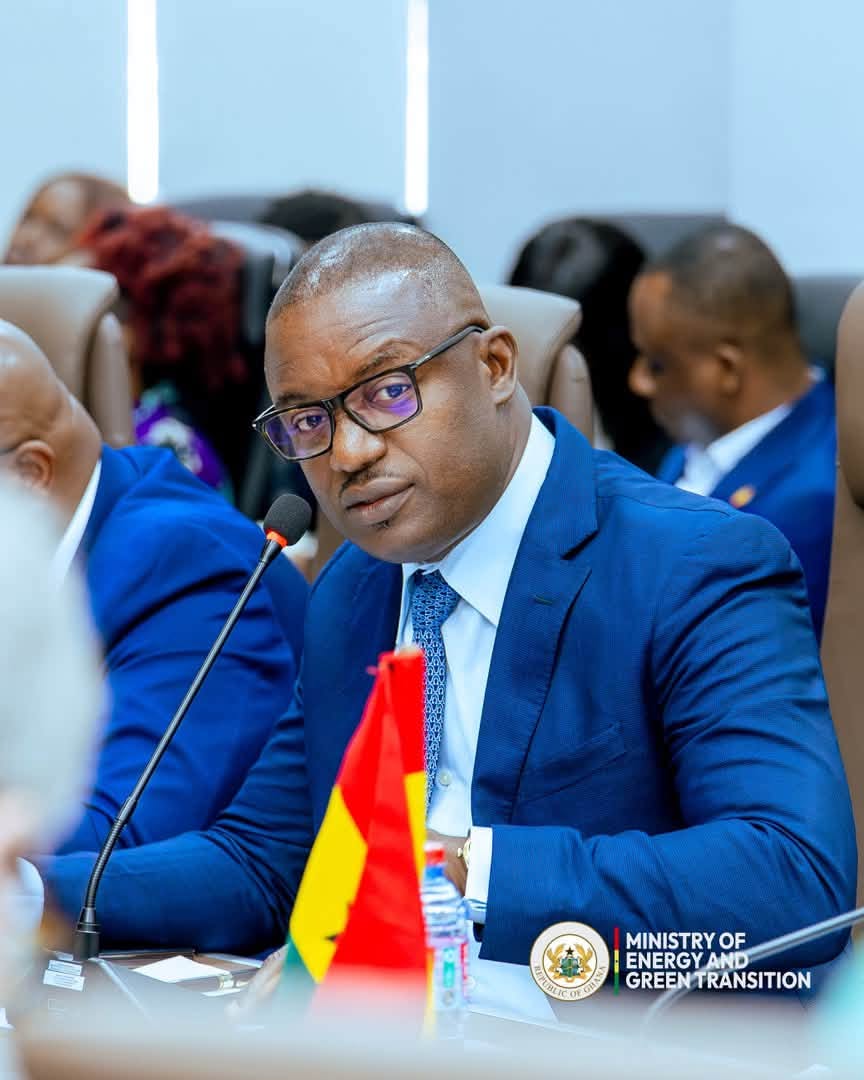
Energy and Green Transition Minister John Abdulai Jinapor has highlighted key reforms and investments in Ghana’s power sector as the country engages the World Bank Group on the development of its Country Partnership Framework (CPF) for 2027–2032.
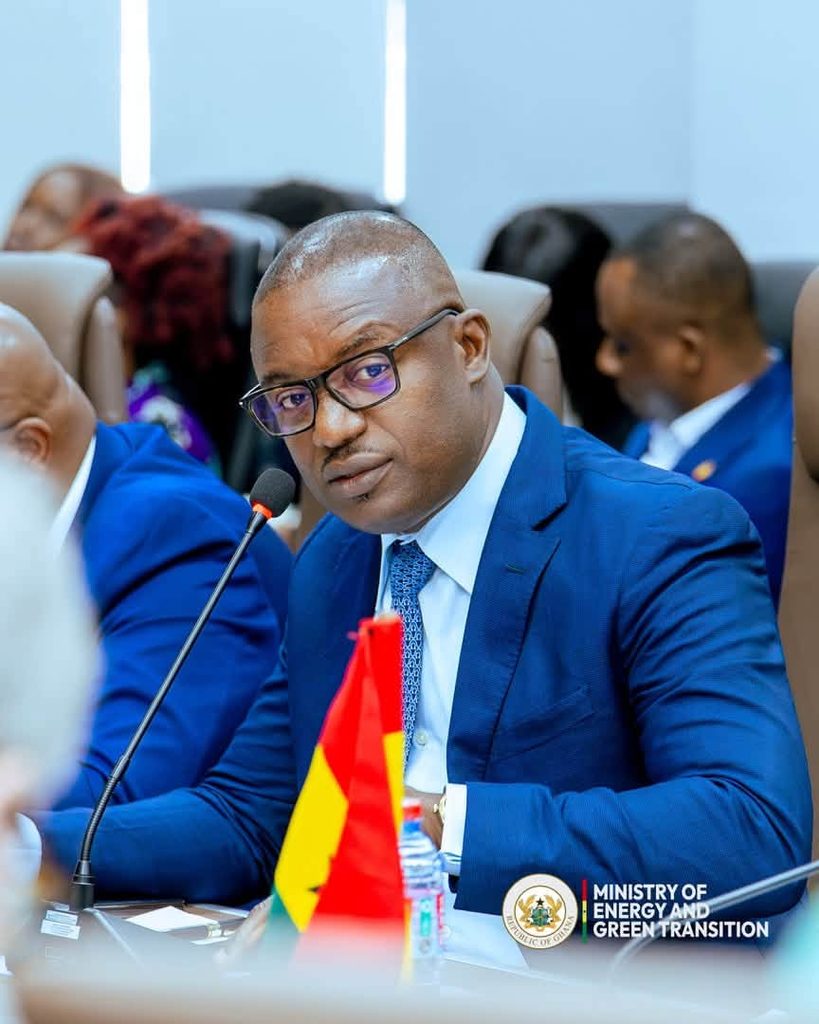
Mr Jinapor joined the Ministers for Finance, Trade and Industry, and Roads and Highways at the National Consultation on Ghana’s next CPF, describing the process as an important opportunity to align Ghana’s development priorities with the support of the World Bank Group.
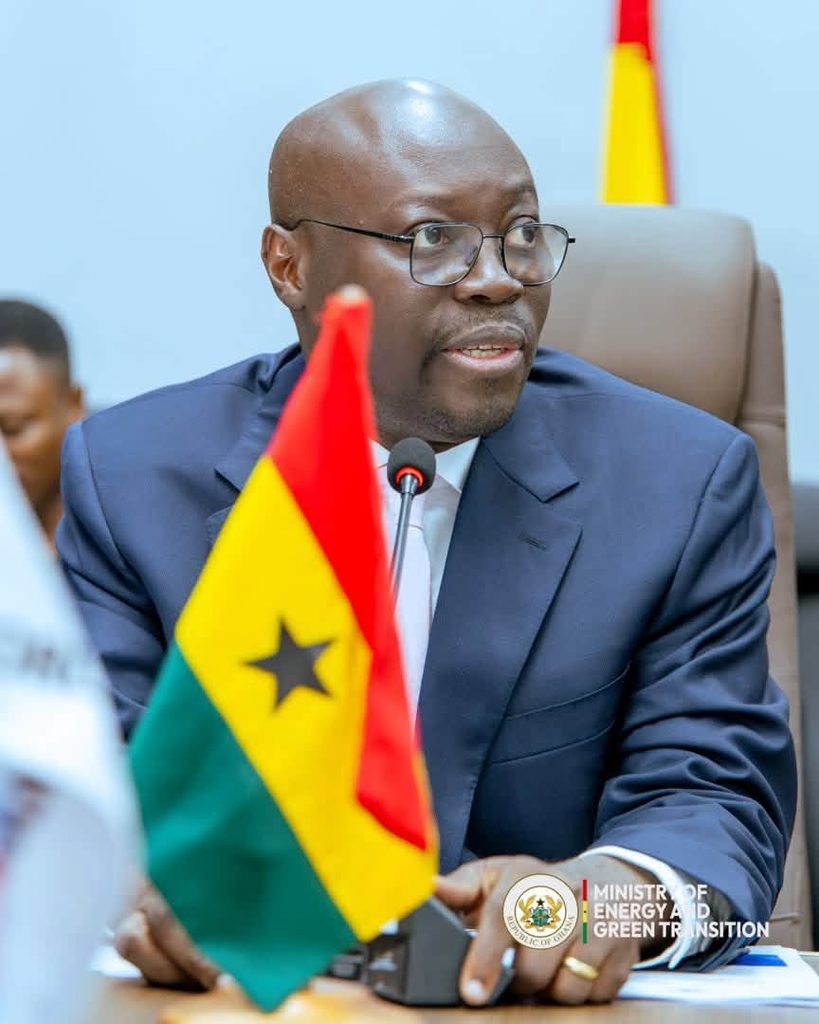
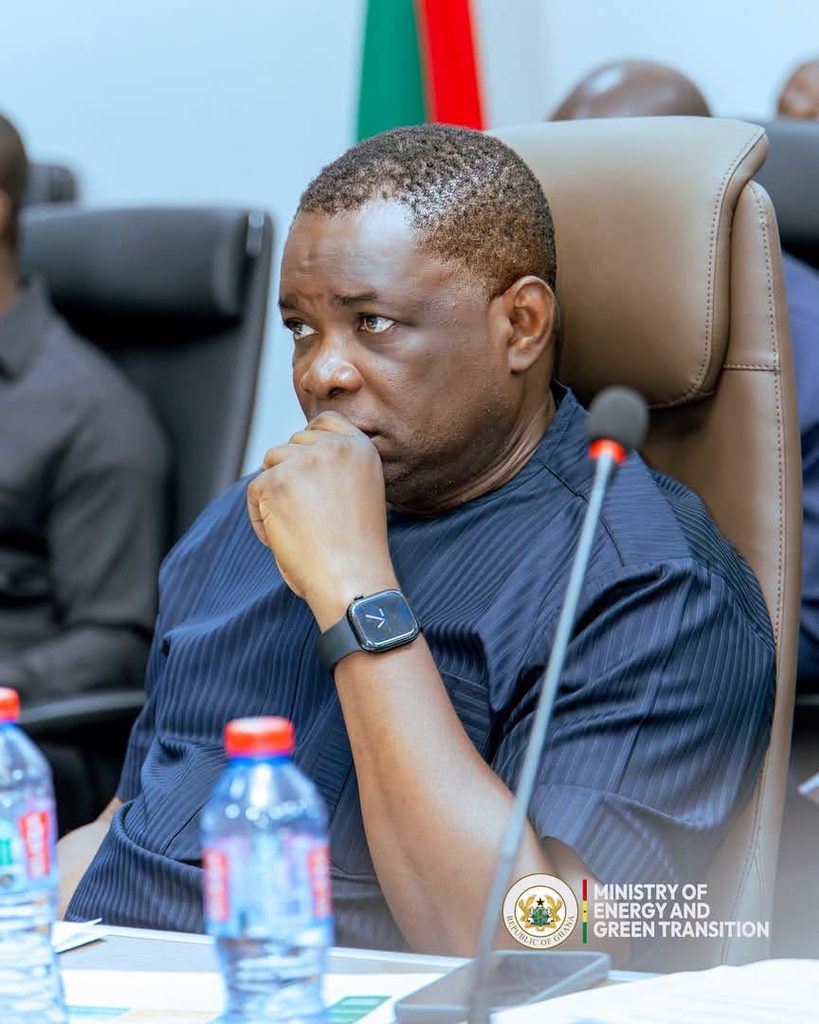
According to the Minister, the proposed 2027–2032 framework presents an opportunity to mobilise the resources and technical support required to accelerate Ghana’s economic transformation and create new opportunities for citizens.
He said the consultation also provided an opportunity for stakeholders to assess the country’s progress, reflect on ongoing challenges and articulate the kind of economy Ghana seeks to build in the coming years.
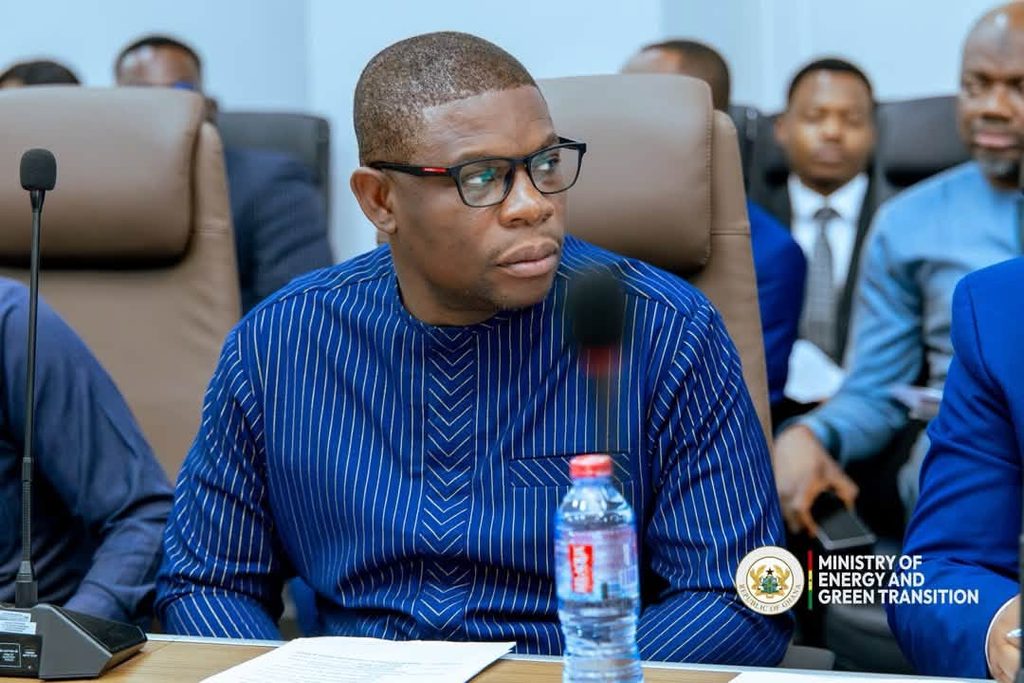
Mr Jinapor said it was particularly encouraging that the World Bank Group had recognised the progress Ghana has made in restoring economic stability and advancing economic transformation under the leadership of President John Dramani Mahama.
Turning to the energy sector, the Minister outlined a number of reforms undertaken since the government assumed office, including what he described as the prudent management of the cash waterfall mechanism.
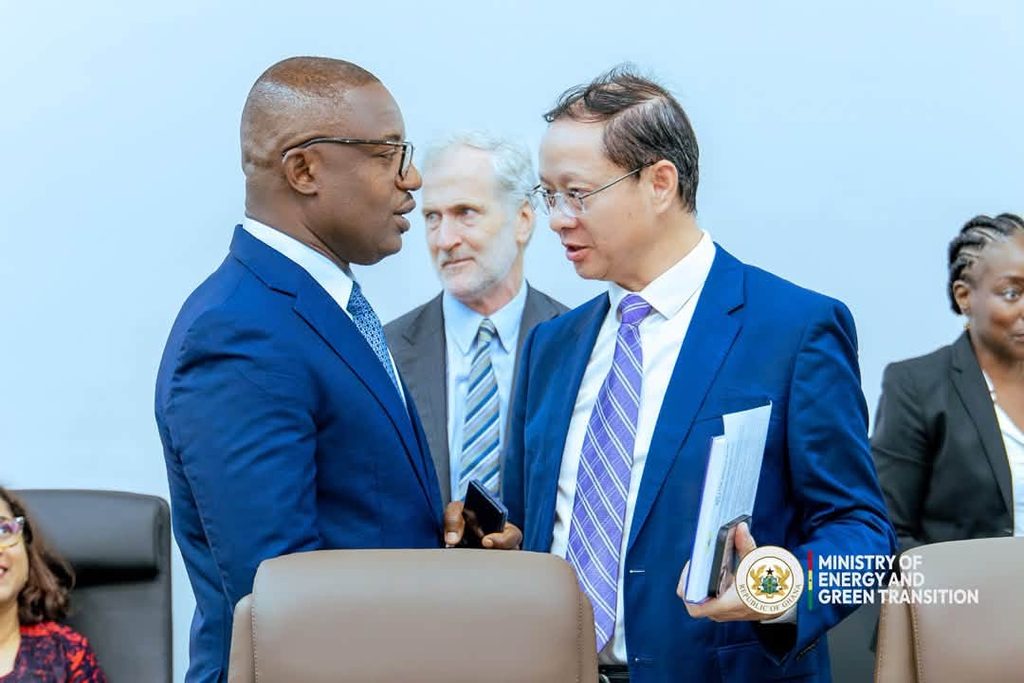
He also pointed to significant reforms across the electricity distribution sector and ongoing investments aimed at strengthening and modernising Ghana’s power transmission infrastructure.
“These reforms and investments are critical to improving the reliability, resilience and efficiency of the country’s power system,” the Minister said in his remarks.
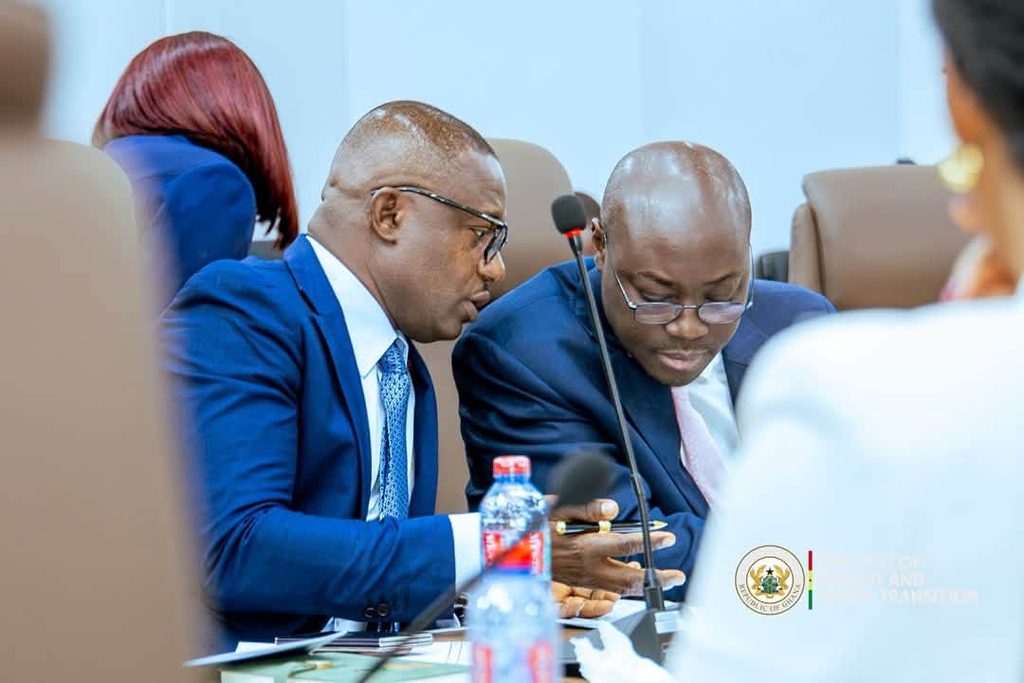
Mr Jinapor further highlighted the rollout of Battery Energy Storage Systems (BESS) as part of efforts to address peak electricity demand and improve the stability of the national power system.
The deployment of BESS is expected to provide additional flexibility to the electricity network by helping manage periods of high demand and supporting the integration and efficient management of power on the grid.
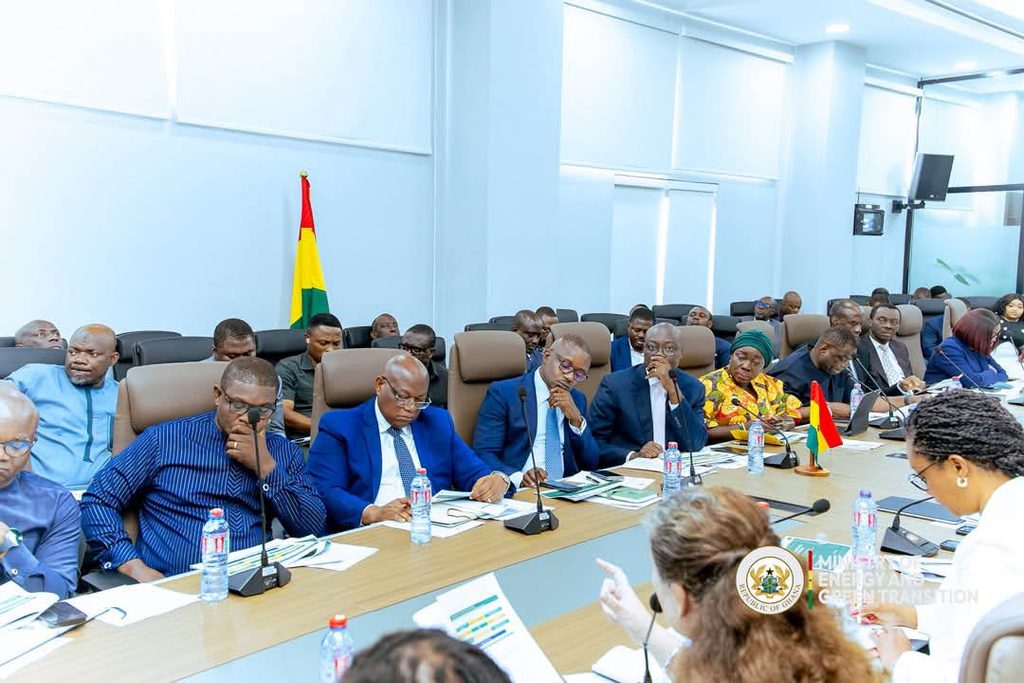
The Minister expressed confidence that continued collaboration between Ghana and its development partners would help consolidate the gains made and unlock further opportunities for economic growth and transformation.
He said the new Country Partnership Framework should therefore reflect Ghana’s priorities and ambitions while supporting the government’s efforts to build a more resilient and modern economy.
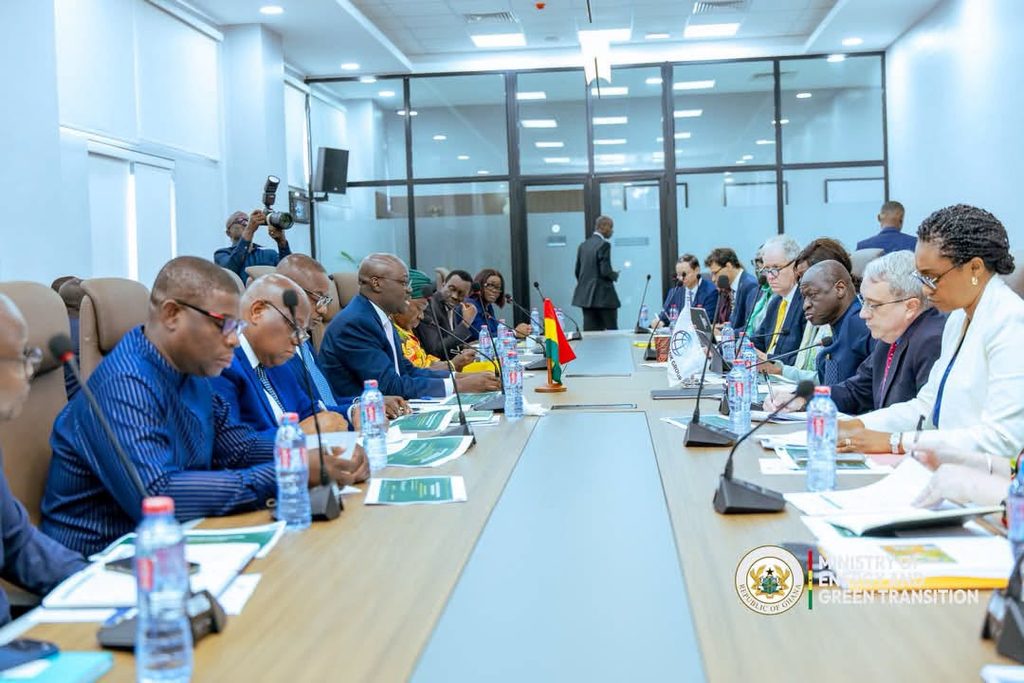
The CPF 2027–2032 is expected to guide the World Bank Group’s engagement and development support to Ghana over the six-year period, with national consultations forming part of the process of identifying key priorities for the partnership.
Mr Jinapor said Ghana was committed to building on the progress already achieved and working with development partners to deliver sustainable development and improved opportunities for its people.
Ghana|Atinkaonline.com|Mavis Fantevi