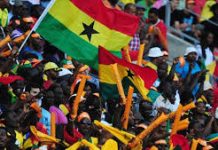
Black Stars Coach to Be Named Soon, Ghana Can Still Win World Cup – Sports Minister Kofi Adams

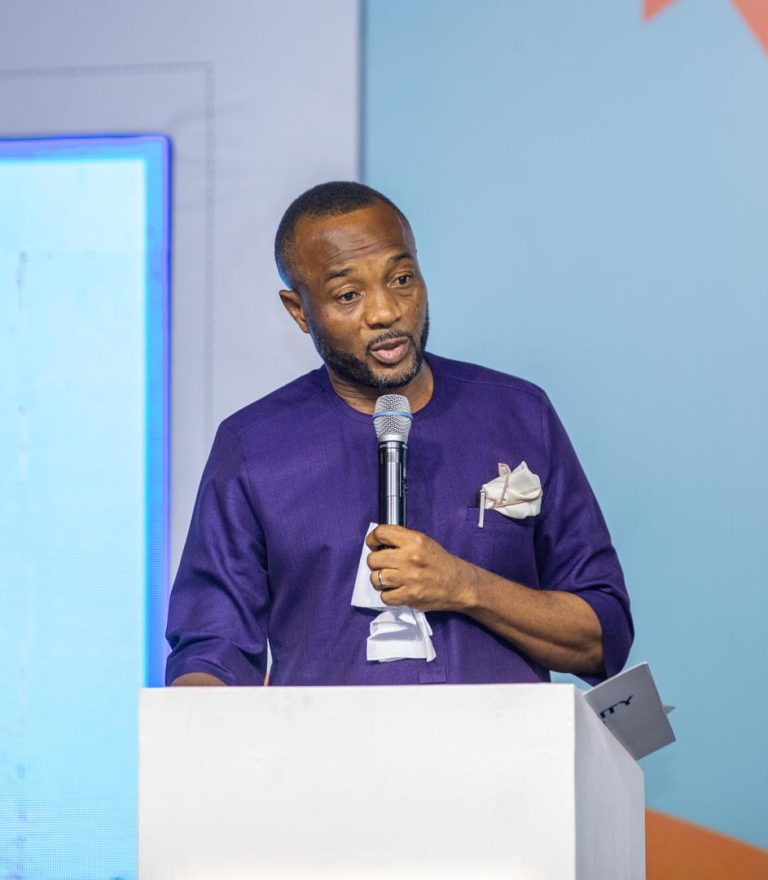
Ghana’s Minister for Sports and Recreation, Kofi Adams, has assured the public that a new head coach for the Black Stars will be announced imminently.

Speaking on the ongoing search, the Minister indicated that the appointment process is nearing completion. “If by this weekend we don’t announce the coach, then by Monday at the latest we should be able to present our new Black Stars coach,” he stated.

Despite concerns about the current squad, Mr. Adams expressed confidence in the team’s potential, insisting that Ghana still has the quality to compete at the highest level.

“We may not have the best of players that we had in some time past, based on them playing together for some time. But we still have what it takes for us to go very, very far—maybe possibly even win the World Cup,” he added.

His remarks come amid heightened expectations from fans eager to see a new direction for the Ghana national football team as they prepare for upcoming international competitions.

EOCO Declares Council of State Member Wanted Over Alleged Gold Fraud

0

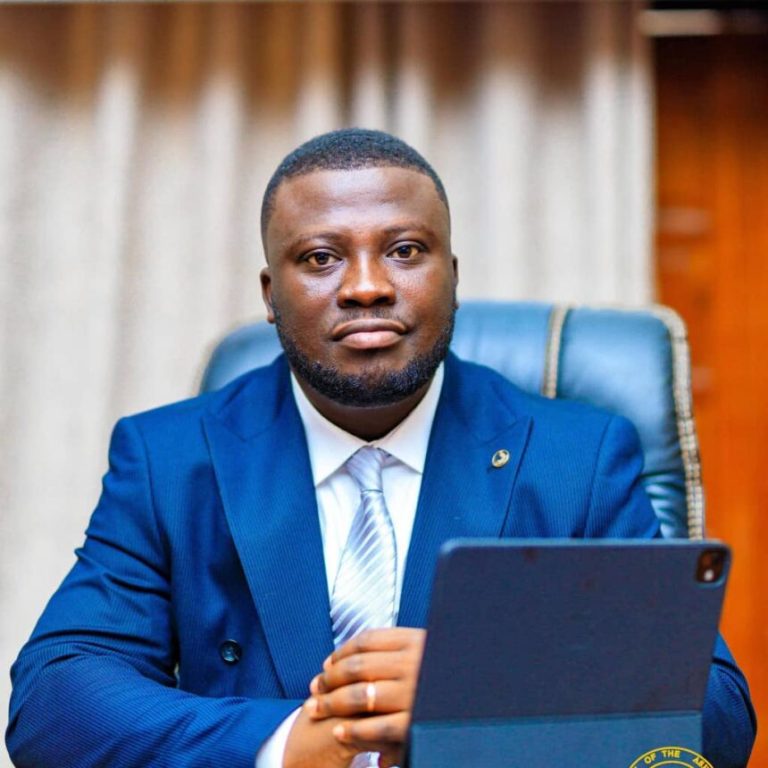
The Economic and Organised Crime Office (EOCO) has declared Gabriel Tanko Kwamigah-Atokple a fugitive, as investigations intensify into alleged gold fraud involving his company.
In a news release issued on Thursday, EOCO stated that it is currently handling three separate petitions against Dr Kwamigah-Atokple and his firm, SESI-EDEM Company Ltd., all relating to suspected fraudulent gold dealings.

Investigations and Allegations
According to EOCO, the petitions point to a consistent pattern of alleged fraud. The Office noted that the suspect, a current member of the Council of State, has been given multiple opportunities since November 2025 to cooperate with the investigation but has failed to do so.

EOCO further alleged that attempts are being made to obstruct justice through political, traditional, and media channels.

The Office also referenced the suspect’s past association with Nana Appiah Mensah, also known as NAM1, and Menzgold Ltd, both previously linked to high-profile financial controversies in Ghana.

Fugitive Status and Manhunt
EOCO stated that Dr Kwamigah-Atokple is currently on the run and is believed to be hiding within the Volta Region.

The agency’s Surveillance and Asset Recovery Unit has been deployed to locate and apprehend him.
“NO ONE is above the law,” EOCO emphasised, assuring the public that the suspect will be brought to justice.

Public Appeal
The Office is calling on members of the public with information on the suspect’s whereabouts to report to the nearest EOCO office.

EOCO also dismissed what it described as misleading public statements surrounding the case, reiterating that its investigations are being conducted within the confines of the law and its mandate.
The statement follows recent comments attributed to the Volta Regional House of Chiefs regarding the matter.

Qualcomm Selects 10 Startups for 2026 Make in Africa Program

0

Qualcomm Incorporated has announced the selection of 10 African startups for the 2026 edition of its Make in Africa Mentorship Program, aimed at strengthening the continent’s deep-technology ecosystem.

Chosen from more than 1,200 applications across 45 countries, the startups are developing solutions in sectors including agriculture, smart infrastructure, electric mobility and assistive technology. Participants will receive mentorship, engineering support and training in advanced technologies such as Edge AI, IoT and machine learning.

Each startup will also qualify for a $5,000 stipend upon completing the program, while one will receive additional funding from Qualcomm for Good’s Social Impact Fund.

The initiative, part of the Qualcomm Africa Innovation Platform, also offers access to hardware tools from Arduino and intellectual property training through L2Pro Africa.

According to Qualcomm, the program reflects growing innovation and technical sophistication among African startups, with solutions increasingly leveraging emerging technologies such as AI and 5G.

The African Telecommunications Union is partnering the initiative for the fourth consecutive year.

For more information about Qualcomm Make in Africa, please visit: https://www.qualcomm.com/company/locations/africa/qualcomm-make-in-africa

Atinkaonlne.com

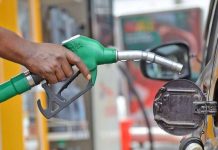
Govt Rolls Out Emergency Measures to Cut Fuel Prices, Ease Transport Costs

Source: Mavis Fantevi

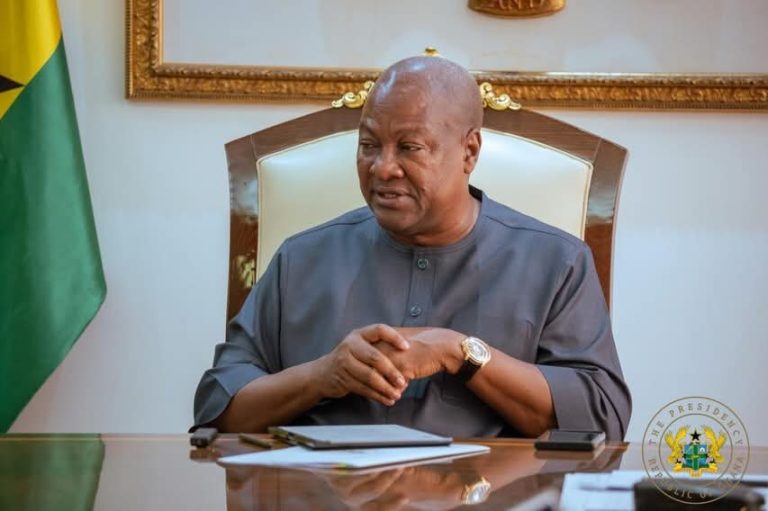
The Government of Ghana has unveiled a set of urgent interventions aimed at reducing fuel prices and easing the financial burden on citizens, following an emergency Cabinet meeting held on Thursday, April 9,2026, by President John Dramani Mahama, amid mounting economic pressures and instability in global oil markets.

The measures, which focus on fuel pricing, public transport, and government spending, are intended to offer short-term relief while broader economic challenges persist.

Temporary Fuel Price Reduction

As part of the plan, Cabinet has directed the Ministers responsible for Finance and Energy to ensure a reduction in fuel prices in the upcoming pricing window. This will be driven by the temporary suspension of selected taxes and margins within the fuel pricing structure.

The intervention is expected to last for an initial period of four weeks, with authorities indicating that the policy could be reviewed depending on global crude oil trends and developments in the Middle East.

Details on the specific taxes to be waived are anticipated to be announced alongside the next pricing adjustments.

More Buses, Lower Fares

To address rising transport costs, the Minister for Transport has been instructed to fast-track the rollout of 100 newly procured Metro Mass Transit buses. The buses will be deployed along busy routes to maximize impact and improve accessibility for commuters.

Government says the buses will operate at fares lower than those charged by private transport operators, offering a more affordable option for the commuting public.

Crackdown on Government Spending

In a parallel move to demonstrate fiscal discipline, Cabinet has reinforced an existing directive requiring all Ministers and senior government officials to forgo fuel allocations and related allowances.

The decision is aimed at cutting down public expenditure and ensuring that government officials also bear part of the economic strain.

A government spokesperson noted that the interventions are designed to provide immediate relief to Ghanaians grappling with the rising cost of living.

The announcement comes at a time when public frustration over high fuel prices and transport fares continues to grow, with many hoping the measures will bring tangible relief in the coming weeks.

System risks in ghana’s petroleum sector: billions at stake, oversight under question

0

Source: Maxwell Mensah, TMG Research and Investigative Desk

Ghana’s petroleum sector is facing mounting systemic risks that could have long-term consequences for revenue stability, energy security, and public accountability.

An analysis by the TMG Research and Investigative Desk, based on findings from the 2025 Public Interest and Accountability Committee (PIAC) report, reveals a troubling pattern, rising debts, unaccounted funds, and underperforming national investments.

  1. GOVERNMENT OWES $50 MILLION TO TULLOW

One of the most immediate financial risks is government’s outstanding debt of approximately $50 million to Tullow Ghana, tied specifically to development costs in the TEN oil field.

This debt, coupled with broader arrears in gas payments, raises concerns about:

  • Ghana’s credibility with international oil partners
  • Future investment flows into the upstream petroleum sector
  • The operational sustainability of existing oil fields

With TEN already underperforming and experiencing no drilling activity in 2025, the debt burden further complicates efforts to revive production.

  1. $561 MILLION UNACCOUNTED FOR BY GNPC SUBSIDIARY

Even more alarming is the failure of GNPC’s subsidiary, Explorco, to account for $561.6 million in petroleum revenue between 2022 and 2024.

Despite repeated calls for reconciliation and transparency, the funds have not been properly accounted for or deposited into the Petroleum Holding Fund.

This raises critical accountability questions:

  • Where exactly is the money?
  • Why has enforcement been weak?
  • What systems exist to prevent revenue leakages at this scale?

For a country reliant on oil revenue to fund development, such lapses undermine public trust and fiscal discipline.

  1. $620 MILLION GAS SECTOR DEBT — A HIDDEN ENERGY THREAT

Ghana’s gas sector is also under strain.

The Ghana National Gas Limited Company (GNGLC) currently owes over $620 million to GNPC, a liability that experts warn could destabilize the entire energy value chain.

This debt has wider implications:

  • It weakens the financial position of state energy institutions
  • It threatens consistent gas supply for power generation
  • It increases the risk of reverting to expensive fuel imports

In simple terms, this is not just a balance sheet issue, it is a national energy security risk.

  1. OIL FUNDS UNDERPERFORMING — JUST 1% RETURNS

Ghana’s sovereign petroleum funds, designed to safeguard wealth for the future, are delivering minimal returns.

Since inception, the funds have generated approximately 1% annual returns, far below global benchmarks for sovereign wealth funds.

This raises strategic concerns:

  • Are investment decisions too conservative or poorly structured?
  • Is Ghana maximizing value from its petroleum savings?
  • What reforms are needed to improve fund performance?

At a time when oil revenues are declining, the efficiency of these funds becomes even more critical.

THE BIGGER PICTURE: A MANAGEMENT PROBLEM

Individually, each of these issues is concerning. But collectively, they point to a deeper structural challenge — inefficiencies in governance and oversight of petroleum resources.

  • Debts are rising
  • Revenues are leaking
  • Investments are underperforming

And ultimately, the burden falls on national development.

CONCLUSION

Ghana’s petroleum sector is no longer just about production levels or global oil prices.

The real challenge lies in how effectively the country manages its petroleum wealth.

Without stronger accountability, improved financial discipline, and strategic reforms, these systemic risks could erode the very benefits oil was meant to deliver.

Politics, High Costs Crushing Ghanaian Businesses – Weija Gbawe MP Sounds Alarm

Ghana’s private sector is under siege, from political interference to rising costs and policy missteps, that is according to the Minority in Parliament, which is warning that the country risks losing its indigenous business base if urgent reforms are not considered.

Speaking at the Kwahu Business Forum 2026, Second Deputy Minority Whip, Hon. Jerry Ahmed Shaib, passionately stressed the current condition of the business community in Ghana stating that “the system is not just challenging businesses, it is working against them, we cannot preach entrepreneurship while the system makes capital structurally inaccessible,” he declared.

At the center of the Minority’s concern is what they described as the growing politicization of business in Ghana.

According to the caucus, businesses are increasingly being judged based on perceived political alignment, a situation they say is distorting competition and discouraging innovation.

“The success of a business should never depend on which political regime is in power,” Hon. Shaib stressed.

Beyond politics, the Minority painted a grim picture of a business environment weighed down by structural challenges.

From limited access to financing to high operational costs, many businesses are being squeezed from all sides.

•          60–80% of small businesses fail within five years

•          High lending rates and strict collateral requirements block access to credit

•          Energy costs are forcing manufacturers to cut production

“The manufacturer is being squeezed from both ends, costs that government will not reduce, and import competition it cannot match.”

Adding to the pressure is what businesses describe as a stacked tax regime, where multiple levies including VAT, NHIL, and GETFund are applied simultaneously on the same transactions.

The Minority also accused government of sidelining industry players in decision-making, describing a pattern where policies are introduced without meaningful consultation.

“Policy is conceived, drafted and announced, and industry is invited afterwards and told that constitutes consultation.”

This, they argue, has led to poorly designed policies, such as the controversial AI-driven customs assessment system at the ports leaving businesses with inflated charges and little room to appeal.

Despite being in opposition, the caucus has outlined a series of measures aimed at reversing the trend, including:

•          Mandatory stakeholder consultation before major policies

•          Review of taxes and utility tariffs

•          Reforms to improve SME access to financing

•          Greater parliamentary oversight of business-related systems

Ghana|Atinkaonline.com| Prince Kwame Kudogah

Ashanti Regional Minister Introduces Incentive to Curb Indiscriminate Dumping

0

Source: Ebenezer De-Gaulle

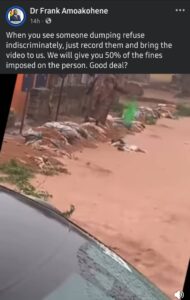
The Ashanti Regional Minister, Frank Amoakohene, has announced a new policy aimed at addressing persistent sanitation challenges in the region by rewarding citizens who report acts of indiscriminate waste disposal.

Under the directive, 50 per cent of fines collected from offenders will be distributed to individuals who provide credible information leading to their arrest. The initiative is designed to encourage public participation and foster a sense of shared responsibility in maintaining cleanliness.

Dr. Amoakohene said the measure is expected to serve as a deterrent while motivating residents to remain vigilant and actively support sanitation efforts.

However, he emphasized that the policy alone may not be sufficient to resolve the region’s sanitation problems, noting that a broader, coordinated approach involving citizens, local authorities, and enforcement agencies is required.

The minister highlighted the critical role of the City Metro Guards, stressing the need to clearly define and strengthen their responsibilities in enforcing sanitation by-laws. According to him, the guards are expected to monitor public spaces, prevent illegal dumping, apprehend offenders, and educate the public on proper waste disposal practices.

He added that with adequate training, equipment, and institutional support, Metro Guards can significantly improve sanitation, particularly in high-traffic areas such as the Central Business District.

Dr. Amoakohene expressed optimism that combining citizen reporting with a proactive enforcement system will enhance compliance and help reduce indiscriminate dumping across the region.

He noted that the success of the initiative will depend on sustained commitment, effective enforcement, and cooperation among all stakeholders.

Mustapha Hamid Declares Bid for NPP National Vice Chairman Position

Source: Ebenezer De-Gaulle

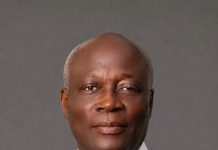
Former Chief Executive Officer of the National Petroleum Authority (NPA), Dr Mustapha Abdul-Hamid, has declared his intention to contest for the position of First Vice Chairman of the opposition New Patriotic Party (NPP).

Sources within the party indicate that Dr Abdul-Hamid is part of a strong strategic bloc positioning itself to help reorganise and lead the NPP back to power in the 2028 general elections.

The former NPA boss, who also holds the distinction of being one of the longest-serving presidential spokespersons under the administration of Nana Addo Dankwa Akufo-Addo, confirmed his decision in a telephone conversation with Classfmonline.com.

His declaration adds to the growing list of contenders expected to vie for key national executive positions within the party as it prepares for its upcoming internal elections.

The NPP is expected to elect new national executives as part of efforts to restructure the party and strengthen its chances ahead of the next electoral cycle.

Mustapha Abdul-Hamid is a Ghanaian politician and lecturer.

He is a former chief executive officer of the National Petroleum Authority (NPA).

Early life and education

Mustapha Abdul-Hamid was born in the Northern Regional capital of Tamale on 14 June 1971 to Hamidu Yakubu and Adama Musah.

Hamidu Yakubu was a soldier with the 6th Battalion of Infantry in Tamale. Adama Musah is a retired teacher who taught in various schools around the Tamale metropolis. He attended the Station Experimental Primary School in Tamale from 1976 to 1982. He then went to Bawku Secondary School for his Ordinary Level from 1982 to 1987. Mustapha Abdul-Hamid entered Tamale Secondary School in 1987 for his Advanced level.

In 1991, he entered the University of Cape Coast to pursue a Bachelor of Arts course with English Language, Classics and Religious Studies.

He eventually majored in Religious Studies, obtaining a Second Class, Upper Division. He also pursued a Diploma in Education concurrently with the Degree programme. He obtained an MPhil in Religious Studies from the University of Cape Coast in 2003. In September 2017, he completed and was awarded a PhD in Religious Studies by the University of Cape Coast.

Mustapha Abdul-Hamid’s research interests are in the area of Islamic Mysticism, Political Thought in Islam, Islam and Gender and Islam in Ghana.

He has published extensively in reputable journals around the world. Some of his publications include, “Religious Language and the Charge of Blasphemy: In Defense of Al-Hallaj,” and “Christian-Muslim Relations in Ghana: A Model for World Dialogue and Peace.”

Mustapha Abdul-Hamid showed an early interest and capacity for debate. In Bawku Secondary School where he had his Ordinary Level education and at Tamale Secondary School where he had his Advance level education, he was a member of the Debating Teams of both schools. He is a faithful adherent of Islam and before being Minister for Inner City and Zongo Development, was already very much involved in Islamic activities in Muslim communities across the country. During his student days at the University of Cape Coast, he was President of the Ghana Muslim Students Association and the Students Representative Council. His devotion to Islam is based on the training he received by his father. As early as age 7, Mustapha was already a muezzin for the neighbourhood mosque where they both worshiped.

Mustapha’s parents divorced when he was about four years old. His father took custody of him according to both Islamic and Northern tradition.

In Islamic tradition, in particular, fathers are required to take custody of their male children in the event of a divorce, if they have attained the age of two.

And so his father brought him up by strict military discipline.

He is married and has seven kids.

Career and political life

Mustapha Abdul-Hamid has worked in various capacities as a Strategy Planning Manager and Client Service Manager with various Advertising and Marketing Companies such as the Media Majique and Research Systems and Ghana Advertising and Marketing Company.

He also worked with and edited newspapers such as the defunct High Street Journal and the Daily Statesman.

He was also the News Editor at Choice FM, a radio station based in Accra whose frequency was eventually sold to the Dr. Kwabena Duffuor media group and has now become Kasapa

Hamid is the former Minister for information. Before his appointment as Minister for information in March 2017, he was a lecturer at the Department of Religion and Human Values of the University of Cape Coast.

Mustapha Abdul-Hamid’s career as a politician began in 1991, when he entered the University of Cape Coast. At that time, the military government of the Provisional National Defense Council (PNDC), headed by Flight Lieutenant (retired) Jerry John Rawlings, had hinted that it was to lift the ban on party political activity in May 1992.

Groups which intended to form political parties after the lifting of the ban therefore began to congregate. The group that in Ghana’s political history had been associated with the Danquah-Dombo-Busia tradition, formed what they called at the time, the Danquah-Busia Club.

It was founded in the house of Stephen Krakue at East Legon in Accra.

The man who was responsible for planting the club in the Central Region was a senior figure in the tradition called Lawyer Spio.

It was he who began the process of recruiting young men and women at the University of Cape Coast to form the nucleus of the club.

Mustapha Abdul-Hamid was among the first batch of young men who were recruited to start the party’s University of Cape Coast branch

‘Red Maria’ Police Team Arrests 217 in Northern Region Anti-Drug Crackdown

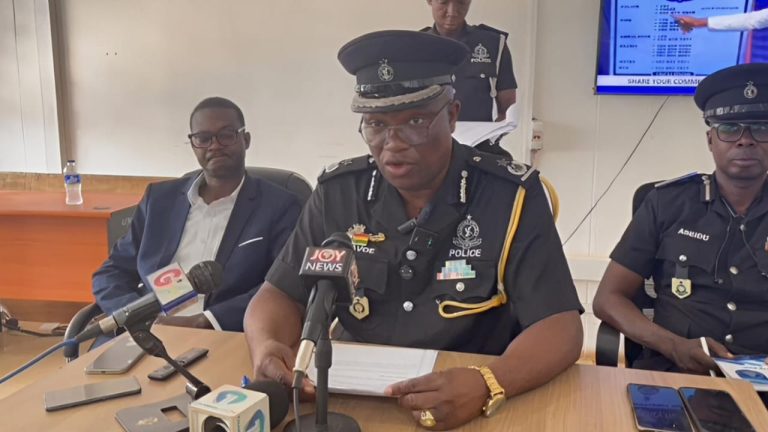
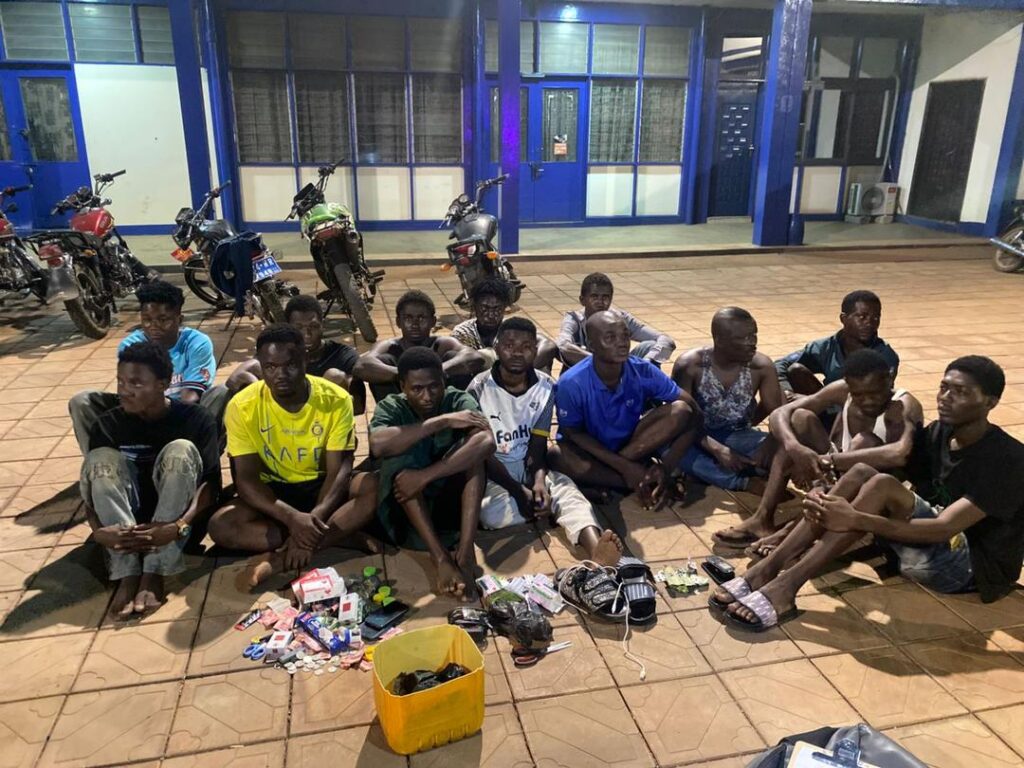
The Ghana Police Service in the Northern Region has arrested 217 individuals as part of an intensified crackdown on drug-related offences and criminal activities under a special operations unit known as “Red Maria.”

At a press briefing, Northern Regional Police Commander Wisdom Lavoe (DCOP) outlined the activities and successes of the team, which was established following the redeployment of the Inspector-General of Police’s Special Operations Unit, popularly known as “Black Maria,” from Tamale.

‘Red Maria’ Police Team Arrests 217 in Northern Region Anti-Drug Crackdown

DCOP Lavoe explained that the “Red Maria” team has carried out intelligence-led operations in several high-risk areas over the past month, including Taxi Rank, Abobabo, Nobisco Forest, Savelugu, Nanton, and Nyankpala.

The operations targeted illicit drug peddling and substance abuse, leading to the arrest of suspects found in possession of or using substances such as Tramadol and Indian hemp. Others were apprehended for offences including prostitution and unlawful assembly.

In total, 217 individuals have been processed before the courts for various offences ranging from drug possession and trafficking to public order violations.

The Regional Commander further disclosed that the crackdown has resulted in the payment of GH¢72,000 in fines, highlighting the impact of the ongoing operations in curbing crime across the region.

Cocoa Farmers Declare MP ‘Wanted’ Over Alleged Broken Price Promise

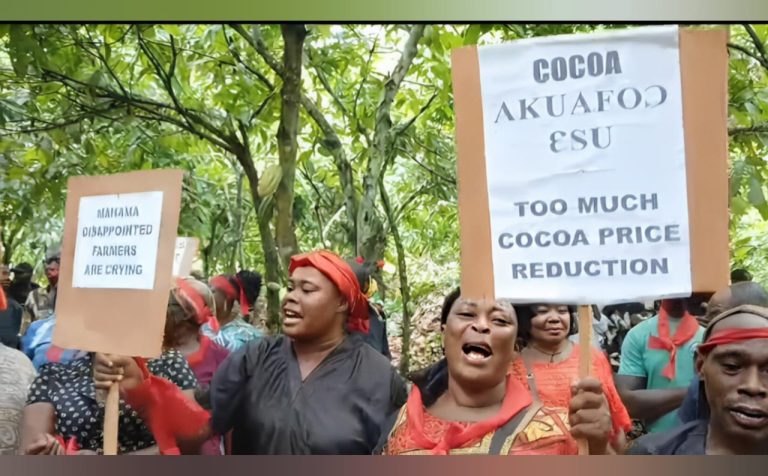
Cocoa farmers in Kukuom in the Asunafo South District of the Ahafo Region have declared their Member of Parliament, Eric Opoku, “wanted,” accusing him of failing to deliver on campaign promises made ahead of the 2024 elections.

The aggrieved farmers claim the MP assured them of a cocoa price of GH₵6,000 per bag if they voted for the National Democratic Congress (NDC). However, they say the price has instead been reduced to GH₵2,500, sparking frustration across the community.

The farmers are particularly angered by what they describe as the MP’s absence from the constituency since the price adjustment. They are demanding that he returns to address their concerns and offer an apology for what they call misleading assurances.

The protest in Kukuom is not an isolated case. Similar reactions have been reported in other cocoa-growing areas, where farmers say they feel deceived by unmet expectations.

While the NDC campaigned on a pledge to increase cocoa prices, government officials have attributed the current reduction to global market conditions and fiscal constraints.

Despite these explanations, many farmers view the situation as a breach of trust and are calling for accountability from political leaders.