LATEST ARTICLES

Enforce policies to protect water bodies- Amb. Samuel Owusu to Govt

0

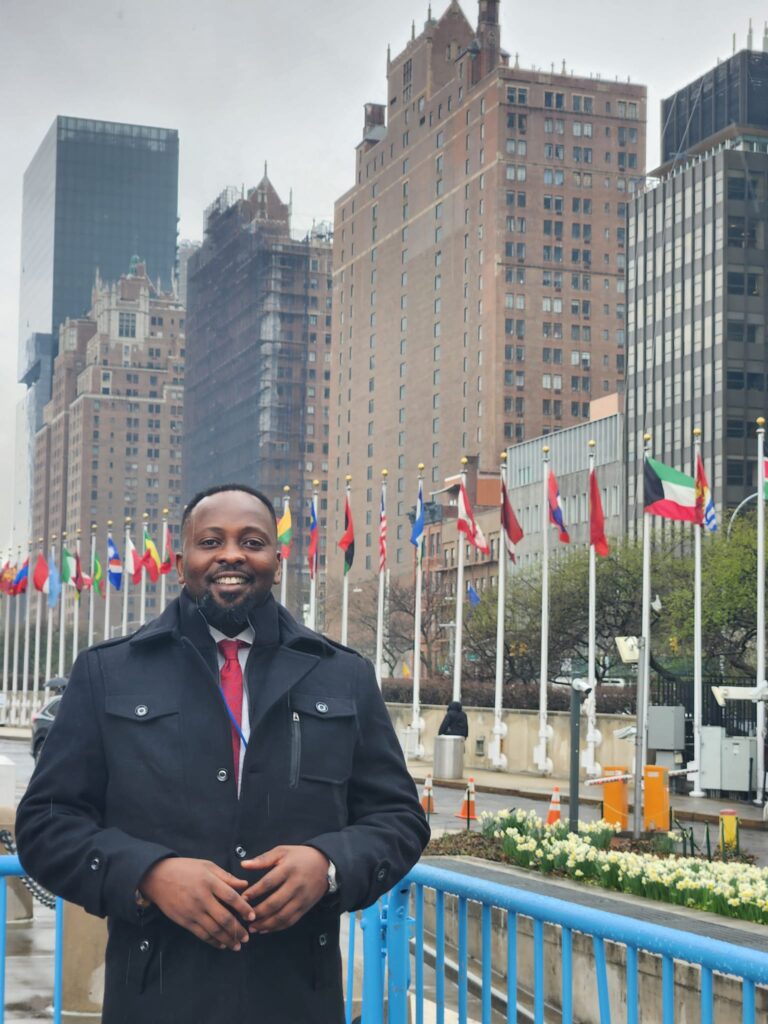
The United Nations (UN) Eminent Peace Ambassador to Ghana, Dr Samuel Ben Owusu has called on the Government to enforce policies that would help protect water bodies in the country.

He observed that numerous water bodies in Ghana have been polluted by human activities such as galamsey, the disposal of refuse, the construction of structures in waterways, and the obstruction of waterways.

The above, he noticed, has become a threat to Ghana’s water, expressing worry that if care is not taken, Ghana may import water or buy water at a very high price in future.

The UN Peace Ambassador gave the warning after his return from the United Nations Global Water Sustainable Conference held in New York.

The United Nations Global Water Sustainable Conference was a three-day event held from March 22nd to March 24th, 2023 in New York

It was aimed at reaffirming the international agreed water-related goals and targets including the 2030 Agenda for Sustainable Development.

Amb. Dr Samuel Owusu represented the West African Mission of the International Association of World Peace Advocate and Ghana respectively.

Read Also: Amb. Samuel Owusu calls on UN to help Ghana achieve sustainable developed water systems

Right when he returned to Ghana, he spoke with the media at the Kotoka International Airport where he expressed worry over the matter.

He observed that most politicians were behind illegal mining directly or indirectly.

For those who engage in activities that pollute water, bodies he warned them to put a stop to it, stating that they will also be affected in future

Meanwhile, as the General Overseer of The Pottersville Church International, Covenant Christian Leadership College, Dr Samuel Ben Owusu said he was going to use his platform to educate the public on the need to protect water in the country.

He also said he would assist the government with ideas and the knowledge gained on innovations at the conference in order to promote a sustainable developed water system in the country.

Watch video below:

Ghana| Atinkaonline.com| Porcia Oforiwaa Ofori

Buduburam: Over 1000 residents evicted following court order

0

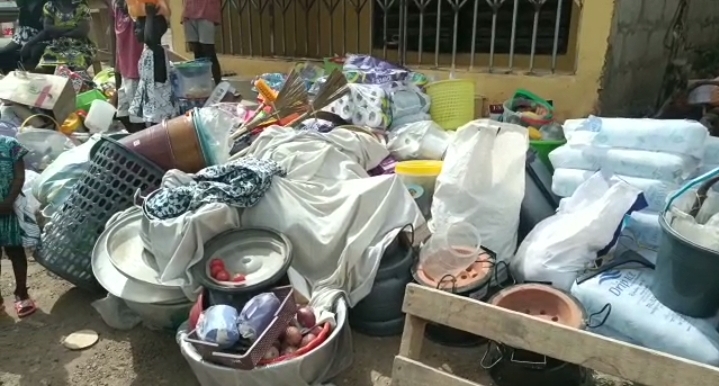
Over a thousand residents of Sun City, a suburb of Buduburam in the Central Region, have been rendered homeless by a litigant in a land dispute.

The residents complained that they were not given sufficient time to vacate the area.

The residents were evicted from their homes by the litigant identified as SNBB under the supervision of a task force and the police. It was such an emotional spectacle.

The affected individuals’ personal possessions were removed from their rooms and locked with new padlocks provided by the plaintiff.

The litigant claims to have prevailed in court against the area’s property owners .

Some stranded residents shared their frustrations with Atinka News.

The DCE for Gomoa East, Hon Solomon Darko Quarm expressed worry and disappointment over the manner of eviction.

He, however, admonished stranded victims to go back to their houses until the right procedure is followed.

Ghana| Atinkaonline.com| Samuel Nyamekye Junior

We can’t cook with GHC0.97 anymore – Sch. Feeding caterers tell Gov’t


Caterers of the Ghana School Feeding Programme (GSFP) want urgent increment in the feeding grant, insisting that the amount being allocated by the Government to prepare daily nutritious meals for pupils is woefully insignificant.


According to them, the GHC1.00 is not enough to purchase food items on the market to prepare quality meals and serve in the right quantity for the children, most of whom come to school on empty stomach.


They disclosed that an amount of GHC0.03 is even deducted from source as tax component from each of the GHC1.00 paid to them [caterers].
This implies that the caterers do not receive exactly the GHC1.00, but GHC0.97 per child per day.


Some of the caterers in the Bono East Region complained bitterly to some officials of the Ghana School Feeding Programme and the World Food Programme who had come to the region for a weeklong joint monitoring to assess the performance of the caterers and the impact of the school feeding programme.


The distraught caterers even though appreciated the Government for the introduction of the school feeding programme and the great impact it is making in the lives of millions of Ghanaian children in the deprived schools, they disclosed how it is sometimes inconveniencing most of them.


“We have tried so much to be quiet over the years hoping that something will be done to increase the feeding grant to at least GHC2.00 or GhC2.50 so that we can meet the cost of food items on the market but to no avail. We are crying and crying but nobody seems to hear us out. Prices of items are being increased almost every day, and so the President must know that we cannot go to the market with the same GHc1.00”.


The caterers asserted that a bag of beans which was sold between GhC250.00 and GhC300.00 last year, now sells between GhC800.00 and GhC950.00. A bowl of gari has also moved from GhC6.00 to GhC25.00, a maxi bag of local rice moved from GhC200.00 to GhC450.00 and prices of cooking oil, meat, fish and vegetables have also gone up astronomically especially in the last 6 months.


They indicated that, even though it is a policy direction for all the caterers to patronize locally produced foodstuffs from the local farmers, almost all the caterers prefer the imported foods because they are far cheaper.


The caterers said that some of them are still managing to cook for the school children because the imported food suppliers are always willing to supply food and other items like tin tomatoes, cooking oil and canned fish to them on credit, unlike the local farmers.


They also raised serious concern about the long delay in the payment of their arrears by the government, which they indicated, put them under unnecessary pressure.

“We are supposed to pre-finance the cooking for just one term and receive payment the following term. But for a long time now, the government always fails to pay us on time; and most at times we do not receive our payment in full. Sometimes instead of 66 cooking days’ arrears, the government can decide to pay us 20, 25 or 30 days and we will have to struggle for a long time before we will receive the remaining payments. And because we have to pay our cooks and suppliers at all cost, we always have to go and borrow from different sources, which put us in an uncomfortable situation”.

In reaction to the concerns raised by the caterers, the GSFP National Coordinator Mrs. Gertrude Quashigah appealed to the caterers to calm down and exercise restraint, noting that everything is being done towards the upwards adjustment of the feeding grant.


She said management of GSFP has been engaging the government for a while now on the issue. According to her, the GSFP has submitted a compelling proposal to the government through the supervisory ministry for an upward adjustment of the feeding grant.


Mrs. Quashigah further revealed that between GHC2.00 and GHC3.00 has been proposed taken into account the prevailing economic trend in the country. She expressed optimism that government would respond positively to the proposal.
She recalled that in 2018 government accepted GSFP’s proposal and increased the feeding grant from GHp.80 to GHC1.00. She therefore assured the caterers and Ghanaians in general that government is genuinely committed to the sustainability of the programme.

Akufo-Addo grants presidential pardon to Abuga Pele over ill-health

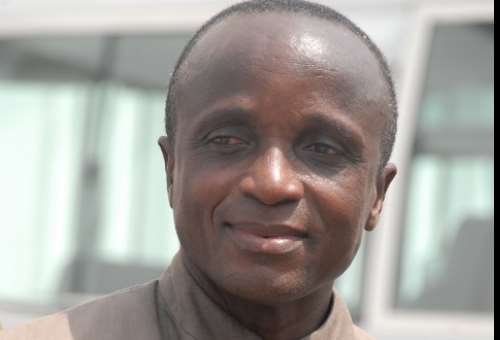
The former Member of Parliament for Chiana/Paga, Abuga Pele, has received a presidential pardon.

President Nana Addo Dankwa Akufo-Addo granted the presidential pardon to him on grounds of ill-health.

It is reported that last month, Abuga Pele was taken ill at the Nsawam Maximum Security Prison, from where he was transferred to the Greater Accra Regional Hospital.

He was admitted at the High Dependency Unit (HDU) of the hospital but has since been discharged, the report said.

Abuga Pele, who was an MP for the National Democratic Congress (NDC) was sentenced to a six-year imprisonment by an Accra High Court in 2018.

The court found him guilty of causing financial loss to the state while serving as the National Coordinator of the defunct Ghana Youth Employment and Entrepreneurial Development Agency (GYEEDA).

Source: ghanaweb

Jospong Group, VYNCKE Forge Landmark Waste-to-Energy Partnership for Africa at IFAT

The Jospong Group of Companies (JGC) has entered into a strategic partnership with Belgian clean energy technology firm VYNCKE to jointly promote scalable waste-to-energy solutions across Africa.

The alliance aims to accelerate sustainable energy transition, modern waste management, and green industrialization on the continent.

The partnership was formalized through a Memorandum of Understanding (MoU) signed on May 6, 2026, by the Executive Director for the Waste Processing Division of the Jospong Group, Mr. Haidar Said, on behalf of JGC and Jef Mestdagh, Business Development Manager, witnessed by CEO Mr. Peter Vyncke at IFAT in Munich. The deal combines African operational expertise in waste management with advanced European waste-to-energy technology to support cleaner cities, renewable energy generation, and sustainable industrial development.

The agreement outlines a framework for both companies to explore, assess, and develop waste-to-energy projects tailored to African waste streams, regulatory environments, and market realities. Industry observers call this one of the most significant recent collaborations in Africa’s environmental services and renewable energy sector.

Under the agreement, JGC, one of Ghana’s largest indigenous conglomerates, will leverage its experience in sanitation, waste collection, landfill management, and environmental services to facilitate project development across Africa. VYNCKE, a globally recognized Belgian engineering company, will provide technical expertise in combustion systems, thermal energy solutions, and industrial energy infrastructure.
The collaboration aims to convert municipal, industrial, and organic waste into usable energy while reducing pressure on landfills and improving environmental outcomes in rapidly urbanizing African cities. The two companies intend to jointly identify waste-to-energy opportunities, conduct feasibility studies, engage regulators and investors, and support deployment of sustainable energy infrastructure adapted to African conditions.
This landmark intervention opens a new market in Africa by undertaking landfill gas extraction to capture methane emissions from existing dumpsites and convert them into usable energy for Africa’s growing demand for electricity. The agreement also includes Carbon Capture and Storage (CCS) to reduce industrial emissions and support long-term climate goals, alongside thermal and biomass technologies for efficient waste conversion.

The agreement reflects a shift toward strategic industrial partnerships that recognize Africa as an emerging hub for sustainable innovation. For many African countries, waste accumulation, unreliable energy supply, and rapid urban growth continue to create serious pressures. Experts say waste-to-energy systems reduce landfill dependency, generate cleaner energy, create jobs, and support industrial productivity. This partnership is therefore viewed as a practical response to the continent’s most pressing challenges.

The MoU highlights the increasing role of African indigenous companies in driving sustainability initiatives. JGC has expanded across sanitation and environmental management in Ghana and other African countries, including operations in Kenya, Nigeria, and Zimbabwe through Zoomlion. By partnering with VYNCKE, the group is accelerating Africa’s transition toward cleaner industrial energy systems. The partnership also supports the African Union’s Agenda 2063 and the UN Sustainable Development Goals.

The agreement sends a strong signal to African governments, policymakers, and investors about the viability of large-scale environmental infrastructure projects led by African enterprises. Successful implementation will require supportive regulations, investment-friendly policies, and public-private collaboration. The partnership reinforces the importance of cross-border knowledge transfer to help Africa meet its energy and waste management demands. As African cities expand, the need for innovative, scalable solutions becomes urgent. This collaboration may represent the beginning of a broader movement toward African-led sustainability solutions. For many stakeholders, the message is clear: Africa’s next phase of industrial growth must be green, innovative, collaborative, and designed for African realities.

“No Child Deserves Such Pain and Trauma” — Dr. Sosu Supports Injured North Legon Teen

The Member of Parliament for Madina, Francis-Xavier Kojo Sosu, has said that “no child deserves such pain and trauma” after visiting 15-year-old Joseph Martey, who was allegedly tied to a motorcycle and dragged through the streets of North Legon.

In a Facebook post, the MP said he was heartbroken after hearing about the boy’s ordeal. He added that he visited Joseph and was grateful for the teenager’s recovery so far.

Xavier-Sosu Supports

According to the MP, he paid all of Joseph’s hospital bills and medication costs to support his treatment. He also provided GH₵3,000 to the boy’s mother to help with transportation and feeding expenses during 10 days of continued medical care and dressing of wounds.

Mr. Xavier-Sosu further stated that arrangements had been made for counselling and continued medical support to help the boy recover emotionally and physically.

The MP thanked hospital staff, the Centre for Legal Aid and Social Protection (CLASP), and the Madina Divisional Domestic Violence and Victim Support Unit (DOVVSU), led by ASP Dorison, for their assistance and support in the matter.

The alleged incident involving Joseph Martey has drawn public concern, with calls for justice and protection for children against abuse.

Ghana|Atinkaonline.com

Tobinco Media Group’s Advocacy Secures Water Relief for Adidome SHS as Republic Bank Commissions Solar-Powered Borehole

Persistent media advocacy by Tobinco Media Group, operators of Atinka TV and Bullet TV, has led to a major breakthrough for Adidome Senior High School, following the commissioning of a newly constructed, solar-powered, mechanised borehole to address the school’s long-standing water crisis.

The intervention follows a series of reports by journalist Christian Ahodie, which brought national attention to the severe water challenges confronting the school.

Last year, Atinka TV and Bullet TV highlighted the plight of students after the Community Water and Sanitation Agency disconnected the school’s water supply over an unpaid debt of GH¢120,000. Subsequent reports aired between January 7 and 9 this year showed students trekking long distances and visiting nearby streams and rivers in search of water before returning to class.

The reports sparked widespread public concern and drew the attention of stakeholders, eventually leading to the settlement of the debt and restoration of water supply to the school.

In response to the situation, Republic Bank Ghana, under its corporate social responsibility initiative, constructed a modern solar-powered mechanised borehole system for the school. The facility has now been officially commissioned at a ceremony attended by students, school authorities, traditional leaders, political officials, education authorities, and community members.

Speaking at the event, the Volta Regional Minister, James Gunu, described the intervention as timely and significant, especially as many communities and institutions in the Volta Region continue to face water shortages.

He commended Republic Bank for responding swiftly to the students’ challenges and urged the school to establish a maintenance committee to ensure the sustainability of the facility.

The District Chief Executive for Central Tongu, Addison Mornyuie, also disclosed plans by the Assembly and the Ghana Education Service to construct an underground rainwater harvesting reservoir to further improve water availability on campus.

Headmaster of the school, Dr Vincent Atiku, expressed gratitude to Atinka TV and Bullet TV for consistently highlighting the school’s difficulties. According to him, the media coverage attracted support from corporate institutions and development partners, ultimately leading to Republic Bank’s intervention.

He described the mechanised borehole as a major relief, noting that students would no longer need to walk to streams and rivers in search of water.

The Managing Director of Republic Bank Ghana PLC stated that the project aligns with the bank’s commitment to the Sustainable Development Goals, particularly access to clean water and sanitation.

According to the bank, no educational institution should struggle to access safe drinking water. He added that the bank decided to intervene after learning about the hardships students were enduring and appealed to both students and management to maintain the facility properly.

The commissioning ceremony ended in jubilation among students and staff, many of whom described the project as life-changing and a strong example of how impactful journalism and corporate partnership can drive meaningful social change.

For Adidome Senior High School, the project now stands as a lasting testament to the power of responsible journalism and collective action.

CLASP Supports Minor in Alleged Abuse Case at North Legon

0

The Centre for Legal Aid and Social Protection (CLASP), a project under the Office of the Member of Parliament for Madina, Hon. Dr. Francis-Xavier Kojo Sosu Esq., has spoken about an alleged abuse case involving a 15-year-old boy at North Legon on May 3, 2026.

In a press statement signed by the C.E.O of the Centre for Legal Aid and Social Protection, CLASP said it was deeply concerned about the incident involving the teenager. The organisation stated that the alleged suspect is Eric Martey, who was identified as the boy’s father.

CLASP explained that its lawyers are closely following the case to make sure both the child and the suspect receive fair treatment during police investigations and court proceedings.

The organisation is also working with the Domestic Violence and Victim Support Unit (DOVVSU) of the Madina Divisional Police Command to support the victim and his family.

According to the statement, CLASP helped to pay the boy’s hospital bills at the University of Ghana Hospital and arranged counselling services to support him emotionally and psychologically.

Officials from CLASP, together with the Member of Parliament for Madina and officers from DOVVSU, also visited the victim at the hospital to check on his condition and assure the family of continued support.

CLASP said it will continue to work with the police, social welfare institutions, community leaders, and civil society groups to protect vulnerable people and help them gain access to justice.

Ghana|Atinkaonline.com

Tema Sallah Derby Sponsors Honored As Organisers Recognise Community Impact

Source: Ebenezer Degaulle

Organisers of the Tema Sallah Derby have honoured key sponsors of the annual Eid football clash with a portrait presentation, in recognition of their unwavering support and contributions to the community.

The presentation was made to Mubarak Nkrumah, popularly known as K9, and Alhaji Sultan Nerror—two prominent figures behind the successful staging of the Sallah derby between Coke Stand and OneWay in Tema Community One.

According to the organisers, the gesture was meant to appreciate the duo for their generosity and commitment to ensuring the smooth organisation of the match, which has become a significant event on Tema’s local football calendar.

They also highlighted the sponsors’ broader philanthropic efforts, noting their continuous impact on youth development and community welfare.

During the presentation, the organisers commended both men for their dedication to sustaining the derby and creating a platform that brings the community together through sport.

In response, Mubarak Nkrumah (K9) and Alhaji Sultan Nerror expressed gratitude for the recognition, describing it as a motivating gesture that reinforces their commitment to supporting grassroots football and community initiatives.

Beyond their involvement in the Sallah derby, both sponsors are actively engaged in football development.

K9 is the owner of Division Two side True Life FC, which is currently pushing for promotion, while Alhaji Sultan Nerror owns Division One club True Democracy Football Club.

The Tema Sallah Derby continues to grow in stature, serving not only as a celebration of Eid but also as a symbol of unity and grassroots football development in the community.

DIGGING BEYOND THE SURFACE: Africa Extractives Media Fellows Gain Real-World Exposure at Ghana’s Ewoyaa Lithium Project

The maiden cohort of the Africa Extractives Media Fellowship has successfully completed its training programme with a practical field visit to the Ewoyaa Lithium Project in Ghana’s Central Region, giving fellows a rare first-hand experience into the realities of lithium exploration and extraction.

After weeks of intensive classroom sessions on extractive sector reporting, mining governance, environmental sustainability, and resource accountability, the fellows finally stepped beyond theory and into the heart of mining operations, where they witnessed drilling activities, interacted with technical experts, and gained deeper insight into the fast-growing lithium industry. The tour follows a similar filed visit to the Tema Oil Refinery some weeks ago.

For many of the journalists, the visit was more than just an educational tour. It was an eye-opening experience that brought to life many of the issues discussed during the fellowship.

Walking through the project site, observing ongoing exploration activities, and engaging officials on critical questions surrounding mining operations gave the fellows a practical understanding of the opportunities and challenges within the extractive sector.

The visit also highlighted the growing importance of lithium in the global clean energy transition, as countries around the world increasingly depend on critical minerals for the production of electric vehicle batteries and renewable energy technologies.

Speaking after the engagement, several fellows described the experience as transformational, noting that it had significantly improved their understanding of extractive sector reporting and strengthened their ability to tell more balanced, factual, and impactful stories.

Africa Extractives Media Fellowship

According to some participants, covering mining and extractive issues from the newsroom alone often limits a journalist’s appreciation of the technical, environmental, and social dynamics surrounding the industry.

However, being physically present at the project site offered them a clearer perspective on how mining operations function, the concerns of host communities, environmental considerations, and the level of accountability expected from both regulators and mining companies.

The fellows also had the opportunity to ask direct questions on issues relating to environmental protection, local participation, land use, and the long-term benefits of lithium mining to surrounding communities and the country at large.

Organisers of the fellowship explained that the programme was designed to build a new generation of African journalists with specialised knowledge in extractive sector reporting, particularly at a time when Africa’s mineral resources are attracting increasing global attention.

They noted that while Africa remains central to the future of the global green economy, the continent also needs well-trained journalists capable of reporting accurately and critically on how its natural resources are managed.

The Ewoyaa Lithium Project, regarded as one of Ghana’s emerging lithium prospects, continues to generate national and international interest due to the increasing global demand for critical minerals.

For the fellows, the experience marked not just the end of a a 6months training programme, but the beginning of a deeper responsibility, to tell Africa’s extractive story with greater depth, accuracy, and accountability.

As the curtain falls on the inaugural Ghana cohort of the Africa Extractives Media Fellowship which in October 2025, participants are expected to return to their various media platforms better equipped to produce compelling stories that inform the public and contribute to transparency and sustainable resource governance across the continent.

Ghana|Atinkaonline.com|Philip Azu

STC Denies Online Booking System Breakdown

Management of Intercity STC Coaches Limited has denied reports claiming that its online booking platform has been shut down for a long period.

Recent media reports suggested that passengers were facing difficulties booking tickets online due to an alleged outage of the system.

However, the Deputy Managing Director of STC, Nuru Hamidan, described the reports as false and urged the public to ignore them.

According to him, the company’s online booking platform is working properly and continues to serve passengers across the country and beyond.

Mr. Hamidan said STC has already contacted the media outlet that published the reports and asked them to retract the stories and apologise.

He encouraged Ghanaians to continue using STC services, saying the company has made bus booking easier through its improved online system.

STC Denies Online Booking System Breakdown
Deputy Managing Director of STC, Nuru Hamidan, speaking to Tobinco Media Group (TMG) – Atinka – News Editor, Cynthia Akans.

Speaking to the News Editor Tobinco Media Group – Atinka tv/fm/online – Cynthia Akans, the Deputy Managing Director opened the booking portal on camera to prove that the system was functioning.

The demonstration showed passengers successfully booking tickets online to different destinations within and outside Ghana from the comfort of their homes.

Over the years, STC has faced challenges with a shortage of buses, which has affected transport services to some parts of the country.

To improve operations, Mr. Hamidan announced that the company has procured more than 120 new buses expected to arrive in the country before the end of the year.

He said the new buses will help expand STC’s services and improve transport for passengers.

Ghana|Atinkaonline.com|Cynthia Akans

Traders at Lapaz given seven-day deadline to vacate streets

The Accra Metropolitan Assembly (AMA) has issued a final warning to traders operating on the streets of Lapaz to immediately vacate the roadside or face enforcement actions.

The directive was delivered during a visit to the area on Thursday, May 7, by the Greater Accra Regional Minister, Linda Ocloo, the Mayor of Accra, Michael Nii Kpakpo Allotey, Municipal Chief Executive of Okaikwei North Municipal Assembly, Christian Tetteh Badger and other officials from the metropolis as part of renewed efforts to decongest the area.

The traders have been given a seven-day ultimatum to leave the streets, with authorities indicating that sanctions will be applied after the deadline if they fail to comply.

As part of temporary arrangements, some affected traders have been relocated to nearby markets, including Achimota, Kisseman, and Abeka markets, while longer-term measures are being developed to accommodate them.

Speaking on the exercise, the MCE Christian Tetteh Badger explained that the decongestion drive is aimed at restoring order and improving pedestrian and vehicular movement in the area.

According to him, prior engagements had been held with market leaders, including the market queen, urging them to provide space allocation lists to ensure fair distribution among traders.

He added that necessary engineering and task force arrangements had been made to ensure strict enforcement, to clear the area to allow for the free movement of both pedestrians and vehicles.

“The Information Services Department van came around last week to issue a one-week ultimatum, directing that by next Monday, no one should be selling on the streets or on the zebra crossing”, he said.

Source: Citinewsroom

Africa Deserves Equal Representation at IFJ – GJA President

The President of the Ghana Journalists Association, Albert Kwabena Dwumfour, has called for greater inclusivity, diversity and equity within the International Federation of Journalists (IFJ), while condemning the increasing attacks and killings of journalists across Africa.

Addressing delegates at the IFJ’s Centenary World Congress held in Paris on May 6 and 7, Mr. Dwumfour said journalists on the African continent continue to face dangerous conditions in the line of duty.

He cited countries such as Mozambique, Burkina Faso, Sudan and Nigeria, where media practitioners have reportedly been killed, harassed and chased for carrying out their work.

“We need to include inclusivity, diversity and equity in the agenda,” he stated, stressing that African journalists deserve protection and equal representation within the global media union.

Mr. Dwumfour questioned the relevance of a global union that does not adequately benefit the African continent.

“What is a global union if it is not benefiting the continent?” he asked.

According to him, African journalists are now more united than before and are determined to push for a common agenda at the congress.

“We in Africa today want to make it very strongly that we are united as ever. Maybe previously we were divided, but this time around we have a common agenda, we share common convictions and we have a united front,” he said.

The GJA President further called on the IFJ to ensure that Africa is properly represented on its governing council in line with the federation’s constitution.

“We want to ensure that the constitution of IFJ is fulfilled, that there will be a representative of Africa in the council and that must happen at this congress,” he stressed.

He warned that failure to guarantee African representation would undermine the continent’s place within the global journalists’ body.

“If that is not done, Africa will not be talked about and seen as part of the Global Union,” he added.

Atinkaonline.com|Ebenezer Madugu

Teachers Must Stop Training Children to Cheat – Bright Amfoh

As thousands of candidates sit for the Basic Education Certificate Examination (BECE) across Ghana, concerns over examination malpractice continue to grow. While the West African Examinations Council (WAEC) has tightened security to prevent question leakages, a new and worrying trend has emerged – some teachers and invigilators are allegedly helping students to cheat during exams.

Morning show host on Bullet TV, Bright Amfoh, believes this dangerous practice is planting the seeds of corruption in young minds.

Speaking on the Morning Target, Bright Amfoh questioned why adults entrusted with shaping the future of children would rather assist them to cheat instead of teaching them properly.

He wondered what such teachers had been doing throughout the academic year if students still needed help inside the examination hall.

According to him, helping children to cheat may give them temporary success, but it destroys their moral values and confidence in their own abilities.

“If a child is taught to depend on cheating at the BECE level, the same attitude may continue through WASSCE, university, and even at the workplace,” he said.

He explained that students who become used to shortcuts may later look for dishonest ways to pass examinations, gain employment, or even avoid responsibility at work.

Bright Amfoh described the situation as worrying because it introduces children as young as 12 to corruption at an early stage of life.

He questioned why adults would intentionally guide children into wrongdoing instead of preparing them honestly for the future.

His concerns come at a time when WAEC has repeatedly warned about rising examination malpractice cases in Ghana.

Recent statistics released by WAEC show that thousands of examination results have been withheld or cancelled over the past five years because of cheating and other irregularities. In 2024 alone, more than 532,000 subject results were withheld while over 38,000 results were cancelled due to malpractice.

WAEC has also reported cases involving teachers and invigilators. During the 2025 BECE, at least 16 people, including 12 invigilators, were arrested for various forms of malpractice. Some were accused of dictating answers to candidates and taking pictures of question papers to circulate on social media.

Education experts warn that examination malpractice weakens the country’s education system and produces graduates who may lack the skills needed in the real world.

Bright Amfoh believes the solution starts with adults setting good examples.

He urged teachers and parents to encourage hard work, honesty, and proper preparation instead of helping students to cheat.

According to him, success gained through dishonesty may not last, but values learned early in life can shape a better future for both the individual and the country.

Ghana|Atinkaonline.com|Ebenezer Madugu