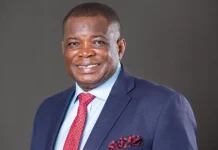


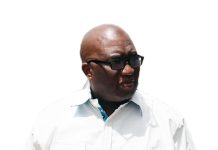






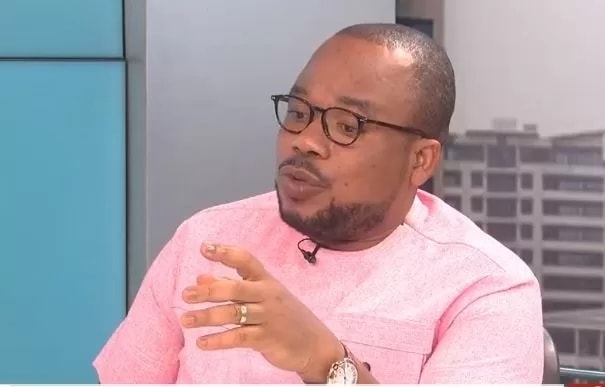
Ghana’s High Commissioner to South Africa, Benjamin Quarshie, has cautioned against an aggressive stance in the ongoing standoff between the Ghanaian government and South African media giant Multichoice, warning that such tensions ” doesn’t speak well for the country.”
Speaking in an exclusive interview with JoyNews, the diplomat urged calm and diplomacy in the wake of threats by Ghana’s Communications Minister, Sam George, to shut down DSTV operations if the company fails to cut subscription fees within a government-imposed 14-day deadline.
“It doesn’t speak well when it comes to our relations,” Quarshie said, referring to the escalating rhetoric. “South Africa is one of our biggest trading partners—possibly the second biggest—and we must tread cautiously. There are agreements we’ve signed, and we need to ensure these disputes don’t undermine the broader bilateral agenda.”
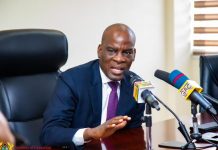
The standoff began after Minister George accused Multichoice of exploiting Ghanaian consumers through what he described as unreasonably high subscription fees compared to other countries in the region.
The minister demanded an immediate price review, warning that failure to comply would result in a regulatory clampdown, including the possible shutdown of Multichoice’s operations.
While Multichoice initially signaled a willingness to engage, the company later clarified that it could not meet the government’s timeline—fueling public backlash and sparking concerns over the diplomatic and trade fallout between the two nations.
Quarshie, who is Ghana’s top envoy in Pretoria, revealed that he had already begun receiving calls over the matter from concerned parties in South Africa.
“I have told them that there is no war,” he said. “We are not fighting. But we must be mindful—South Africa is a large economy, and there’s a lot we can learn from them. In all our actions, we must remember the bigger picture: trade, diplomacy, and Africa’s economic integration.”
Citing the Africa Continental Free Trade Agreement (AfCFTA), the High Commissioner said conflicts like this could create dangerous precedents if not handled maturely. “We want to see Africa trade among itself. South Africa is a shining example of that ambition. We must not jeopardize that vision over a single dispute,” he added.
Communications Minister Not Acting in a Vacuum
Responding to suggestions that the Communications Ministry should soften its stance, Quarshie defended the minister’s actions but called for engagement over ultimatums.
“The Communications Minister is not operating in a vacuum,” he said. “He’s raising valid concerns about pricing policies in the subregion, where Ghanaians appear to be paying more for less. But Multichoice has also indicated operational costs they are incurring, which need to be factored in.”
He recalled that a similar confrontation with MTN—a South African-rooted telecom giant—was resolved amicably and expressed confidence that a similar outcome was possible in the current impasse.
“I can tell you confidently that South Africa does not want a trade war with Ghana. They want this resolved,” he said. “We will go to the minister and passionately appeal to him—this is the Africa we want, an Africa that resolves its issues through trade and diplomacy, not threats.”
A Diplomatic Tightrope
High Commissioner Quarshie also revealed that Ghanaian diplomats had recently undergone orientation based on a new diplomatic KPI structure aimed at boosting investment and trade. He acknowledged that the Multichoice dispute complicates these efforts.
“It becomes a bit challenging,” he admitted. “But I believe that President John Dramani Mahama’s administration is committed to resolving this, and in the days and weeks to come, we will see that.”
Ghana|Atinkaonline.com|Ebenezer Madugu