



























, called for ur)
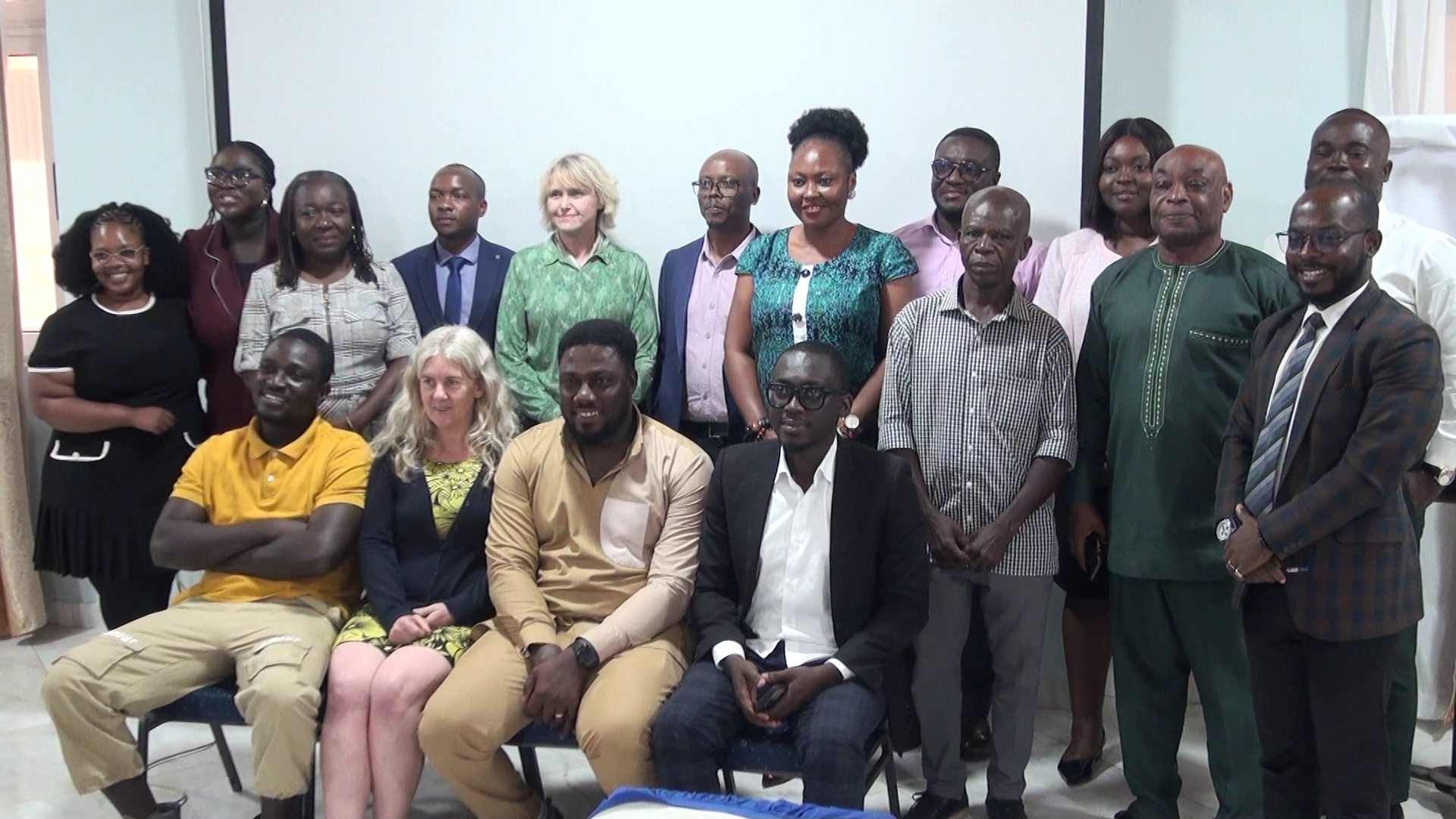
At the special anniversary event marking SCEF@15 and the 2REST project, Paul Semeh, CEO of the Street Children Empowerment Foundation (SCEF), called for urgent, coordinated action to support street-connected children in Ghana.
The event, themed “Turning Research into Action: Advancing the Rights and Welfare of Street Children and Youth in Ghana,” brought together experts, policymakers, and stakeholders to highlight new research findings and policy recommendations.
Mr. Paul Semeh emphasized that helping street-connected children requires more than charity — it needs data-driven advocacy, strategic partnerships, and strong institutional support.
“We believe that addressing the complex challenges of street children must be rooted in evidence,” Mr. Semeh said. “The research reaffirms that these young people are resilient, but they need support systems to thrive — not just survive.”

The research reanalyzed data from the Growing Up on the Streets project, which originally studied the lives of young people in Ghana, Zimbabwe, and the DRC.
Using a multi-systemic resilience framework, the updated study sheds light on how youth navigate life on the streets and the systems that fail or support them.
Professor of Human Geography at the University of Dundee in Scotland, Dr. Lorraine Van Blerk, noted that the findings show the importance of moving beyond individual resilience to focus on institutional and community support.
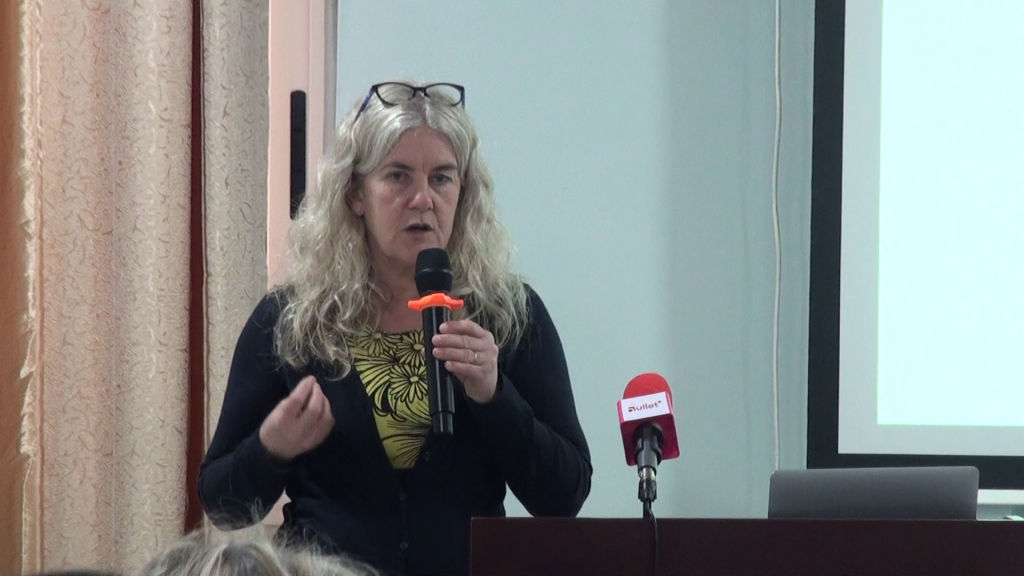
“Young people want to succeed, but they cannot do it alone. They need society and systems to walk with them,” she said.
Four key policy briefs were launched, focusing on violence, health, basic needs, and livelihoods.
Paul Semeh raised concerns, especially regarding violence faced by young girls, where access to justice is often blocked by financial and institutional barriers.
“Victims are asked to pay 250 to 800 cedis just to get medical attention. This makes justice inaccessible and allows violence to continue unchecked,” he stated.
He called for a national culture of zero tolerance for violence and stronger integration of the policy recommendations into Ghana’s National Strategic Plan. He also urged government and stakeholders to act immediately to turn findings into real, lasting change.
Highlighting the strength and potential of street-connected youth, Paul Semeh pointed to the success stories of Ghanaian musicians, footballers, and entrepreneurs who once lived on the streets.
The event was both a celebration of progress and a serious call to action. Stakeholders hope the findings will influence policies and programs that truly protect and empower street-connected children across Ghana and beyond.
Ghana|Atinkaonline.com|Desmond Dela Abbey