

















Teacher Trainees Announce Nationwide Demonstration Over Recruitment Backlog

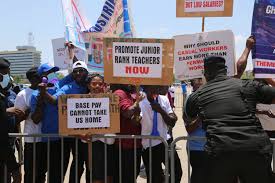
The Teacher Trainees’ Association of Ghana has announced plans to stage a nationwide demonstration in protest against limited teacher recruitment slots, which it says have failed to address a growing backlog of trained educators.

In a statement issued by its National Secretariat on April 23, 2026, the association said the protest will involve teacher trainees and trained teachers from the 2022–2024 cohort who remain unemployed.

According to TTAG, the decision follows extensive consultations with its members and reflects mounting frustration over what it described as an urgent need for a more responsive and inclusive teacher recruitment system.

Nationwide Action Planned

The association has scheduled the demonstration for Friday, April 24, 2026, to be held across Colleges of Education nationwide, with a central convergence planned in Accra.

It noted that all 49 Colleges of Education in Ghana are expected to participate in the exercise.

TTAG indicated that it has coordinated with relevant authorities to ensure that the protest is conducted in a peaceful and orderly manner.

Concerns Over Growing Backlog

The association argues that the number of recruitment opportunities announced by education authorities does not correspond with the increasing number of trained teachers awaiting employment.

It warned that the situation, if not addressed, could undermine confidence in the teacher training system and worsen unemployment among graduates.

Call for Urgent Reforms

TTAG is urging stakeholders in the education sector to adopt more inclusive and responsive recruitment policies to absorb trained teachers into the workforce.

The statement, jointly signed by Victor Atsu Anyidoho and Nanija Divine, emphasized the association’s commitment to advocating for the welfare of teacher trainees and improving conditions within the profession.

The planned demonstration is expected to draw attention to longstanding concerns about teacher employment and could intensify pressure on authorities to address the backlog.
Dept. Minority Chief Whip Accuses Government of Intimidation and Rights Abuse

0

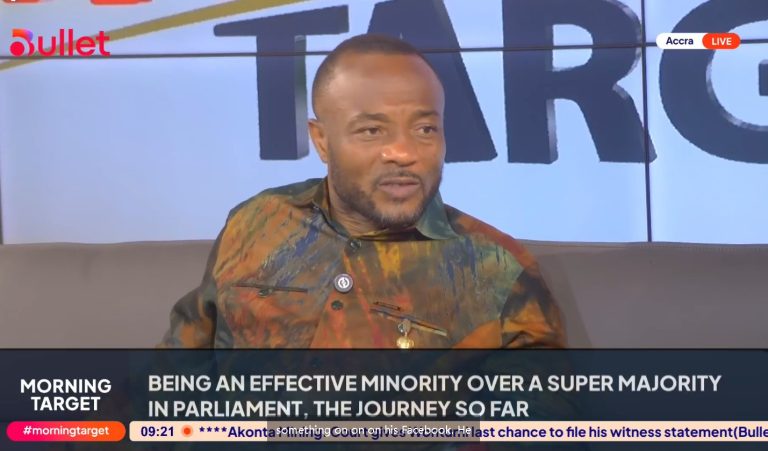
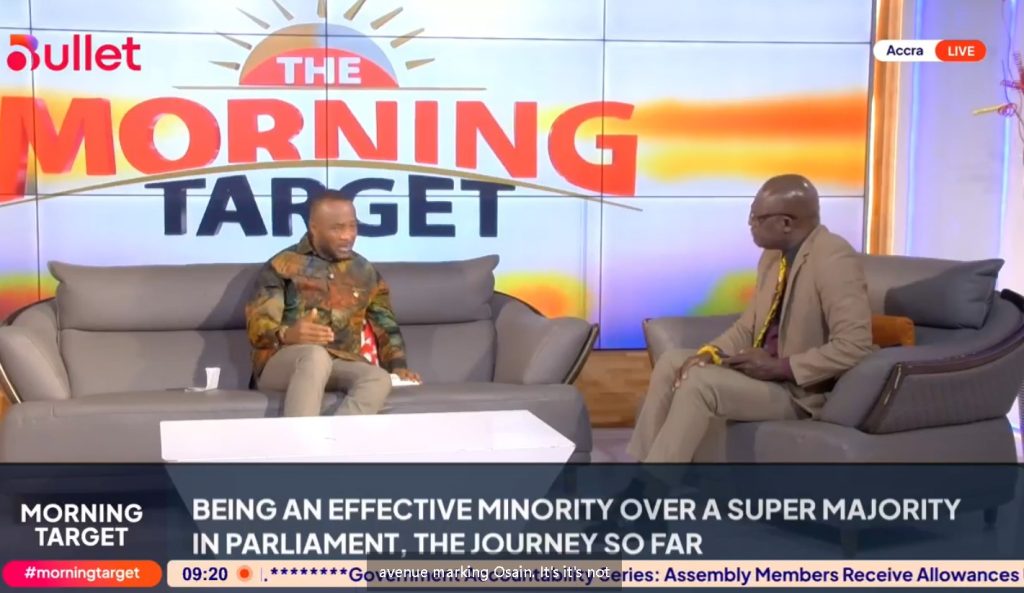
The Second Deputy Minority Chief Whip, Hon. Jerry Ahmed Shaib, has accused the government of using state institutions to intimidate critics and silence opposition voices.

Speaking on Bullet TV’s Morning Target show hosted by Bright Amfo, Mr. Ahmed said members of the opposition and some citizens are often invited for questioning shortly after making public comments or statements in Parliament.

According to him, such invitations sometimes come under unclear circumstances, making it difficult for those involved to properly respond. He claimed that this trend discourages accountability and limits free expression.

Mr. Ahmed also alleged that several individuals, including political activists and commentators, have been picked up by security agencies over their views. He cited instances where some were invited late at night and questioned without immediate access to legal support.

Minority Chief Whip Accuses Government of Intimidation and Rights Abuse

While acknowledging that freedom of speech is not absolute, he stressed that laws must be applied fairly and with respect for fundamental human rights. He argued that issues such as defamation should be handled through civil processes rather than arrests or intimidation.

The deputy Chief Whip further questioned the government’s commitment to protecting democratic values, urging leaders to allow criticism and uphold the rule of law.

He also expressed disappointment in what he described as a lack of action on key national issues, including illegal mining, despite earlier promises by government officials.

Mr. Ahmed called for a more transparent and accountable system where citizens and public officials can express their views without fear of harassment.

Ghana|Atinkaonline.com|Ebenezer Madugu

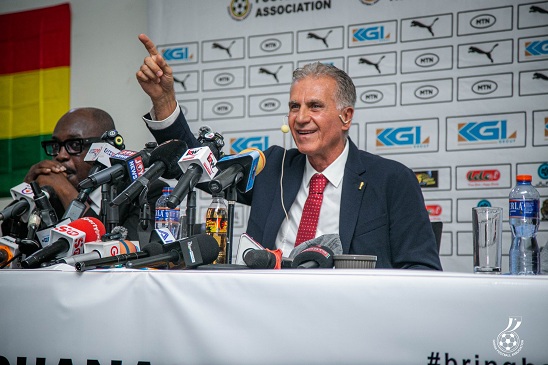
“I’m Here to Win” – Carlos Queiroz Sets Bold Vision for Black Stars

New Ghana national football team head coach Carlos Queiroz has declared his ambition to transform the team as preparations begin for the 2026 FIFA World Cup.

Speaking after taking charge, the experienced Portuguese tactician described the role as the toughest of his career, underlining the scale of the task ahead.

“This is the biggest challenge of my career,” Queiroz stated.

He also expressed confidence in adapting to Ghana’s football culture, emphasizing a results-driven mindset.

“I understand the Ghanaian language, which is ‘winning,’ and I’m here to win,” he added.

Queiroz is expected to lead Ghana through a crucial rebuilding phase as the Black Stars aim to make a strong impact on the global stage at the 2026 tournament.

EU Boosts ‘Feed Ghana’ Programme with 150,000 Poultry Birds to Cut Imports

0

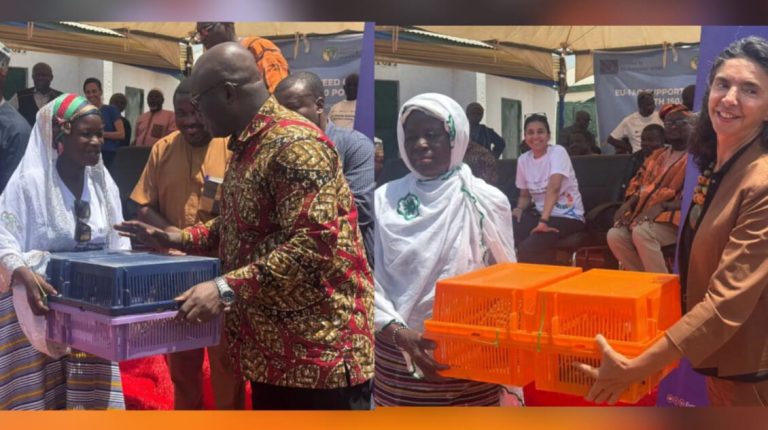
To boost the government’s flagship Feed Ghana Program, the European Union (EU) has sent 150,000 fully vaccinated poultry birds. The Food and Agriculture Organisation (FAO) and the Ministry of Food and Agriculture (MoFA) are implementing an intervention, carried out through the EU-funded Food Security Response Project in Northern Ghana, to reduce the nation’s excessive reliance on imported chicken.

The program is expected to serve approximately 15,000 rural households and aid about 3,000 farmers in six districts in the Savannah, Upper East, and North East regions. Along with the birds, farmers are also provided with access to poultry, training, and necessary veterinary medications to produce.

Currently, Ghana imports between $300 million and $400 million worth of poultry each year. By 2029, the government hopes to achieve complete poultry production self-sufficiency under the Feed Ghana Programme.

According to Silvia Severi, Head of Cooperation at the EU Embassy in Ghana, the project demonstrates the EU’s dedication to bolstering the nation’s food and agriculture sectors.

“The EU remains committed. Whether it is through this project, our €132 million EU-Ghana Agriculture Programme, or our broader Team Europe initiatives, we are here to build resilience together,” she stated.

“Our aim is to make poultry more affordable to Ghanaians while providing sustainable income opportunities, especially for rural households,” he noted. “Empowering farmers to produce their own eggs and chicken promotes sustainability and builds resilience,” she said.

A Rare Gem: The Story of Blessing Asare

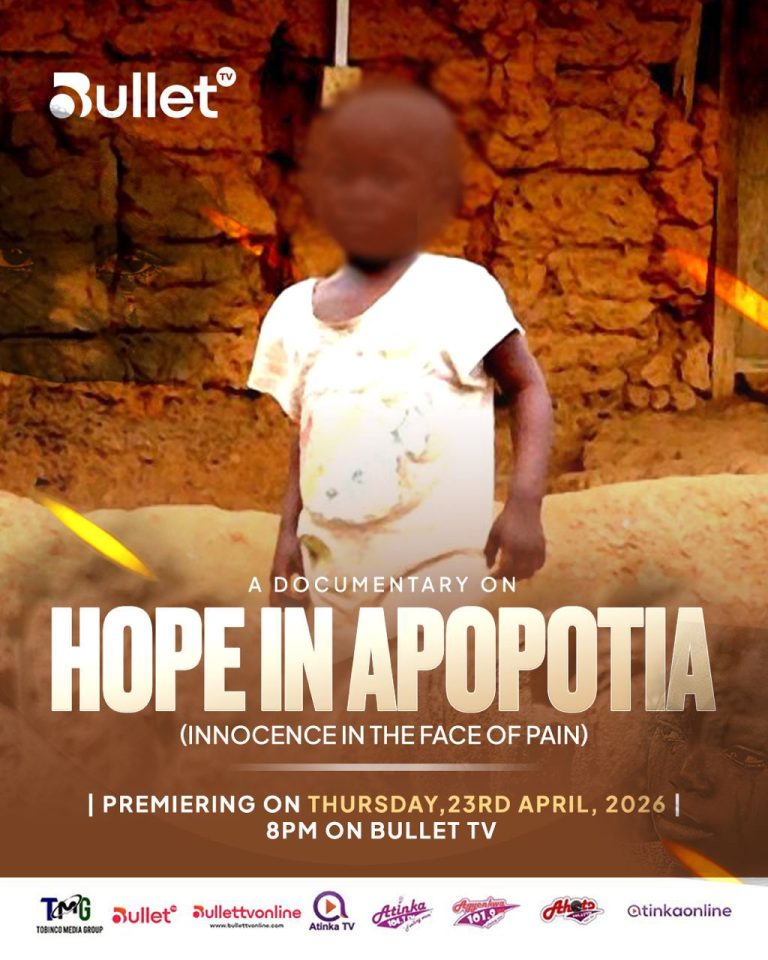
Apopotia, In a quiet, little-known village in Ghana’s Eastern Region, a young girl’s story is drawing attention for its mix of heartbreak and resilience.

Blessing Asare, described by her family as lively and full of laughter, was once like any other child in Apopotia.

Her father had dreams of seeing her grow into a nurse—someone who would one day care for others and save lives.

Those dreams were disrupted when Blessing fell seriously ill at the age of two.

What initially appeared to be a routine childhood sickness soon escalated into a life-threatening condition.

 After several medical consultations, doctors diagnosed her with Embryonal Rhabdomyosarcoma, a rare and aggressive form of cancer that affects soft tissue and is particularly uncommon in young children.

Since the diagnosis, life for Blessing and her family has changed drastically.

Her mother, Patience, says the journey has been devastating. She recalls her daughter as energetic and cheerful before the illness. Now, she watches as the intensive treatments, while necessary, take a visible toll on Blessing’s small body—leaving her weak and physically altered.

The emotional strain extends beyond the parents.

Blessing’s brother, Theophiles, struggles to cope with seeing his sister in pain. Family members say he often becomes overwhelmed with emotion, finding it difficult to express what he feels.

Inside their home, the atmosphere is marked by anxiety and exhaustion. Patience admits that sleepless nights have become routine, as worry over her daughter’s condition weighs heavily on her.

Despite the challenges, the family says there are still moments of connection and strength—particularly in the quiet conversations between mother and daughter. Patience recounts instances where Blessing, despite her condition, speaks with a level of calm and courage that is difficult to comprehend for a child her age.

For now, hope remains fragile but present.

In Apopotia, Blessing’s story is a reminder of the realities many families face when dealing with rare childhood illnesses—limited awareness, emotional strain, and the uncertainty of treatment outcomes.

Yet, even in her weakest moments, those closest to her say Blessing continues to embody her name.

A blessing.

Ghana|Atinkaonline.com|Sandra Nana Adwoa Annan

“I Am a Beneficiary of the COCOBOD Scholarship, So I Know the Role Cocoa Farmers Have Played in Running This Economy” — Jerry Ahmed

Source: Mavis Fantevi

The Second Deputy Minority Chief Whip and Member of Parliament for Weija-Gbawe, has raised alarm over the deteriorating conditions of cocoa farmers, urging government to honour its commitments and provide urgent relief to the sector.

“I am a beneficiary of the COCOBOD scholarship, so I know the role cocoa farmers have played in running this economy,” he said, as he underscored the importance of the cocoa sector to Ghana’s development.

Speaking in an interview on Bullet Tv with Bright Nana Amfoh on Thursday April 23rd,2026, the MP stressed that cocoa farmers have historically been the backbone of the economy, contributing significantly to national revenue and social development.

He argued that their sacrifices should not be overlooked, especially at a time when many are facing severe financial distress.

“Your word is your weapon. You gave the people your word, so no matter what, irrespective of the situation, you must honour it,” he stated, in reference to promises made by President John Dramani Mahama to improve conditions for cocoa farmers.

According to him, expectations were high among farmers who believed the government would deliver a producer price of GH₵6,000. However, he noted that the failure to meet this expectation has worsened hardship in cocoa-growing communities.

Ahmed cited findings from a recent visit by Frank Annoh-Dompreh and his team, describing the situation on the ground as deeply troubling.

“The kind of revelations were terrifying. Cocoa farmers are losing their lives, losing their families. Their children cannot go to school, and they cannot pay medical bills,” he said.

He added that some farmers, overwhelmed by economic pressure, are resorting to selling their lands for illegal mining activities, commonly known as galamsey.

“They were even promised boreholes and water hoses to support irrigation on their farms, yet today they are suffering,” he noted.

Referencing past trends, Ahmed observed that cocoa prices had already declined significantly during the tenure of former President Nana Akufo-Addo, but farmers remained hopeful that conditions would improve under the current administration.

He questioned why cocoa farmers are being “punished” despite assurances to restore hope in the sector.

Ahmed called on government, particularly the Ghana Cocoa Board, to take swift and decisive action to support farmers, warning that continued neglect could deepen poverty and accelerate the shift toward illegal mining in cocoa-growing areas.

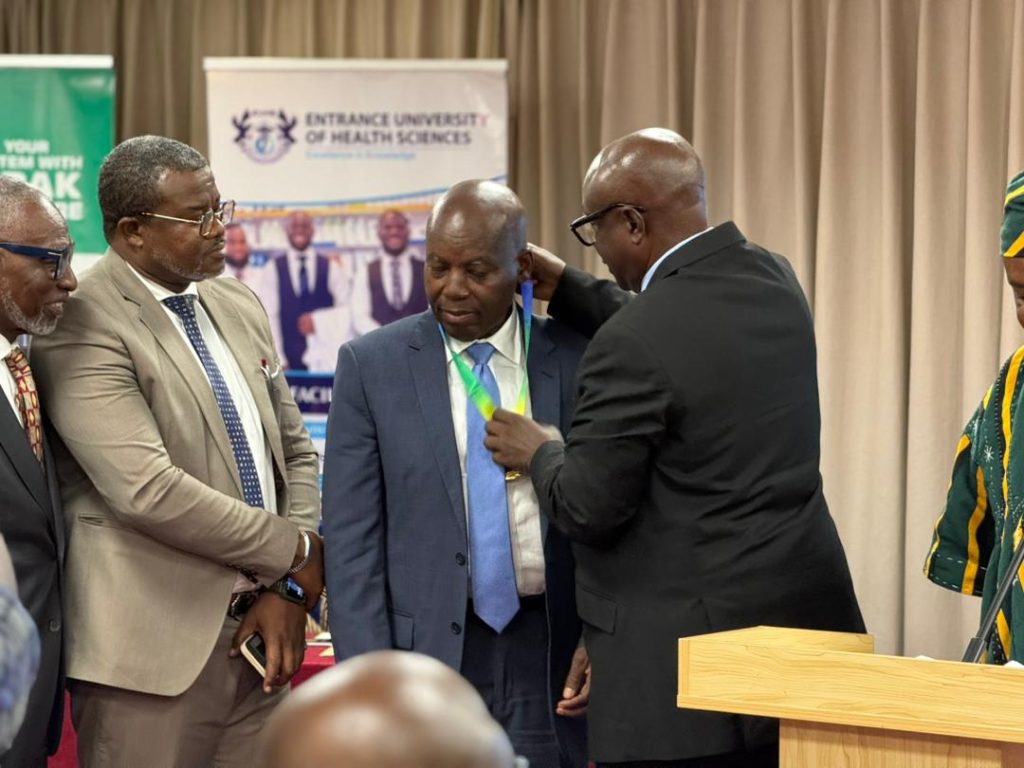
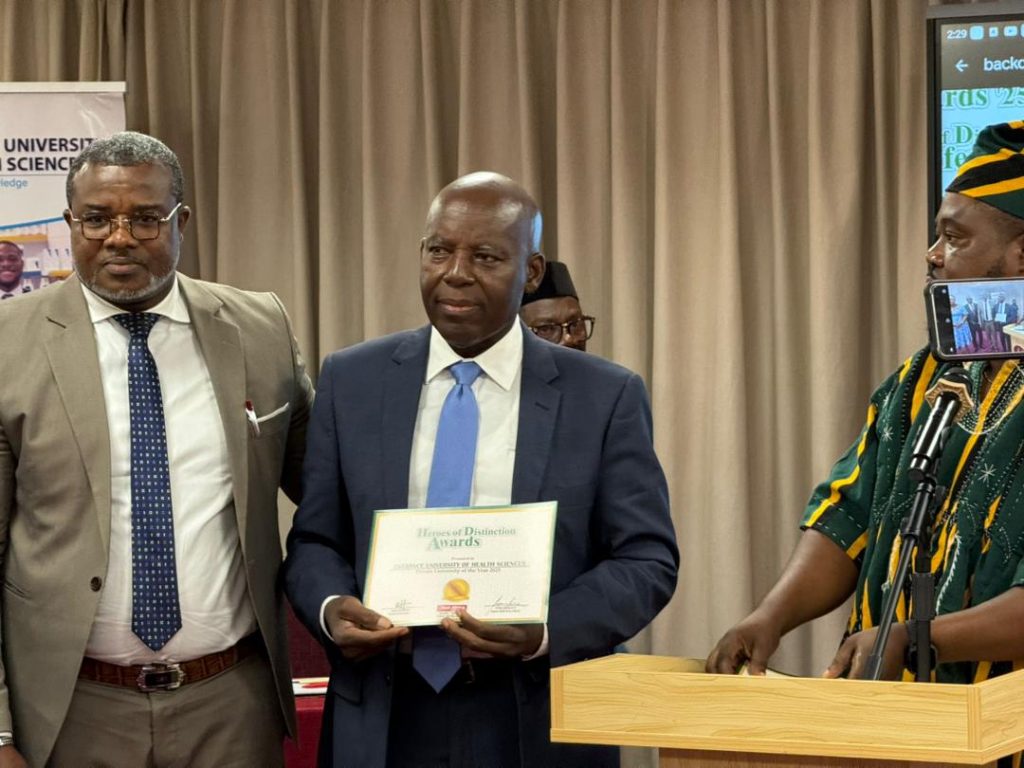
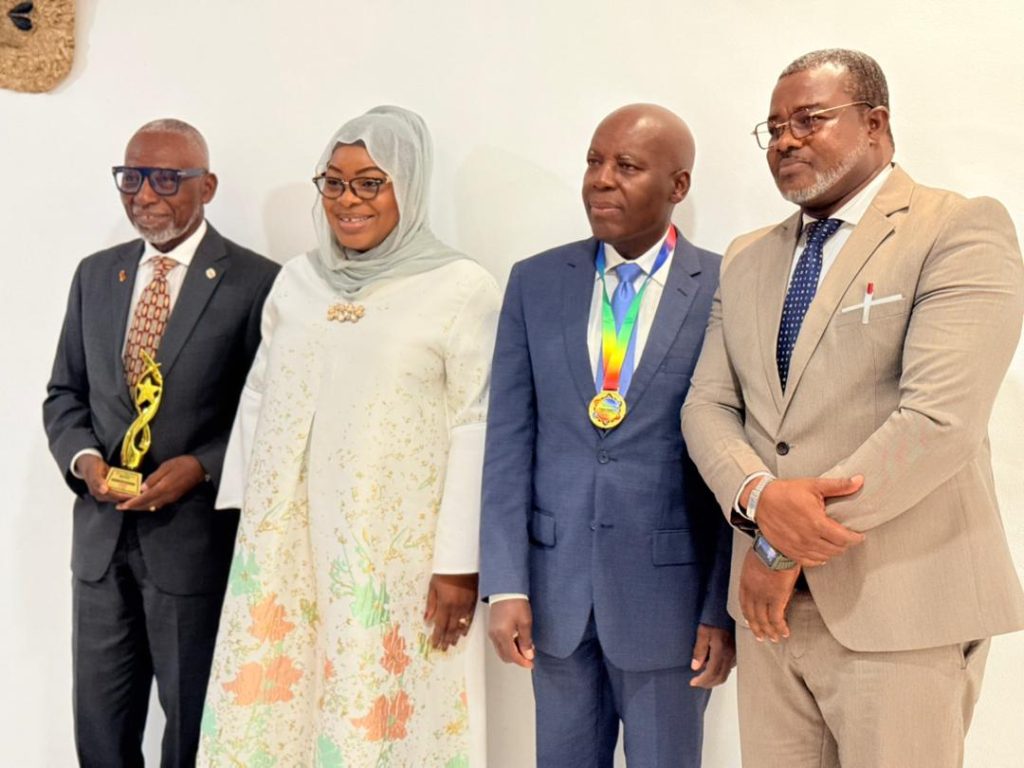
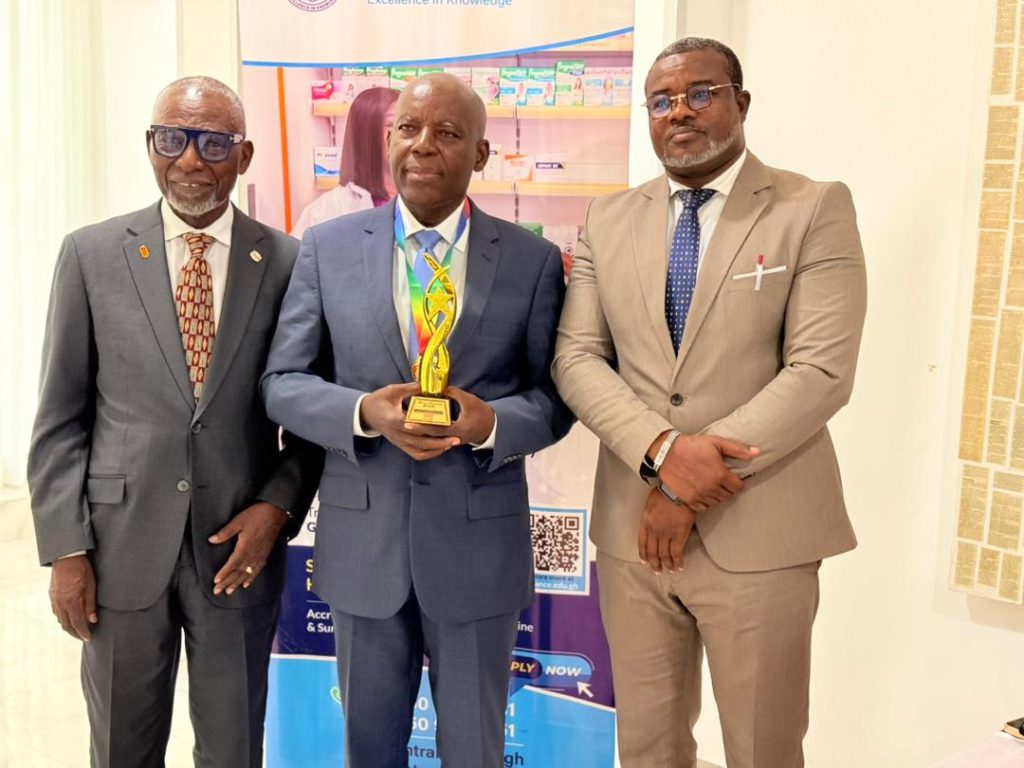
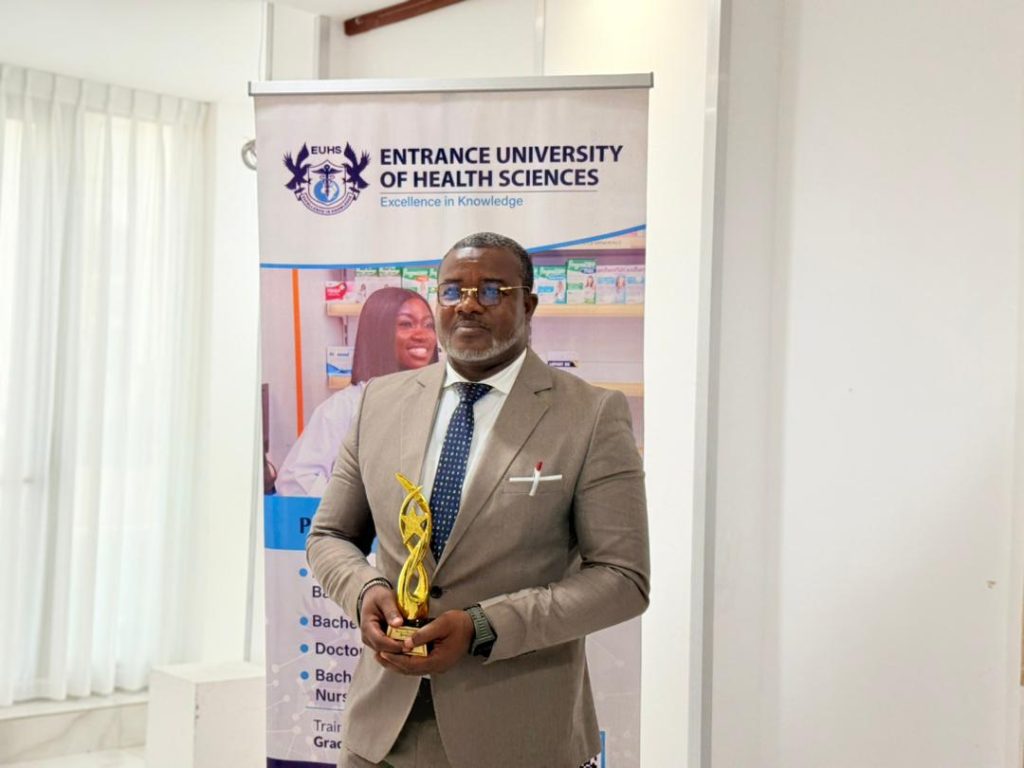
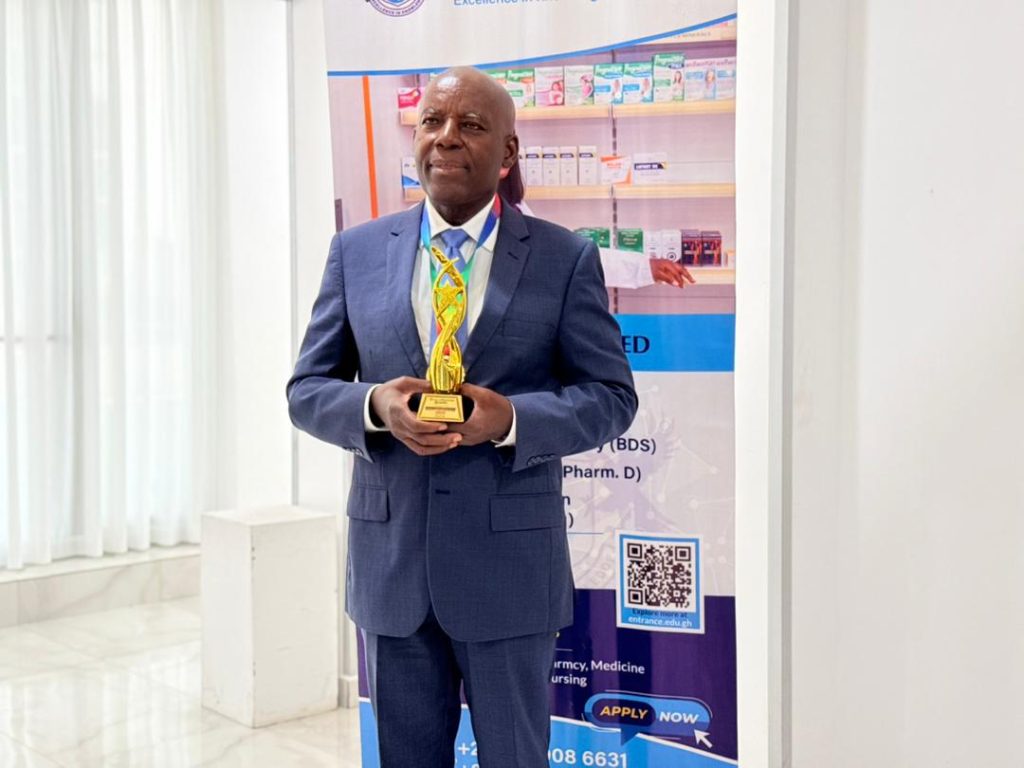
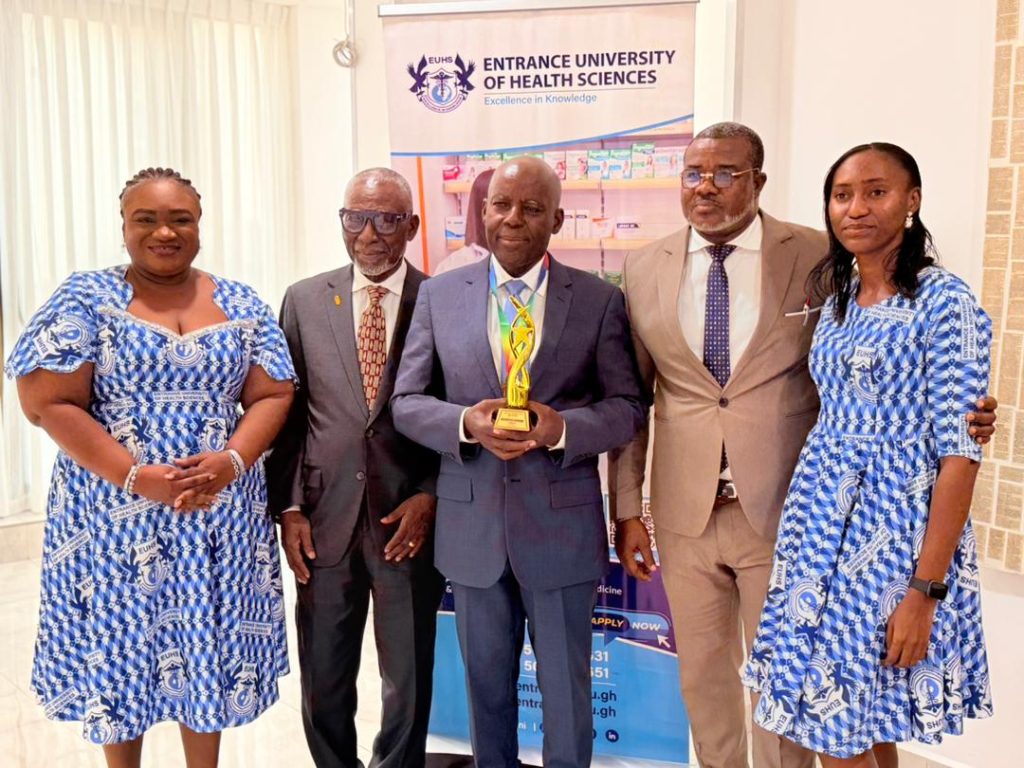
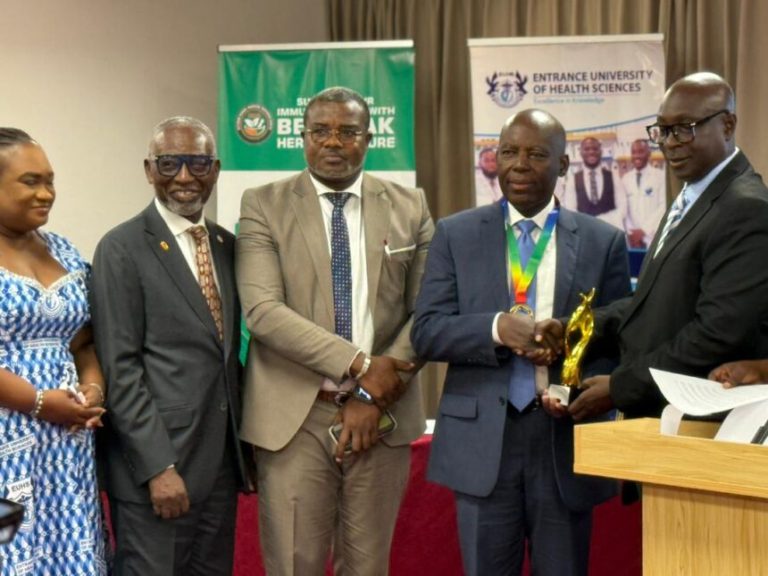
Entrance University Wins Best Private University Award

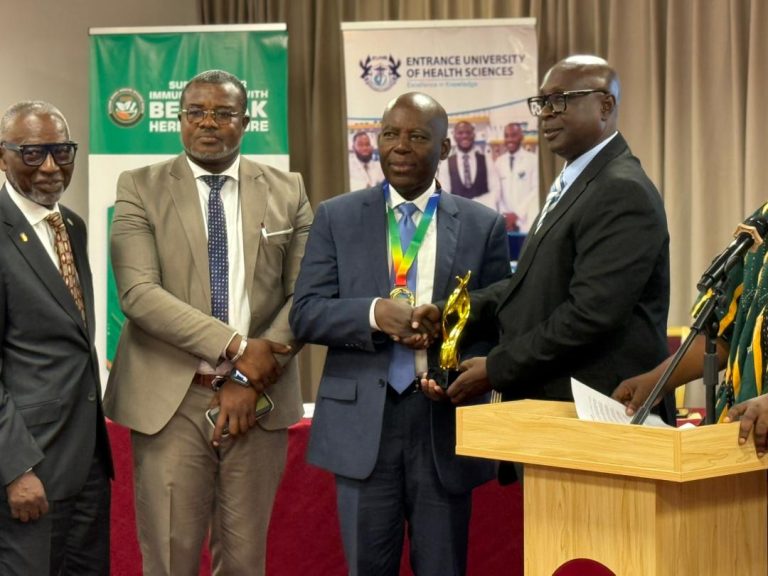
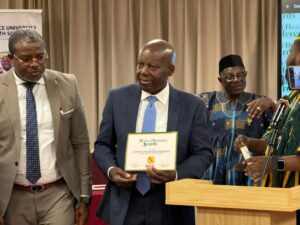
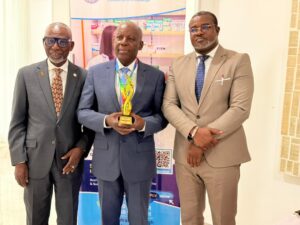
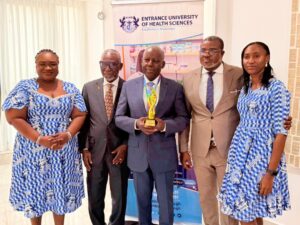
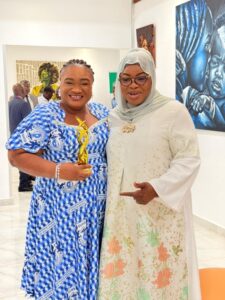
Entrance University of Health Sciences (EUHS) has been named Best Private University 2025 in Ghana.

The award was presented at the 15th edition of the West Africa International Magazine’s Heroes of Distinction Conference and Awards held at Accra City Hotel on Tuesday.

The citation described EUHS as a leading private institution focused on training future healthcare professionals through innovation, excellence, and integrity.

EUHS was established in 2018 as Entrance University College of Health Sciences, under the Tobinco Group of Companies. In 2024, it gained full university status after receiving a Presidential Charter from former President Nana Addo Dankwa Akufo-Addo, allowing it to operate independently.

The university started with the School of Pharmacy and became the first private university in West Africa to offer the Doctor of Pharmacy (Pharm.D) programme. Students receive practical training at the Entrance Pharmaceutical and Research Centre and take part in clinical rotations.

The school recently recorded a 97 percent pass rate in the Pharmacy Council Licensure Examination by its first Pharm.D class.

To expand its programmes, EUHS established a School of Nursing in 2024 after receiving accreditation from the Nursing and Midwifery Council. It also gained approval from the Ghana Tertiary Education Commission and the Medical and Dental Council to run Medicine (MB ChB) and Dentistry (BDS) programmes.

The university is the first private institution in Ghana to introduce both Medicine and Dentistry programmes at the same time. It has also set up a University Dental Hospital to provide practical training for students while offering dental services to the public.

Officials say the award reflects the hard work of management, staff, and students, and shows the university’s growing impact in health education.

The ceremony was attended by the President of EUHS, Prof. Aaron Lante Lawson, Registrar Mr. Samuel Apeawin, and other senior officials.

Ghana|Atinkaonline.com

Entrance University of Health Sciences Wins Best Private University 2025 Award

Barely two years after attaining its Presidential Charter, Entrance University of Health Sciences (EUHS) has been named Best Private University 2025 in Ghana at the 15th edition of the West Africa International Magazine’s Heroes of Distinction Conference and Awards, held at on Tuesday 22nd April 2026.

The award citation recognized EUHS as a premier private educational institution committed to training the next generation of healthcare professionals through innovation, excellence, and integrity.

Established in 2018 as Entrance University College of Health Sciences, a subsidiary of the Tobinco Group of Companies, the institution has experienced rapid growth and transformation.

In 2024, EUHS attained full university status after receiving a Presidential Charter from former President Nana Addo Dankwa Akufo-Addo, granting it autonomy to operate independently.

EUHS began its academic journey with the School of Pharmacy and made history as the first private university in the West African sub-region to offer the Doctor of Pharmacy (Pharm.D) programme.

Through hands-on training at the Entrance Pharmaceutical and Research Centre and structured clinical rotations, students are exposed to the full spectrum of pharmaceutical practice.

The university recently recorded a 97 percent pass rate in the Pharmacy Council Licensure Examination by its pioneering Pharm.D class, underscoring its commitment to academic excellence and professional readiness.

In line with its vision to become a leading health sciences university in Africa, EUHS has expanded its academic offerings to address the growing healthcare needs of the country and the region.

In 2024, the School of Nursing was established following full accreditation from the Nursing and Midwivery Council.

The university subsequently secured additional accreditations from the Ghana Tertiary Education Commission and the Medical and Dental Council to offer programmes in Medicine (MB ChB), Dentistry (BDS).

EUHS has also set a new benchmark in private tertiary education by becoming the first private university in Ghana to introduce both MB ChB and BDS programmes concurrently.

As part of its commitment to practical training, the institution has established a University Dental Hospital, providing students with clinical experience while delivering quality oral healthcare services to the public.

University officials have attributed the achievement to the collective efforts of leadership, faculty, staff, and students, describing the award as a testament to the institution’s growing impact in health sciences education in Ghana and beyond.

The ceremony was attended by the President of EUHS, Prof. Aaron Lante Lawson; the Registrar, Mr. Samuel Apeawin; the Dean of the School of Medicine and Dentistry, Prof. Nii Otu Nartey; the Dean of Students, Dr. Barima Afrane; and the Head of Public Relations, Miss Victoria Osei Prempeh.

TAGG Endorses Shippers Authority Directive to Cap Port Fees

Source: Mavis Fantevi

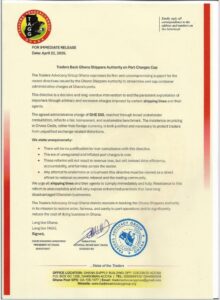
The Traders Advocacy Group Ghana (TAGG) have thrown its weight behind the Ghana Shippers Authority following its recent directive to cap container administrative charges at the country’s ports.

In a press release dated April 22, 2026, the Traders Advocacy Group Ghana (TAGG) described the move as a “decisive and long-overdue intervention” aimed at curbing what it called the persistent exploitation of importers through excessive and arbitrary fees imposed by some shipping lines and their agents.

The group endorsed the newly agreed administrative charge of GH¢550, noting that it was the outcome of broad stakeholder consultations and represents a fair, transparent, and sustainable benchmark for port operations.

TAGG also welcomed the directive requiring that charges be quoted in Ghana cedis instead of foreign currencies, arguing that the measure would shield traders from exchange rate fluctuations and related distortions.

The group stressed that there would be “no justification for non-compliance,” warning that any attempt to circumvent the directive would be considered a direct threat to national economic interests and the trading community.

According to the traders, the reforms are not expected to reduce revenue but rather enhance efficiency, accountability, and fairness within the sector. They insisted that the era of unregulated and inflated port charges must come to an end.

TAGG further urged all shipping lines and their agents to comply fully and immediately with the directive, cautioning that resistance would only expose entrenched practices that have long disadvantaged Ghanaian businesses.

Reaffirming its stance, the group pledged its continued support to the Ghana Shippers Authority in its efforts to restore order to port operations and reduce the cost of doing business in the country.

Carlos Queiroz Arrives in Ghana Ahead of Black Stars Unveiling

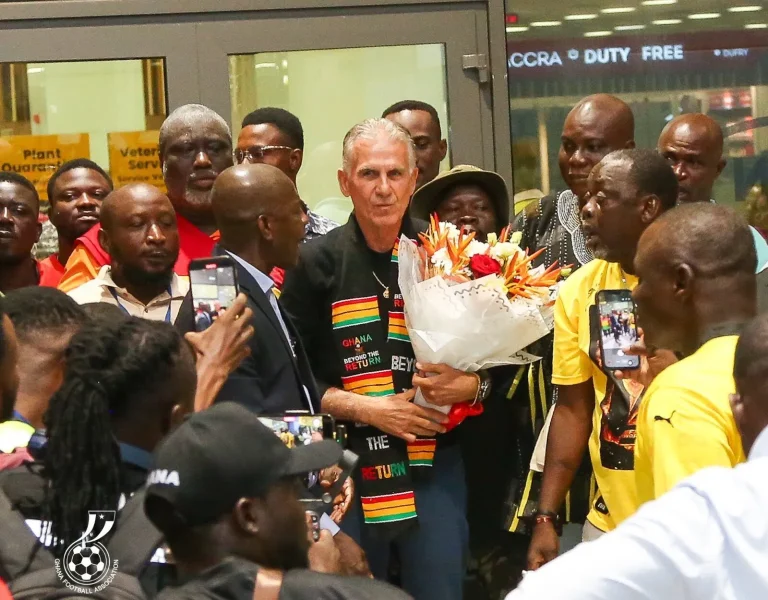
Prior to his formal announcement as the Black Stars’ new head coach, Portuguese strategist Carlos Queiroz has arrived in Ghana. After landing at Accra International Airport on Wednesday night, the seasoned coach is scheduled to stay at a hotel in Accra before speaking to the media on Thursday, April 23, at the Alisa Hotel.

Last week, Queiroz was appointed head coach of the senior national side by the Ghana Football Association’s Executive Council with the support of important stakeholders. Otto Addo had been fired following a series of poor performances.

The 73-year-old will now oversee Ghana’s preparations for the 2026 FIFA World Cup, which will take place in the US, Canada, and Mexico. They will face England, Croatia, and Panama in the difficult Group L.

Having guided Portugal to the 2010 World Cup knockout rounds and coached Iran in the 2018 and 2022 competitions, Queiroz has a wealth of tournament experience. He has vast expertise in high-pressure, big-stage settings, having worked with South Africa’s World Cup qualifiers and held senior positions at Real Madrid and Manchester United.

According to people close to the team, Queiroz is not under immediate pressure despite Ghana’s frequently brutal football culture since the GFA is concentrating on a methodical, realistic World Cup build-up. Convincing the team, local media, and supporters that his techniques can unleash the potential of a Black Stars generation that many believe is already on the rise will be his first significant challenge.

Queiroz is anticipated to discuss his ideology, backroom personnel, and preliminary preparations for forthcoming games and the 2026 tournament during the ceremonial unveiling, which is scheduled for today at the Alisa Hotel. His efforts in training, tactical planning, and team togetherness over the next two months will determine whether the Black Stars make the most of their World Cup comeback or have yet another brief stint on the international scene.