Court rejects AG’s attempt to label BNC payments as Adu-Boahene’s private transactions

0

An Accra High Court has rejected an attempt by the Attorney-General’s office to describe some payments linked to former National Signals Bureau (NSB) boss, Kwabena Adu-Boahene, as private transactions.

The decision came during a tense cross-examination at Criminal Court 3.

Defence lawyer Samuel Atta Akyea argued that the payments in question were for national security operations, not for personal use.

The Attorney-General’s key witness, Edith Ruby Opokua Adumuah, who is Head of Finance at the NSB, told the court that cash withdrawals seen in bank records were not for private use. She said they were made for official national security activities.

According to her, several senior officials, including Joshua Kyeremeh, Cletus Sogovi, Seth Danso, and Kofi Sarpong Dansu Otchere, made withdrawals from an account at Fidelity Bank over time. She confirmed these transactions as shown in documents presented in court.

There was also disagreement over a UMB Bank account. The defence called it the “BNC Operations Account,” but the prosecution disagreed. However, the court allowed the defence to present evidence on the account after proper explanation. The witness confirmed that two cheques – GH₵1 million and GH₵21 million- were paid into that account.

Another key issue was the use of WhatsApp messages as evidence. The defence presented messages between the witness and the accused to show that funds were requested and used for official work.

Although the prosecution objected, the judge allowed one message after the witness confirmed sending it. The message referred to money meant for official purposes, including fuel for a minister’s trips.

However, the court rejected other WhatsApp messages after the prosecution challenged their relevance.

Throughout the hearing, the witness said many of the withdrawals were for official use but admitted she could not remember all details.

The case has been adjourned to April 27, 28, and 29, 2026, for further hearing.

Source: Rainbowradioonline

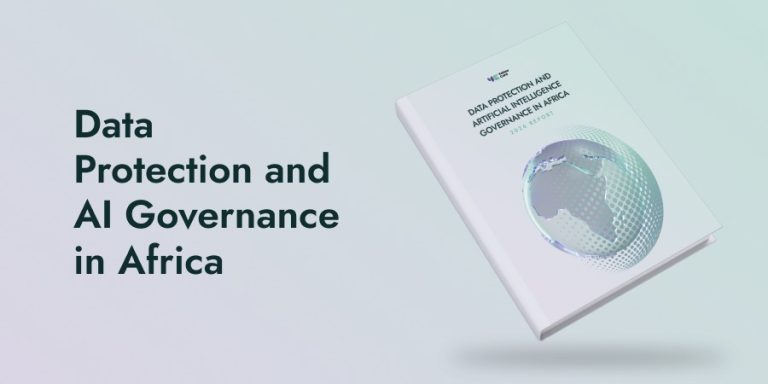
45 African Countries Have Enacted Data Protection Legislation, According to Yellow Card’s Recent Report

0

Yellow Card, the largest licensed stablecoin-based infrastructure provider for emerging markets, has released its 2026 Report on Data Protection and Artificial Intelligence Governance in Africa. The comprehensive report outlines the rapid maturation of regulatory frameworks across the continent and sets a compliance blueprint for institutional expansion across global emerging markets.

As Banks, Financial Institutions, Telcos, and Payment Service Providers (PSPs) increasingly adopt stablecoins as foundational infrastructure for treasury management and cross-border payments, regulatory defensibility has become paramount. The new report highlights a pivotal transition in the digital economy: the shift from foundational data protection legislation to active, enforceable AI governance.

“For enterprises operating across emerging markets, the ability to innovate and modernize payment rails is deeply tied to their capacity to navigate complex, cross-border regulatory landscapes,” said Thelma Okorie, Group Data Protection and Privacy Counsel at Yellow Card and author of the report.

The 2026 report reveals that the convergence of data protection and AI governance is no longer a future concept, it is the current operational reality. Institutions must proactively embed privacy-by-design and ethical AI into their infrastructure to future-proof their ecosystems, mitigate risks, and maintain the trust required to scale.

Key Insights for the Institutional Financial Sector:

  • Widespread Legislative Maturity: 45 African nations have now enacted data protection legislation, with 39 regulatory authorities fully operational, signaling a high-compliance baseline for digital operations in these markets.

  • The Rise of AI Governance: 16 countries have adopted national AI strategies, with major economies like Nigeria, Angola, Morocco, and Namibia actively advancing enforceable AI laws. This transition from “soft-law” policies to stringent regulations will heavily impact financial services deploying AI for KYC, transaction monitoring, and risk profiling.

  • Heightened Enforcement & Accountability: 2026 marks an era of rigorous enforcement. Regulators are increasingly mandating Data Protection Impact Assessments (DPIAs) and Algorithmic Impact Assessments (AIAs), elevating the cost of non-compliance and making institutional-grade governance non-negotiable.

The Financial Sector in Focus: With cross-border data flows expanding, financial institutions using stablecoins to unlock trapped liquidity and reduce T+2 settlement times must ensure their underlying payment orchestrators maintain uncompromising data and security standards.

Navigating this fragmented regulatory landscape requires more than legal foresight; it demands resilient digital infrastructure. As AI and data regulation redefines what compliant market entry looks like, Yellow Card provides the fastest, and compliant, path to market.The company’s API suite, and Treasury Portal deliver the licensed fiat and stablecoin rails businesses need to operate globally.

 Instead of navigating compliance across 45 different nations,  clients plug directly into the ecosystem to execute instant settlements across 30+ blockchains, manage global fiat accounts, and deploy custom stablecoins securely across emerging markets.

“Stablecoins are powerful tools for business efficiency, treasury management, and mitigating FX volatility risk,” added Okorie. “However, the infrastructure powering them must operate in lockstep with the strictest data protection and AI governance frameworks. Yellow Card is proud to lead this charge, proving that world-class compliance and cutting-edge financial innovation are mutually reinforcing.”

To read the full 2026 Report on Data Protection and Artificial Intelligence Governance in Africa, please visit: https://yellowcard.io/report

Ghana’s Deputy Health Minister Appointed to AU Committee on Global Health Reform

Source: Ebenezer De-Gaulle

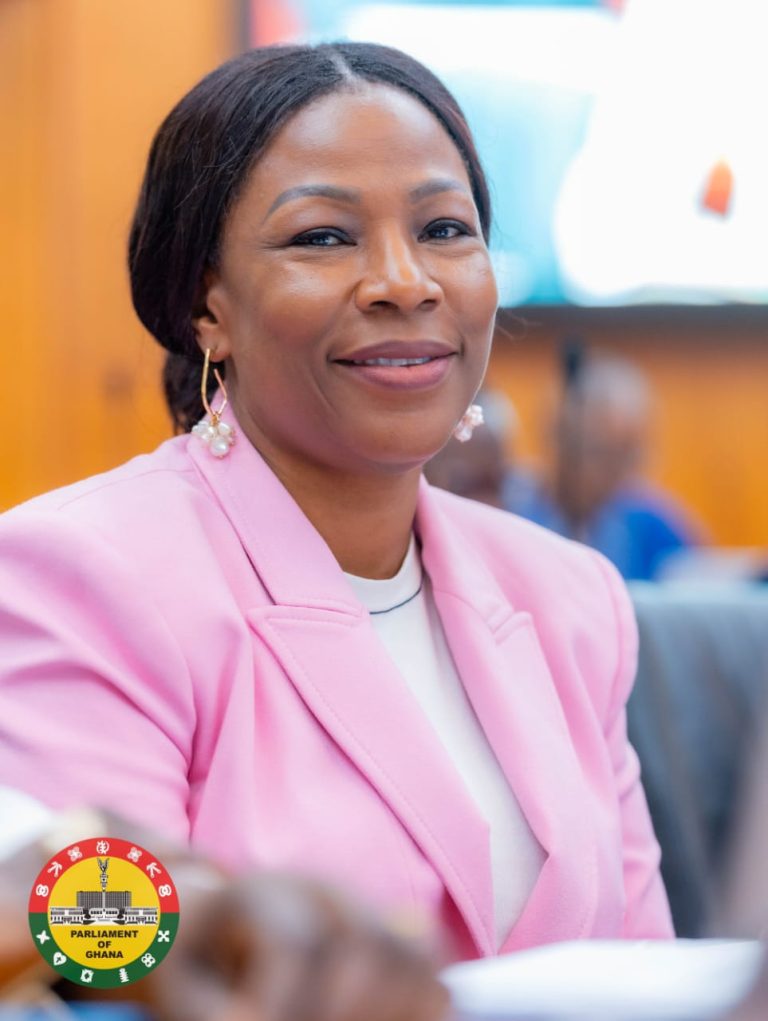
Ghana’s Deputy Minister of Health, Grace Ayensu-Danquah, has been appointed to serve as a Secretariat Member of a key African Union body tasked with reshaping global health governance.

Her appointment to the African High-Level Ministerial Committee (AHLMC) was confirmed in a letter dated April 13, 2026, signed by Jean Kaseya, Director-General of the Africa Centres for Disease Control and Prevention. The decision follows approval by the African Union Assembly during its 39th Ordinary Session in February.

The AHLMC is a flagship AU initiative aimed at strengthening Africa’s influence in global health decision-making and advocating reforms to create a more equitable and effective international health system.

Dr Ayensu-Danquah, who is also the Member of Parliament for Essikado-Ketan on the ticket of the National Democratic Congress, will contribute to shaping policies on health governance, financing, equity in access to care, and resilient health systems.

Strengthening Africa’s Voice in Global Health

Under the AHLMC framework, the Secretariat—led by the Africa CDC and supported by member states such as Ghana and South Africa—provides strategic, technical, and operational support to drive reforms across the continent.

The committee’s work includes high-level policy engagement, stakeholder coordination, and analytical support to advance Africa’s collective position in global health governance.

Dr Ayensu-Danquah’s appointment is expected to bolster Ghana’s role in these efforts, positioning the country as an active contributor to continental health policy reforms.

Alignment with Ghana’s Health Agenda

The development also aligns with the broader health agenda of President John Dramani Mahama, which emphasises health system strengthening, preventive care, and regional collaboration.

Recent initiatives under the administration include efforts to expand primary healthcare access, improve public health financing, and restore confidence in the National Health Insurance Scheme. The government has also introduced programmes such as the Free Primary Healthcare policy and the Ghana Medical Health Trust to support long-term healthcare delivery and infrastructure development.

Extensive Medical and Policy Experience

A board-certified general surgeon and public health policy expert, Dr Ayensu-Danquah brings significant experience to the role. She has held leadership positions in Ghana’s health sector and contributed to initiatives aimed at improving access to care and aligning national policies with regional frameworks.

Dr Kaseya noted that her expertise would “greatly enrich the work of the AHLMC Secretariat” and support meaningful reforms in global health systems.

Dr Ayensu-Danquah holds medical degrees from the University of Wisconsin–Madison and the University of Southern California, as well as a Master of Public Health from Johns Hopkins University. She also serves as an Adjunct Professor of Surgery at the University of Utah.

Beyond her public service, she leads the Healing Hands Organisation, a non-governmental initiative that provides free medical care and supports rural health facilities in Ghana.

Her appointment underscores growing efforts by African leaders to strengthen the continent’s influence in global health systems and ensure more equitable access to healthcare resources worldwide.

Civil Society Critical to West Africa’s Security Integration – CISA CEO Tells Dakar Forum

0

Source: Ebenezer De-Gaulle

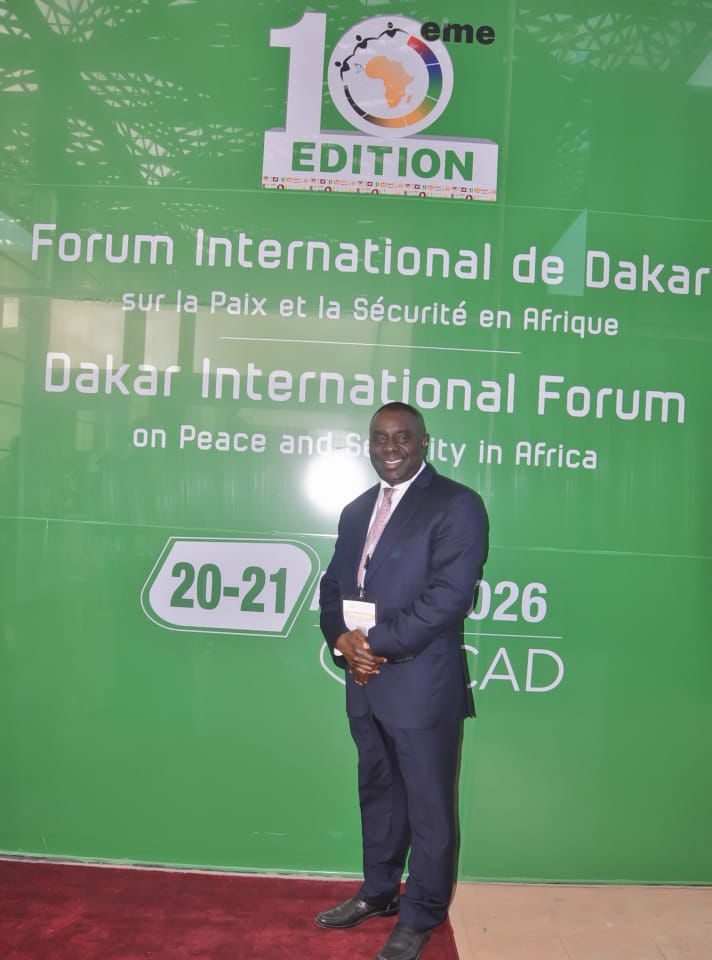
Civil society organisations and non-state actors must play a central role in addressing West Africa’s growing security challenges, according to Rasheed Seidu Inusah, Chief Executive Officer of the Centre for Intelligence and Security Analysis.

Speaking at the 10th edition of the Dakar International Forum on Peace and Security in Africa in Dakar, Ambassador Inusah called for stronger regional cooperation and more inclusive strategies to counter evolving threats across the subregion.

He warned that terrorism and instability can no longer be tackled solely through military interventions led by states, advocating instead for a broader, integrated approach that incorporates communities and grassroots actors.

“Civil society and non-state actors are neither substitutes for state authority nor marginal participants in security governance,” he said. “They represent a strategic layer within a broader, integrated security framework.”

Growing Threats Across the Region

Ambassador Inusah highlighted the continued southward spread of extremist activity from the Sahel into coastal countries such as Ghana, Togo, Benin, and Côte d’Ivoire.

He pointed to armed groups linked to Jama’at Nusrat al-Islam wal-Muslimin and Islamic State Sahel Province, noting that they are exploiting porous borders and weak governance structures to expand their reach.

Key hotspots such as the Liptako-Gourma region and the Lake Chad Basin remain particularly vulnerable, with increasing risks of spillover into coastal states.

He also cited shifting geopolitical dynamics, including the emergence of the Alliance of Sahel States and evolving relations within the Economic Community of West African States, as complicating regional security coordination.

Civil Society as a Frontline Actor

Against this backdrop, Ambassador Inusah stressed that civil society groups—ranging from religious leaders and traditional authorities to youth and women’s organisations—are often the most trusted actors within local communities.

“These groups contribute to early warning systems, mediate conflicts, and help counter radicalisation,” he said, adding that terrorist expansion often thrives where governance gaps and social grievances intersect.

He warned that overreliance on military responses could deepen mistrust between citizens and the state, while inclusive approaches can strengthen resilience and build confidence in public institutions.

Toward an Integrated Security Framework

Ambassador Inusah called for civil society to be fully integrated into a wider security ecosystem that includes governments, the private sector, humanitarian organisations, and research institutions.

He pointed to initiatives such as the Accra Initiative as examples of emerging models that combine military coordination with community engagement.

However, he cautioned that the growing role of non-state actors must be supported by strong governance frameworks to ensure accountability, protect human rights, and maintain state authority.

Call for Action

The CISA Ghana CEO urged policymakers to institutionalise civil society participation in early warning and conflict prevention systems, strengthen collaboration across sectors, and invest in vulnerable border communities.

He also emphasised the need to protect civic space and embed inclusive approaches within frameworks of regional bodies such as ECOWAS and the African Union.

A Shift in Security Thinking

As the Dakar Forum marked its 10th anniversary, discussions reflected a broader shift in Africa’s approach to security—from predominantly military responses to more comprehensive strategies that prioritise both state capacity and societal resilience.

“An effective response to contemporary security challenges must be comprehensive,” Ambassador Inusah said. “It should combine capable state institutions, strong regional cooperation, and inclusive approaches that reinforce trust between governments and the communities they serve.”

He concluded that long-term stability in West Africa will ultimately depend not only on military strength, but on the level of trust between states and their citizens—an area where civil society plays a decisive role.


Ghana Approves Visa Waiver Deals with Antigua & Barbuda, Maldives, and Zambia

0

Ghana’s Cabinet has approved new visa waiver agreements with Antigua and Barbuda, Maldives, and Zambia, in a move aimed at enhancing travel and diplomatic relations.

The agreements will allow Ghanaian citizens and nationals of the three countries to travel visa-free for up to 30 days per visit, covering all categories of passports, including ordinary, service, and diplomatic.

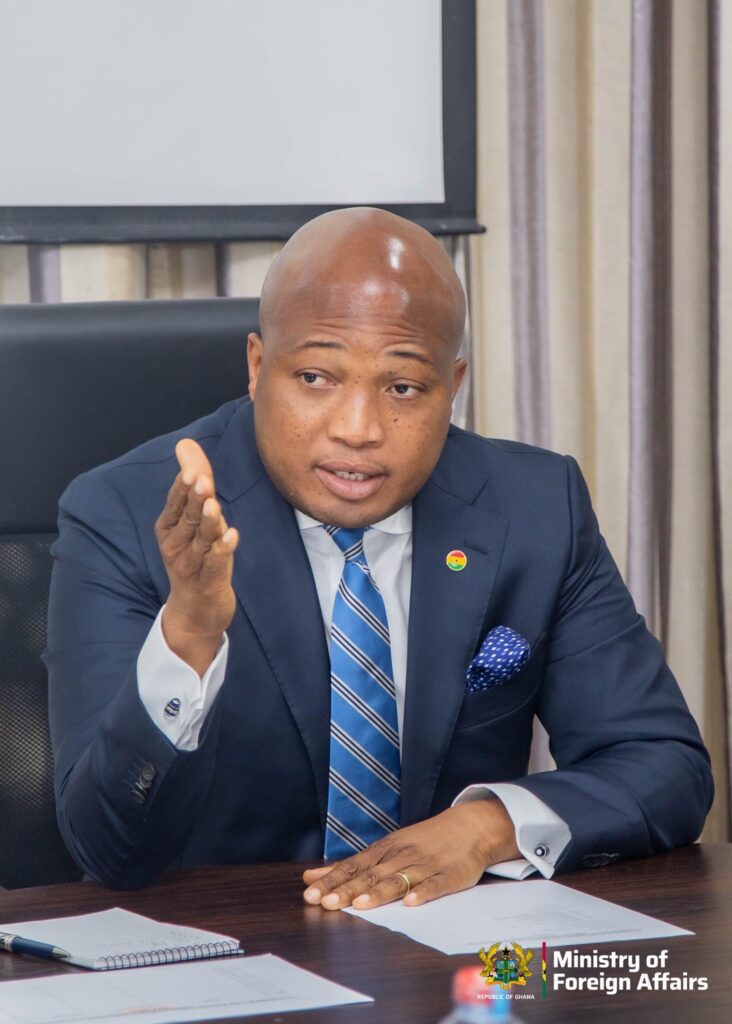
The announcement was made in a Facebook post on Wednesday, April 22, by the Foreign Affairs Minister Samuel Okudzeto Ablakwa , who noted that the initiative is part of broader efforts to increase the value and global mobility of the Ghanaian passport.

Parliament is expected to ratify the agreements in the coming weeks before they take full effect.

Government says it will continue to pursue additional visa waiver arrangements while strengthening security protocols in the passport acquisition process.

The agreements are expected to ease travel, boost tourism, and deepen bilateral cooperation between Ghana and its new partner countries.

Lawra Mourns As Paramount Chief Naa Puowelle Karbo III Passes On

0

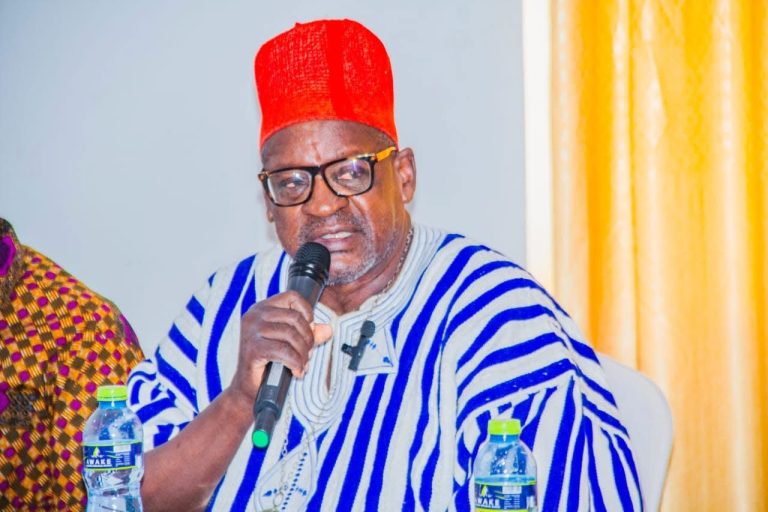
The Upper West Region and the entire nation have been hit with the sad news of the passing of Naa Puowelle Karbo III, the Paramount Chief of the Lawra Traditional Area.

According to family sources, the revered traditional leader passed away on Tuesday morning, April 21, 2026, at the Bank of Ghana Hospital in Accra after a short illness.

He was 79 years old.

Naa Karbo III was a titan in Ghana’s chieftaincy institution. His distinguished service included serving as Paramount Chief of Lawra (Enskinned in 2007), former President of the Upper West Regional House of Chiefs, and immediate past Vice President of the National House of Chiefs.

Throughout his reign, he was a powerful voice for traditional governance, peace, and development, leaving an indelible mark on the socio-political landscape of the Upper West Region.

He is survived by four children, including the former Deputy Minister for Roads and Highways, Hon. Anthony Abayifaa Karbo.

As the Lawra Traditional Area and the nation reflect on his impactful life, funeral arrangements are expected to be announced by the family and the Traditional Council in due course.

Ghana|Atinkaonline.com

360 Group Ltd to Celebrate Market Women on Workers’ Day with ‘Odwadini Mpuntuo’

May 1 is set aside globally as Workers’ Day, a time to recognize the dedication and contributions of workers across all sectors.

While Ghana celebrates its national workforce, 360 Group Ltd is choosing to spotlight a vital yet often overlooked group: the market women of Ghana.

The company will host the Market Women Health Awareness & Fun Day (Workers’ Day Edition), dubbed ‘Odwadini Mpuntuo’.

This full-day event is a wellness -centered celebration designed specifically for traders across all 67 markets in the Greater Accra Region, one of the country’s busiest trading hubs.

Market women are the economic heartbeat of Ghana’s informal sector. From food distribution and textiles to retail and micro-enterprises, their work drives household stability and contributes significantly to national GDP. Yet the demanding nature of their trade means many neglect their own health and well-being.

Speaking on the initiative, Mr. Daniel Obeng-Fianko, CEO of 360 Group Ltd, explained that the event is a call to wellness among traders.

Supported by all markets in Greater Accra, 360 Group Ltd’s ‘Odwadini Mpuntuo’ will blend health awareness, appreciation, celebration, and community engagement into one impactful Workers’ Day experience.

Activities lined up for the day include free medical screenings, aerobics sessions, fun games, interactive engagements, health and financial literacy talks, and a special appreciation and recognition ceremony.

This edition will take place at Makola Market on Friday, May 1, 2026. The organizers are calling on all stakeholders and the general public to support this initiative.

By Edem Mensah-Tsotorme

Asiedu Nketia, Julius Debrah Neck-and-Neck in NDC Flagbearer Race – Survey

Source: Vincent Kwofie

A new nationwide survey has revealed a tight contest between Johnson Asiedu Nketia and Julius Debrah for the 2028 presidential flagbearer position of the National Democratic Congress (NDC).

The poll, conducted by Africa Policy Lens (APL) between April 17 and 19, 2026, places Asiedu Nketia slightly ahead with 31.9% support, closely followed by Debrah at 30.1%.

When respondents were asked who they would support if voting were held immediately, Asiedu Nketia recorded 32.7%, while Debrah secured 30.9%, indicating a narrow and stable margin between the two contenders.

The findings point to a highly competitive race with no clear frontrunner, suggesting an intense internal contest ahead for the party.

The survey also highlighted the influence of other potential aspirants, with Cassiel Ato Forson emerging as a significant figure. He was identified by 27.1% of respondents as the “closest opponent,” despite trailing in overall support.

On the factors shaping delegate preferences, experience and track record ranked highest, cited by 66.1% of respondents. Integrity and honesty followed at 56.8%, while the ability to unify the party stood at 46.8%. Policy proposals were considered less influential at 27.9%, indicating a stronger emphasis on leadership qualities and party cohesion.

The survey, which gathered 2,408 valid responses from all 276 constituencies through an SMS-based questionnaire, described the race as “highly competitive but inconclusive.”

However, the report noted that the voluntary nature of participation may introduce some level of self-selection bias.

With the leading contenders virtually tied, analysts say the outcome will likely depend on each candidate’s ability to broaden their appeal, build alliances, and win over undecided delegates in the months ahead.

GES Announces Release of Funds for Perishable Food Supplies to Schools

The Ghana Education Service (GES) has announced the release of outstanding funds for the procurement of perishable food items for senior high and technical schools across Ghana.

In a statement issued on April 20, 2026, the Service said the move is aimed at ensuring uninterrupted feeding in schools and supporting student welfare nationwide. The funds, according to GES, cover previously outstanding payments related to the supply of perishable food items.

Management of the Service indicated that processes have already been initiated to facilitate the efficient distribution of the funds to beneficiary schools. This is expected to enable school authorities to procure fresh food supplies promptly.

To ensure accountability, GES noted that monitoring systems have been put in place to guarantee that the funds are used strictly for their intended purpose. The Service emphasized that the measures are part of efforts to promote transparency and proper financial management within the education sector.

GES further reassured stakeholders of its continued commitment to improving educational outcomes and maintaining the welfare of students across the country.

The statement was signed by Daniel Fenyi, Head of Public Relations at GES.

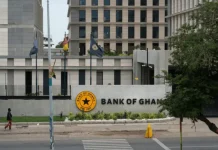
Bank of Ghana Clarifies Rules on Digital Earnings for Content Creators

The Bank of Ghana has clarified that earnings by Ghanaian content creators from digital platforms are considered service export proceeds and are permitted under existing foreign exchange regulations.

In a statement, the central bank said payouts from platforms such as X fall within the scope of legitimate cross-border transactions. It explained that such earnings can be received through Foreign Exchange Accounts (FEA) held with banks in Ghana or through local currency accounts, provided all transactions comply with applicable regulatory requirements.

The clarification comes amid concerns from some content creators who have reported challenges in accessing funds earned online. According to the Bank, such difficulties should not normally occur if transactions are processed correctly within the regulatory framework.

“The Bank acknowledges concerns raised by some creators regarding difficulties accessing these funds,” the statement noted, adding that it is actively engaging relevant institutions to identify the source of the issues and ensure prompt resolution.

The central bank further indicated that it would continue consultations with stakeholders as part of efforts to streamline the process and improve access to digital earnings.

Reaffirming its position, the Bank of Ghana said it remains committed to maintaining a stable financial system that supports legitimate international transactions, including income generated from digital platforms classified as service exports.