Christiana Awuni Reflects on Acting Career and Passion for the Industry

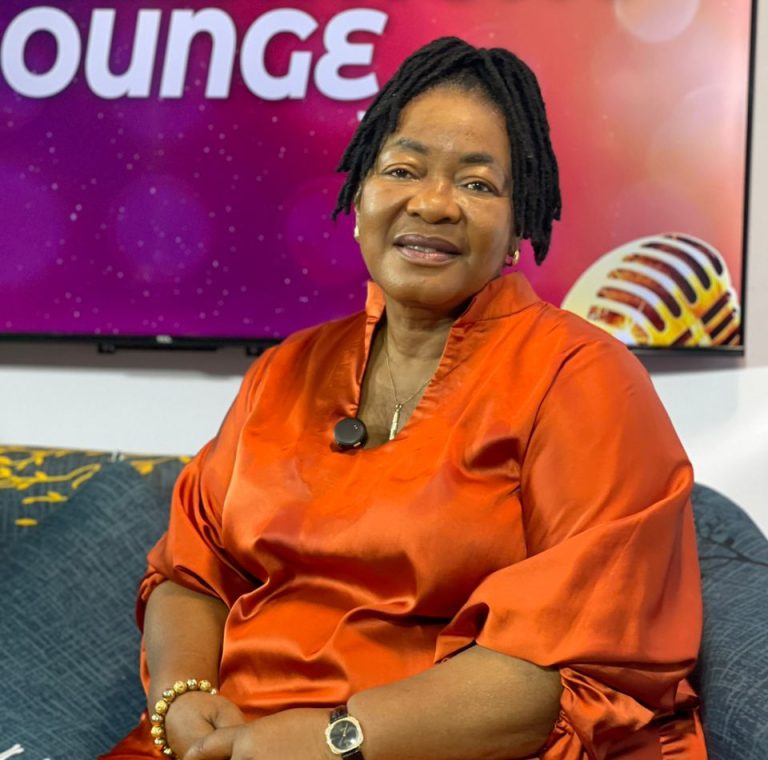
Veteran Ghanaian actress Christiana Awuni has revealed that the highest payment she ever received for a movie role during her acting career was GH¢1,000, which was paid by renowned movie producer Samuel Nyamekye.

Speaking in an interview on Atinka TV’s Entertainment Lounge with Roman Fada, the actress reflected on the financial realities of Ghana’s movie industry during her peak years.

“Throughout my acting career, Samuel Nyamekye paid me the highest fee (GH¢1,000) I ever received for a movie role.”

Christiana Awuni also addressed public perceptions about actors’ wealth, noting that many people compare entertainers to financially successful individuals without appreciating the different motivations behind their careers.

“People often compare us to financially successful individuals, but our journey has always been driven by passion.”

The actress emphasized that her commitment to the creative arts has always been fueled by a love for storytelling and entertainment rather than financial gain, highlighting the dedication and sacrifice that have characterized the careers of many pioneers in Ghana’s film industry.

No feud between CEO and Board — Ghana Gas

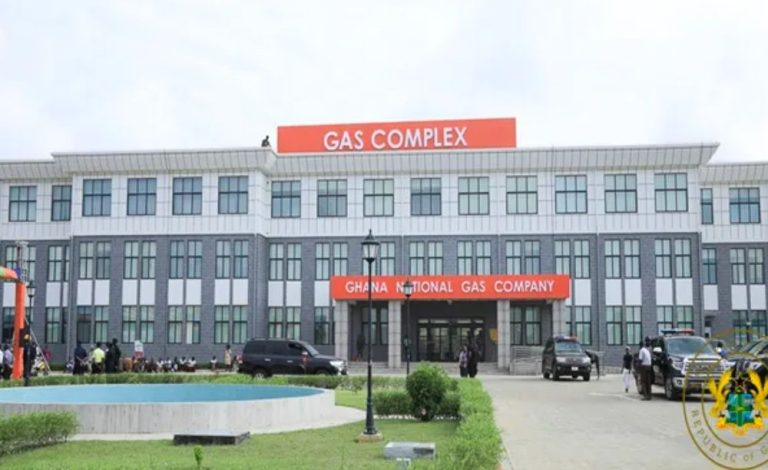
The Ghana National Gas Company Limited has dismissed recent social media claims suggesting a breakdown in relations between its Chief Executive Officer, Judith Adjobah Blay, and the Board of Directors, describing the reports as false and deliberately engineered to create division within the state-owned company.

In a statement issued on Saturday, June 6, management stressed that there is no conflict between the Board, chaired by Kofi Totobi Quakyi, and the executive leadership, insisting that both sides continue to work in close collaboration guided by mutual respect and professionalism.

According to the company, the allegations of an internal feud are “entirely false” and form part of attempts by unnamed actors to manufacture controversy and undermine confidence in the institution’s leadership. Management maintained that its governance structure remains stable and focused on delivering its mandate in the energy sector.

The statement also addressed public commentary surrounding recent staff promotions, clarifying that the exercise affected 50 employees and formed part of a structured internal process aimed at addressing long-overdue career progression, divisional realignment, and staff development within the organisation.

It explained that the promotions followed extensive internal consultations and received the necessary oversight and support of the Board of Directors, dismissing suggestions that the process was irregular or a source of internal tension.

Beyond the controversy, Ghana Gas highlighted what it described as significant operational improvements, noting that gas production throughput has increased from a historic average of about 100 million standard cubic feet per day to approximately 120 million standard cubic feet per day.

Ghana|Atinkaonline.com|Vincent Kwofie

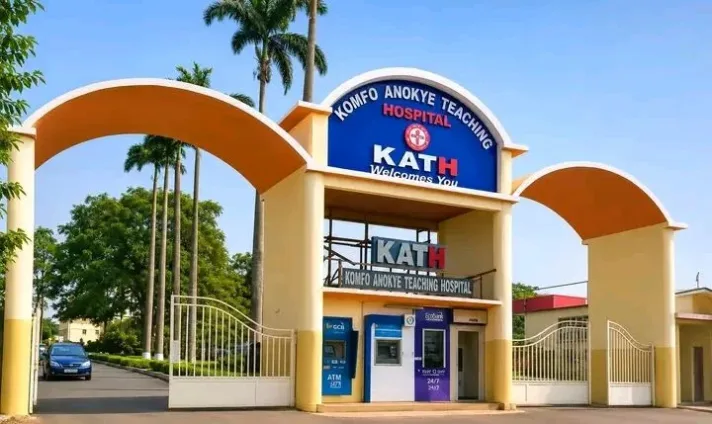
KATH Doctors Begin Indefinite Strike Over CEO Suspension

Doctors at Komfo Anokye Teaching Hospital (KATH) have started an indefinite strike following the suspension of the hospital’s Chief Executive Officer (CEO). The doctors say the decision to suspend the CEO is unfair and will not solve the challenges facing the hospital.

The strike was announced by the Komfo Anokye Doctors Association (KADA) after an emergency meeting on June 5, 2026. According to the doctors, the CEO and management were only trying to manage severe overcrowding at the hospital’s Emergency Department and protect patients from harm.

The doctors explained that management temporarily stopped new emergency admissions and worked with nearby health facilities because the hospital was overwhelmed with patients. They believe this action helped prevent unnecessary deaths and ensured patient safety.

KADA said KATH continues to face serious infrastructure and equipment challenges despite serving a large number of patients from the middle and northern parts of Ghana. The association argued that the current crisis is the result of long-standing problems in the healthcare system and should not be blamed on the CEO.

As a result, the doctors have withdrawn their services indefinitely from June 6, 2026. They say the strike will continue until the suspension of the CEO is reviewed, clear policies are introduced for handling overcrowding at the hospital, and the government provides timelines for the opening of Sewua Hospital and Afari Military Hospital, as well as the retooling of KATH and other hospitals in the Ashanti Region.

Ghana|Atinkaonline.com

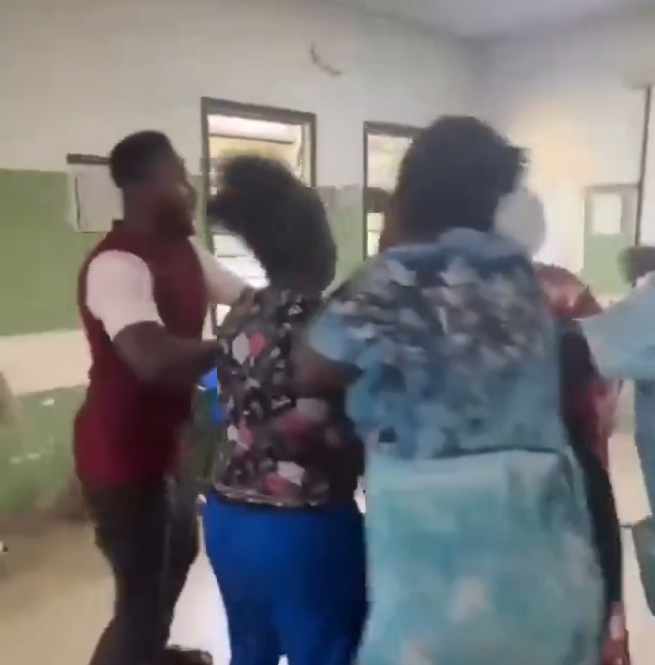
GRNMA Condemns Assault on Midwife at Community 22 Polyclinic, Demands Urgent Protection Measures

The Ghana Registered Nurses and Midwives’ Association (GRNMA) has strongly condemned the assault of a senior staff midwife by relatives of a patient at the Community 22 Polyclinic, describing the incident as a criminal act that highlights growing concerns over the safety of healthcare workers in Ghana.

In a press release issued on June 5, the Association expressed grave concern over reports that the midwife was physically attacked while performing her professional duties.

GRNMA stated that no nurse, midwife, or healthcare worker should face intimidation, harassment, threats, or violence while delivering essential healthcare services.

The Association emphasised that healthcare facilities must remain safe environments dedicated to healing and patient care rather than places where healthcare professionals fear for their personal safety.

Calls for Immediate Security Measures

GRNMA urged the management of the affected health facility to immediately strengthen security arrangements to prevent similar incidents in the future.

The Association recommended enhanced security presence at critical service points, stricter visitor management and access control systems, rapid response mechanisms for violent incidents, improved surveillance systems, and regular security risk assessments.

The Association also called on the Ministry of Health, Ghana Health Service, Christian Health Association of Ghana, teaching hospitals, and other healthcare agencies to prioritise the safety of nurses and midwives nationwide.

Among its demands are the development and enforcement of a national policy on preventing workplace violence in healthcare settings, increased investment in security infrastructure, the establishment of support and reporting systems for victims, and stronger sanctions against perpetrators of violence against healthcare workers.

Ratification of ILO Convention 190

GRNMA further renewed calls for Ghana to ratify and implement the International Labour Organisation Convention 190 on Violence and Harassment in the World of Work. According to the Association, the convention provides a comprehensive framework for addressing workplace violence and would strengthen protections for healthcare professionals and other workers.

Appeal for Police Action

The Association called on the Community 22 Police Station to expedite investigations into the incident and ensure that all persons responsible are identified, arrested, prosecuted, and brought to justice.

GRNMA said swift action would not only provide justice for the affected midwife but also serve as a deterrent against future attacks on healthcare workers.

Public Urged to Reject Violence

The Association appealed to the public to refrain from all forms of violence and aggression against nurses and midwives, stressing that healthcare professionals work under challenging conditions and should not be subjected to abuse.

“Nurses and midwives are not enemies of patients or their families,” the statement noted, urging the public to use established complaint and grievance procedures when concerns arise.

Message to Healthcare Workers

Addressing members of the nursing and midwifery profession, GRNMA acknowledged the anger and concern generated by the incident and urged healthcare workers to remain calm, professional, and law-abiding while investigations continue.

The Association reaffirmed its commitment to pursuing justice for the assaulted midwife and advocating for stronger measures to guarantee the safety, dignity, and security of nurses and midwives across the country.

“An attack on one nurse or midwife is an attack on the entire nursing and midwifery profession,” the statement concluded.

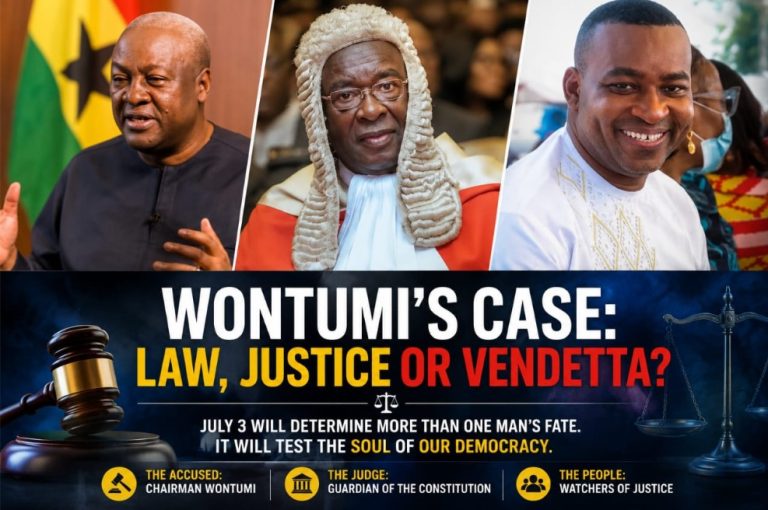
July 3: A Test of Justice or A Triumph of Political Retribution?

Beyond the Courtroom: What Is Truly at Stake?

When the Deputy Attorney General publicly announced that, judgment in Chairman Wontumi’s case would be delivered on July 3, 2026, it immediately intensified public debate. For many observers, the confidence surrounding the announcement appeared to suggest that the destination of the trial had become as much a subject of discussion as the journey itself.

This is precisely why the events of July 3 must be viewed through a broader lens. The issue before the nation is no longer merely about allegations of illegal mining. It is about the integrity of due process, the perception of fairness within our justice system, and the dangerous intersection where law and politics often collide.

The Weight of Political History
In every democracy, the prosecution of a prominent opposition figure inevitably raises questions beyond the courtroom. Citizens begin to ask whether the process is driven solely by evidence and law or influenced by political considerations.

It is against this backdrop that the case involving Chairman Bernard Antwi Boasiako, popularly known as Chairman Wontumi, has attracted such intense national attention. For many observers, the case has become a symbol of a broader debate about justice, power, and political neutrality.

The question is no longer whether such perceptions exist.
The real question is whether our institutions can rise above them.

The Politics of Timing
Politics often rewards timing, and timing often shapes perception. Many analysts have observed that the speed with which this matter has progressed stands in contrast to the pace typically associated with complex, high-profile prosecutions.

Such observations naturally raise questions.

Why the urgency?

Why the accelerated timetable?

Why the apparent determination to conclude proceedings before significant political developments within the NPP?

These are legitimate questions in any democracy. They do not undermine the judicial process; rather, they reinforce the public’s right to scrutinize it.
Justice must not only be done. It must be seen to be done.

The Judiciary’s Moment of Truth
On July 3, the central figure in the dock may be Chairman Wontumi. Yet in a broader sense, the institution on trial is the judiciary itself.

The court now carries a responsibility that extends far beyond the fate of one political actor. Its decision will inevitably shape public confidence in the independence, impartiality, and credibility of Ghana’s justice system.
A ruling perceived as grounded solely in evidence and law will strengthen democratic institutions regardless of which side celebrates or mourns the outcome.
A ruling perceived as the product of political pressure, however, would deepen national cynicism and weaken confidence in the very institutions designed to protect citizens from arbitrary power.

A Defining Choice
History offers every nation moments that reveal the strength of its institutions. This is one such moment.

Will Ghana reaffirm the principle that courts exist to interpret law rather than settle political scores?

Will judicial independence prove stronger than partisan expectations?

Will constitutional principles outweigh the pressures of political expediency?

These are the questions that now dominate public discourse.

A Call for National Vigilance
At this critical juncture, civil society organizations, the legal fraternity, the media, and citizens have a collective responsibility.
Our commitment must not be to personalities.
Our commitment must be to principles.
The rule of law loses its meaning when legal processes are perceived as instruments of political convenience. Equally, democracy loses its credibility when public confidence in the courts begins to erode.

Regardless of political affiliation, every Ghanaian should want a judiciary that is fearless, independent, and guided exclusively by law.

Ghana’s Real Verdict
On July 3, a verdict will undoubtedly be delivered in the case involving Chairman Wontumi.
But another verdict will also be rendered.
That verdict will be delivered by history.
It will judge whether Ghana’s democratic institutions stood firm in the face of political pressure or yielded to the temptations of partisan retribution.

The outcome will determine far more than the fate of one individual.
It will speak to the character of our democracy, the strength of our institutions, and the future of justice in the Republic of Ghana.

July 3 is therefore not merely about Chairman Wontumi.

It is a test of Ghana itself.

Ewuradjoa Coleman
Dir. Media & Communications
(Wontumi Campaign)

MCGG Rejects Unverified Claims About Port Operations

The Media Coalition for Good Governance (MCGG) has dismissed claims by some Civil Society Organisations (CSOs) about operations at Ghana’s ports, saying the allegations are not backed by evidence.

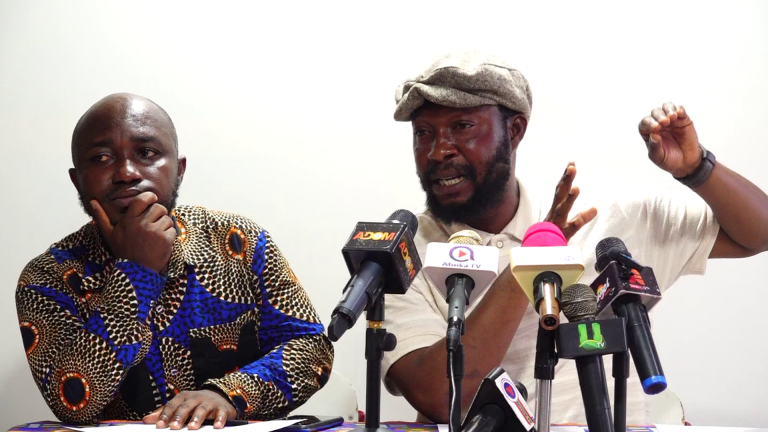
Speaking at a press conference, MCGG Convener Kwadwo Baffour Atuahene said reforms at the ports must be based on facts, data and professional analysis.

He said Ghana’s ports, like others around the world, are not perfect and require continuous improvement in areas such as customs operations, shipping logistics, terminal management and health surveillance.

Mr. Atuahene noted that MCGG supports efforts to improve efficiency, transparency and infrastructure at the ports. However, he stressed that meaningful reforms cannot be driven by claims that lack factual support.

He also acknowledged the role of CSOs in promoting accountability but urged them to ensure their public statements are accurate and supported by verifiable evidence.

According to him, unsupported allegations could undermine public confidence and distract attention from efforts to strengthen Ghana’s trade and health security systems.

His comments follow recent concerns raised by some CSOs about port disinfection services and the Integrated Customs Management System (ICUMS).

MCGG called on all stakeholders to focus on evidence-based discussions and practical solutions to improve port operations and national development.

Ghana|Atinkaonline.com|Ebenezer Madugu

Ukraine Reports Strikes on Ships in Russian-Occupied Waters as Peace Talks Debate Continues

Ukraine has reported striking five ships operating in the Sea of Azov and coastal areas under Russian occupation.

Officials claim the vessels were being used to move stolen Ukrainian grain, along with fuel and military supplies.

he reported operation comes as Russian President Vladimir Putin prepares to address a major economic forum in St. Petersburg, following Ukrainian President Volodymyr Zelensky’s recent proposal for direct talks on ending the conflict.

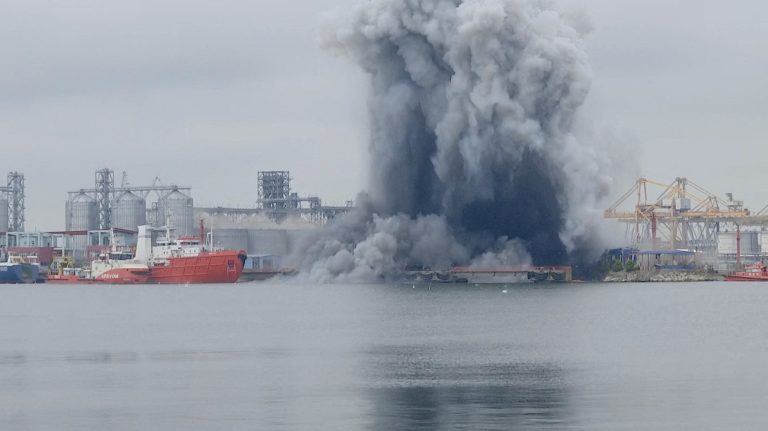
Ukraine confirmed that one of its naval drones exploded off Romania’s coast on Friday, with no casualties reported.

President Zelensky said Russians were becoming increasingly frustrated by drone attacks, fuel shortages, and rising prices caused by the prolonged war.

Ukraine says its strikes on Russian military and energy facilities are intended to reduce Russia’s war-fighting capacity.

The day after Kyiv launched a drone attack on the city’s outskirts, Putin arrived in St. Petersburg.

Five Azerbaijani nationals were murdered in strikes on two of the ships in the Sea of Azov, according to the country’s foreign ministry.

It stated that the ships did not belong to Azerbaijan but did not identify the perpetrators of the attacks.

Five “illegally loitering vessels” were hit overnight in the ports of Mariupol and Berdyansk as well as in the coastal waters of what Ukraine refers to as the “temporarily occupied territories”—areas of the country that Russia currently controls—according to a statement made earlier by Robert Brovdi, the drone commander for Ukraine.

He claimed that the five ships, which included tankers and cargo ships, had their radars switched off and their names painted over “with the aim of quietly stealing Ukrainian grain” and “transferring military cargo and fuel.” Two of the ships were given the names Nastra and Circon by the Azeri foreign ministry.

There were no deaths mentioned by Brovdi. Local officials in Ukraine report that over 70 people have been hurt and at least 13 people have died in the last day.

These include a 35-year-old lady who was killed in a drone strike on a petrol station in Kherson, according to local officials, and four individuals who perished after Russian drones attacked a dairy facility outside of the Ukrainian capital, Kyiv, according to the regional head.

On Friday, a naval drone detonated at Constanta, a port on the Black Sea in Romania.

The defence ministry said the drone exploded near an oil terminal after self-detonating, with no casualties reported.

However, officials noted that the blast caused significant damage to a ship and nearby warehouses. Adrian Teodor Picoiu, Constanța’s top official, told G4Media that Ukrainian sources said the drone was one of five involved in the operation, while another exploded on Ukrainian territory.

Later, Ukraine acknowledged that one of its naval drones had been engaged, claiming Russian electronic interference had caused it to veer off course. Moscow hasn’t responded yet.

Despite the fact that the other three drones were missing, authorities declared that there was no further danger. The drones’ location in Romanian seas has not yet been explained.

After a stray mine was found on a beach close to the village of Vama Veche, which is located more than 50 kilometres (31 miles) north of Constanta, Romanian President Nicusor Dan wrote on X that it was the second “significant security incident this week”.

President Volodymyr Zelensky, in an open letter addressed to Vladimir Putin, argued that waiting for the war in Europe to regain the full attention of the United States would be the wrong approach. He maintained that a lasting peace could only emerge through direct engagement between the two sides.

He also proposed a complete ceasefire during negotiations on Thursday, an idea Putin dismissed earlier in the day.

The letter was acknowledged by the Kremlin. The Russian state newspaper Izvestia was informed by spokesman Dmitry Peskov that Putin would probably make a statement on the matter on Friday.

In the past, the Russian president has stated that achieving peace will require making concessions.

He has long maintained that Ukraine should abandon its attempts to join NATO and leave the Donetsk, Luhansk, Kherson, and Zaporizhzhia regions, which are primarily occupied by Russia.

Ukraine has maintained its opposition to any territorial concessions, stating that such a step would encourage further acts of aggression by Russia. Officials cite the 2022 invasion as evidence, noting that it followed Russia’s annexation of Crimea eight years earlier.

President Zelensky’s appeal for a meeting has been endorsed by a number of international actors, including the European Union, France, and the United States.

Source: BBC News
NPP to NDC: You Can’t Demand Assent in 2024 and Rewrite the Bill in 2026

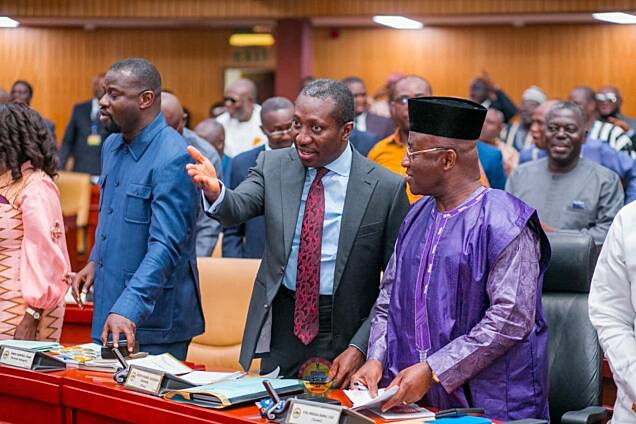
Minority Caucus exposes glaring contradiction in ruling party’s position on flagship anti-LGBTQ+ legislation

There is a particular kind of political hypocrisy that transcends ordinary spin and enters the territory of outright public deception. The NPP Minority Caucus in Parliament believes the National Democratic Congress has crossed that line, and it is not holding back in saying so.

In a formal statement released on June 4, 2026, the Minority Caucus catalogued in clinical detail what it describes as the NDC’s extraordinary reversal on the Human Sexual Rights and Family Values Bill — a reversal that spans from furious demands for presidential assent in 2024 to a quiet rewriting of the same legislation in 2026.

“It is therefore both strange and hypocritical for the NDC to have demanded immediate presidential assent to the 2024 Bill, only to return to Parliament and substantially rewrite that same Bill upon assuming office,” the statement said.

The timeline is striking. In 2024, as the Bill sat awaiting assent from then-President Akufo-Addo, the NDC mounted a sustained public campaign condemning the delay.

They called it a moral failure, accused the NPP of sympathising with LGBTQ+ interests, and mobilised religious leaders to pile pressure on the presidency. The NDC used the issue to win votes, explicitly arguing that only an NDC government would ensure the Bill became law.

Now in government, the same NDC has presided over a Parliament that has introduced 31 amendments to the very Bill they once swore to protect. The Minority says this sequence of events is not a matter of interpretation, it is documented in Hansard and the public record.

The NPP’s position is that the NDC’s conduct amounts to a systematic exploitation of Ghanaian public sentiment on a matter of deep cultural and religious significance, followed by a quiet retreat once electoral power had been secured.

The Minority Caucus is demanding that the 2024 Bill, in its original form, be restored and transmitted for presidential assent. Anything less, they say, will confirm what the NPP has long argued: that on this matter, the NDC cannot be trusted.

Source: Philip Bright Abutiate

Ohemaa Woyegye Opens Up on Bullying, Resilience, and Self-Belief

Ghanaian media personality and entrepreneur Ohemaa Woyegye has spoken candidly about overcoming criticism and personal attacks, saying she has endured bullying on numerous occasions but has remained focused on her journey.

Speaking in an interview with Eugene and Mel on Bullet TV’s Vibes Central, she reflected on the challenges of living in the public eye and the importance of developing resilience.

“I have been bullied many times, but I survived. I live beyond opinions.”

According to her, criticism and negativity have never prevented her from pursuing her goals. Instead, she uses difficult experiences as motivation to grow stronger and achieve greater success.

“I use the stones thrown at me to build mansions.”

Her comments highlight a message of perseverance, self-confidence, and determination, encouraging individuals to rise above negativity and remain focused on their ambitions despite public criticism or setbacks.

Ohemaa Woyegye emphasised that personal growth often comes from overcoming challenges and refusing to allow the opinions of others to define one’s worth or future.

Nunoo-Mensah Reflects on June 4 Revolution, Warns Against Growing Public Frustration

0

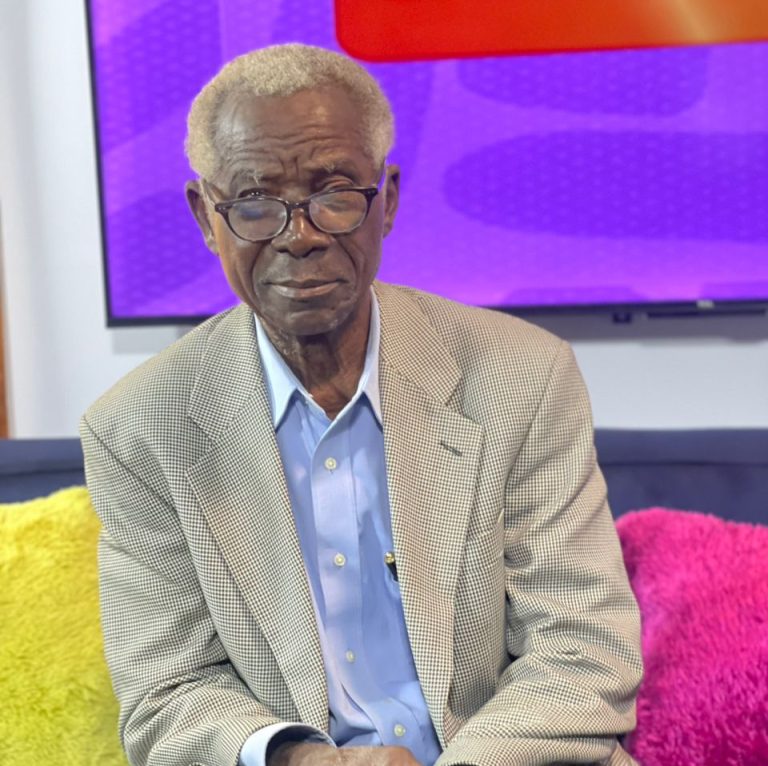
Former Chief of Defence Staff, Joseph Nunoo-Mensah, has stated that the June 4 Revolution emerged from the frustrations and grievances of ordinary Ghanaians who felt neglected by the political leadership of the time.

Speaking in an interview on Atinka TV’s Ghana Nie Morning Show, the retired military officer stated that the historical uprising was driven by widespread public dissatisfaction and demands for accountability and improved governance.

According to him, the lessons of June 4 remain relevant today, particularly as citizens continue to express concerns about governance, economic challenges, and national development.

“I won’t be surprised if Ghana experiences another June 4 revolution,” he said, cautioning that persistent public frustration and unmet expectations could create conditions for social unrest if not properly addressed.

Joseph Nunoo-Mensah further emphasised the importance of a leader prioritising the welfare of citizens and upholding the principles of transparency, accountability, and patriotism in governance.

His remarks add to ongoing national discussions about Ghana’s democratic development, leadership, and the significance of the June 4 Revolution in the country’s political history.