























Source: Mavis Fantevi
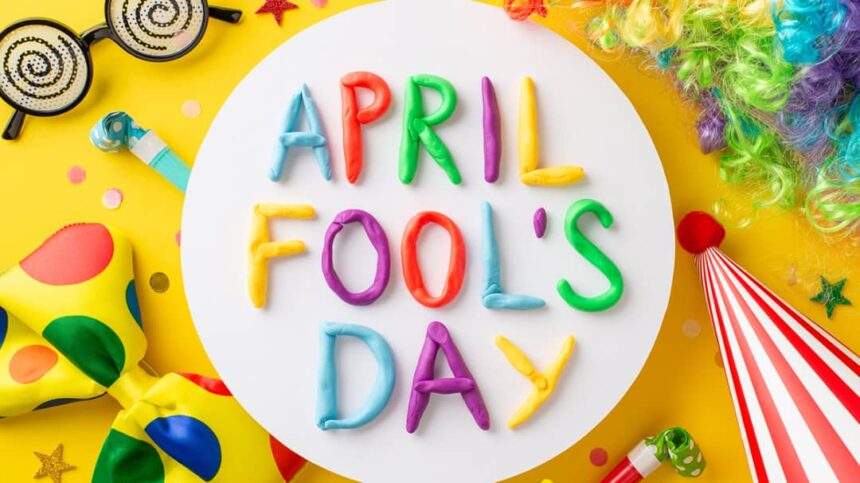
Every year on April 1, Ghanaians join the rest of the world in marking April Fools’ Day, a day dedicated to harmless pranks, jokes, and good-natured deception.

While not an official public holiday, it has become a widely recognized occasion, especially among young people, media outlets, and workplaces.
In Ghana, April Fools’ Day is often celebrated informally.
Friends, colleagues, and even family members take advantage of the day to play tricks on one another, ranging from simple verbal jokes to elaborate hoaxes.

Common pranks include spreading false but believable news, switching items, or pretending something unusual has happened, only to reveal the joke with the familiar phrase, “April fool!
In the age of social media, platforms like WhatsApp, Facebook, and X (formerly Twitter) have amplified the reach of these pranks, allowing them to spread rapidly across the country.

Despite the fun, many Ghanaians approach April Fools’ Day with caution.
Over the years, there has been growing awareness about the need to avoid jokes that could cause panic, harm reputations, or spread misinformation, particularly in a time when fake news can have serious consequences.

As a result, most pranks tend to stay within safe and humorous boundaries.
The origins of April Fools’ Day are not entirely clear, but it is believed to date back centuries, possibly linked to calendar changes in Europe.
Regardless of its roots, the day has evolved into a global cultural phenomenon, embraced in different ways across societies.

The essence of April Fools’ Day lies in its ability to bring people together through laughter.
In a fast-paced and often stressful world, the day offers a brief moment to relax, share jokes, and enjoy a sense of playful mischief, reminding everyone not to take life too seriously, at least for one day.