























By Professor Rufai Haruna Kilu
University of Professional Studies, Accra
In Ghana, few garments carry the cultural weight, history, and symbolism of the smock. Known variously as Batakari, Fugu, or Dansiki among different ethnic groups, the smock is far more than an item of clothing. It is a woven record of identity, heritage, and pride — and, increasingly, a potential driver of economic growth.
Cradle of a Cultural Icon
Historically, the town of Daboya occupies a central place in the story of smock weaving. Located in the North Gonja District of the Savannah Region, Daboya is widely regarded as the cradle of smock production in Ghana. The craft dates back centuries and is deeply rooted in the traditions of the Gonja people.
While Daboya’s weaving heritage is often described as the most iconic, variations of the smock are found across northern Ghana, including the Northern, Upper East, Upper West, North East, and Volta Regions, each reflecting local identity and artistic expression.
Why a Smock Is Not a Blouse
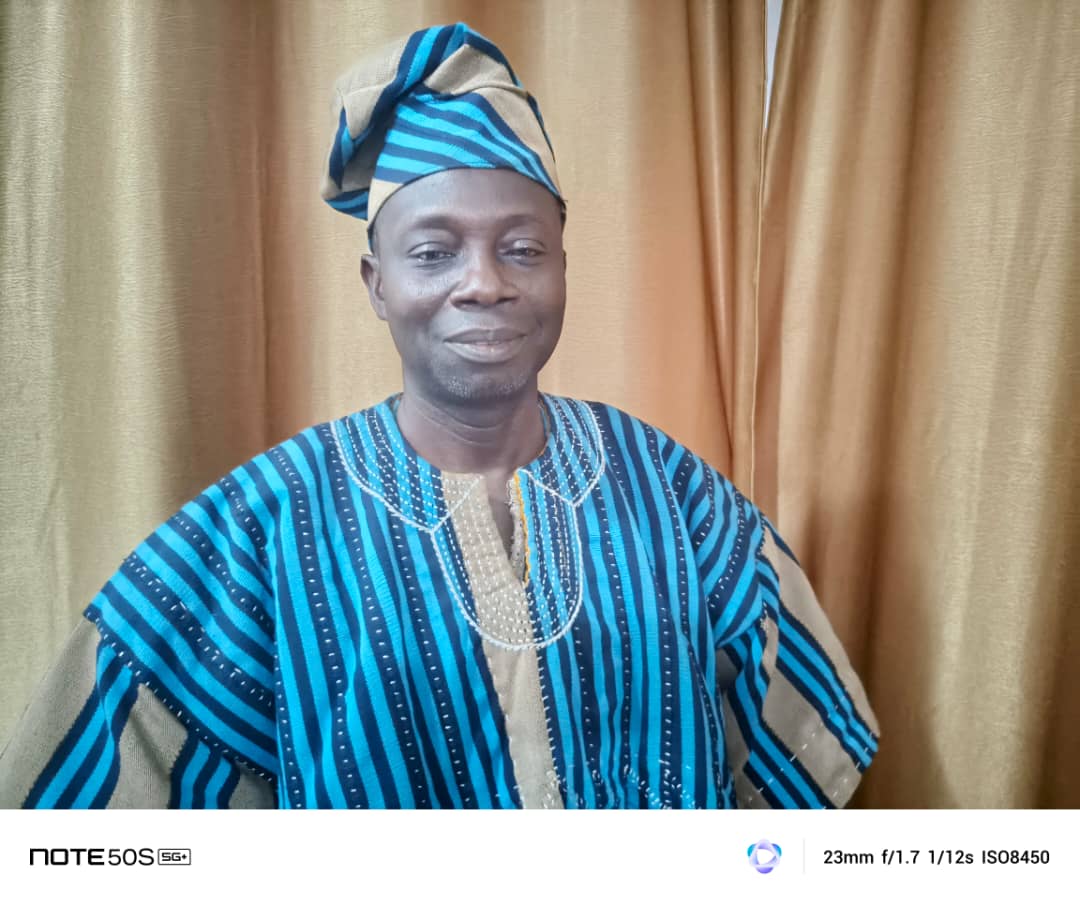
Cultural experts are emphatic: a smock should never be called a blouse. The smock is a handwoven tunic made from thick cotton strips, sewn together into a loose-fitting garment. Historically worn by chiefs, elders, and warriors, it symbolized authority, protection, and social status.
A blouse, by contrast, is a generic upper garment commonly associated with women’s fashion and modern tailoring. While fashionable, it lacks the historical depth, symbolism, and cultural roots of the smock. For many Ghanaians, mislabeling the smock diminishes its identity and legacy.
Symbol of Unity and Identity
Originating in the savannah belt, the smock was designed for practicality — offering protection against harsh sun and wind — while also serving as a visible marker of belonging and dignity. Over time, it evolved into a national attire embraced by people across ethnic, political, and social lines.
Traditionally worn during festivals, rites of passage, and important ceremonies, the smock remains a garment of respect. Today, it is frequently worn by traditional leaders, public officials, and dignitaries to signal cultural continuity. Alongside Kente from southern Ghana, the smock stands as a powerful symbol of national unity.
An Untapped Economic Opportunity
Beyond its cultural significance, the smock represents a largely untapped economic opportunity. Smock weaving is a generational craft that supports thousands of artisans, weavers, tailors, dyers, and traders. It creates direct employment while sustaining entire communities through associated activities such as embroidery, marketing, and distribution.
Contemporary fashion designers are increasingly incorporating smock fabric into modern designs, including shirts, jackets, dresses, and accessories. This innovation has broadened its appeal, particularly among younger consumers, and positioned the smock as both traditional attire and a modern fashion statement.
With global interest in African fashion on the rise, the smock holds strong export potential. Authentic Ghanaian textiles are in demand within diaspora communities and international fashion markets, offering opportunities to earn foreign exchange. Tourists, too, often purchase smocks as cultural souvenirs, injecting revenue into local economies.
Experts note that a thriving smock industry could also stimulate cotton farming, textile production, and small-scale manufacturing. With targeted investment and policy support, the smock could anchor a sustainable value chain that promotes rural development and strengthens Ghana’s cultural brand abroad.
Preserving Heritage, Weaving the Future
The message from cultural advocates is clear: the smock is not a blouse. It is a national treasure and a symbol of resilience, creativity, and identity. By investing in artisans, modernizing production methods, and promoting the smock internationally, Ghana can preserve a vital part of its heritage while unlocking new economic possibilities.
Each smock carries the story of generations past — and, if properly nurtured, it may also help weave a more prosperous future.