





















Following the US detention of Venezuelan President Nicolás Maduro, investors’ fears about geopolitical threats have led to a surge in the price of precious metals and shares in defense businesses.
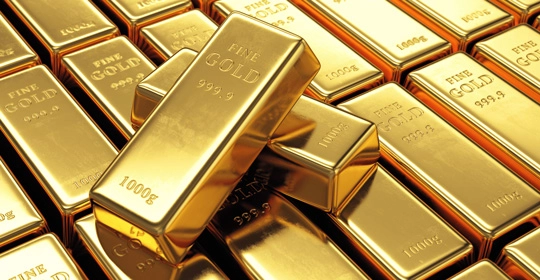
As money shifted into so-called “safe-haven” assets, the price of silver increased by 4.9% while the price of gold increased by roughly 2.4% to $4,433 (£3,293) per ounce.
Across Europe, defence shares gained momentum over the weekend, reflecting investor expectations of increased military expenditure in light of recent events.
Oil prices, however, slipped, with analysts citing abundant global supplies as a buffer against potential Venezuelan supply disruptions.
During times of economic or geopolitical uncertainty, investors often flock to precious metals like gold and silver as safe-haven assets.
After climbing by more than 60% and hitting an all-time high of $4,549.71 on December 26, the price of gold had its best yearly performance since 1979. Expectations of further interest rate cuts, significant central bank purchases of gold, and market worries about international tensions and economic uncertainties were some of the factors driving those advances.
Oil prices wavered in early trading on Monday before retreating, as markets reacted to Washington’s capture of Venezuelan President Nicolás Maduro and the potential effects on crude supply. Brent crude lost 50 cents, or 0.8%, settling at $60.26 a barrel.
US President Donald Trump vowed to tap into Venezuela’s oil reserves and oversee the country until a secure and orderly transition can take place. Analysts, however, cautioned that the move is unlikely to have an immediate impact on prices at the pump.
Additionally, experts have estimated that fixing Venezuela’s oil infrastructure, which has been in severe decline since the early 2000s, would cost billions of dollars.
According to investment expert Vasu Menon of OCBC Bank, Venezuela’s crude production has been “lacklustre” for years and currently only makes up about 1% of the world’s oil supply.
Lord Browne, former BP CEO, told the BBC’s Today programme that reviving Venezuela’s oil sector would take “a tremendous amount of skill, investment and time.”
He cautioned that while some production might temporarily pick up, overall output could fall during the restructuring period.
Source: BBC News