Atinka Online is the fastest growing radio-tv news portal in Ghana. Get all breaking news updates, latest news headlines, local and world stories, entertainment, sports, etc.
The Ghana Registered Nurses and Midwives Association (GRNMA) has called on the government to phase out certificate and diploma nursing programmes and make a bachelor’s degree the minimum qualification for nursing training in Ghana.
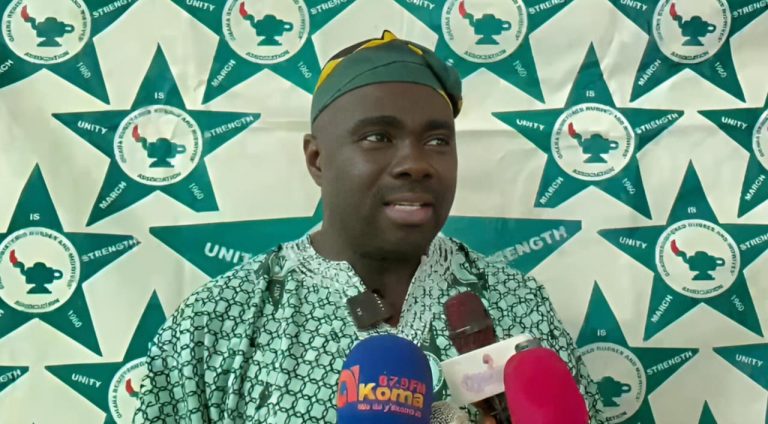
Speaking to Atinka News during the 2026 Nurses Week Celebration in Ejisu, the Ashanti Regional Chairman of GRNMA, Mr Jones Afriyie Anto, stated that upgrading nursing education to a degree level would strengthen professionalism and improve the quality of healthcare delivery across the country.
According to him, adopting a degree-only training model would equip nurses and midwives with advanced knowledge and competencies needed to meet the evolving demands of the healthcare sector.
Mr Afriyie Anto also appealed to the government to fast-track the recruitment of qualified nurses and midwives who have completed their training but remain unemployed, stressing that their employment would help address staffing shortages in health facilities nationwide.
He further urged the government to operationalise the Sewua Hospital and Afari Military Hospital, noting that their full activation would help decongest the Komfo Anokye Teaching Hospital (KATH) and improve access to quality healthcare services in the Ashanti Region.
According to him, bringing the two facilities into full operation would reduce pressure on healthcare professionals, improve patient outcomes, and strengthen the region’s healthcare delivery system.
The GRNMA’s call forms part of broader efforts to enhance nursing education, improve working conditions for health professionals, and ensure efficient healthcare services for the Ghanaian public.
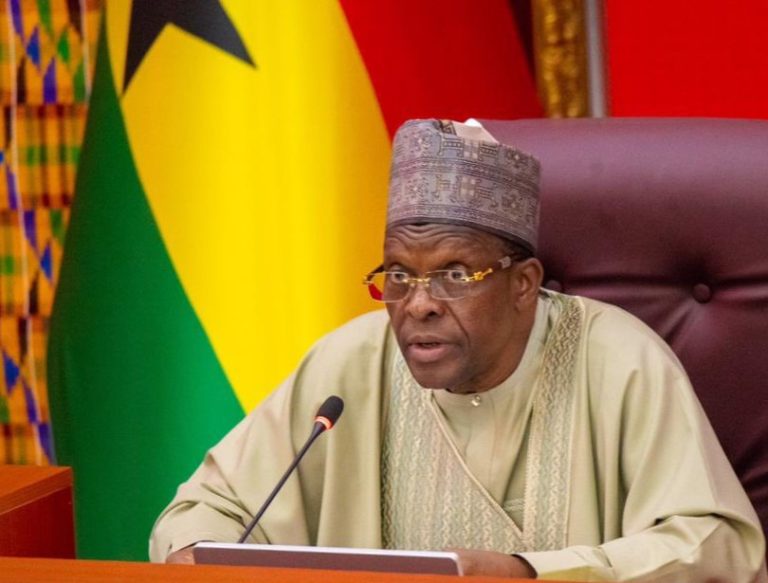
The Speaker of Parliament, Alban Sumana Kingsford Bagbin, has called for reforms to Ghana’s judicial appointment process, particularly the procedure for appointing Justices of the Supreme Court.
He made the remarks during a courtesy call by the Supreme Court’s 150th Anniversary Planning Committee on Thursday, where discussions focused on preparations for the milestone celebration and broader issues concerning the judiciary.
According to the Speaker, while the President has a constitutional role in judicial appointments, there is a need for reforms that reinforce the independence of public office holders and strengthen democratic governance.
Addressing concerns about executive influence, Mr Bagbin stressed his independence as Speaker of Parliament. “The President will have a say, but I am not bound by what a president says. I am not the President’s appointee,” he stated.
The Speaker’s comments underscore his belief in the importance of institutional autonomy and the separation of powers among the Executive, Legislature, and Judiciary.
He also emphasised the need to review aspects of the judicial appointment process to ensure greater transparency, accountability, and public confidence in the administration of justice.
The courtesy call formed part of activities leading up to the 150th anniversary of Ghana’s Supreme Court, a milestone expected to reflect on the country’s judicial history, achievements, and future reforms.
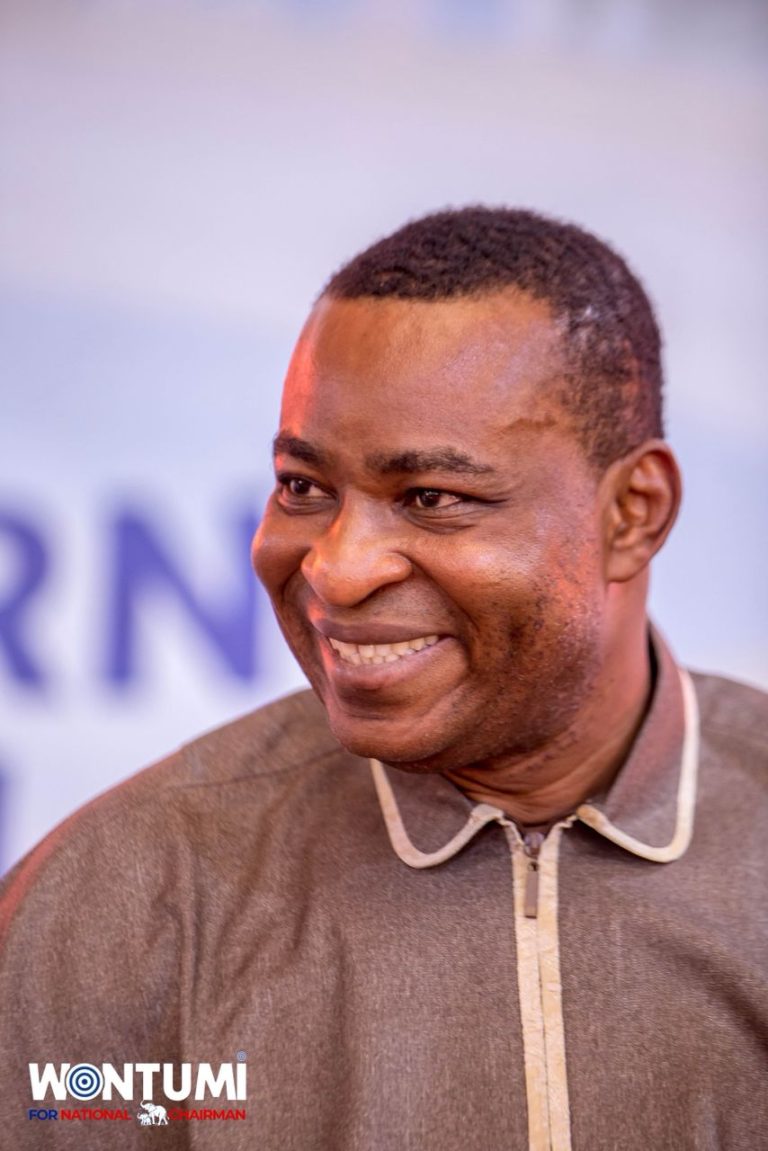
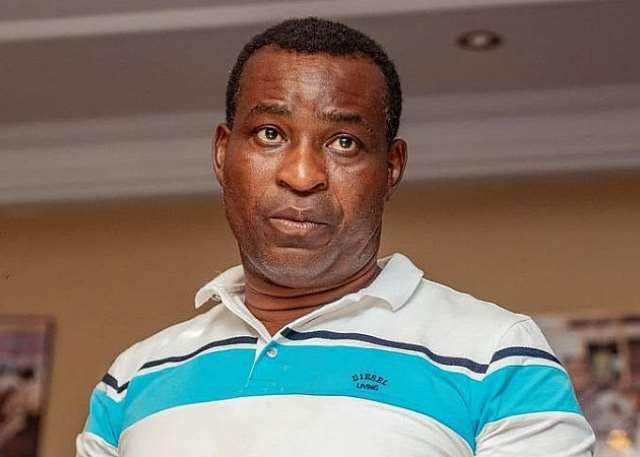
The decision by Ashanti Regional Chairman of the New Patriotic Party (NPP), Bernard Antwi-Boasiako, popularly known as Chairman Wontumi, to enter plea negotiations with the State over the EXIM Bank case has sparked debate across the country.
To many, the move raises questions. To his supporters, however, it reflects a practical decision aimed at resolving a legal and commercial dispute through lawful means rather than prolonged courtroom battles.
Long before the current legal proceedings, Chairman Wontumi had built a reputation as one of Ghana’s most visible large-scale farmers. His agricultural investments, particularly in maize production, earned national recognition in 2018 when he was named Ashanti Regional Best Farmer First Runner-Up during the 34th National Farmers’ Day celebration.
At the heart of that recognition was a 10,000-acre maize farm in the Sekyere Central District. The project was hailed as a major contribution to food production, job creation and agricultural development. It was also evidence of a businessman willing to invest heavily in a sector many consider both critical and risky.
Agriculture, despite its importance, remains one of the most unpredictable sectors of the economy. Farmers often contend with erratic weather conditions, fluctuating market prices, rising production costs and other challenges beyond their control. Even well-planned ventures can struggle to meet financial projections when circumstances change.
Against this backdrop, supporters of Chairman Wontumi argue that the facility obtained from EXIM Bank was intended to support a legitimate farming enterprise and not a speculative undertaking.
Faced with ongoing legal proceedings, Chairman Wontumi has opted for plea negotiations, a process recognized under Ghanaian law. Legal experts note that plea bargaining is designed to allow parties to resolve disputes efficiently and can involve agreements on restitution, settlements or other terms acceptable to both sides.
Importantly, entering plea negotiations does not automatically amount to an admission of guilt. Rather, it is a legal mechanism available to accused persons and prosecutors seeking to avoid lengthy litigation while pursuing an outcome within the framework of the law.
For Chairman Wontumi, the decision appears to be rooted in a desire to address the matter through due process while focusing on his business and public commitments. His supporters maintain that responsible leadership is not measured by the absence of challenges, but by the willingness to confront them openly, lawfully and in good faith.
As the legal process unfolds, the case continues to attract public attention. What remains clear is that the outcome will be determined through the courts and the legal procedures established under Ghanaian law.
The Accra High Court has been informed that Ashanti Regional Chairman of the New Patriotic Party (NPP), Bernard Antwi-Boasiako, popularly known as Chairman Wontumi, is seeking a plea bargain in the ongoing criminal case involving alleged fraud linked to the Ghana Export-Import Bank (EXIM Bank).
The Office of the Attorney-General formally notified the court of the development in a filing dated June 11, 2026, indicating that the first accused person had initiated steps toward a plea negotiation process.
The request was made through Wontumi’s lawyer, Andy Appiah-Kubi, and communicated to the Attorney-General in a letter dated June 5, 2026. The notice was filed under Section 162C(3) of the Criminal and Other Offences (Procedure) Act, 1960 (Act 30).
The case before the High Court in Accra lists Bernard Antwi-Boasiako as the first accused person, alongside Thomas Antwi-Boasiako—who is currently at large—and Wontumi Farms Limited. The Attorney-General is prosecuting the matter on behalf of the state.
The notification, signed by Deputy Attorney-General Dr. Justice Srem-Sai, was submitted to the court registry for the attention of the presiding judge.
Prosecutors allege that between 2018 and 2022, Bernard Antwi-Boasiako and Thomas Antwi-Boasiako fraudulently obtained GH¢14,302,000 from EXIM Bank through false pretences, using Wontumi Farms Limited as the vehicle for the transaction.
The charge sheet further states that Chairman Wontumi allegedly presented a forged receipt to EXIM Bank officials, which was used to support an additional GH¢4 million facility.
He is also accused of knowingly benefiting from funds alleged to have been fraudulently obtained, forming the basis of a money laundering charge.
In addition, the prosecution claims the accused persons caused financial loss exceeding GH¢30 million to EXIM Bank through the transactions in question.
The court is expected to take further steps as it considers the plea bargain notification and the parties proceed with negotiations under the relevant legal framework.
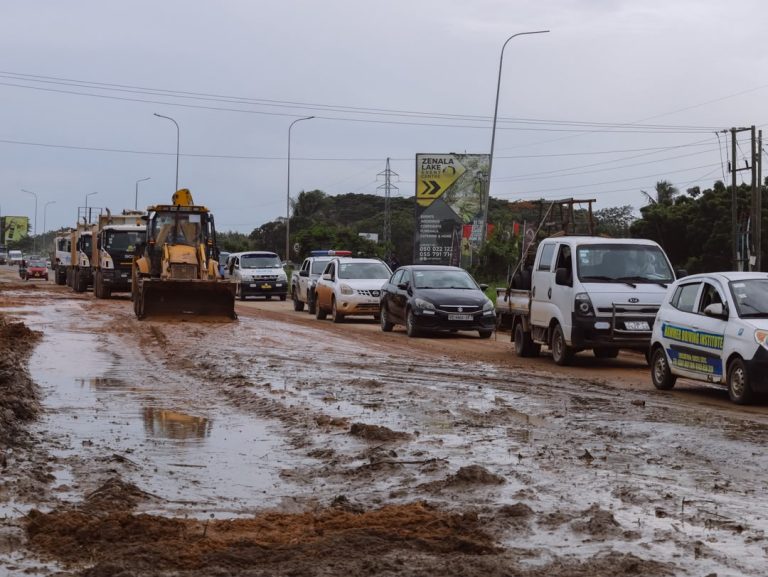
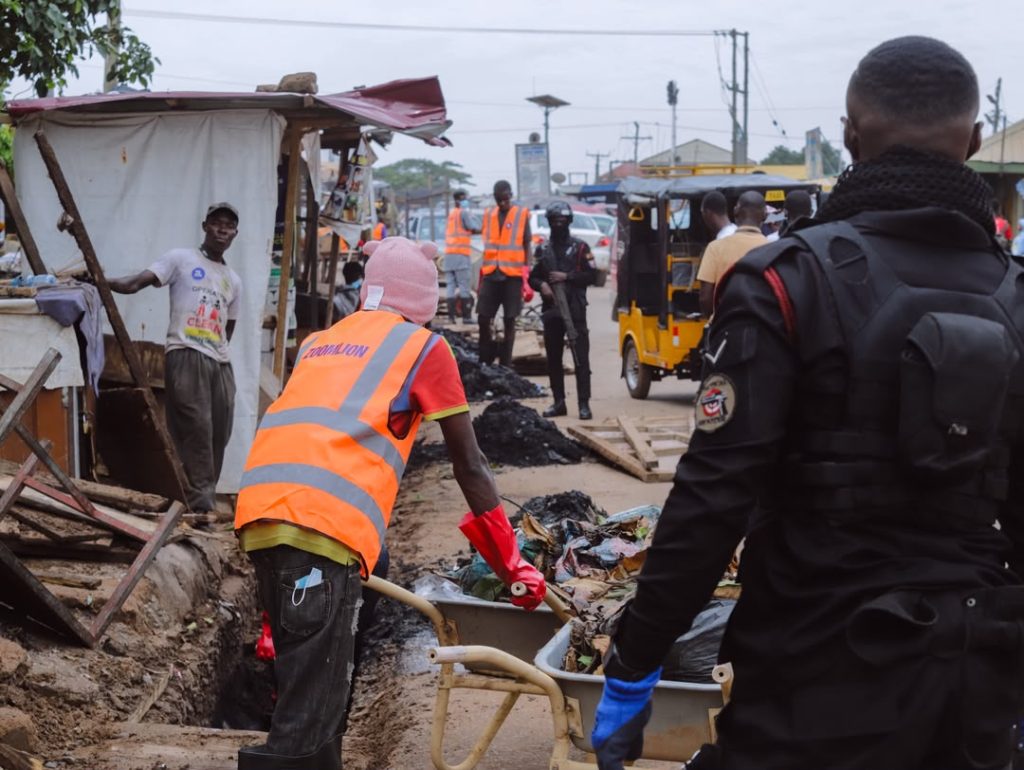
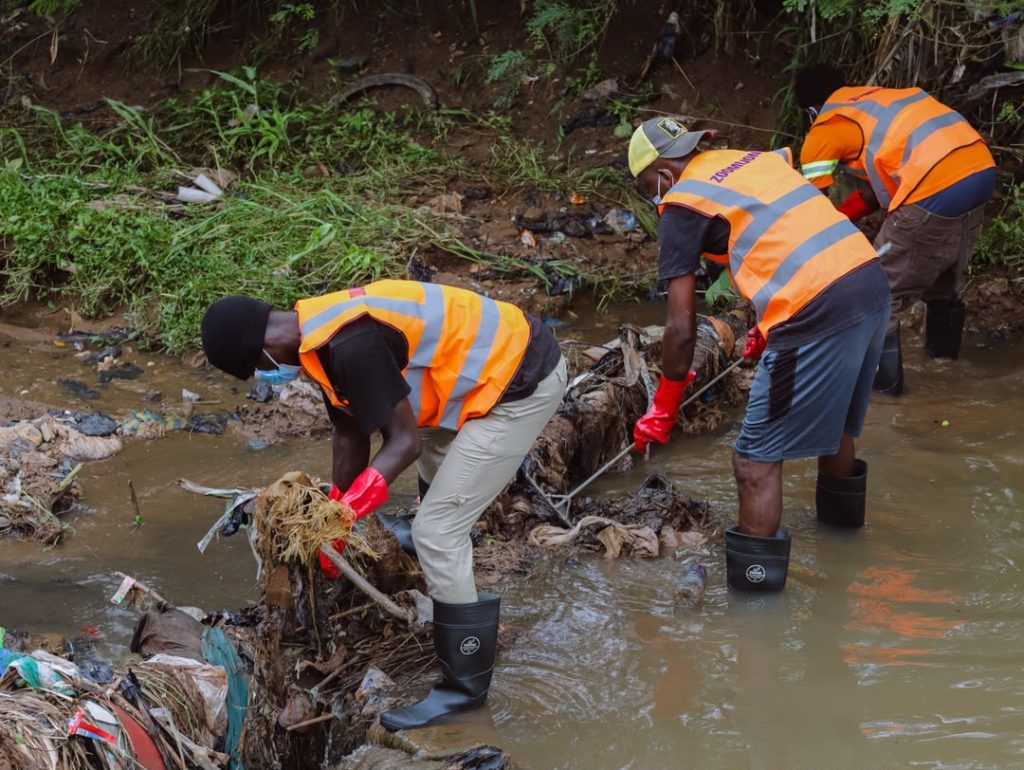
Following the three-day anti-flood clean-up operation launched by Zoomlion Ghana Limited and its partners, Dredge Masters Limited on Thursday, June 11, deployed specialised equipment to dredge and desilt critical drains in Weija, Mepeasem (near UPSA), and other parts of the Greater Accra Region.
Despite heavy silt and solid waste that had cut capacity in major storm drains across Accra, worsening flood risks, the joint anti-flood exercise was now targeting key flashpoints before the next rains.
The exercise is a partnership between Zoomlion Ghana Limited, NADMO, FeDems Limited, Dredge Masters Ghana Limited, Ghana Police Service, Ghana National Fire Service and MMDAs in Greater Accra.
In an interview, the Operations Manager of Dredge Masters Ghana Limited, Sena Adiepena, said the channels have lost capacity due to lack of maintenance.
“This UPSA storm drain is expected to be carrying a lot of flood waters downstream towards the outfall, ultimately into the sea. But it hasn’t been maintained for a while now and has lost capacity. You can see lots of solid waste,” Mr. Adiepena said.
He explained that Dredge Masters was called in based on its experience in dredging water bodies nationwide. “We found it important as our responsibility to also give back to the nation and work with NADMO, especially to identify these very key areas and then mobilise specialised equipment to allow us to dredge and create access for flow of water.”
With more rains forecast, the team is racing to clear selected drains to prevent repeat flooding. “We know that floods have occurred in the past few days and weeks, and the rains haven’t stopped. More is expected. So we are positioning ourselves to ensure that once we cater for some of these selected drains which are flashpoint areas, we will be able to ensure that we don’t have flooding in the same areas again,” he said.
He added that the team will extend the exercise to other areas. “We are also at Weija, at the Kasoa toll booth. We’ll be heading to Sakumono, Teshie and other places NADMO considers very critical to controlling the floods.”
But the work faces a major obstacle: encroachment. Buffer zones meant for equipment access have been taken over by private structures.
“We are faced with very key challenges. During our assessment prior to deployment, we realised that the buffers that are supposed to allow for passage and equipment access in order to easily maintain these drains are not accessible because of encroachment. A lot of private properties have been built into these access ways, so it makes it quite difficult to effectively dredge,” Adiepena stated.
He called for long-term collaboration to reclaim access. “Ultimately, we would have to find a way of manoeuvring around it. Long term, we would have to work together with the authorities to see how we can probably demolish some of them or speak to their owners to allow for these spaces to be available for maintenance of the drain because it is very key.”
Mr. Adiepena stressed that continuous maintenance is the only way to avoid “firefighting mode.” “The proactive measure in ensuring that these drains don’t flood is to allow for continuous maintenance. That way we will not have to wait for the flood to happen before we come to the ground. We are always ready. We are well equipped, well resourced.”
He noted that the sites were selected with NADMO and MMDAs based on recent flood reports. “We’ve had in the past few days the news about flooding in a number of areas. We are working closely with the several district and municipal assemblies and more especially NADMO because they normally respond to the distress calls. Beyond the response, they also have the ability to identify some of these flashpoints and the nuances that are causing these flooding.”
Dredge Masters is expected to cover about two kilometres of the drain at Mepeasem near UPSA, but bottlenecks remain. “We are looking at achieving that stretch but there are a lot of bottlenecks and structures in the way that are making the work difficult. But we are still working with authorities to see how best we can deliver on our mandate, which is to dredge and ensure that there’s free flow.”
Mr Adiepena confirmed the exercise is being funded by Zoomlion and partners. “This was done out of the benevolence of Zoomlion. This is at no cost to the State or the Assembly and we are supporting.”
The three-day dredging and clean-up exercise targets flood-prone areas including Madina, Roman Ridge, Mallam, Paloma, Circle, Kaneshie, and GBC.
The NADMO Greater Accra Regional Director, Dennis Nartey, and Zoomlion’s Chief Corporate Communications, Officer Sophia Kudjordji, have warned that most flood damage is man-made, caused by waste blocking drains, and urged residents to embrace responsible waste disposal under the “No Do No Do” campaign.
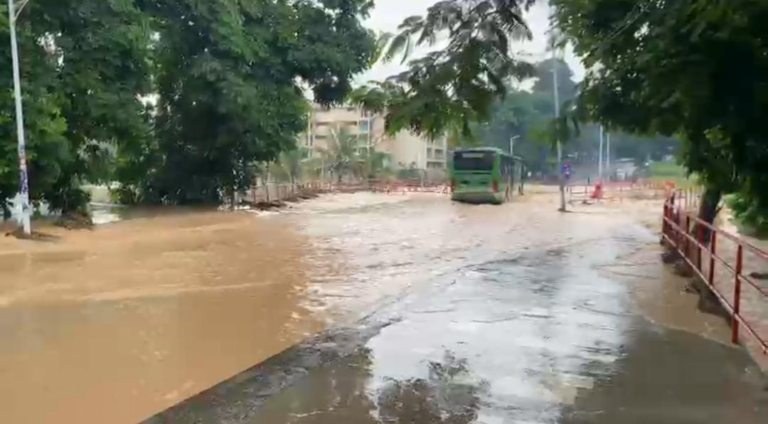
A heavy downpour on Thursday morning caused severe flooding across sections of the Kwame Nkrumah University of Science and Technology (KNUST) campus, disrupting academic activities and leaving many students stranded between their halls of residence and lecture venues.
The flooding overwhelmed drainage systems in several parts of the campus, rendering key roads, bridges, and pedestrian walkways impassable.
As a result, many students heading to lectures were forced to use longer alternative routes, while others remained in their halls due to safety concerns and restricted access to academic areas.
To ease the situation, the university deployed buses capable of navigating some of the flooded sections to transport students across affected areas. However, taxis and other smaller vehicles were unable to access several inundated routes, further hampering movement on campus.
University security personnel were also deployed to monitor the affected areas and direct traffic to ensure the safety of students, staff, and motorists.
The flooding significantly slowed movement across the university and disrupted normal academic activities, particularly during the morning hours when many lectures were scheduled.
As of Thursday afternoon, university authorities had not issued an official statement detailing the full extent of the disruption or outlining immediate measures to address the situation.
Meanwhile, students have renewed calls for urgent and long-term solutions to the recurring flooding problem on campus, expressing concerns about accessibility, safety, and the impact of seasonal rains on teaching and learning.
Many students believe improvements to the campus drainage infrastructure are necessary to prevent future disruptions and ensure the smooth running of academic activities during the rainy season.
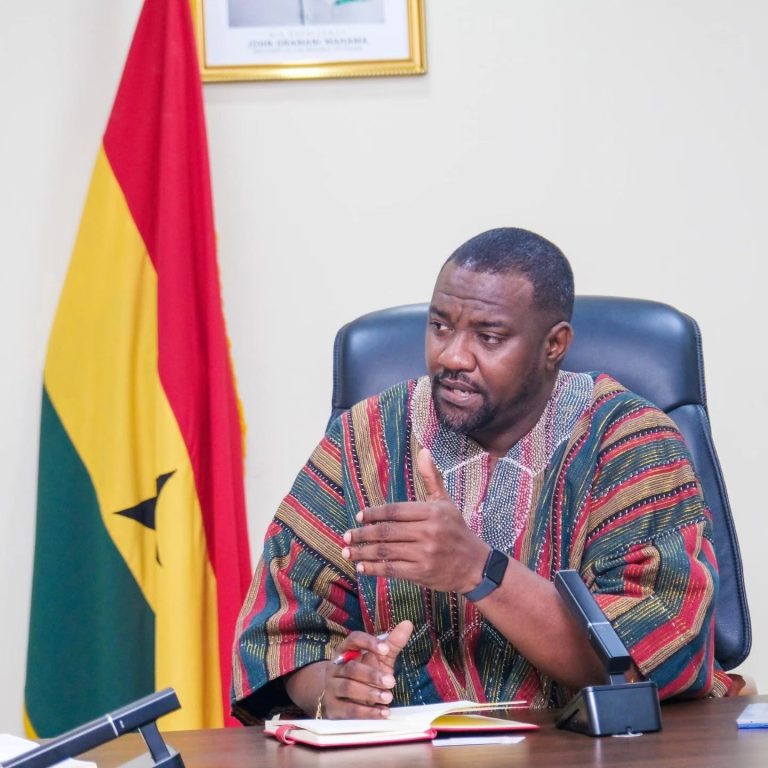
The Deputy Minister for Food and Agriculture and Member of Parliament for Ayawaso West Wuogon, John Setor Dumelo, has announced a series of community initiatives to enable residents to enjoy Ghana’s FIFA World Cup matches together.
In a post shared on his official Facebook page on Thursday afternoon, Mr Dumelo said the commencement of the World Cup brings “good news” for residents of the constituency, outlining several arrangements to promote communal viewing and support for the Black Stars.
According to him, subscriptions have been paid for selected television viewing centres across Ayawaso West Wuogon to ensure residents can watch the tournament.
In addition, free giant screens will be mounted at the following locations for Ghana’s World Cup matches: – Abelemkpe Astro Turf Park – Okponglo – Mempasem – Airport Residential Area – West Legon – Dzorwulu
Mr Dumelo also disclosed that he has partnered with 13 kenkey vendors across the constituency to provide free kenkey and fish meals to supporters attending the Black Stars’ matches.
The initiative is aimed at creating a festive atmosphere while encouraging residents to rally behind the national team throughout the tournament.
Concluding his announcement, the Ayawaso West Wuogon MP urged Ghanaians to support the Black Stars, declaring, “Go Ghana Go!”
The initiative has generated public interest as football fans across the constituency prepare to gather at the designated centres to cheer on Ghana during its World Cup campaign.
A Maternal and Child Health Expert at Ridge Hospital, Mrs. Racheal Hesse Matey, has urged pregnant women to seek accurate medical information and ignore myths surrounding pregnancy and childbirth.
Speaking on Atinka TV’s Ghana Nie hosted by Ama Gyenfa Ofosu Darkwah, Ms. Matey dismissed the common belief that vaginal delivery automatically causes vaginal looseness.
According to her, many factors can contribute to vaginal looseness, and some women who have never given birth also experience the condition. She advised women not to allow such misconceptions to influence their choice of delivery method.
She further stressed that bleeding during pregnancy is not normal and should be treated as a medical emergency. Pregnant women experiencing any form of bleeding, she said, should seek immediate medical attention.
The health expert also debunked the belief that swollen legs during pregnancy indicate the sex of a baby. She explained that swelling is a common pregnancy-related condition and has no connection to whether a woman is carrying a boy or a girl.
Mrs. Matey highlighted the importance of mental health during pregnancy, warning that untreated emotional and psychological challenges could affect mothers even after childbirth.
She also encouraged husbands to support their wives during labour, noting that the presence of a partner often helps reduce anxiety and stress during delivery.
Touching on childbirth trends, Ms. Matey observed that an increasing number of women are choosing Caesarean Section (C-section) deliveries, stressing that expectant mothers should rely on medical advice when making decisions about childbirth.
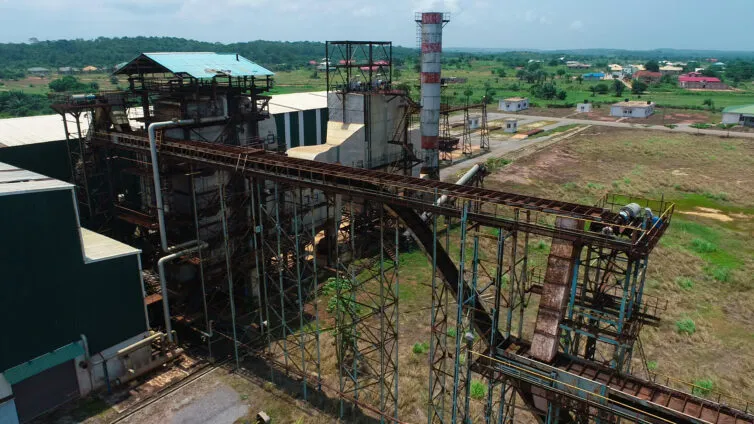
A major theft at the Komenda Sugar Factory has severely disrupted key operations after unknown persons allegedly made away with critical industrial equipment, exposing significant security and operational challenges at the state-owned facility.
Three Suspects Arrested
Police have arrested three suspects in connection with the theft and are continuing their investigations. Authorities have assured management and the public that efforts are underway to recover the stolen equipment and identify any additional individuals involved.
Critical Equipment Stolen
According to preliminary reports, the perpetrators gained access to the factory overnight and dismantled several heavy-duty industrial motors used in the plant’s water management and utility systems.
The stolen equipment reportedly includes: One primer motor from the spray pond cooling system Two pumps from the water reservoir station One pump from the wastewater station One freshwater pumping station motor is supplying the factory floor One critical firefighting pump A large spray pump motor was reportedly left behind at the scene.
The theft has significantly affected the factory’s water supply, wastewater management, and emergency firefighting capabilities.
Management Expresses Concern
A representative of West Africa Agrotech Company Limited, Mr Patel, confirmed the incident but declined to provide extensive comments, stating that the matter is under active investigation by the Ghana Police Service.
Internal communications, however, reportedly show management expressing disappointment over the apparent security lapse, questioning how multiple heavy machines could be dismantled and removed without detection.
Unpaid Security Staff Raise Questions
A security officer, speaking anonymously, alleged that security personnel assigned to the factory have gone 20 months without receiving salaries.
The revelation has sparked concerns over whether prolonged salary arrears may have weakened security operations or contributed to vulnerabilities at the facility. No official evidence has been presented to link any security personnel to the theft, and investigations are ongoing.
Concerns Over Police Response
Sources indicate that management initially encountered delays after reporting the incident, including logistical challenges that reportedly required assistance in fueling a police vehicle before investigators could visit the scene. Police have since intensified investigations following the arrest of the three suspects.
Factory Remains Vulnerable
The theft has left essential infrastructure compromised, particularly the factory’s water systems and firefighting equipment, raising concerns about operational readiness and safety.
Management officials also say uncertainty remains over plans to fully revive the factory and secure the investment needed to resume production.
A Decade After Commissioning
The incident comes just days after the factory marked ten years since its inauguration on May 30, 2016. Once envisioned as a catalyst for industrial development and employment, the Komenda Sugar Factory has remained largely inactive, with the latest theft highlighting ongoing challenges surrounding the facility’s maintenance, security, and future operations.
Investigations into the theft continue, with authorities expected to provide further updates as the case progresses.
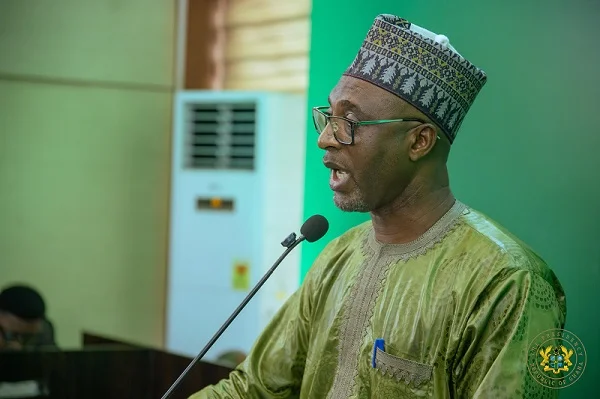
The Minister for the Interior, Mohammed Muntaka Mubarak, has told Parliament that the Ghana Police Service has learned important lessons from the violence and disturbances that characterised the Ablekuma North by-election.
Responding to questions on the floor of Parliament, the Minister said the Police have reviewed and strengthened their election security strategies, noting that the improvements were evident during the subsequent Akwatia by-election, which was conducted in a more orderly manner.
According to him, the experience from Ablekuma North has informed new operational measures that will be adopted to enhance security during future by-elections and other electoral processes.
Mr Muntaka Mubarak further disclosed that the Ghana Police Service will work more closely with the military and other security agencies to strengthen election security and ensure the safety of voters, electoral officials, and stakeholders.
He expressed confidence that the enhanced collaboration and revised security strategies will contribute to peaceful and credible elections across the country.