Home Blog Page 2

Kasoa to Host Maiden Traditional Leaders and Stakeholders Forum

0

Source: Samuel Nyamekye Jnr.

Kasoa is set to host the maiden edition of a Traditional Leaders and Stakeholders Forum on April 11, 2026, aimed at strengthening collaboration between Parliament, traditional authorities, and local development actors.

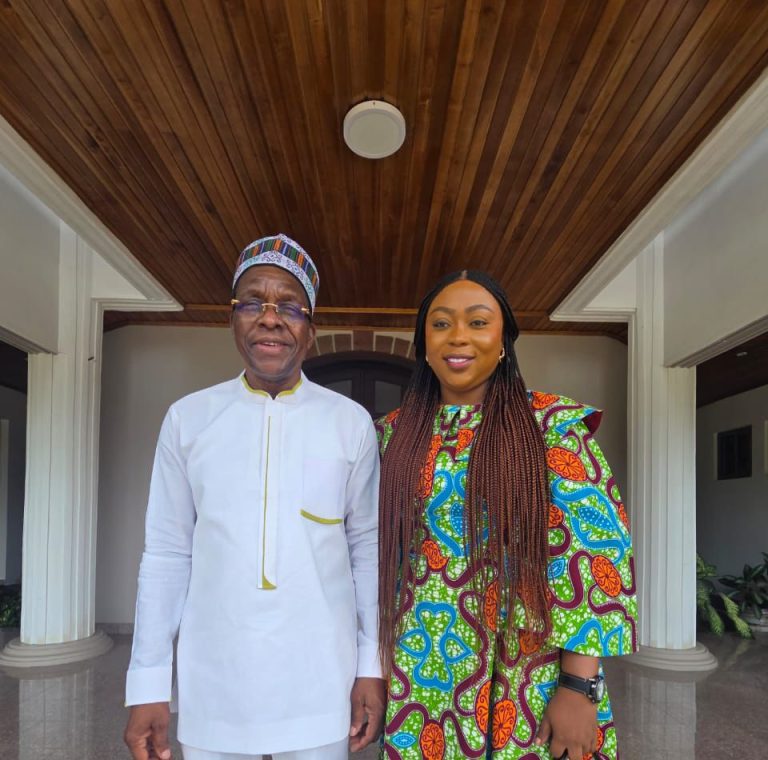
The initiative is being spearheaded by the Member of Parliament for Awutu Senya East, Phillis Naa Koryoo Okunor, as part of efforts to promote inclusive governance and community-driven development.

Ahead of the event, Hon. Okunor engaged the Speaker of Parliament, Alban Sumana Bagbin, at his official residence in Accra to seek guidance and support.

The engagement forms part of preparations to ensure the forum delivers meaningful outcomes, particularly in aligning national policy discussions with the needs of local communities.

Speaking after the meeting, Hon. Okunor underscored the importance of structured platforms that bring together traditional leaders, policymakers, and other stakeholders to contribute to governance and development.

The forum is expected to focus on defining the role of traditional authorities in governance, aligning stakeholder contributions with parliamentary priorities, and fostering partnerships between the public and private sectors to drive development in Kasoa and its surrounding areas.

She noted that the initiative goes beyond dialogue, aiming to establish a system where traditional leadership and local knowledge can meaningfully inform legislative processes.

Hon. Okunor added that her efforts are geared toward ensuring that residents of Awutu Senya East actively participate in shaping decisions that affect their lives.

The April 11 forum is expected to bring together traditional leaders, government officials, private sector actors, and civil society representatives, marking a significant step toward coordinated local development in the area.

World Autism Day in Ghana: Beyond Awareness to Meaningful Inclusion

Source: Ebenezer De-Gaulle

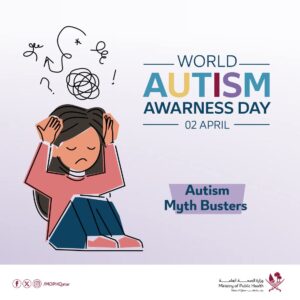
Every year on April 2, the world pauses to observe World Autism Awareness Day, a moment dedicated not just to raising awareness about autism, but to pushing for real change in how societies understand and support individuals on the autism spectrum.

World Autism Day
World Autism Day

In Ghana, the day is steadily gaining prominence, but it also exposes a deeper reality: awareness is growing, yet inclusion remains a work in progress.

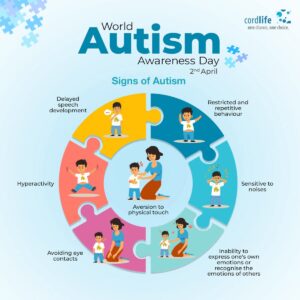
Autism spectrum disorder (ASD) is a neurodevelopmental condition that affects communication, behavior, and social interaction.

signs of Autism
signs of Autism

While global conversations around autism have evolved significantly, in Ghana, many families are still navigating a system that offers limited support and understanding.

Misconceptions persist, with some communities attributing autism to spiritual causes or poor parenting, rather than recognizing it as a medical and developmental condition.

The observance, established by the United Nations, is meant to promote acceptance and inclusion. But for many Ghanaian families, the journey begins with a struggle to even get a diagnosis.

Specialists trained in autism assessment are few, and early detection, widely known to improve outcomes are often delayed. As a result, children miss critical intervention windows that could significantly enhance their development.

In urban centres like Accra and Kumasi, a handful of private institutions and advocacy groups are stepping in to fill the gap.

Organizations such as the Autism Awareness Care and Training Centre have become lifelines for families, offering therapy, training, and educational support.

Autism advocacy
Autism advocacy

Yet these services are often expensive and out of reach for many households, especially in rural areas where access is even more limited.

Education remains one of the biggest challenges.Although Ghana has made policy commitments toward inclusive education, implementation is uneven.

Many mainstream schools lack the trained personnel, learning materials, and infrastructure needed to accommodate children with autism. In some cases, children are turned away entirely; in others, they are enrolled but receive little to no specialized support.

Parents often bear the emotional and financial burden. Beyond the cost of therapy and specialized schooling, there is the weight of social stigma. Some families report isolation, judgment, or pressure to hide their children from public view.

These experiences highlight a crucial point: awareness campaigns must go beyond information—they must challenge attitudes and reshape cultural perceptions.

Still, there are signs of progress. Public conversations about autism are becoming more visible, driven by media, advocacy campaigns, and the voices of parents and self-advocates.

Together for Autism
Together for Autism

Schools are slowly beginning to adopt inclusive practices, and some health professionals are receiving specialized training. Each step, however small, signals a shift toward a more supportive environment.

This year’s World Autism Day theme emphasizes moving from awareness to acceptance and inclusion.

For Ghana, this means investing in early diagnosis systems, expanding access to affordable therapy, training teachers, and enforcing inclusive education policies.

It also means listening to individuals with autism and their families—understanding their needs, respecting their experiences, and ensuring they are part of decision-making processes.

Ultimately, the measure of progress will not be how loudly autism is talked about, but how well individuals on the spectrum are able to live, learn, and thrive within society.

As Ghana marks the day, the challenge is clear: to build a future where autism is not just acknowledged, but accommodated and where every individual, regardless of ability, is given the opportunity to reach their full potential.

Sachet Water to sell at GH¢15 per bag from April 6

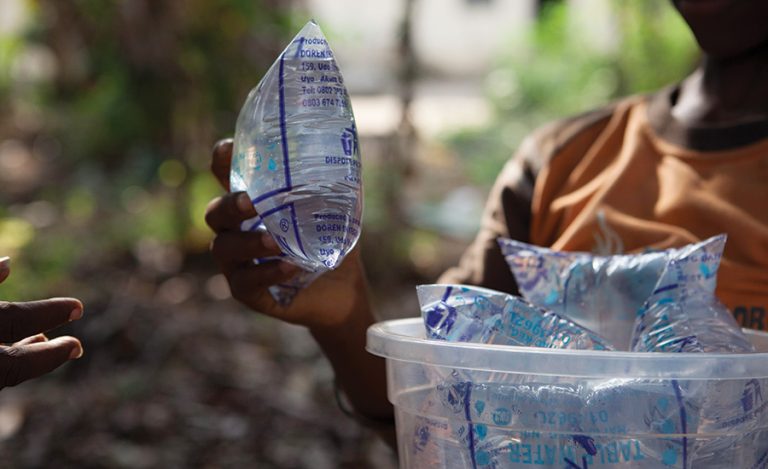
The National Association of Sachet and Packaged Water Producers (NASPAWAP) has announced an upward revision of sachet water prices, effective Monday, April 6, 2026.

In a statement issued on Thursday, April 2, 2026, NASPAWAP attributed the increase to the global shortage of polymers and rising costs driven by the ongoing conflict in Iran, which has significantly affected production.

“The rising costs have made it challenging for manufacturers to maintain current prices,” the group said.

The new recommended prices are:

  • Ex-factory: GH¢8 per bag of 30 sachets of 500ml
  • Ex-truck: GH¢10 per bag of 30 sachets of 500ml
  • Maximum retail: GH¢15 per bag of 30 sachets of 500ml

NASPAWAP urged retailers and consumers to adhere to the new prices to ensure fair trade practices.

“This adjustment is necessary to sustain production and ensure the continuous supply of safe drinking water,” the association added.

PAC Probes Lands Ministry Over GH¢80 Million Duplicate Claims and Weak Financial Controls

0

Source: Samuel Nyamekye Jnr.

The Public Accounts Committee (PAC) has intensified scrutiny of the Ministry of Lands and Natural Resources following revelations of major financial irregularities, including duplicate claims estimated at over GH¢80 million.

At a hearing in Accra, auditors’ findings exposed widespread discrepancies in the Ministry’s financial records, raising concerns about weak internal controls and accountability.

Member of Parliament for Awutu Senya East and PAC member, Phillis Naa Koryoo Okunor, described the situation as deeply troubling, as she questioned officials over anomalies captured in the audit report.

The report revealed that claims exceeding GH¢1.1 million were disallowed due to administrative lapses, including duplicate entries and payment requests for expenses already settled. Additionally, about GH¢3.7 million remains unaccounted for, with auditors citing missing documentation, lack of third-party verification, and poor record-keeping.

A key concern during the session was the disclosure of duplicate claims amounting to more than GH¢80 million. Committee members described the figure as alarming, suggesting it could indicate either serious inefficiencies or potential fraud within the system.

Hon. Okunor pressed officials on how such claims bypassed internal audit and financial control mechanisms before reaching the Ministry of Finance, and whether any investigations had been initiated to establish accountability.

In response, the Deputy Minister for Lands and Natural Resources, Yussif Sulemana, acknowledged the irregularities but attributed them partly to the complex structure of compensation payments in the sector.

He explained that such payments often involve multiple institutions, including the Lands Commission, and may be processed through different channels, which can lead to inconsistencies when coordination is weak.

However, PAC members demanded clearer accountability, urging technical officers within the Ministry to provide detailed explanations and take responsibility for the discrepancies.

“This report concerns your ministry, and accountability must be ensured,” the Committee stressed.

The probe highlights growing concerns over public financial management and reinforces calls for stronger oversight to safeguard public funds.

Ghana’s Inflation Slows for 15th Straight Month in March

Source: Ebenezer De-Gaulle

Ghana’s inflation eased further in March, reinforcing signs of macroeconomic stabilization after years of elevated price pressures.

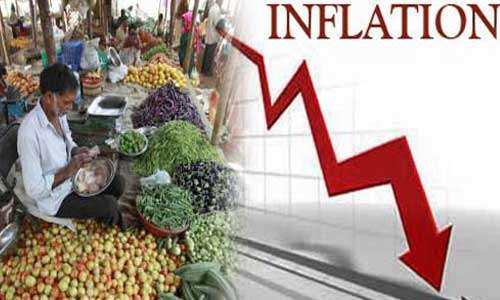
Annual consumer inflation slowed to 3.2%, down slightly from 3.3% in February, according to data released Wednesday by the Ghana Statistical Service. That marks the 15th straight month of declines and a sharp drop from 22.4% a year earlier, underscoring the country’s steady disinflation path.

“This is the lowest inflation recorded since the rebasing of the CPI in 2021,” Government Statistician Alhassan Iddrisu said, citing food-price moderation as the main driver.

On a monthly basis, prices edged up 0.1%, suggesting underlying pressures remain. Food inflation fell to 2.3% from 2.4%, with prices down 0.3% month-on-month. Non-food inflation eased to 3.9%, though prices in that category rose 0.3%.

Goods inflation dropped sharply to 1.7% from 3.2%, with goods prices down 1% month-on-month. Services inflation, however, surged to 7.2% from 3.7%, highlighting cost pressures in that segment.

Imported inflation slipped into negative territory at -0.6%, reflecting easing external price pressures and possible exchange-rate gains. Locally produced items rose to 4.9% from 4.5%, pointing to divergent trends between domestic and foreign-sourced goods.

Regional disparities remain stark: the North East Region posted the highest inflation, while the Savannah Region recorded deflation of -4.6%, underscoring differences in supply chains and market access.

The sustained slowdown signals Ghana’s gradual recovery from its worst economic crisis in decades. Lower inflation is expected to bolster consumer purchasing power and improve business confidence, strengthening the case for continued stabilization.

GH¢154,000 Gender Ministry Claims Delayed by Audit Requirement

0

Source: Mavis Fantevi

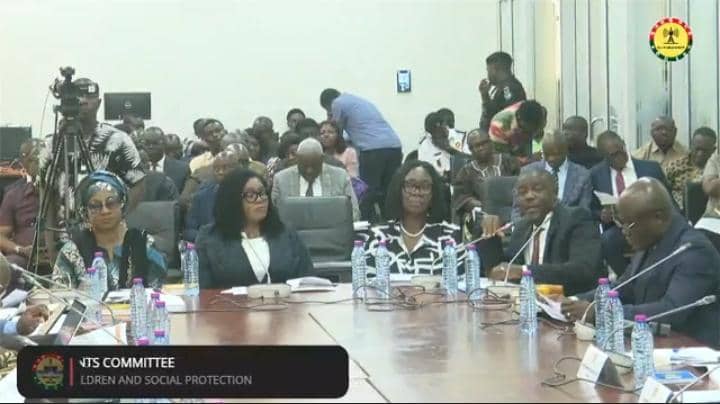
The Public Accounts Committee (PAC) has been told that a change in audit requirements has delayed the clearance of several small claims totaling GH¢154,000 at the Ministry of Gender, Children and Social Protection.

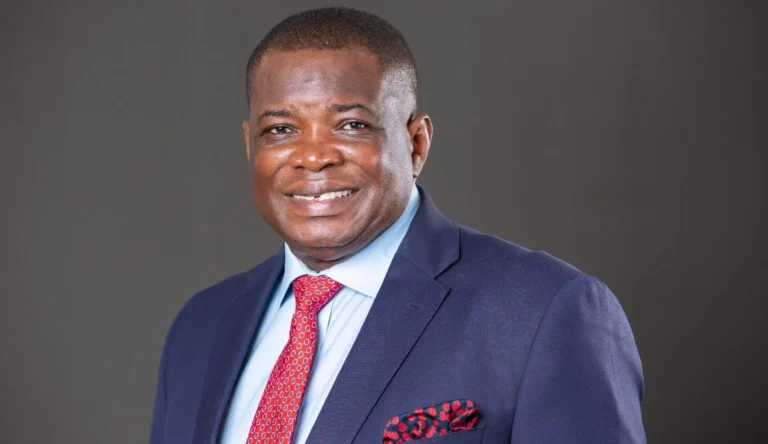
Appearing before the committee on Tuesday, April 1, 2026, Acting Head of Finance at the ministry, Kenneth Kyei Boateng, explained that all standard documentation requested by auditors had been duly submitted.

However, he said the auditors later introduced an additional requirement for suppliers to provide tax credit certificates from the Ghana Revenue Authority, a condition that was not part of the initial procurement and payment process.

According to him, this unexpected demand created a bottleneck, as suppliers were unable to produce the documents retroactively.

“The documentation required from us was provided to the auditors, except that they introduced a new requirement for suppliers’ tax credit from GRA, which was not part of the original process,” he told the committee.

He further noted that the ministry had already received goods and services from the suppliers under the agreed terms, making it difficult to go back and obtain the newly requested tax documentation.

“Because of that, the suppliers could not get it for us to forward to the auditors to enable the clearing of the claims,” he added.

The development has stalled the validation and payment of the claims, raising concerns within the committee about consistency in audit procedures and the impact of evolving requirements on public financial management.

Members of the Public Accounts Committee are expected to further examine the issue as part of ongoing efforts to ensure transparency and accountability in the use of public funds.

Why a 4th Estate Article on Sole Sourcing for Road Contracts in Ghana Has Become Controversial

0

Source: Ebenezer De-Gaulle

Ghana’s investigative media landscape was set ablaze this week after The Fourth Estate — the investigative arm of the Media Foundation for West Africa published a report revealing the scale of sole-sourced contracts awarded under President John Mahama’s flagship “Big Push” infrastructure programme.

The report has ignited a fierce national debate touching on transparency, political hypocrisy, the rule of law, and the integrity of Ghana’s public procurement system.

Using data obtained through Right to Information (RTI) requests, The Fourth Estate reported that 81 sole-sourced contracts valued at more than GH₵73 billion were awarded within seven months under the Big Push initiative, and that approximately 76% of contracts awarded between September 2025 and February 2026 were through sole sourcing.

The outlet further reported that 90% of the total amount of money expected to be spent on roads under the Big Push programme so far had been disbursed through sole-sourcing.

Of the 107 contracts awarded without a competitive selection process, 81 were sole-sourced to the tune of GH₵73 billion, while the remaining 26 contracts worth about GH₵8 billion were awarded through selective tendering.

The controversy is rooted partly in what Ghana’s procurement law says and what it permits under pressure.

Ghana’s Public Procurement Act (Act 663) frowns on the regular and unjustified use of sole-sourcing. It only permits it under exceptional circumstances.

Section 40(1) of the law prescribes exceptional cases to include circumstances where goods, works, or services are only available from a particular supplier or contractor who has exclusive rights to them or when there is an urgent need during catastrophic moments or emergencies during which using other procurement methods would be impractical.

This legal framework is at the heart of the dispute: was the urgency around Ghana’s roads genuine enough to justify bypassing competitive tendering on this scale, or did the government stretch the definition of “urgency” far beyond its intended scope?

The Mahama administration is being accused of hypocrisy after awarding 107 road contracts without a competitive selection process, given that the administration was vocal in its opposition to sole sourcing under the Akufo-Addo administration it replaced. This is not a minor inconsistency.

The majority leader and leader of government business in Parliament, Mahama Ayariga, audaciously proclaimed to Parliament on March 11, 2026, that “let it be known, the era of the sole-sourced contract is dead.”

That statement now reads as deeply ironic given the Fourth Estate’s findings.

The controversy carries particular political weight because President John Mahama pledged during his State of the Nation Address to minimise sole-source procurement and encourage competitive bidding.

He repeated the commitment at the 2026 State of the Nation Address in February, telling Parliament that legislation would be introduced to ban sole-sourced contracts except in exceptional circumstances.

The government has pushed back after the release of The Fourth Estate’s report.

Roads and Highways Minister Kwame Governs Agbodza told Parliament that only 44% of the major contracts under the initiative were sole-sourced, and that more than 400 contracts had been awarded through open competitive tendering, which he described as unprecedented for the sector.

The Minister explained that a mix of procurement methods was used in line with the laws of Ghana, and that all projects awarded under the Big Push programme have been published on the ministry’s website.

However, there is a significant factual dispute at the core of this defence.

The Minister’s claim that contracts were procured predominantly through restrictive tendering was at odds with data obtained by The Fourth Estate from his own Ministry and the Ghana Highway Authority.

This contradiction between a minister’s public statements and official data obtained by journalists through RTI is itself a major red flag for accountability advocates.

NDC Communications Officer Sammy Gyamfi also waded in, arguing that the urgency of Ghana’s deteriorating road network justified the approach.

He explained that the surveying, designing, and costing of the Big Push road projects alone took the Ministry approximately seven months, and that relying on National Competitive Tendering could have delayed project commencement by several more months, pushing completion timelines beyond 2028.

Gyamfi stated there was “not a scintilla of evidence” to support claims that the projects were unlawful or that costs were inflated, insisting that all sole-sourced contracts received prior Public Procurement Authority (PPA) approval.

Multiple civil society leaders who spoke to The Fourth Estate condemned the ministry’s over-reliance on sole-sourcing, arguing it undermines transparency and value for money, and betrays the President’s own promises.

Programme Manager for the Independent Journalism Project at the Media Foundation for West Africa, Kwaku Krobea Asante, said the growing reliance on sole sourcing by governments reflects a troubling pattern where political promises on procurement reform are often abandoned once in power.

He further warned that such inconsistencies risk undermining the core objectives of Ghana’s procurement framework  particularly transparency, competitiveness, and value for money.

From Parliament, the opposition was equally sharp. Kennedy Osei Nyarko, Ranking Member of Parliament’s Roads and Transportation Committee, said the Big Push initiative has the potential to improve connectivity and open up major economic corridors.

However, he called on the government to publish the full details of all contracts awarded under the programme so that Ghanaians could independently assess the policy.

Adding another layer of controversy is the fact that the government and The Fourth Estate appear to be talking about different datasets.

The discrepancy between the government’s 44% figure and The Fourth Estate’s 76% figure reflects differing definitions the Minister’s own interview acknowledged a mix of procurement methods: 50 projects issued under commitment authorisation, 47 procured through sole sourcing, and seven through restricted tendering.

The government also sought to clarify that some reports erroneously included 23 inherited road projects  initially awarded by the previous NPP administration — as part of the current government’s sole-sourced contracts.

These projects, including the Suame Interchange, Ofankor-Nsawam, and Adenta-Dodowa roads, were not re-awarded but simply novated and funded under the Big Push programme.

Whether this nuance exonerates the government or merely reduces the headline figure is itself a matter of fierce debate.

At its core, this story is about more than procurement statistics. It is about whether a government that rode to power partly on a transparency and anti-corruption platform is willing to live by those principles once in office.

Policy analyst Alfred Appiah stressed the inherent risks of sole-sourcing within Ghana’s political context, including inflated costs, incompetent contractors, and political favouritism.

The Fourth Estate’s investigation is controversial precisely because it holds power to account using the government’s own data obtained through RTI requests  and the government’s own past words.

Whether one believes the Big Push’s urgency justifies the procurement approach or not, the gap between President Mahama’s pledges on transparency and what the data shows is a legitimate public interest story.

Government Secures Clearance to Recruit 7,000 Teachers to Address Shortages

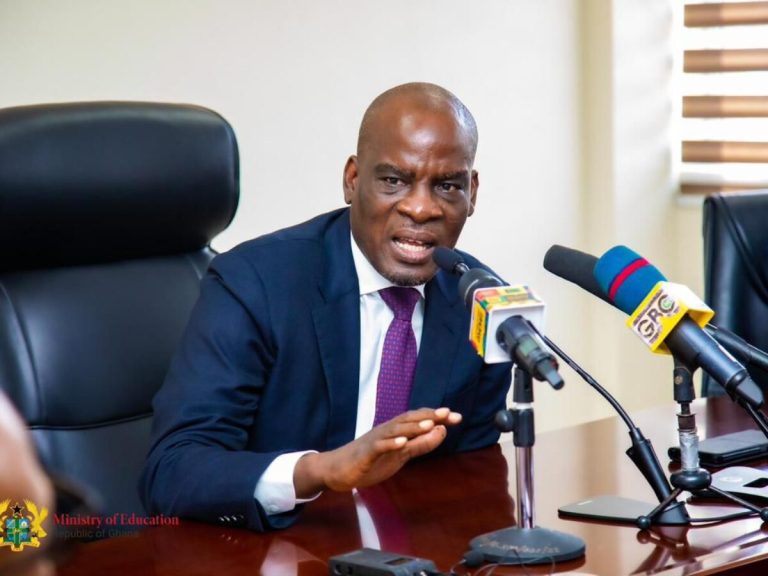
In a move to tackle teacher shortages, the Ministry of Education has secured financial clearance to recruit 7,000 teachers in the coming months.

Education Minister Haruna Iddrisu revealed that the Ghana Education Service will open its recruitment portal from April 10 to July 1, 2026.

Addressing a news conference in Accra on April 1, he acknowledged that staffing gaps persist, with current figures showing more than 30,000 vacancies nationwide, impacting the quality of education delivery.

He disclosed that the 2026 national budget has allocated more than GH¢39 billion to the education sector, with a portion reserved to support recruitment.

Mr. Iddrisu further indicated that graduates from 2022 to 2025 are eligible to apply, with priority given to those willing to serve in deprived and underserved areas.

“Graduates from 2022 to 2025 may apply for placement across the country. Priority will be given to those who are ready and willing to serve in deprived and underserved areas where we have identified significant teacher gaps,” he stated.
He assured that the recruitment process would be competitive and transparent.

“The GES application portal will be opened from Friday, April 10, 2026. It will be a competitive and transparent process, with emphasis on those willing to serve in deprived areas,” he added.

The Minister also hinted at plans to decentralise teacher recruitment to improve efficiency.

“At least on or before July 1, 2026, the process should be closed,” he noted.

In addition, Mr. Iddrisu revealed that tertiary institutions will undertake limited recruitment to strengthen their academic workforce, with about 1,200 faculty members expected to be employed under the guidance of the Ghana Tertiary Education Commission.

The initiative is expected to ease pressure on schools and improve teaching and learning outcomes across the country.

From Aspiring Driver to Lawyer: The Journey of Elikem Kwaku Ahialey

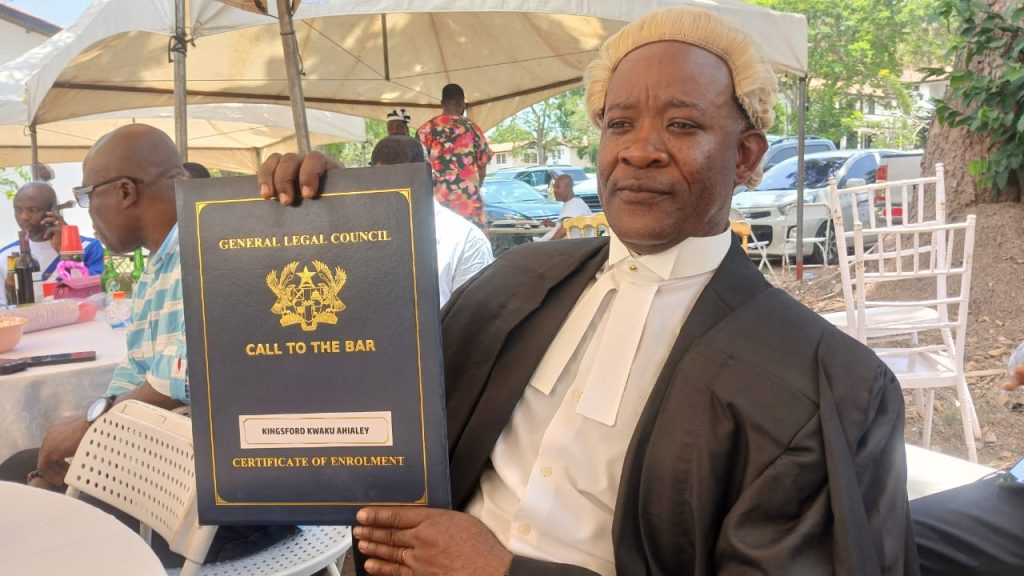
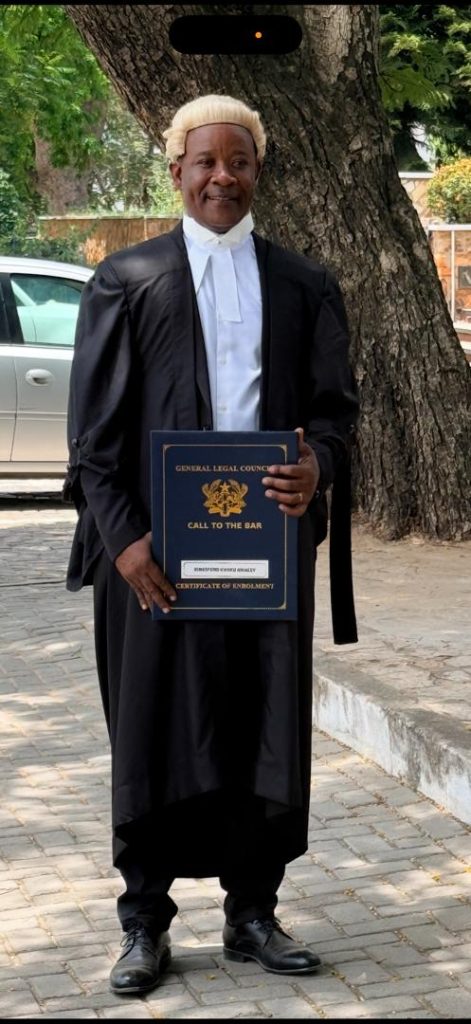
At a recent ceremony held at the Cedi Conference Centre of the University of Ghana, a new group of lawyers was officially welcomed into the profession. Among them was Barrister Elikem Kwaku Ahialey, whose story of hard work and determination caught many people’s attention.

Barrister Ahialey, whose official documents once bore the name Kingsford Kwaku Ahialey, said he chose to change his name to reflect his Ghanaian identity and cultural roots.

“I wanted a name that shows where I come from,” – he said.

His journey to becoming a lawyer was not easy. Growing up in a poor environment, he once dreamed of becoming a driver. At the time, even getting enough food to eat each day was a challenge.

“There was no fixed time for meals. I ate whatever I could find,” he recalled.

From Aspiring Driver to Lawyer: The Journey of Elikem Kwaku Ahialey

Things began to change when he attended Adisadel College in Cape Coast. There, he met students from different backgrounds, which helped him see new possibilities for his future.

He went on to study Chemistry at the University of Cape Coast and later earned a diploma in education. After teaching for some time, he continued his studies and obtained a master’s degree in Nuclear and Radiochemistry from the University of Ghana. This led to a job as a research scientist at the Ghana Atomic Energy Commission. He later studied Communication and moved into a new role.

Despite his success in science, a personal experience pushed him toward law. He explained that his nephew was once arrested and treated unfairly by the police. When he tried to ask questions, officers changed their attitude after learning he was not a lawyer.

That moment inspired him to study law so he could help others. He applied to the University of Ghana School of Law, continued to the Ghana School of Law, and successfully completed his training.

Now a lawyer, Barrister Ahialey says he wants to help people who cannot afford legal services.

“I want to speak for those who don’t have a voice,” he said.

He also encourages young people not to give up on their dreams.

“Just start,” he advised. “Don’t wait until everything is perfect.”

Today, his story stands as a strong example of how determination and opportunity can lead to success.

Ghana| Victor Morrison | University of Ghana

Why Okyeame Kwame Deserves Celebration at 50

In the mid-90s, Ghana’s hiplife scene was still taking shape, and one of the pioneering forces was the duo Akyeame, featuring Okyeame Kwame.

Together, they introduced a unique blend of rap and traditional Ghanaian rhythms, using the Twi language and cultural themes to define a new sound.

After the group split, Okyeame Kwame successfully transitioned into a solo artiste, releasing notable songs like Woso, Faithful, Small Small, and the widely celebrated Made in Ghana, cementing his place as a purposeful and consistent hitmaker.

Why Okyeame Kwame Deserves Celebration at 50

Unlike many artists, he didn’t fade away. For nearly 30 years, he has stayed relevant, releasing meaningful music that promotes national pride, good values, and social change. His song Made in Ghana has even become a key part of Ghana’s Heritage Month celebrations.

But his impact goes beyond music.

Okyeame Kwame is highly educated, with multiple university degrees, and is currently pursuing a PhD. He has inspired many Ghanaian artists to take education seriously.

He is also deeply involved in health campaigns. Through his foundation, he has helped screen and vaccinate over 10,000 people against hepatitis and continues to promote healthy living.

Internationally, he has been honored for his influence, including having a special day named after him in Cincinnati, USA. He has also worked with global organizations like the World Bank and UNICEF.

In addition, he is a writer, actor, climate change advocate, and brand ambassador. His “Made in Ghana” campaign encourages people to support local products and celebrate Ghanaian culture.

Why Okyeame Kwame Deserves Celebration at 50

At 50, Okyeame Kwame is not just a musician—he is a role model, educator, and leader. Celebrating him is about recognizing a lifetime of hard work, positive impact, and dedication to Ghana and beyond.

Ghana|Atinkaonline.com| Charles Akrofi