

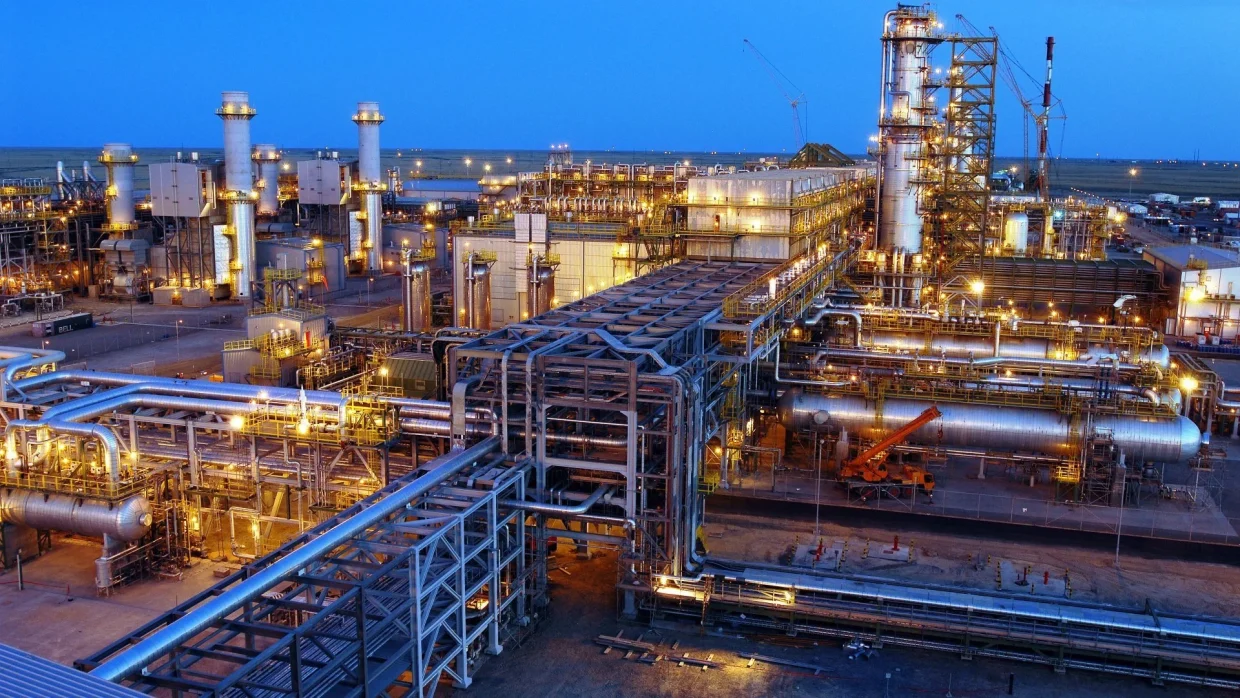
Africa has what many parts of the world need: a young population, vast land, minerals, oil and gas, sunshine, rivers and a growing market.
Yet there is a troubling question: Why does a continent so rich in resources remain so dependent on others for finished goods?
That question sits at the heart of Africa’s development challenge.
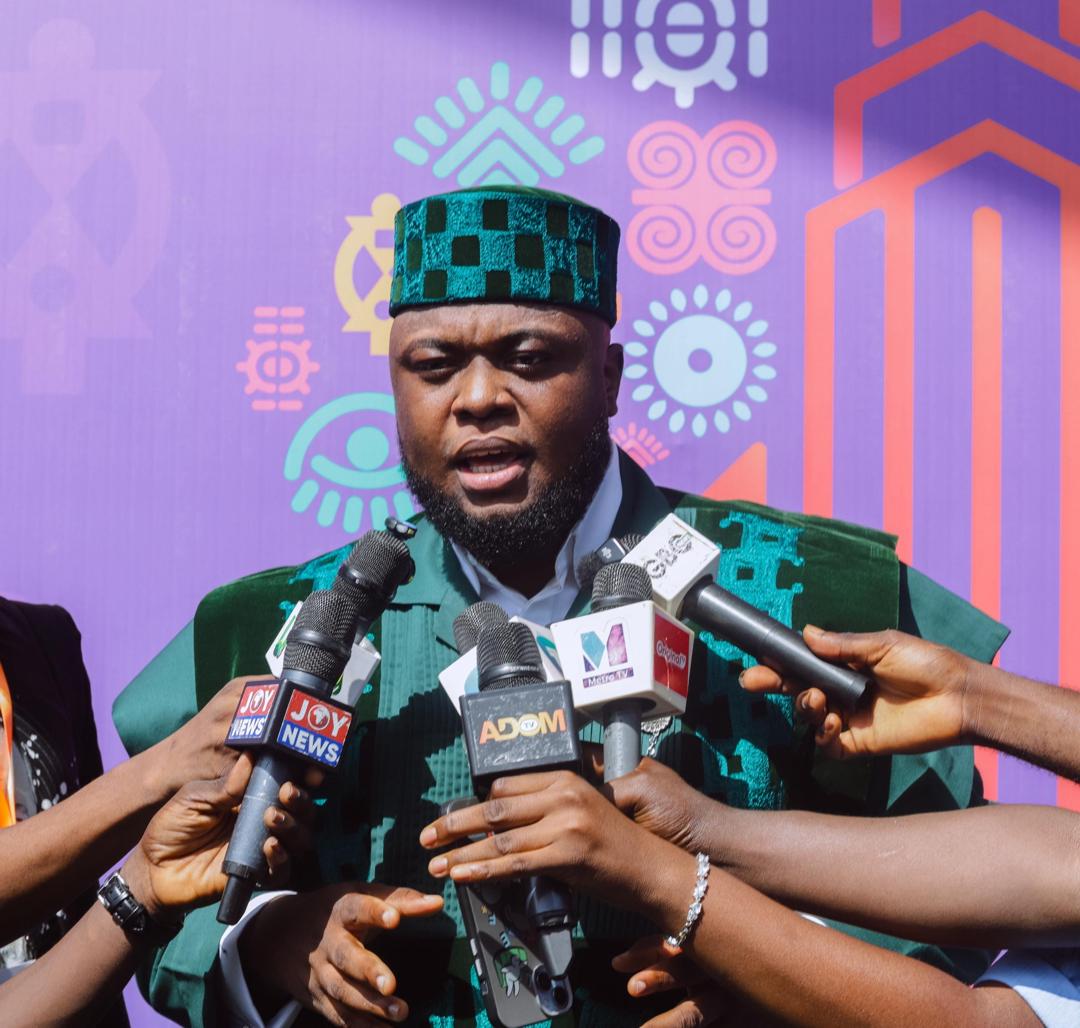
Former Power Minister Dr Kwabena Donkor, speaking at the Students and Young Professionals African Liberty Academy (SYPALA), offered a blunt warning: Africa cannot build strong industries if it does not have enough affordable and reliable electricity.
His argument goes beyond electricity. It is really about the kind of future Africa wants.
From exporting raw materials to making finished products
For decades, African countries have exported cocoa, gold, bauxite, iron ore, crude oil and other raw materials, only to import products made from those same resources.
This model creates limited jobs and leaves much of the value of Africa’s resources in other countries.
Imagine, for example, if African countries could mine iron ore, turn it into steel and use that steel to manufacture cars, machines and construction equipment on the continent.
The same thinking can be applied to cocoa, cotton, oil, bauxite and other resources.
Africa’s future industries must therefore be built around value addition.
The goal should not simply be to ask, “What can we export?”
The better question is: “What can we make?”
Power is the foundation
Factories cannot operate without reliable electricity.
A company may have machines, workers, land and customers, but if its electricity supply is unreliable or too expensive, it will struggle to compete.
This is why Africa’s energy debate must be closely connected to its industrialisation plans.
Renewable energy has an important place in Africa’s future. Solar power can help homes, schools, health centres and small businesses, particularly in areas far from the national grid.
But large factories often need electricity that is available day and night.
This means African countries must be practical. They need to develop a mix of energy sources based on their own resources and needs.
Where hydropower is available, it should be developed responsibly. Where natural gas is available, it can play a role. Solar and other renewable sources should be expanded where they are economically and technically suitable.
The real target should be simple: cheap, reliable and sufficient power for African industries.
Africa must not choose between development and the environment. The debate over energy sometimes creates a false choice.
It can appear as though Africa must choose between industrialisation and protecting the environment.
That should not be the case.
Africa should pursue cleaner energy while also recognising that millions of Africans still lack reliable electricity and that millions more need jobs.
The continent’s contribution to global emissions remains relatively small compared with major industrial economies. That does not mean Africa should ignore climate change. It means Africa should have a strong voice in deciding how the transition should happen.
African leaders must negotiate for technology, financing and investment that allow the continent to become greener without remaining poor.
The energy transition should be an opportunity for Africa, not another barrier to industrialisation.
The African market is a powerful advantage
Africa’s greatest economic asset may ultimately be its people.
The continent has a rapidly growing population and an expanding middle class. That means millions of potential consumers for African-made products.
The African Continental Free Trade Area can help turn this population into a major economic market.
African governments also have an important role to play.
Government cannot simply tell the private sector to “go and create jobs” while providing poor roads, unreliable electricity, expensive financing and complicated regulations.
Governments must invest in power, roads, ports, railways, digital infrastructure and skills to position the continent as a place where products are designed, manufactured and exported.
That transformation will not happen overnight.
But the foundations can be built today -reliable electricity.
Africa has the resources, it has the market, it has the people.
What it needs now is the courage to connect these advantages into a long-term industrial strategy.
The future of African industry should not be about waiting for the world to develop Africa. It should be about Africans developing Africa.
Ghana|Atinkaonline.com|Ebenezer Madugu


[…] Africa’s Industrial Future: The Choices We Must Make Today […]