
The Bank of Ghana (BoG) has engaged members of the Ecumenical Community as part of efforts to deepen public understanding of the proposed Non-Interest Banking and Finance (NIBF) framework.
The engagement, held on Monday, August 31, 2026, at Bank Square in Accra, formed part of the central bank’s ongoing stakeholder consultations and public education on the framework.
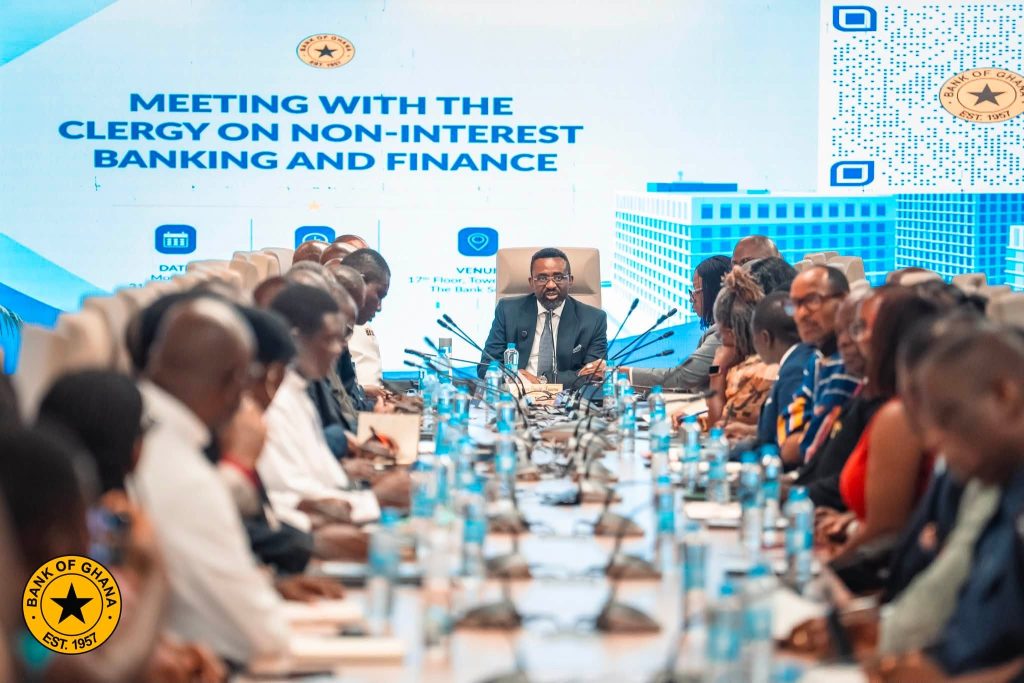
The session was led by the Governor of the Bank of Ghana, Dr. Johnson Pandit Asiama, who addressed concerns surrounding NIBF and explained the regulatory approach underpinning its implementation.
Governor Asiama stressed that NIBF is intended to complement, rather than replace, conventional banking, providing consumers with additional financial options within an inclusive and non-discriminatory financial system.
He said the focus of the framework was on its potential economic and developmental benefits, including expanding access to financial services, increasing product diversity and giving consumers greater choice.
“Our focus is on its economic and developmental benefits, including wider access to financial services, product diversity, and consumer choice,” he said.
The Governor also clarified the Bank of Ghana’s role in regulating NIBF, stressing that the central bank’s responsibility was institutional and financial rather than religious.
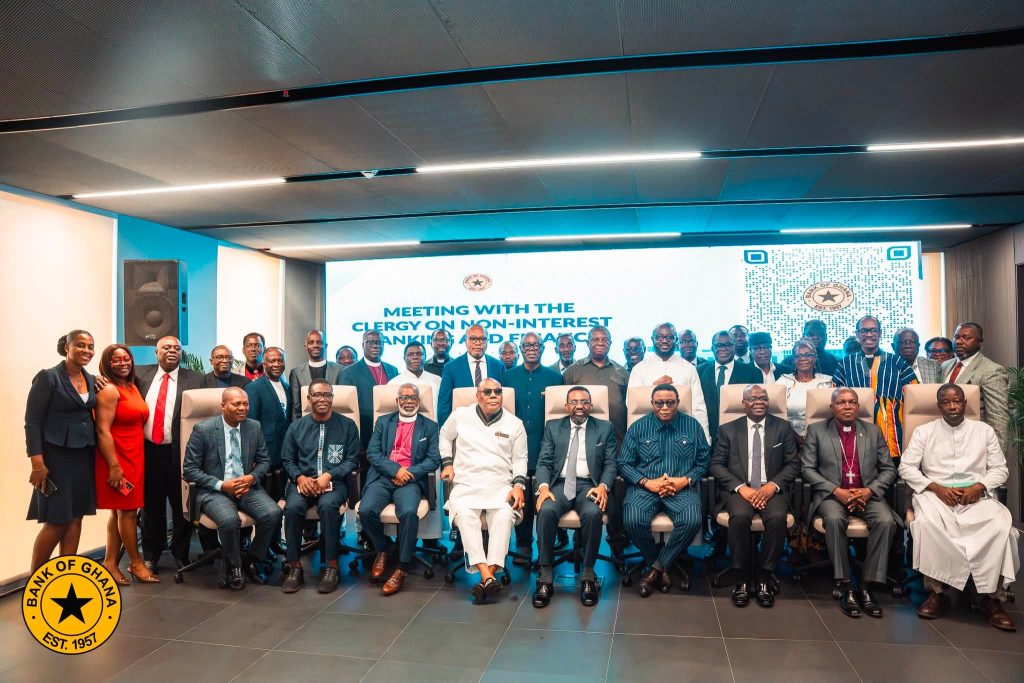
“The Bank does not pronounce on religious beliefs; our responsibility is to regulate institutions and products,” he said.
According to him, the regulatory framework would therefore be guided by the need to ensure sound financial practices, consumer protection and equal treatment of participants in the financial sector.
Governor Asiama further emphasised the importance of sustained engagement with stakeholders and the public as the Bank advances work on the NIBF framework.
He noted that effective public education required dialogue and the opportunity for stakeholders to raise concerns, seek clarification and contribute to the process.
“Public education cannot be one-way,” he said.
The engagement with the Ecumenical Community is part of broader consultations by the Bank of Ghana aimed at building understanding and confidence around non-interest banking and finance and ensuring that stakeholders are adequately informed about the framework and its implications for Ghana’s financial sector.
Ghana|Atinkaonline.com|Mavis Fantevi