These are dangerous to the health of children below 5 years!

  1. 1. Honey
  2. 2. Hard, Round, Sticky Foods
  3. 3. Raw eggs
  4. 4. Caffeine
  5. 5 .Cough mixture

1. honey

Honey may contain Clostridium spores, a compound that can cause a condition called Infantile Botulism, which can cause paralysis, muscle weakness, and many other health risks to children less than 12 months of age

2. Hard, rounded, sticky foods

(i)Popcorn                                                     (ii)chewing gum                               (iii)mash mellow  Hollywood's Streaming Nemesis Popcorn Time Gets A VPN, But You'll Have To  Pay For It | TechCrunch                             Chewing gum can shed microplastics into saliva, pilot study finds -  American Chemical Society               Homemade Marshmallows Recipe

These are choking hazards that can cause your child to choke and even die. They are one cause of injury-related germs. Children below five years old do not chew well enough; they lack the molars that are necessary to simply crush and manage these foods. Ensure that you crush or cut to the appropriate size for your child, or avoid them.

2.raw eggs

Raw eggs and raw egg products contain Salmonella, which is not good for children below the age of five because they are prone to foodborne illnesses. If you want to feed your child eggs, then ensure that they are properly cooked.

4. caffeine

All Children as young as 12 years old cannot take caffeine. It increases heart rate, sleep disturbances, irritability, and poor appetite. Breastfeeding mothers should take note of this, as it may affect children through breastfeeding.

  • Cough mixture

This might come as a surprise, but cough mixtures are not necessary for children under 5 years old. They can cause irregular heart rate, confusion, and hallucination. Visit a pediatrician for anything concerning the health of your child.

By Emmanuella Antwi

Ghana Opens Africa’s Door at Japan Expo

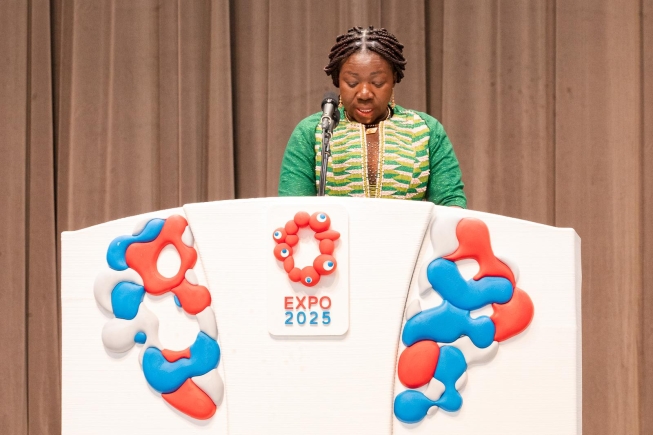
Ghana has urged international investors to capitalize on the nation’s strategic location as the entry point to West Africa in a compelling presentation at the current Osaka World Expo 2025 in Japan.

The head of Ghana’s delegation, Elizabeth Ofosu-Adjare, Minister for Trade, Agribusiness, and Industry, assured attendees at the Ghana National Day event that Ghana is still dedicated to creating a transparent and open business environment that encourages creativity and long-term collaborations.

“Ghana remains a strategic entry point into the ECOWAS sub-region and an anchor for Africa-wide trade, hosting the AfCFTA Secretariat, we want the world to know that Ghana is open for business, and more importantly, that Ghana is ready for partnership.” She said.

According to Mrs. Ofosu-Adjare, Ghana’s involvement in the Expo was not only symbolic; rather, it was a conscious effort to present the country to the international business world as a place with “boundless possibilities.” As benefits for potential investors, she mentioned Ghana’s political stability, vibrant youth population, and involvement in continental trade.

The government of President John Dramani Mahama was pushing industrialization with a “private sector first” strategy, she added, and she encouraged investors to look into prospects in ICT, agribusiness, health, education, industry, tourism, and culture. The Accelerated Export Development Program, Feed the Industry Program, Made-in-Ghana Campaign, and the Free Apprenticeship Program were some of the key projects she highlighted.

Speaking about bilateral ties, the Minister reiterated Ghana’s friendship with Japan, which she described as being based on “decades of mutual respect and collaboration.” She pointed out that while Japan supplied Ghana with high-quality products like cars, electronics, and machinery, Ghana’s exports to Japan—primarily cocoa, gold, and coffee—kept increasing consistently.

The 2025 World Exposition’s Vice Commissioner General, Mr. Shigeto Shikeyema, also emphasized Ghana and Japan’s common principles, stating that their connection is based on democracy, the rule of law, and a shared history dating back to 1957. Next year will mark the centennial of Japanese scientist Dr. Hideyo Noguchi’s visit to Ghana in 1927 and the 70th anniversary of established diplomatic relations between the two countries, he remembered.

Hundreds of Japanese people attended the Ghana Day event, which showcased Ghana’s rich cultural legacy through a variety of acts. The Expo’s theme is “Designing Future Society for Our Lives,” and Ghana has matched the sub-theme “Empowering Lives” with its national theme, “Ghana: A Country of Possibilities and Empowerment.”

Tema Police Intercept  Smuggled Cocoa Beans at Ada 

0

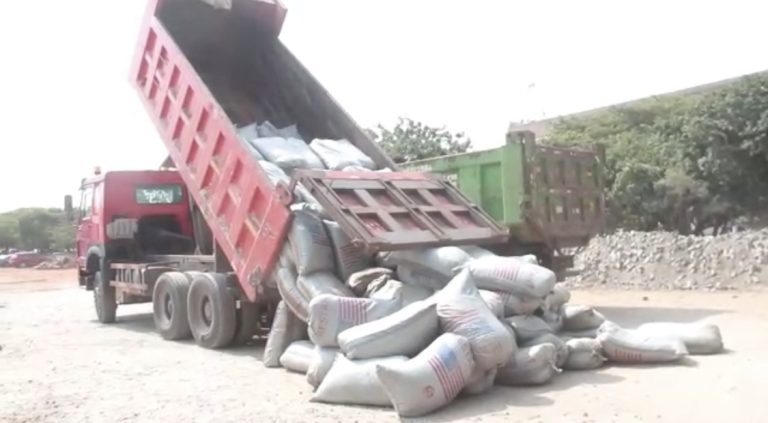
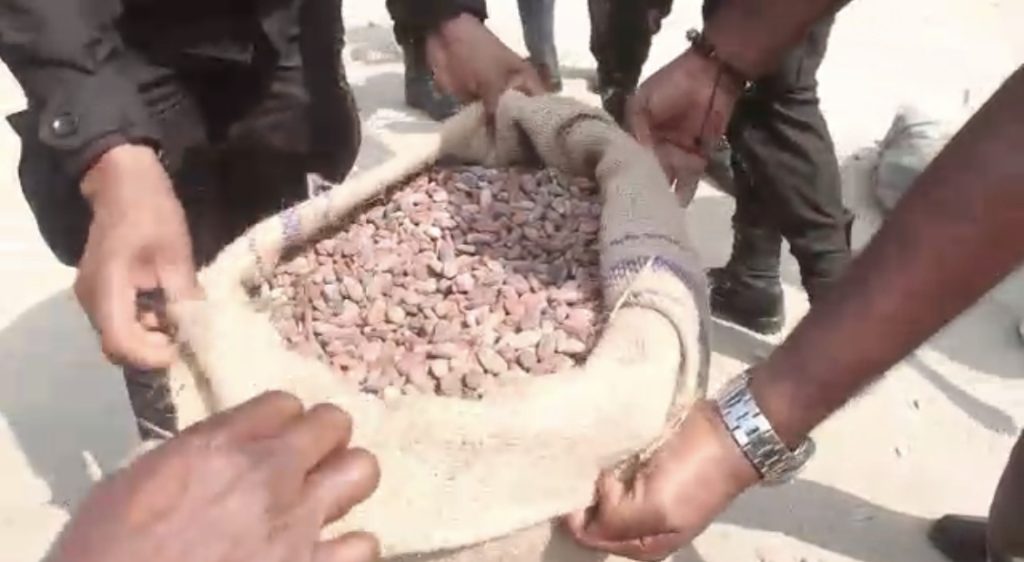
The Tema Regional Police Command has intercepted two trucks carrying smuggled cocoa beans at Big Ada, suspected to be en route to neighbouring Togo through the Volta Region.

Acting on intelligence during routine surveillance operations, officers impounded two tipper trucks with registration numbers GN 6953-22 and GR 9877-12. 

The trucks were transporting a total of 238 maxi bags of cocoa beans concealed under other goods in an attempt to evade security checks.

Police suspect that the smugglers intended to transport the cocoa across the sea via Big Ada into the Volta Region and ultimately to Togo, in violation of Ghana’s export regulations.

The drivers of the two trucks are currently in police custody and assisting with ongoing investigations.

Ghana|Atinkaonline.com|Philip Azu 

Social Media Is the Greatest Tool for Change – Hon. Paul Apreku Twum-Barimah Tells African Youth

0

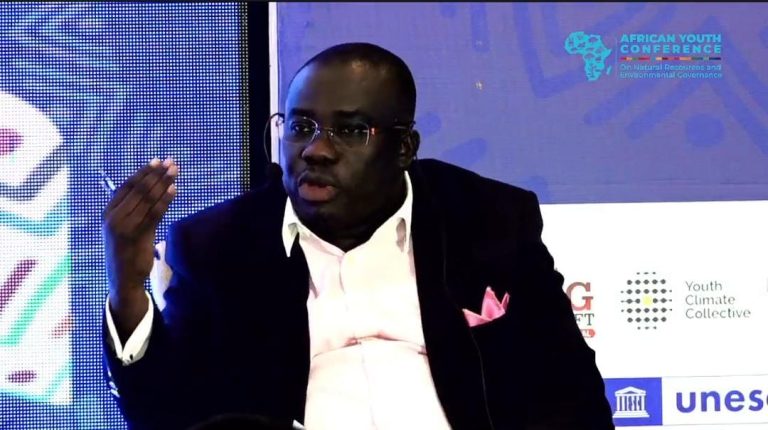
The Member of Parliament for Dormaa East in the Bono Region, Hon. Paul Apreku Twum-Barimah, has urged young people across Africa to harness the power of social media to drive social change, influence policy, and transform the continent’s natural resource governance.

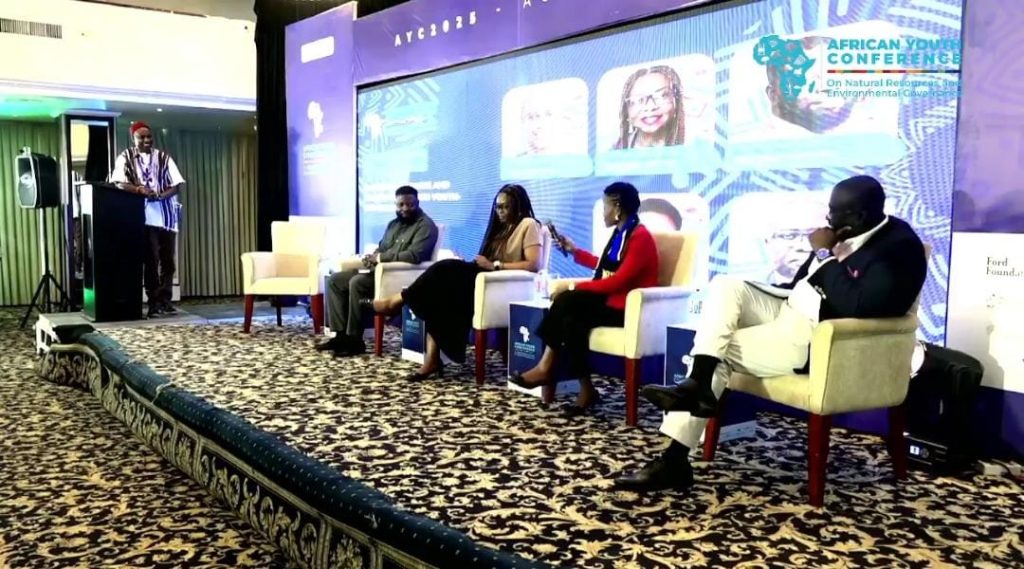
Speaking at the 2025 African Youth Conference on Natural Resources and Environmental Governance, the MP emphasized that social media remains the most accessible and powerful platform for youth advocacy today.

“One of the biggest platforms we have as youth is social media. We can use it to change a lot of things for ourselves, lead important causes, and drive development. Let’s stop using it for insults and distractions—let’s use it to shape the future we want,” he charged.

The three-day conference, themed “Transforming Africa’s Natural Resource Governance Through Youth-Led Solutions”, was organized by the Strategic Youth Network for Development (SYND) and brought together over 300 participants including young leaders, government officials, civil society actors, and private sector stakeholders from across the continent.

Paul Apreku Twum-Barimah

Hon. Twum-Barimah also criticized the politicization of public service appointments and called on youth to rise above partisan divides.

He lamented that some youths have instead used social media to attack public figures, often along political lines, rather than focusing on promoting unity and action-driven advocacy.

“I’ve seen young people insult ministers online and later walk into those same offices asking for support. We must rethink how we use our voices,”- he added.

On environmental governance, the MP called for dedicated youth funding in the climate sector. He proposed the establishment of a green finance facility to support young people engaged in climate action initiatives. He stressed that such a fund must be protected from political interference and sustained through domestic budgeting and international support.

Citing examples from Nigeria and other African nations where youth-led social movements have driven major policy shifts, Hon. Twum-Barimah reiterated that Africa’s transformation hinges on the energy and innovation of its 830 million youth.

He also touched on the need to improve funding for district-level disability and social development programs, urging the youth to mobilize and advocate for policy reforms using digital platforms.

Ghana|Atinkaonline.com|Ebenezer Madugu

C/R: Abandoned Cold Store Project in Gomoa Nyanyano: Chief Calls for Action

0

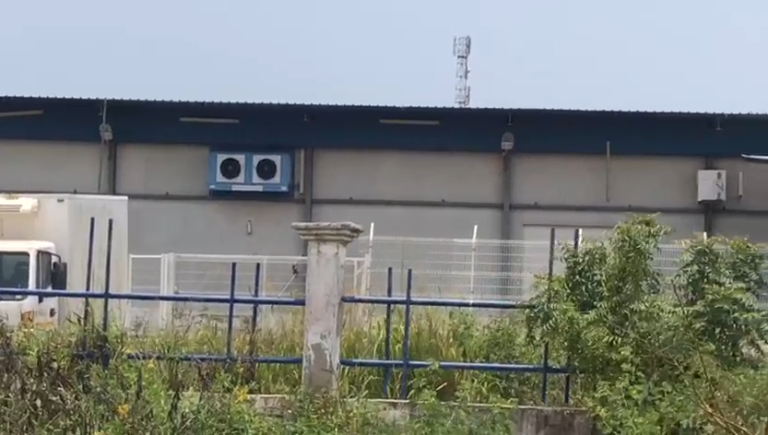
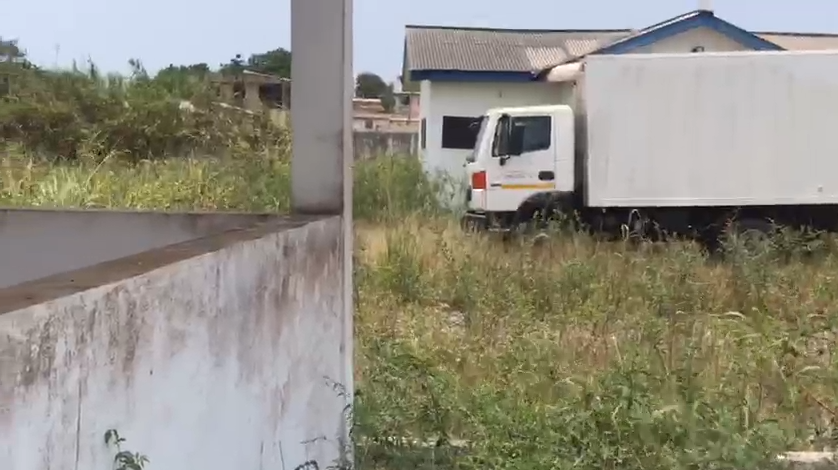
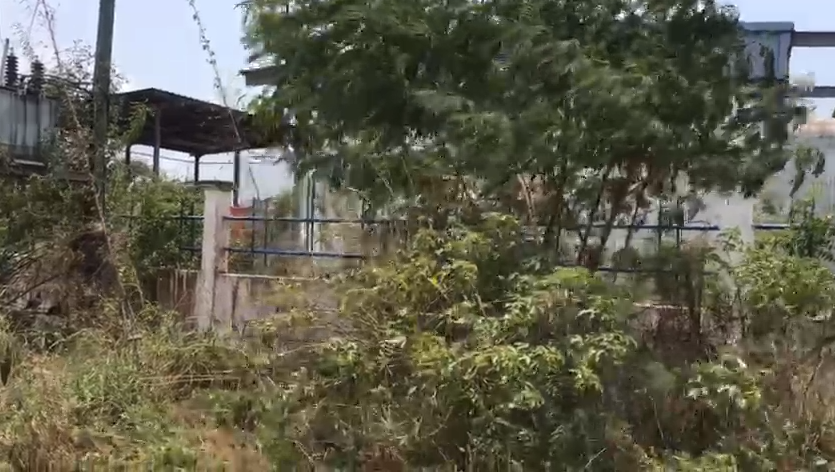
A fully completed government cold store project in Gomoa Nyanyano, located in the Gomoa East Constituency of the Central Region, has been left abandoned and overrun by bush, sparking concerns among residents and community leaders.

The facility, which was constructed to support the local fishing industry, has remained unused since its completion, with no commissioning or operational plans in sight. According to residents, the project has been left idle since the administration of former President John Agyekum Kufuor, despite claims it was fully completed during the tenure of former President John Dramani Mahama.

Gomoa Nyanyano

Gomoa Nyanyano is a coastal fishing community, where fishermen and fishmongers struggle to preserve their catch due to the absence of cold storage facilities. This often forces them to sell their fish at significantly reduced prices or risk spoilage, especially during bumper harvests.

Gomoa Nyanyano

Speaking to Atinka News reporter Samuel Nyamekye Jnr, the Kyidomhene of Gomoa Nyanyano, who also serves as the Zongo Chief of the Gomoa East District, Nana Sariki Abdulai Giwa I, expressed deep concern over the state of the facility. He called on the government to take immediate steps to renovate and commission the project to fulfill its intended purpose.

He emphasized that operationalizing the cold store would not only improve livelihoods but also reduce post-harvest losses in the community’s fishing sector.

Residents are now urging relevant authorities, particularly the Ministry of Fisheries and Aquaculture Development, to intervene and ensure the facility is revived and put to good use.

Ghana|Atinkaonline.com|Samuel Nyamekye Jnr.

NADMO Staff Drowns in River at Abira in Kwabre East District

A 60-year-old staff of the National Disaster Management Organization (NADMO) at Mamponteng has allegedly drowned in a river at Abira, a community in the Kwabre East Municipality of the Ashanti Region.

According to the community members, the lifeless body of Kwame Obeng was found in River Abena Feam on Wednesday morning, with the cause of death yet to be determined.

The Abira Chief Linguist, Nana Adu Adjei, revealed that the deceased was recovering from a stroke until he was found dead in the river.

“A day before this sad news, he was in town and informed his wife of going to the next community, Krobo, but couldn’t return home in the evening,” the Chief said.

The deceased was married with one daughter and a former Assembly Member for Abira.

“This incident marks the second time a body has been found in the river,” the chief stated.

Nana Adjei has urged the Abira community, especially the youth, to avoid visiting the river on Tuesdays, which is considered a sacred day.

The Antoa police retrieved the body from the river to the mortuary for autopsy.

Ghana|Atinkaonline.com| Sofoba Kwame Afrifah

China’s Zero Tariffs a Boost for Ghanaian Exports – Mahama

0

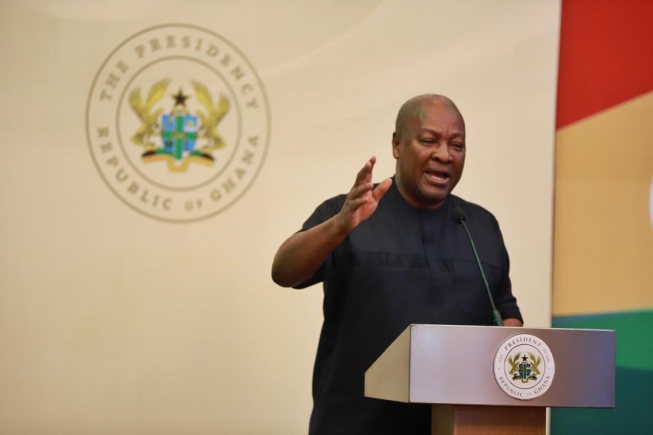
President of the republic of Ghana, H.E John Dramani Mahama, has welcomed China’s zero-tariff policy on selected Ghanaian exports, describing it as a strategic opportunity to expand the country’s trade footprint.

Speaking during his encounter with the press at the Jubilee House, President Mahama said the Chinese incentive is a clear signal encouraging Ghana to increase its export volumes.

President Mahama contrasted China’s approach with the evolving trade policies of the United States. He recalled that in the past, African nations benefited from zero-tariff access to the U.S. market under long-standing trade agreements, which were the result of years of negotiation and goodwill.

However, he noted that under the Trump administration, the U.S. shifted from cooperative diplomacy to a more transactional stance. This shift led to the imposition of tariffs—up to 15 percent—on goods from several African countries, including Ghana, based on the sentiment that America was being taken for granted.

With U.S. trade policy now presenting new barriers for Ghanaian exports, Mr. Mahama emphasized the importance of diversifying Ghana’s trade partnerships.

The President urged policymakers to seize the opportunity provided by China’s tariff-free policy to strengthen the country’s export sector and ensure long-term economic resilience.

Ghana|Atinkaonline.com|Lawrencia Darkwa

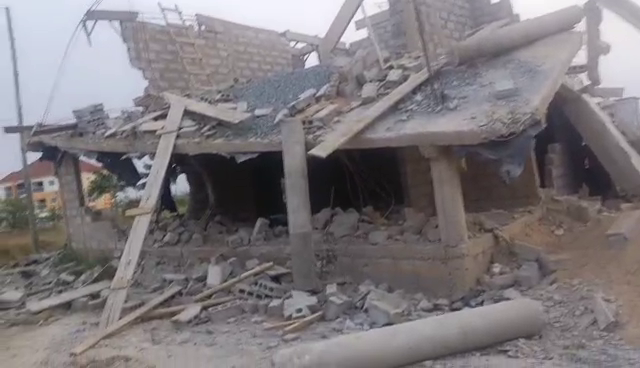
Five-Storey Building Demolished by Armed Men in Tema

A five-storey building has been forcibly demolished by armed men believed to be military personnel at Solomon City, Community 23 in Tema.

According to eyewitnesses, the heavily armed group arrived at the site with bulldozers and brought down the structure, claiming the land belonged to the Government of Ghana.

The owner of the demolished building, Pastor George Owusu of the New Promise Land Ministry, Adjei Kojo Global, recounted the ordeal in an interview on Atinka FM’s AM Drive. He stated that the men, dressed in military attire, offered no official documentation before proceeding with the demolition.

Pastor Owusu added that when local police officers arrived in an attempt to intervene, they were allegedly assaulted by the armed men, who also seized their mobile phones.

Ghana|Atinkaonline.com|Jessica Asumaniwaa Afia

Addressing the Youth Unemployment Challenge: A Demand for Skills and Innovation in Ghana

0

Ghana is confronted with a pressing challenge that demands immediate and sustained attention: youth unemployment. With more than half of its population under the age of 25, the country finds itself at a crossroads. While this youthful demographic represents an enormous potential for national growth, it also poses a risk if their energy, skills, and aspirations remain untapped. At present, the latter appears to be the reality for many young Ghanaians.

According to data from the Ghana Statistical Service, the youth unemployment rate stands at approximately 14.7 percent, with urban centers recording even higher figures. The numbers tell only part of the story. Behind these statistics are thousands of graduates from universities, polytechnics, and technical schools who find themselves unable to secure meaningful employment. Many are underemployed in jobs that do not match their skills or ambitions, a situation that breeds frustration, disillusionment, and a sense of exclusion from the nation’s progress.

The roots of this crisis are complex. One key factor is the persistent gap between educational training and the requirements of the labor market. Ghana’s education system, though gradually improving, continues to lean heavily towards theory rather than practice. Too often, students graduate with certificates but without the hands-on skills that employers seek. The mismatch becomes more glaring in a fast-changing economy where digital literacy, problem-solving, and entrepreneurial ability are increasingly vital.

The private sector, which should be the engine of job creation, has also been unable to fully absorb the growing labor force. High operational costs, bureaucratic bottlenecks, and limited access to financing constrain its capacity to expand and employ more young people. Compounding the problem is the predominance of the informal sector. While it provides some level of employment, most of these jobs are poorly regulated, low-paying, and without social protections. Young people employed in this space often remain trapped in cycles of vulnerability, unable to transition into stable and fulfilling careers.

The consequences of youth unemployment ripple through society in visible and invisible ways. Economically, it represents a colossal waste of talent and potential, slowing down growth and innovation. Socially, the lack of opportunities pushes some young people towards crime, drug abuse, and anti-social behavior. Others suffer from depression, anxiety, and other mental health challenges as they grapple with unfulfilled aspirations. The situation has also fueled the phenomenon of brain drain, as Ghana’s most skilled and ambitious youth seek greener pastures abroad, depriving the country of much-needed innovation and new ideas.

Clearly, the stakes are high. If Ghana is to transform its demographic profile into a dividend rather than a disaster, urgent action is required. The solutions must be bold, coordinated, and forward-looking.

First, there is the need for a decisive investment in skills training and technical education. Technical and Vocational Education and Training (TVET) should be repositioned as a central pillar of national development, not a fallback option. Government and private sector partnerships must direct resources into equipping young people with practical skills in high-demand sectors such as agriculture, renewable energy, manufacturing, and information and communication technology (ICT). These areas have the potential to not only create jobs but also drive industrialization and self-sufficiency.

Secondly, entrepreneurship support must move beyond rhetoric into tangible, sustainable action. The National Entrepreneurship and Innovation Programme (NEIP) and other youth-focused initiatives must be adequately funded, efficiently managed, and monitored to ensure they create lasting businesses rather than short-lived ventures. Young entrepreneurs need mentorship, access to credit, and exposure to markets if they are to generate jobs for themselves and others.

Equally important is curriculum reform at universities and polytechnics. Academic institutions must regularly review their programmes to align with the realities of the job market. Incorporating more opportunities for internships, apprenticeships, and industry partnerships will ensure that students graduate with both knowledge and experience. Furthermore, the integration of digital skills across disciplines is no longer optional. From medicine to media, agriculture to law, the future of work is digital, and Ghana’s youth must be prepared to compete.

Finally, Ghana should embrace the opportunities within the digital economy. The rapid growth of freelancing, e-commerce, and tech start-ups offers new avenues for employment that transcend geographical boundaries. With the right policies, infrastructure, and training, young Ghanaians can provide services to clients around the world, turning their skills into global commodities.

Youth unemployment in Ghana is not just an economic concern; it is a national crisis with social and political implications. Addressing it requires a unified commitment from all stakeholders—government, industry, academia, civil society, and the youth themselves. The young people of Ghana are brimming with creativity, energy, and determination. What they lack is opportunity, guidance, and a system that empowers rather than sidelines them.

If Ghana can channel its resources into skills development, innovation, and entrepreneurship, it can transform this challenge into an opportunity. The country has within its borders a generation capable of driving economic transformation, shaping new industries, and propelling Ghana into a future of prosperity. But the time to act is now. Every year of inaction deepens the crisis and wastes the promise of millions of young lives.

The youth are Ghana’s greatest resource. Harnessing their potential is not a choice – it is the only path forward.

By: Nathaniel Darko,  University of Education, Winneba.

New Media Association Endorses Mahama’s Call to Regulate Social Media

0

The Association of New Media has thrown its support behind President John Dramani Mahama’s call for the regulation of social media platforms to curb hate speech and online incitement.
Speaking on Noon Target on Bullet News, entertainment and lifestyle blogger Ameyaw Debrah responded to the President’s remarks made during a media encounter held Wednesday, September 10, at Jubilee House.

“As new media association, content creators, we welcome such regulation,” Debrah said. “The issue is how it’s going to be done so it doesn’t become government controlling and dictating how people should generally conduct themselves in terms of being on social media or new media.”

President Mahama had earlier urged the regulation of platforms such as TikTok, X, Facebook, and WhatsApp, warning that they are increasingly being misused to spread hate speech, incite violence, and target public officials.

“There are some incendiary statements that have been made in the Bawku war that is fuelling what is happening there, making people hate each other,” Mahama said. “This falls in the ambit of the National Signal Bureau. So, I’m sending a signal to Ghanaians that we can find you, you those doing hate speeches and things, we’ll use your IP numbers, we’ll trace you and deal with you under the criminal law violence for inciting. But I think that beyond that we must start making regulation for this new media because it’s unregulated, so everybody takes phone and say anything.”

The President’s comments follow recent arrests over viral threats made against him and his family. On August 12, the Ghana Police Service detained Yayra Abiwu, also known as “Akosua Jollof,” for allegedly threatening to kill President Mahama and behead First Lady Lordina Mahama in a TikTok video.

Abiwu, reportedly affiliated with the opposition New Patriotic Party (NPP) in North Tongu, also mocked the Adansi Akrofuom helicopter crash that claimed the lives of Defence Minister Dr Edward Kofi Omane Boamah, Environment and Science Minister Dr Ibrahim Murtala Mohammed, and six others.

Another suspect, Prince Ofori, alias “Fante Comedy,” was also arrested, while authorities continue to pursue others linked to the video. Spoken largely in Twi, the footage contained graphic threats and expressed political allegiance to the NPP.

Police have urged the public to remain calm and emphasized that the misuse of social media for incitement or threats is both criminal and dangerous.

President Mahama reiterated that the government is committed to enforcement and to developing a regulatory framework that addresses the challenges of digital platforms while safeguarding public safety.

By Ebenezer De-Gaulle