






COCOBOD Inaugurates Management Committees to Strengthen Governance and Efficiency

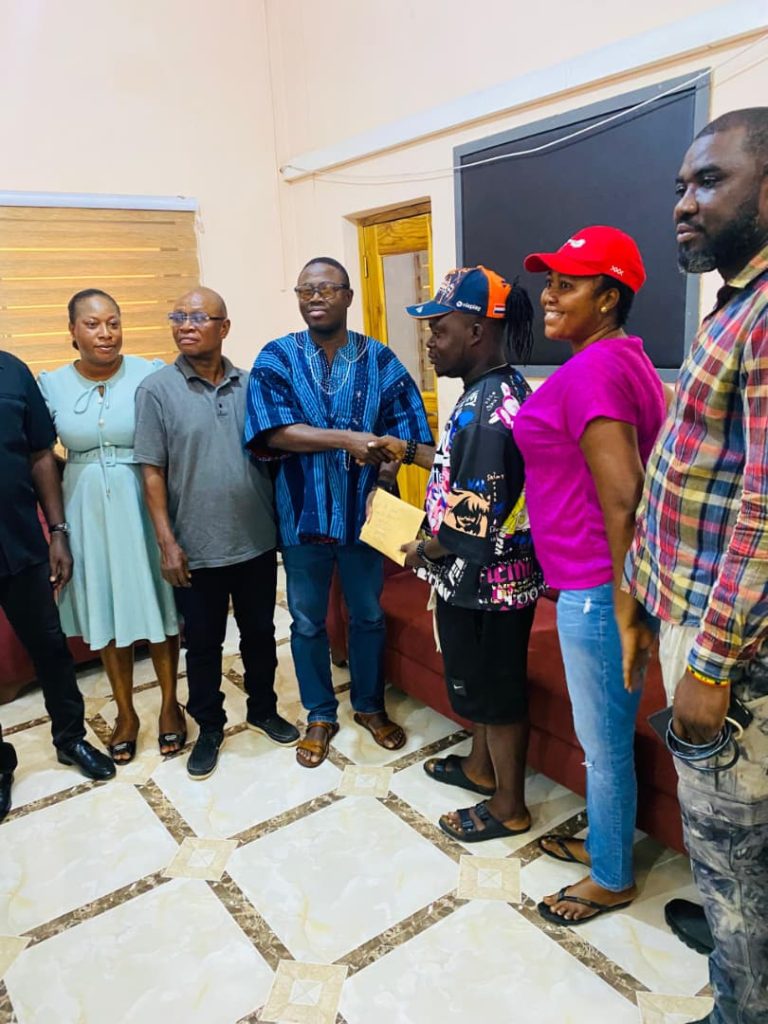
The Ghana Cocoa Board (COCOBOD) has inaugurated management committees for four of its key divisions and subsidiaries as part of efforts to strengthen governance, enhance efficiency, and ensure accountability across the organisation.


The newly inaugurated committees will oversee the Seed Production Division (SPD), the Cocoa Health and Extension Division (CHED), the Cocoa Research Institute of Ghana (CRIG), and the Cocoa Clinic.


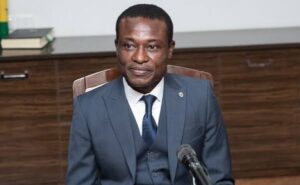
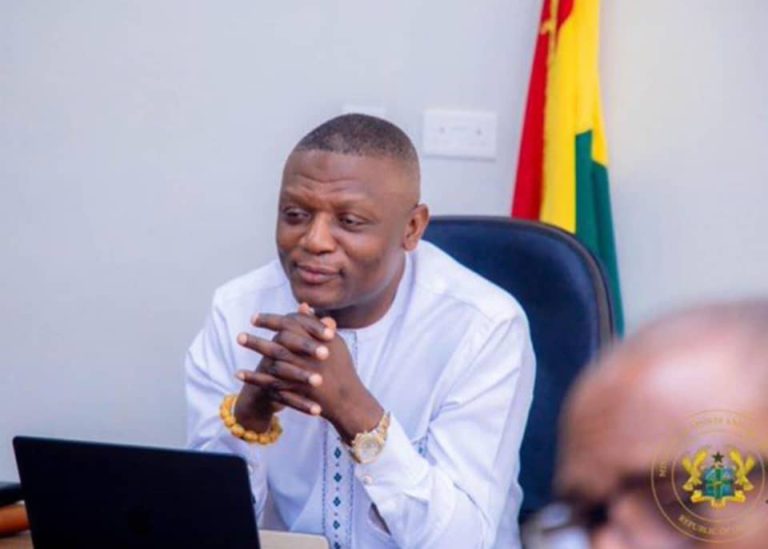
Speaking at the inauguration ceremony, the Chief Executive of COCOBOD, Dr. Ransford Abbey, emphasized the critical role these committees will play in advancing COCOBOD’s core mandate and supporting the government’s broader reset agenda for the cocoa sector.

COCOBOD

He charged members of the various committees to demonstrate dedication, integrity, and teamwork in their oversight functions, stressing that their work would directly impact the productivity and sustainability of Ghana’s cocoa industry.


Dr. Abbey further noted that the formation of the committees aligns with COCOBOD’s commitment to transparency, accountability, and institutional renewal, all of which are vital for improving operational performance and stakeholder confidence.


The Ghana Cocoa Board continues to implement reforms aimed at modernising the cocoa sector, improving farmer welfare, and promoting sustainable production to maintain Ghana’s position as one of the world’s leading cocoa producers.

Ghana|Atinkaonline.com|Vincent Kwofie

Ato Forson Reaffirms Gov’t Commitment to Cedi Stability as Currency Marks 60 Years

0

The Minister for Finance, Dr. Cassiel Ato Forson has declared that Ghana is entering a “new era of economic confidence” as the nation marks 60 years of the Ghana Cedi — a milestone symbolizing the country’s enduring monetary independence and resilience.

Ghana introduced the Cedi in 1965, replacing the Ghanaian Pound, in a historic transition that asserted the nation’s economic sovereignty.

This year’s celebration, themed “60 Years of the Cedi: A Symbol of Sovereignty, Stability and Economic Resilience,” commemorates six decades of Ghana’s currency journey through various phases of inflation, re-denomination, and recovery.

Ato Forson Reaffirms Gov’t Commitment to Cedi Stability as Currency Marks 60 Years

Speaking at the official Cedi@60 launch in Accra on Tuesday, Dr. Forson reaffirmed government’s commitment to maintaining a stable and resilient currency.

“For 60 years, through cycles of inflation, devaluation, re-denomination and recovery, the Cedi remains the symbol of our national sovereignty. It has indeed endured,” he stated.

The finance minister emphasized that fiscal discipline remains a central pillar in government’s economic management strategy.

“Our commitment to fiscal discipline has contributed to the strengthening of the Ghana Cedi,” he noted. “We shall stay the course to ensure that the Ghana Cedi remains stable.”

Dr. Forson further called on Ghanaians to play an active role in protecting the integrity and value of the national currency.

“As citizens, we also have a role to play,” he said. “We must maintain the sanctity of the Cedi as legal tender by preserving it with dignity and protecting it jealously. We must eschew acts that seek to undermine its value, particularly the pricing of goods and services in foreign currency.”

The Cedi@60 celebration serves as both a reflection on Ghana’s economic journey and a renewed commitment to building a more stable, self-reliant financial future.

Advocates Call for NHIS Coverage for Breast Cancer Treatment

0

A breast cancer advocacy organization, Women of Today Foundation, has called on the government to extend the National Health Insurance Scheme (NHIS) to cover breast cancer screening, treatment, and medication, describing it as a critical step toward combating the deadly disease among women.

The appeal was made during a breast cancer awareness conference and screening exercise organized by the foundation in Accra, as part of activities marking Breast Cancer Awareness Month, popularly known as “Pink Month.” The event brought together hundreds of women for education, screening, and early detection support.

Founder and CEO of the foundation, Belinda Appiah, emphasized the urgent need for government intervention to make breast cancer treatment more accessible.

“We detected breast cancer in many women, and it was a very difficult time for them. Thankfully, many of the patients are now recovering and living with hope,” she said.

“If the government can include breast cancer screening, treatment, and medication under the NHIS, it will save lives and encourage more women to seek early diagnosis.”

Mrs. Appiah explained that since its inception, the Women of Today Foundation has screened thousands of women, including single mothers and widows, some of whom were diagnosed and are currently receiving treatment. She noted that continuous awareness campaigns have helped reduce fear and stigma around the disease.

She further stressed that high treatment costs often prevent many women from seeking timely medical care, pushing some into despair.

“The financial burden is too heavy for many families. Including breast cancer treatment in the NHIS will help reduce anxiety and prevent avoidable deaths,” she added.

A Senior Nurse at the Oncology Department of the Komfo Anokye Teaching Hospital, Ms. Henrietta Donkor, also expressed concern over the emotional toll breast cancer takes on patients. She revealed that some husbands abandon their wives after diagnosis out of fear and misunderstanding.

“Breast cancer is not a death sentence,” she said. “Men must support their wives emotionally and physically — help them go for regular check-ups and encourage them to start treatment early.”

Adding her voice, the Queen of Adugyama in the Ashanti Region, Nana Yaa Dufie Pomaa III, urged women not to hide symptoms from their spouses or delay seeking medical help when they notice unusual changes in their breasts.

She also cautioned against unhealthy eating habits and encouraged breastfeeding mothers to avoid early weaning, noting that breastfeeding provides protection against breast cancer.

The Women of Today Foundation reiterated its commitment to intensifying public education and screening outreach programs across the country, while continuing to advocate for NHIS coverage to make breast cancer care accessible to all women, regardless of their financial circumstances.

Samira Bawumia Urges Ghanaians to End Breast Cancer Stigma, Calls on Men to Get Involved

0

The former Second Lady of Ghana, Hajia Samira Bawumia, has called on Ghanaians to end the stigma associated with breast cancer and to support efforts toward early detection and treatment. She also encouraged men to play active roles in the fight against the disease.

Speaking in Cape Coast during a free breast cancer screening exercise organized by her foundation, the Samira Empowerment and Humanitarian Projects (SEHP), Hajia Bawumia emphasized the importance of regular medical checkups for women, noting that early detection saves lives.

“Breast cancer is not infectious, so we must stop stigmatizing patients,” she said. “When detected early, it can be treated effectively. Every woman should make it a habit to go for regular screening.”

The event, held as part of activities marking Breast Cancer Awareness Month, offered free medical screening to over 2,000 women in Cape Coast. Other health checks conducted included diabetes, blood pressure, and general health assessments.

Hajia Bawumia revealed that about 4,000 Ghanaian women are diagnosed with breast cancer annually, with half losing their lives due to late detection and limited access to treatment. She urged both women and men to join the fight against breast cancer through awareness, support, and regular checkups.

“Early detection saves lives. Let us take breast cancer screening seriously and support those going through treatment,” she added.

Dr. Ruben Aninkora of the Cape Coast Teaching Hospital, who led the health education session, demonstrated how women can perform self-examinations and identify early warning signs of breast cancer.

Also in attendance were Hon. Ophelia Mensah Hayford (former MP for Mfantseman) and Hon. Mavis Hawa Koomson (former MP for Awutu Senya East), who both encouraged women to prioritize regular health checkups.

A breast cancer survivor, Adwoa Coat, also shared her personal experience, recounting how early detection and treatment helped her overcome the disease. Her testimony served as an inspiration to others to seek early medical help.

The event concluded with a renewed call for collective effort — from individuals, families, and communities — to raise awareness, reduce stigma, and save lives through early detection and timely treatment of breast cancer.

Reported By Agyei Kwaku Mensah

Kwakye Ofosu Defends Otto Addo, Says Calls for His Sack Are Premature

0

Ghana’s Minister for Government Communications, Felix Kwakye Ofosu, has pushed back against growing calls to sack Black Stars coach Otto Addo, calling them ill-timed and unwarranted.

He said Otto Addo is still the best person to steer the national team into the next FIFA World Cup in the US, stressing the need for consistency and patience as the squad rebuilds.

Speaking in Parliament on Friday, Kwakye Ofosu warned that rushed decisions could hurt team morale and derail long-term plans for the Black Stars.

“There have been calls for the dismissal of the coach who guided us on this qualification path. I believe these calls are unfortunate and misplaced because the man who led us to qualification is best placed to prepare the team for the competition itself,” he stated.

Mr. Kwakye Ofosu urged patience and consistency as the team continues to rebuild, warning that abrupt coaching changes could undermine morale and derail long-term plans.

“It would be a tragic mistake to dismiss the coach and hire a new person who would have very little time to prepare the team,” he cautioned.

The Minister’s comments come amid mounting public debate over the team’s recent performances, with some football fans and analysts calling for a change in leadership ahead of the World Cup.

Despite the criticism, Kwakye Ofosu maintained that stability and confidence in the technical team are crucial as Ghana aims for a stronger showing on the world stage.

Feed Ghana, Grow24: Opoku-Agyemang Outlines Vision to End Food Imports at Global Agriculture Forum

Ghana’s Vice President, Professor Naana Jane Opoku-Agyemang, has reaffirmed the country’s commitment to shifting from raw material exports to value-added production as part of efforts to capture greater economic benefits and strengthen food security.

Speaking at the Norman Borlaug International Dialogue in Iowa, USA, Prof. Opoku-Agyemang highlighted the government’s strategic initiatives—particularly the Grow24 Programme—as central to this transformation agenda.

She emphasized that Ghana currently spends over $2 billion annually on food imports that could be produced and processed domestically, describing the trend as economically unsustainable.

“Nearly two out of every five Ghanaians work in agriculture, but the sector faces persistent challenges,” she said. “Ghana spends more than USD 2 billion annually importing food we have the climate and capacity to produce. This must change.”

The Vice President noted that President John Dramani Mahama’s Feed Ghana Programme represents a coordinated, market-driven approach to modernize agriculture. The initiative spans 22 commodity value chains, including grains, legumes, vegetables, starchy staples, tree crops, and livestock, and is designed to address systemic bottlenecks in irrigation, storage, processing, and market access.

She explained that under the broader 24-Hour Economy framework, the Grow24 initiative aims to modernize agriculture and agro-value chains, boost agro-manufacturing, and expand export-ready agribusiness.

Addressing inclusivity, Prof. Opoku-Agyemang underscored the critical role of women and youth in Ghana’s agricultural sector.

“Women constitute more than half of Ghana’s agricultural workforce but face barriers to land, credit, technology, and training. Our Women’s Development Bank will help correct these inequities,” she noted.

“We are also investing heavily in youth-led agritech, mechanization services, and digital market platforms.”

She concluded by highlighting Ghana’s strategic advantage as host of the African Continental Free Trade Area (AfCFTA) Secretariat, positioning the country to build regional value chains, scale agro-exports, and empower youth and women across borders.

The Vice President called on investors, governments, universities, development banks, and foundations to partner with Ghana in realizing this vision for sustainable, inclusive, and value-driven agricultural growth.

While in Iowa, Vice President Naana Jane Opoku-Agyemang shared the stage with African Development Bank President Dr. Akinwumi Adesina for a lively fireside chat on Africa’s agricultural transformation. She also helped present the 2025 World Food Prize to Brazil’s Dr. Marieangela Hungria, recognised for her groundbreaking research in agronomy and microbiology.

Which Mother Tongue Will Be Used — Teacher’s or Pupil’s? Analyst Questions New Language Policy

Education Policy Analyst Kwamina Taylor has raised critical concerns about the practicality of implementing the Education Ministry’s new directive making local languages the compulsory medium of instruction in all basic schools across Ghana.

Speaking on Atinka TV’s Midday News with Ebenezer Madugu, Mr. Kwamina Taylor questioned how the policy would work effectively in multilingual classrooms.

“The question is, though this is a good policy, the implementation will be a challenge. Is it the teacher’s mother tongue or the pupil’s?” he asked.

Mr. Taylor acknowledged that research supports the idea that pupils taught in their mother tongue perform better in comprehension, describing the initiative as “a very good policy in general.” However, he cautioned that Ghana’s linguistic diversity, with over 80 major languages, could make uniform implementation difficult.

He explained that while the policy may work well in linguistically homogeneous areas such as Volta Region or Kumasi, it would pose major difficulties in cosmopolitan areas like Accra, where classrooms are made up of children from multiple ethnic backgrounds.

“In a school in Accra, we have Ewes, Asantes, Ga, and other tribes. Which of the languages should we use?” he queried.

Mr. Taylor further expressed concern about the long-term impact of the policy on Ghana’s efforts to prepare students for global competitiveness.

“We must think about positioning our children for the global market. I am not sure any of our local languages go beyond our borders, so if we make them the major mode of teaching, it could disadvantage our children in the future,” he cautioned.

He urged the Ministry of Education to consider a balanced approach that promotes literacy in local languages while maintaining strong proficiency in English, which remains the primary medium for higher education and international communication.

The education minister, Haruna Iddrisu, announced earlier that the use of local languages in teaching is now compulsory in all basic schools, explaining that the move aims to improve foundational learning outcomes across the country.

However, as education experts like Mr. Taylor point out, the success of the policy will depend largely on careful planning, teacher training, and sensitivity to Ghana’s complex linguistic landscape.

Ghana|Atinkaonline.com

Education Policy Analyst Backs Minister’s Call to Maintain Short Hair Rule in SHS

An education policy analyst, Kwamina Taylor, has thrown his full support behind Education Minister Haruna Iddrisu’s recent declaration that Senior High School (SHS) students will not be allowed to keep long hair, saying “school is not a beauty contest.”

Speaking in an interview on Atinka TV’s Midday News with Ebenezer Madugu, Mr. Taylor said the regulation requiring students to keep short hair has long existed and remains necessary to promote discipline and uniformity in schools.

“This is something that existed long ago, and I don’t think it will be necessary to change this regulation,” he said. “One of the reasons we go to school is for uniformity. The heads must be empowered to execute the regulation properly.”

Mr. Taylor emphasized that exceptions should only be made on medical or religious grounds, citing past incidents such as the Achimota School case.

According to him, allowing students to keep their hair could create unnecessary distractions and competition among students, especially girls living in dormitories.

“Keeping the hair will disrupt the learning time of the child. Even those of us with female children know the time and effort they go through to maintain it. Imagine a dormitory with about 20 girls all keeping their hair — soon, every Saturday will turn into a salon day, with everyone wanting different styles,” he explained.

He further argued that allowing long hair would increase costs for parents, as maintaining it requires frequent salon visits and care products.

“Aside from the distraction, it comes with cost, and when parents bear that, it adds to the cost of education,” he added.

Mr. Taylor warned that relaxing the rule for one group of students could open the floodgates for others to demand exemptions on various human rights grounds.

He concluded that SHS students spend only three years in school and can freely style their hair afterward, but for now, they should comply with the existing policy.

“They can keep their hair after school, but for now, I back the Minister’s call that they cut their hair properly before reporting to school,” he said.

The Education Minister’s directive has sparked mixed reactions among Ghanaians, with some calling for reforms to reflect cultural diversity and self-expression, while others, like Mr. Taylor, insist that discipline and uniformity must remain at the heart of Ghana’s education system.

Ghana|Atinkaonline.com

Kobby Kyei To Host “The Shine Summit” Boys Lives Matter Edition at PRESEC Legon on Nov. 1

0

In a bid to spotlight the often-overlooked challenges facing boys and young men, The Shine Summit with Kobby Kyei returns with a powerful theme “Boys Lives Matter.”

This edition, scheduled for Friday, November 1 at PRESEC Legon, aims to provide a safe space for dialogue, empowerment, and positive change among the youth.

Kobby Kyei

The Boys Lives Matter movement is a global campaign advocating for emotional, psychological, and social awareness around issues affecting boys from mental health to identity struggles and societal expectations.

It seeks to challenge the silence and stigma that often prevent boys from expressing their pain or seeking help.

As one of Ghana’s leading media voices and change advocates, Kobby Kyei continues to use his platform to inspire and uplift young people through storytelling and impactful events.

Kobby Kyei

Speaking ahead of the summit, he emphasized the need for society to “listen more to boys and create environments where they can thrive without fear or judgment.

The event, powered by Global Ovations, promises engaging discussions, mentorship sessions, and inspiring stories from thought leaders who are passionate about youth development and gender balance.

By bringing the Boys Lives Matter conversation to schools like PRESEC Legon, the summit not only celebrates boys’ potential but also champions their emotional and mental well-being a critical step toward building a more balanced and empathetic society.

Ghana|Atinkaonline.com|Asare Bediako-Addo

Finance Minister to Present 2026 Budget on November 13

0

Finance Minister Dr. Cassiel Ato Forson is expected to present the 2026 Budget and Economic Policy to Parliament on Wednesday, November 13. Sources at the Finance Ministry say Parliament’s formal approval of the date is expected soon.

This will be the first full-year budget under President John Mahama’s administration since he returned to power in 2025. It is also seen as one of the government’s most important economic plans so far, following nine months of managing both local and global economic challenges.

The 2025 Budget was prepared shortly after the new government took office and mostly followed the spending plans of the previous administration. The 2026 Budget, however, is expected to introduce major policy changes that reflect the Mahama government’s own goals and priorities.

By law, the Finance Minister must present the national budget to Parliament before November 15 each year.

The Finance Ministry has already met with business leaders, civil society groups, and development partners to gather ideas for the new budget. These discussions helped shape the government’s spending plans and policy direction for 2026.

Dr. Forson has said that the 2026 Budget will focus on creating jobs and growing the economy. The plan is expected to include investments in sectors that can boost productivity, support innovation, and create more opportunities for young people.

Officials also hint that the budget will introduce new tax reforms to increase revenue while making the system fairer and less burdensome for families and businesses.

Ghana is set to complete its IMF programme in May 2026. As a result, many economists will be watching to see how the government plans to manage the economy after the programme ends—especially how it will keep spending under control while encouraging growth.

A key challenge for Dr. Forson will be managing the country’s debt and balancing spending on infrastructure and social programmes.

As the presentation date approaches, businesses, investors, and citizens are all watching closely. The 2026 Budget could set the tone for the Mahama government’s economic direction in the years ahead.

Ghana|Atinkaonline.com