

















The Office of the Special Prosecutor (OSP) should be created as a part of the Constitution rather than only an Act of Parliament, according to the Ghana Center for Democratic Development (CDD-Ghana). The centre contends that this action is necessary to ensure the office has complete financial autonomy and independent prosecution authority.
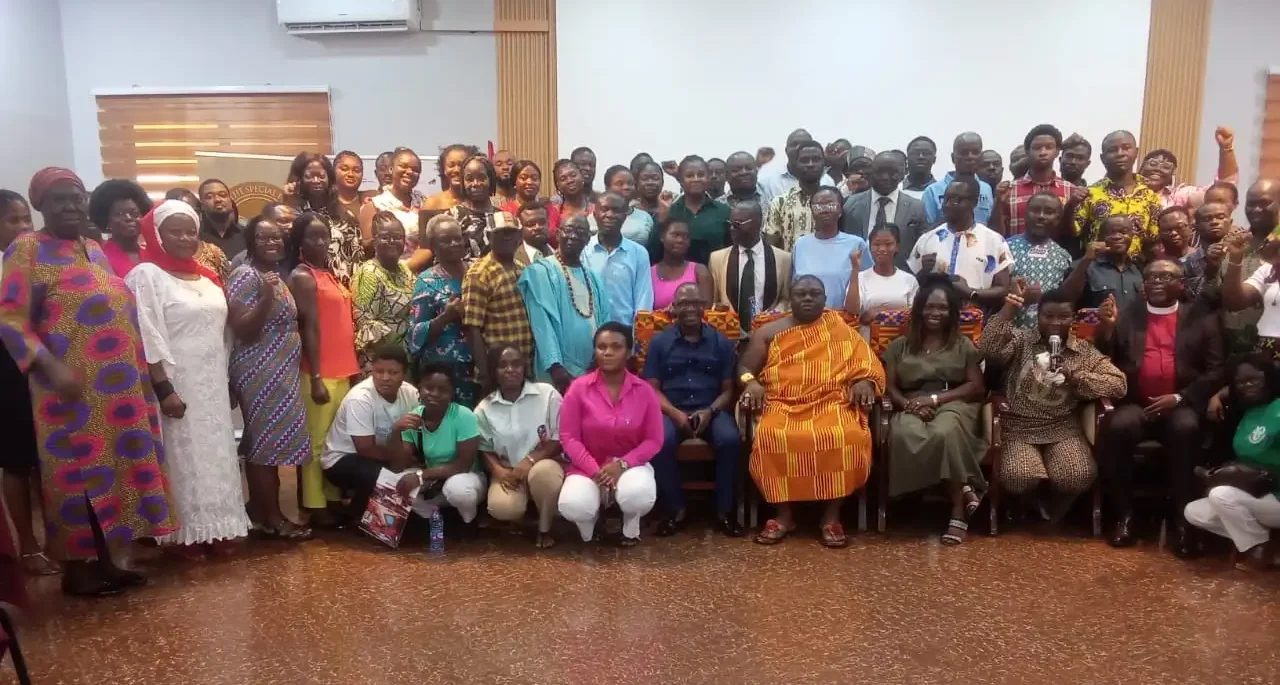
The advice comes after a regional discussion that CDD-Ghana and the OSP arranged. The forum’s objectives were to identify current legislative gaps, increase stakeholder understanding of the OSP’s legal framework, and foster agreement on the necessary adjustments.
As part of a broader push to reinforce accountability institutions and deepen citizen engagement in anti-corruption efforts, the dialogue convened a diverse group of stakeholders.
It brought together a wide range of stakeholders, such as legislators and Civil Society Organisations (CSOs); traditional authorities and opinion leaders; media professionals; influencers; and youth/women organisations.
In order to guarantee that future policy suggestions are supported by evidence and take into account a variety of viewpoints, participants also examined and approved an eight-year assessment report of the OSP, which was completed by CDD-Ghana experts.
The research findings were presented by Dr. Zechariah Langnel, a lecturer and consultant at the University of Ghana. He pointed out that although Afrobarometer and Transparency International data show that corruption is still a significant issue in Ghana, the OSP is in a unique position to combat it.
“Our findings show that the OSP is the institution best placed to fight corruption effectively,” he stated.
He noted that public confidence in the attorney general’s office is often undermined by perceived political ties, making the independence of the OSP even more critical.
However, the report identified key weaknesses, particularly the OSP’s vulnerability due to its current legal status.
“If a new government feels they don’t need the office, they can simply scrap it. To be strategically positioned, its roots must be in the 1992 Constitution,” Dr Langnel explained.
He also highlighted that although the OSP has faced challenges over the years, its performance between 2023 and 2026 has been relatively stable and commendable, especially considering its limited budget.
The call to constitutionalise the OSP forms part of broader efforts to strengthen accountability institutions and deepen citizen participation in Ghana’s anti-corruption drive.