Atinka OnlineAtinka Online is the fastest growing radio-tv news portal in Ghana. Get all breaking news updates, latest news headlines, local and world stories, entertainment, sports, etc.
Ivorian reggae superstar, Alpha Blondy, is set to release a joint musical project with BET Award winner | 3-times AFRIMA Best African artiste, Stonebwoy.
The single, if released, will be his first official project in 7 months after the release of his last single “Election Presidentielles” in October 2020.
After a successfully sold out “Anloga Junction” album virtual concert on Saturday May 22, Stonebwoy arrived in Cote d’Ivoire to continue his Africa media tour which commenced few weeks ago in Nigeria. The Ghanaian recording artiste landed in Abidjan, on Monday May 24, where he was treated to an enormous welcome ceremony by some fans and natives of the city.
Marking the Africa Union Day celebrations, He joined a five member panel including legendary designer and former Dior collaborator Pathe O on the country’s largest television station to have an in-depth and insightful pan-African conversation that seek to address issues affecting the continent.
On May 26, he was hosted on NCI television where he ignited the stage of “La Tele D’Ici” show with a breathtaking live performance of his anthems after paneling on the show. The 5 minutes performance commenced with 2020 hit single “Activate” (featuring Davido), which he switched to and ended with “Putuu” – a 2020 record setting single.
The tour continues today, he’s expected to visit about 5 media traditional media houses.
Stonebwoy recently revealed that the “Anloga Junction” album has been the biggest project he has embarked on in his entire career.
Stonebwoy in an exclusive interview on Atinka FM’s evening drive time “Akwaaba” with host Roman Fada, said Anloga junction opened a lot of unimaginable doors for him.
The 15-track album features one of America’s biggest singer and songwriter Keri Hilson who had not released a song in 10 years.
Big names which featured on the album includes Harley, Kojo Antwi, Nasty C, Zlatan, Diamond Platnumz and Jahmiel.
Touching on the Album title, the ‘Kpokeke’ hitmaker said he settled on Anloga junction as he sought to seek originality
Maame Gurusi used a pestle to hit her husband to death at Kyenkyenasea, a farming community in the Dormaa East District of the Bono Region.
According to reports, the 100-year-old man, Agya Gurusi and his wife Maame Gurusi were both farmers and had stayed in the community for a long time until the unfortunate incident occurred
An eyewitness who is a daughter to the deceased, Afia Gurusi explaining to Akwasi Bodua of Akomapa FM indicated that, there was a misunderstanding between the two, resulting in the woman hitting the head of her husband and killing him instantly.
The body of the 100-year-old man was later conveyed by the Dormaa East District Police Command to the Dormaa Central Presbyterian Hospital Mortuary for autopsy.
Investigations have commenced and the suspect has been arrested by the Dormaa East District Police Station.
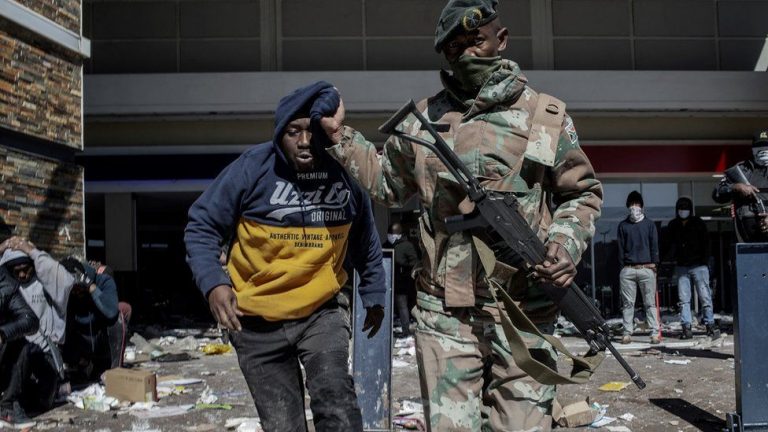
The South African government plans to deploy 25,000 troops after days of widespread looting and violence.
The military deployment – to counter riots sparked by the jailing of former President Jacob Zuma – is the biggest since the end of apartheid.
At least 72 people have died and more than 1,700 have been arrested in South Africa’s worst unrest in years.
Hundreds of shops and businesses have been looted and the government says it is acting to prevent food shortages.
Citizens are arming themselves and forming vigilante groups to protect their property from the rampage.
More than 200 incidents of looting and vandalism were recorded on Wednesday, the government said, as the number of troops deployed doubled to 5,000.
But Defence Minister Nosiviwe Mapisa-Nqakula said she had submitted a request for the deployment of 25,000 soldiers to the two provinces hit by violence – KwaZulu-Natal, where Durban is located, and Gauteng, which includes Johannesburg.https://emp.bbc.com/emp/SMPj/2.43.6/iframe.htmlmedia captionSouth Africa riots: What’s happening and why?
The government has been under pressure to put more boots on the ground to tackle the unrest.
Shopping malls and warehouses have been ransacked or set ablaze in several cities, especially Durban.
Dr Dulcy Rakumakoe, who runs a chain of medical centres in Gauteng province that have been looted, told the BBC more action was needed.
“We’ve started with the clean-up but we can’t even think about the rebuild because we are not sure when the unrest will be totally done,” she said. “It’s still not safe to even go in and rebuild.”
Protests began last week after Zuma handed himself in to police to serve a 15-month sentence for contempt of court.
Zuma’s supporters reacted furiously to his imprisonment, blockading major roads and calling for a shutdown to demand his release.
The protests have since descended into riots on a scale rarely seen in South Africa, with businesses in every sector looted, burnt and petrol-bombed in cities and towns across KwaZulu-Natal.
Army reservists were called to report to their units on Thursday.
The request came after President Cyril Ramaphosa warned that parts of the country “may soon be running short of basic provisions” following disruption to supply chains.
The wreckage to businesses comes as South Africa’s economy struggles with unemployment and Covid-19 restrictions.
Wielding sticks and guns, a group of minibus drivers violently beat up suspected looters in a township near Johannesburg on Wednesday.
Durban resident Lauren Alexander says the situation in the city is like a “war zone”.
“It is frightening because we don’t actually know what’s happening next,” the 26-year-old told BBC Radio 1 Newsbeat.
“Our road’s all blocked off, a lot of our food shops are closed, which frightens us a lot because we’ve got to ration our food now.”
Private residents armed with shotguns, pistols, garden spades and machetes have become the only defence against mobs who continue to raid areas that still have supermarkets, factories and warehouses left untouched following six days of riots in Durban.
In some areas, supermarkets that haven’t been raided are fast running out of basic supplies. Snaking queues are forming as people buy anything they can get their hands on.
We passed one shop that was shut up because it had sold out of food – though the residents guarding the area said they were hopeful of more supplies soon.
The deployment of 25,000 troops by the government has been described as “too little too late” by people who have lost their livelihoods and businesses.
They say they’ve been let down by the government’s reactive stance since violent protests began.
The Movenpick Ambassador Hotel has launched its 10th anniversary celebration, under the theme “Doing Ordinary Things In An Extraordinary way”.
As part of the anniversary celebration, a set of exciting activities and events centered on creating, sharing and making moments with all have been outlined.
These include; blood donation exercise which will be held in conjunction with the Accra Technical University, a clean-up exercise and donation, charity work with Princess Marie Hospital which the hotel has adopted.
To climax the celebration, a food festival will be held in November this year with the Hotel offering huge discounts and entertainment throughout the day.
This will be followed up with a corporate soiree with partners, clients and long-serving staff.
General Manager of Movenpick Ambassador Hotel, Deborah Lee-Ann Sivertsen said the Hotel intimately involved in the lives of their guests and have a long-term commitment to sustainability and environmental awareness.
Movenpick Ambassador Hotel and Resort balances a portfolio of upscale properties in Europe, Africa, Middle East and Asia and represented in 24 countries with a staff strength of 16,000.
The five-star Hotel was officially opened for operations in 2011 by Saudi Prince Alwaleed bin Talal, and has since been a beacon of excellence in the tourism and hospitality sector in Ghana.
Mövenpick Hotels & Resorts is a modern, upscale hospitality company that is passionate about ‘making moments’, recognising that small gestures make a big difference to our guests, our owners and our people. We do ordinary things in an extraordinary way – a philosophy that has defined our brand’s success from the very start.
A global firm with Swiss roots and a restaurant and hospitality heritage that dates back to the 1940s, our approach to service has remained consistent; warm, intuitive, personal and uniquely ‘Mövenpick’.
Many reputable organizations in the country including the Ghana Journalists Association (GJA) prefer to host their events at Movenpick
Borussia Dortmund have turned down Chelsea’s opening offer for striker Erling Haaland, according to Sky Sports
Chelsea are understood to have been willing to offer Dortmund either Tammy Abraham or Callum Hudson-Odoi in part exchange for Haaland, but the Bundesliga side are determined to hold onto the 20-year-old.
The Blues are keen to sign a new striker this summer after struggling in front of goal at times last season.
Despite winning the Champions League, Thomas Tuchel’s side lacked a reliable presence in the penalty area, with Timo Werner and Abraham’s 12 goals each making them the club’s joint-top scorers.
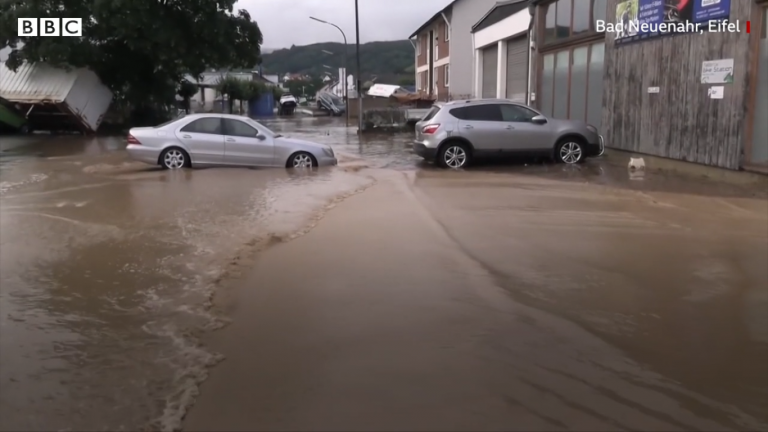
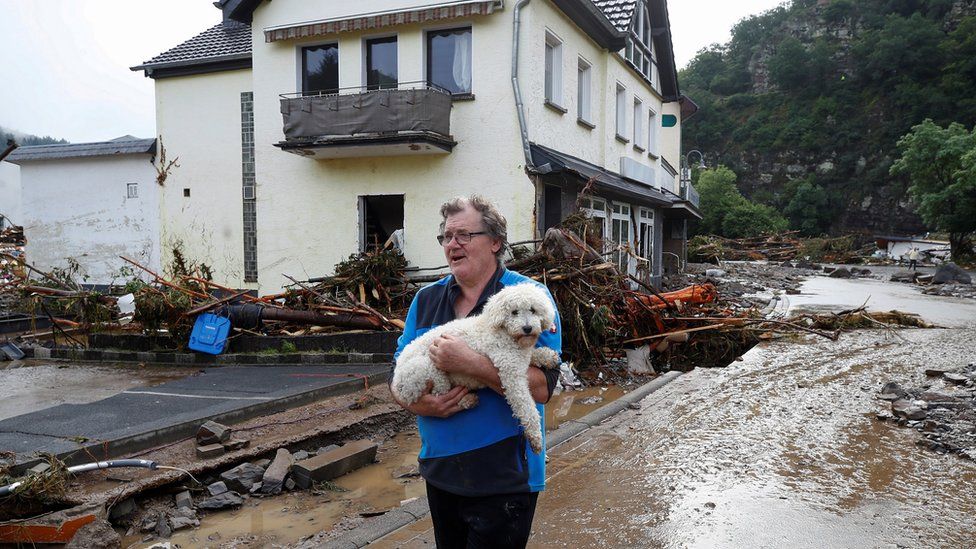
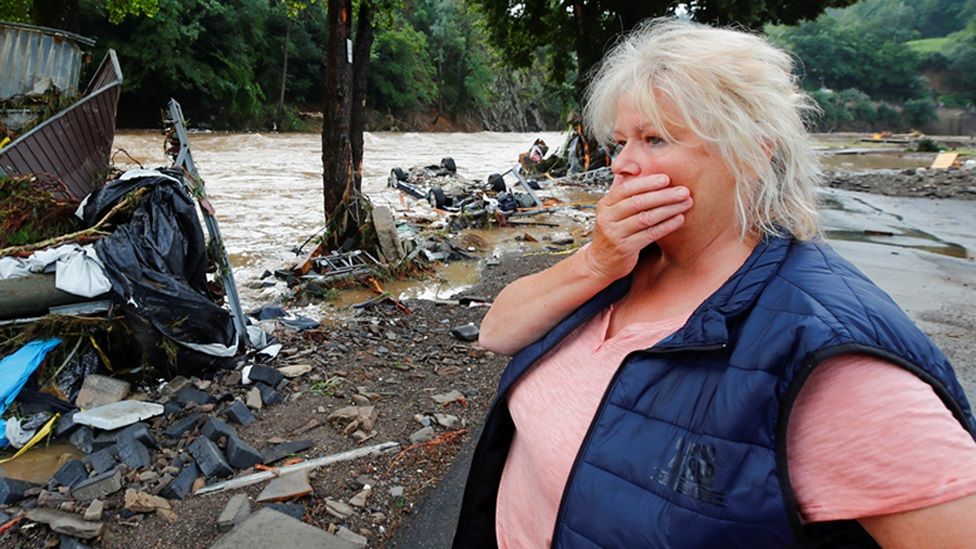
At least six people have died and many more are missing following severe floods in western Germany, police say.
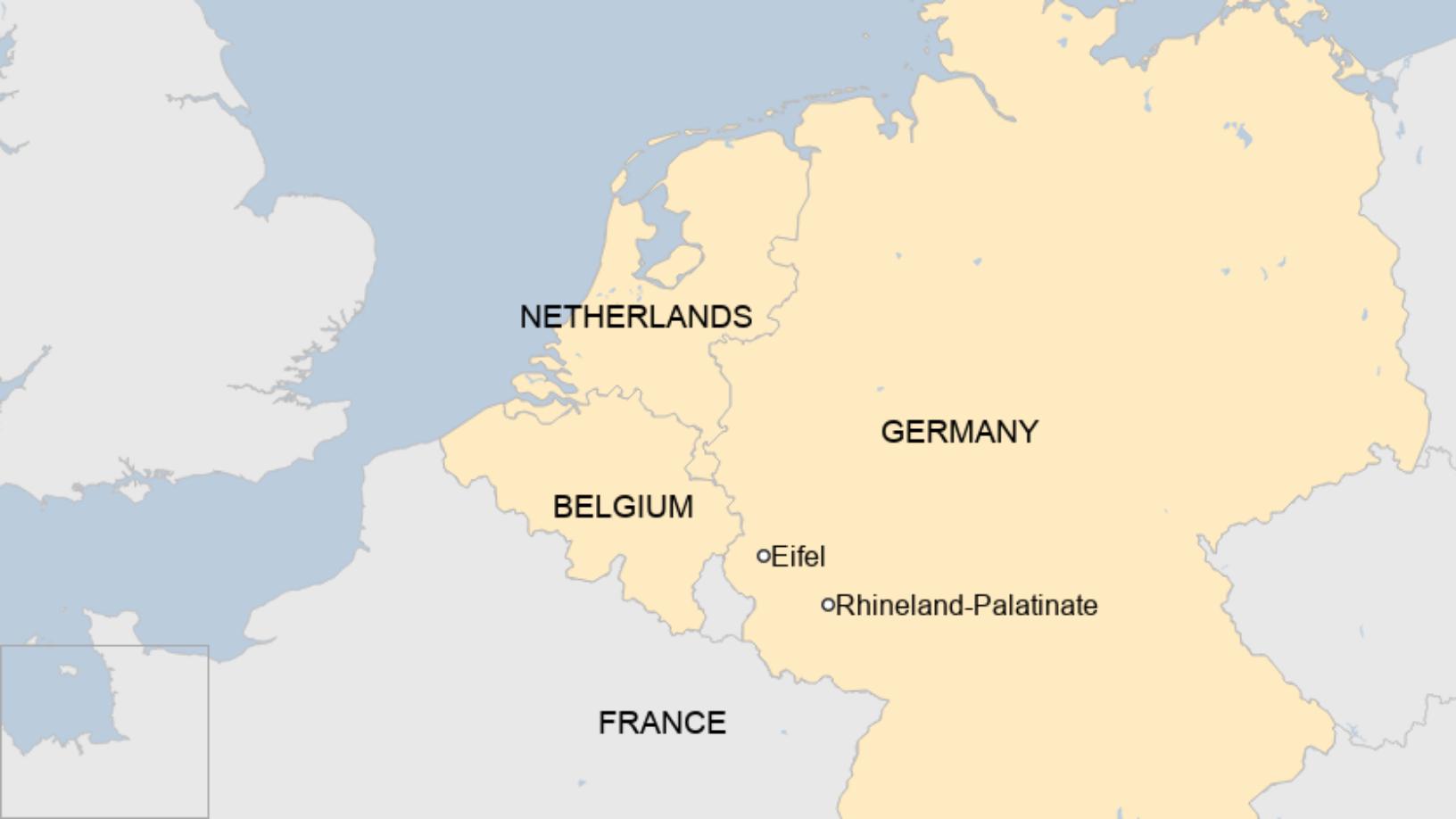
The worst of the flooding has been in the state of Rhineland-Palatinate, where around 50 people have been waiting on rooftops to be rescued.
At least 30 people are missing in the hilly Eifel region after several homes collapsed, broadcaster SWR reports.
Much of the flooding was triggered when the Ahr river, which flows into the Rhine, burst its banks south of Bonn.
Malu Dreyer, chief of the Rhineland-Palatinate state, described the flooding as a “catastrophe”.
“There are dead, missing and many people still in danger,” she said. “All of our emergency services are in action round the clock and risking their own lives.”
Police helicopters and the army have been deployed to some areas to help stranded residents.
Some schools have been closed, while rail and road transport links have been severely disrupted around the west of the country.
image captionMany houses in Schuld bei Adenau are in danger of collapsingimage captionMore heavy rain is forecast over the next few days
About 25 houses are in danger of collapsing in the district of Schuld bei Adenau in the Eifel region, where a state of emergency has been declared, according to SWR.
It said some houses had been completely cut-off and could no longer be reached by boat.
Four people died in the Eifel region when their homes were swept away in the early hours of Thursday, police said.
Meanwhile, two firefighters died on Wednesday in the neighbouring state of North Rhine-Westphalia. One drowned, while the other reportedly collapsed following a rescue operation.
Neighbouring Belgium has also been hit by flash floods, and dramatic video showed cars being swept away along a street in the city of Verviers.
Almost 2,000 people have been forced to evacuate in the town of Chaudfontaine, the Le Soir newspaper reported.
Rail services in the southern half of Belgium have been suspended because of the extreme weather.
In the Netherlands, the province of Limburg has been left heavily flooded following downpours overnight. Power
Forecasts suggest more heavy rain is due in much of Germany and Belgium on Thursday and Friday.
Experts say that climate change is expected to increase the frequency of extreme weather events, but linking any single event to global warming is complicated.
You might also be interested in:
https://emp.bbc.com/emp/SMPj/2.43.6/iframe.htmlmedia captionWhat is climate change?
The Ministry of Health has taken delivery of 16 ultra-negative cold chain pieces of equipment for vaccine storage.
A global shipping and logistics company, United Parcel Services (UPS), donated the equipment, commonly known as vaccine fridges, for distribution to the 16 regions as part of the company’s corporate social responsibility (CSR).
All vaccines, based on their characteristics, require certain strict storage and movement temperature known as cold chain requirements, right from the point of manufacturing right into the syringe for it to stay efficient, safe and potent.
Receiving the vaccine fridges in Accra yesterday, the Minister of Health, Mr Kwaku Agyeman-Manu, said the ultra-negative cold chain equipment would help the country to boost its capacity for vaccine storage and be able to procure and accept vaccines that required ultra-cold storage and movement temperatures.
“Unfortunately, any time we start looking for vaccines, signing vaccine agreements and placing orders, we only look for vaccine candidates that our cold chain system could support. We did not have much space for ultra-low temperature vaccines and, therefore, vaccines like Pfizer and Moderna were not options.
“We have been looking at AstraZeneca and Johnson & Johnson, which we only had capacity to store. But with these donations and the bigger ones that the government is buying, which will arrive by next week, we can make arrangements to buy more of the others that require ultra-cold storage temperature,” he said.
Widen cold chain capacity
Mr Agyeman-Manu added that with limited options for vaccines due to its storage capacity gaps coupled with the global shortage and the closure of borders by countries from where the AstraZeneca was being drawn, it had become critical to boost national storage capacity.
“And so there is the need for us to look around, build capacity to accommodate other vaccines at all levels of temperatures. We have made efforts as a government to purchase ultra-cold vaccine fridges, we have received offers for donation such as what UPS has given us,” he said.
The minister expressed gratitude to UPS for the gesture and other support in the past.
He said the country had received vaccine support from UPS over the period and that included the transportation of vaccines under the required cold chain to the national storage facilities.
Cold chain
Providing details on the vaccine cold chain, the Manager of the Expanded Programme on Immunisation (EPI), Dr Kwame Amponsa-Achiano, said the purpose of the vaccine cold chain was to maintain product quality from the time of manufacture until the point of administration.
It was to ensure that vaccines were stored and transported within World Health Organisation (WHO)-recommended temperature ranges.
He explained that vaccine was a biological product and if it got too hot or cold, the active ingredients could degrade and become less effective.
“So the vaccine cold chain is a global network of cold rooms, freezers, refrigerators, cold boxes, and carriers that keep vaccines at just the right temperature during each link on the long journey from the manufacturing line to the syringe,” Dr Amponsa-Achiano explained.
“Note that whether the vaccine requires cold chain at two degree Celsius to eight degrees Celsius; -20 or negative 70 +/-10 (UCC) degree Celsius, the level of preparedness and the country’s readiness will be critical in selecting and accepting any vaccine,” he added.
He said the equipment gave the country a mix of fridge and cold box combination, which could be stationary and mobile at the same time.
“We are expecting some Pfizer vaccines and these will be helpful,” he said.
UPS
The Manager, Africa Special Project of UPS, Mr Bassy Antwi, said the gesture was in line with an age-long UPS tradition of giving back to the communities in which it operated.
“It is the people that make the business to thrive and, therefore, we also in turn give back to them our widow’s mite in support of socio-economic and health development,” he said.
Mr Antwi added that the gesture and tradition had become even more critical in view of COVID-19 pandemic.
“We would keep supporting you to ensure the people of this country are safe and I know God will crown all our sacrifices and efforts with no further loss of lives,” he said.
The Speaker of Parliament, Alban Bagbin has referred a matter of potential contempt of Parliament involving MP for Assin Central, Kennedy Agyapong to the Privileges Committee.
It follows recent utterances by the MP against multimedia journalist, Erastus Asare Donkor who covered a demonstration in Ejura over the murder of a resident who was described as a member of the #fixthecountry movement.
Mr Agyapong is on record to have said the multimedia journalist must be beaten after he appeared before the committee probing the Ejura unrest.
The multimedia group has since taken steps to report the issue to the CID, Speaker of Parliament and other international human right agencies.
Raising the issue on the floor of Parliament, MP for Tamale North, Alhassan Suhuyini prayed the Speaker to summon the MP before the Privileges Committee.
Deputy Majority Leader, Afenyo Markin on his part contended that per their rules, a Prima Faci must be established before the referral is made.
But speaker in his ruling referred the matter to the Privileges Committee to establish whether or not the MP is in a contempt of Parliament.
Women in Egypt are breaking down the walls of silence surrounding sexual abuse. Now one of the latest fightbacks is against marital rape, an issue which until recently has been largely taboo.
On her wedding night, 34-year-old Safaa was raped by her husband. The attack left her with injuries to her groin, wrist and mouth.
“I was on my period and wasn’t ready to have sex that night,” she says. “My husband thought I was evading having an intimate relationship with him. He beat me, handcuffed me, muzzled my voice and raped me.”
Safaa, however, refused to file a police report against her husband out of fear of social stigma. Victim-blaming culture is common here in what is a patriarchal society, particularly if the victim is a woman.
But a turning point came in April, when a scene in a television series called Newton’s Cradle that was broadcast during the Muslim fasting month of Ramadan showed a scene of a husband forcing himself on his wife.
For many women, the episode evoked bad memories but it also gave them the courage to take to social media and share their experiences.
In a few weeks, hundreds of testimonies appeared online, including more than 700 on a Facebook page called Speak Up.
Among them was that of 27-year-old Sanaa.
“He was an angel. One year on from our marriage, I was pregnant and about to deliver,” she says in a message to the page. “We had a fight over a trivial thing and he decided to punish me.
“He forced himself on me and raped me. I had a miscarriage.”
Sanaa fought a lonely battle for divorce and is now separated from her husband but continues to grieve for her baby.
Forced and violent sex is prevalent in many parts of Egypt, particularly on the wedding night.
The growing debate about it got even more heated when an ex-wife of a famous singer took to Instagram to tell her alleged story of marital rape. Appearing in tears, her video went viral and made headlines.
The husband rebuffed the allegations as “baseless” in a video he posted on Instagram in response.
His ex-wife called for changes to the legal system to criminalise the practice.
In its most recent study, published in January 2015, the government-run National Council for Women (NCW) said that each year there were on average more than 6,500 cases of spousal violence that involved marital rape, sexual harassment and forced sexual practices.
“Marital rape is blamed on a common culture here in Egypt that believes that a marriage contract binds a wife to be available for sexual intercourse 24/7,” says Reda Danbouki, a lawyer and executive director of the Women’s Centre for Guidance and Legal Awareness.
The common belief here, based on some religious interpretations, is that if a woman refuses to have sexual intercourse with her husband, she becomes a “sinner” and “angels curse her all night”, he adds.
To settle the debate, Dar al-Ifta, the Egyptian Islamic advisory body which issues religious edicts, has said: “If the husband uses violence to force his wife to sleep with him, he is legally a sinner and the wife has the right to go to court and file a complaint against him to get punished.”
Still, the Women’s Centre for Guidance and Legal Awareness has documented 200 marital rape cases over the past two years, mostly because of what is widely known as “first night fear”, Mr Danbouki explains.
Egyptian law does not criminalise marital rape – something which is considered a form of sexual violence by the World Health Organization (WHO) – and courts also find it difficult to prove. https://emp.bbc.com/emp/SMPj/2.43.6/iframe.htmlmedia caption(October 2018) Five Egyptian women shared their stories of sexual harassment and abuse with BBC Arabic
Most marital rape cases which go to court do not end in a conviction due to Article 60 of the Egyptian Penal Code.
“The provisions of the Penal Code shall not apply to any deed committed in good faith, pursuant to a right determined by virtue of the Sharia (Islamic law),” the article stipulates.
But Mr Danbouki says that marital rape could be proven by “examining the whole body to look for abrasions, external injuries. Wounds around the mouth should be looked for, along with the wrists”.
Change is often slow to come to Egypt, where conservative values still dominate, but for the victims of marital rape, their voices are beginning to be heard.
The real names of Safaa and Sanaa have been changed in order to protect their identities.
The Chairman for New Juaben North Constituency of the New Patriotic Party (NPP), Kwadwo Boateng-Agyemang says Ghanaians are still talking about the First Lady’s salary “because the people do not have any problem”.
He was of the view that the salary or allowances of the First and Second ladies should have been left for the Prof. Yaa Ntiamoah-Baidu led committee to decide instead of a public debate.
The First Lady, Rebecca Akufo Addo, declined the offer for her to be paid allowances and as well decided to refund all monies paid to her as allowances from the date of the President’s assumption of office, i.e., from January 2017 to date, amounting to GH¢899,097.84.
Her decision was informed by some extremely negative opinions being expressed by some Ghanaians in the raging debate on emoluments for First and Second Ladies.
The First Lady’s emolument was recommended by the Prof Yaa Ntiamoa-Baidu-led Presidential Committee on Emoluments for Article 71 officeholders.
Speaking on Atinka TV’s morning show, Ghana Nie with Ekourba Gyasi Simpremu, Chairman Boateng said, “If we had problems, this conversation wouldn’t be a topic of discussion.”
He added that,”The opposition is making noise because they realised that we don’t have problem in Ghana so when something happens they should make noise about it.”