Ghana has launched the Ghana Tomato Self-Sufficiency Initiative (GHATSI), targeting annual production of 400,000 tonnes of tomatoes and more than 600,000 direct and indirect jobs when fully implemented.
The initiative, launched at Anloga in the Volta Region, is aimed at ending seasonal tomato shortages and surpluses by coordinating production, financing, irrigation, processing and markets throughout the year.
The first phase, covering the 2026/27 production season, targets 100,000 tonnes from more than 10,000 acres across 35 districts, 10 regions and more than 100 communities.
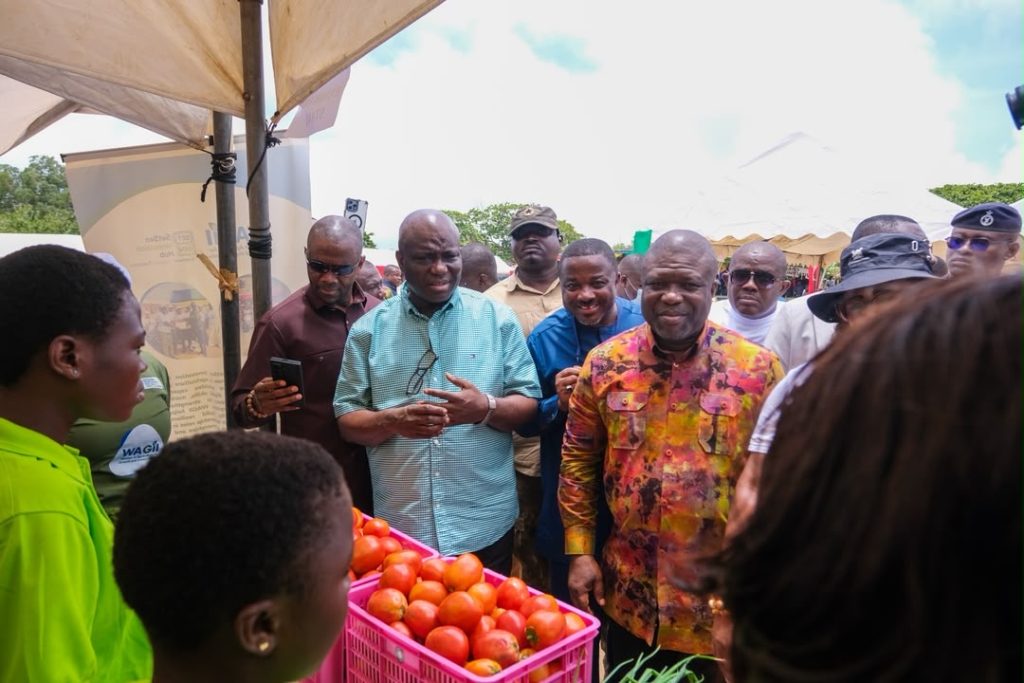
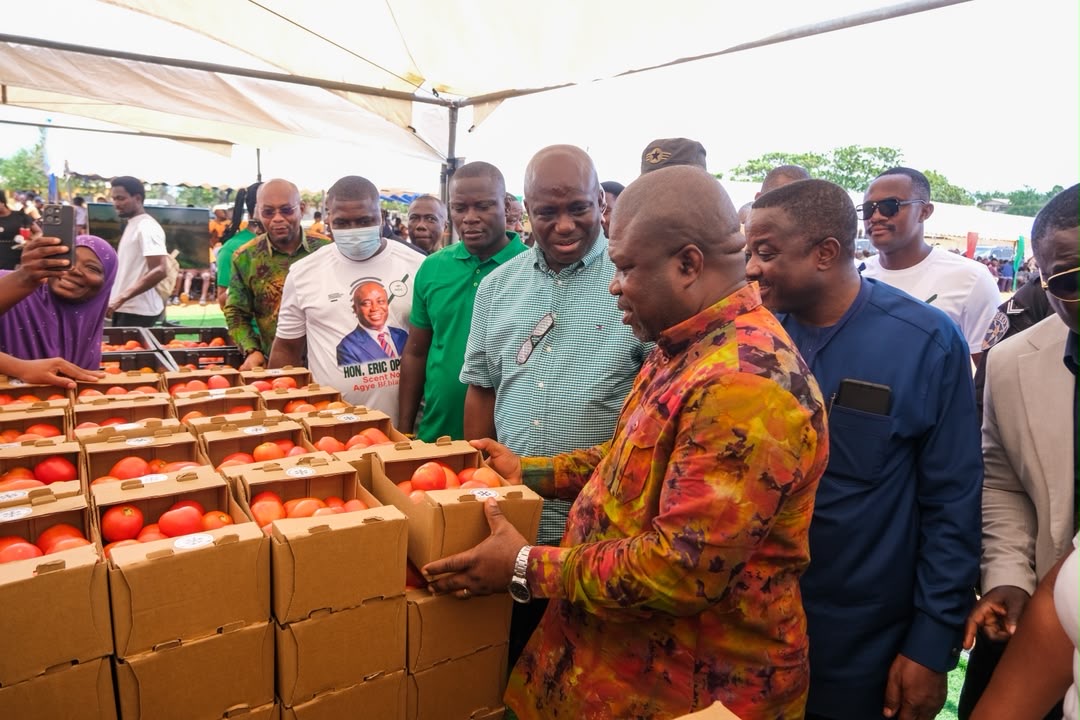
The Minister of Food and Agriculture, Eric Opoku, said the first phase could create more than 150,000 jobs, including about 50,000 year-round positions. At full rollout, employment is projected to exceed 600,000 opportunities.
He said Ghana currently faced an estimated 300,000-tonne tomato supply deficit during the December-to-July off-season, adding that the problem was not only inadequate production but poor coordination between farmers, markets and processing facilities.
Under GHATSI, planting will be staggered across the northern, middle and southern production belts to ensure successive harvests throughout the year.
The long-term plan is to expand cultivation to more than 40,000 acres, with up to 200,000 tonnes eventually processed into tomato puree and other value-added products.
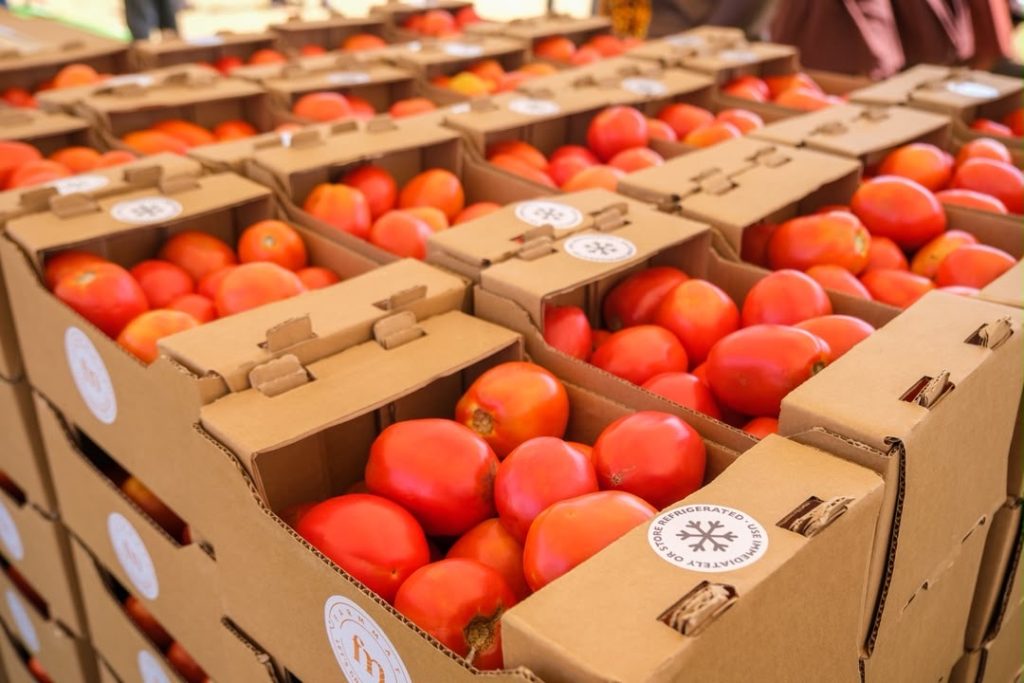
FarmMate Ltd, the private-sector implementation partner, said it already had about 4,000 acres of organised tomato production underway or entering production.
Its Founder and CEO, Sena Amevor, said the company’s out-grower programme covered more than 80 tomato-growing communities and would expand to more than 130.
He stressed that increasing production alone would not solve Ghana’s tomato problem without access to finance, technical support, insurance, markets, processing and logistics.
FarmMate’s tomato processing facility at Legon is expected to begin operations this month, with capacity of up to 120 tonnes of fresh tomatoes in 24 hours across three shifts.
The programme’s farmer package is estimated at about GH¢20,000 per acre, covering inputs, land preparation, technical support and insurance, with financing expected through Pan-African Savings and Loans.

Government will also support irrigation expansion and a planned packhouse at Anloga, while efforts are underway to rehabilitate the Pwalugu Tomato Factory.
Mr Opoku said the initiative would be measured by production and processing volumes, farmer incomes, imports displaced, post-harvest losses reduced and jobs created.
Ghana|Atinkaonline.com|Cynthia Akans