









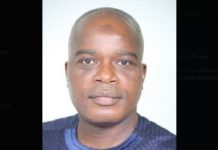











Consumer protection advocate Nana Kwaku Agyemang has cautioned the government against its confrontational approach towards private businesses, particularly in light of recent threats by Communications Minister Sam George directed at pay-TV provider DSTV.
Nana Kwaku Agyemang described the move as “not a good trend” for Ghana and warned that it sends the wrong signal to potential investors.
Speaking on AtinkaTV’s Ghana Nie show hosted by Bernard Lav, Nana Kwaku Agyemang said while consumers would naturally welcome any measure that reduces costs, the government’s handling of the situation is troubling and could have long-term consequences.
“As for the consumer, anything that turns in their favor is fine. But we have to be careful when dealing with private entities,” he said. “We are operating in a free market economy. You can appeal to their conscience to reduce prices, but the government has no price control over private institutions. That makes it very difficult to push them.”
The controversy arose after Minister Sam George reportedly threatened that DSTV could lose its operating license if it fails to reduce its subscription fees in Ghana, especially following recent reductions in Nigeria and other parts of Africa. However, Nana Kwaku Agyemang pointed out that circumstances differ from country to country.
“Yes, they’ve reduced prices in Nigeria, but their tax is 7%, while Ghana’s is 15%. They also have their reasons for the pricing,” he explained, emphasizing that policy must reflect economic realities rather than political pressure.
Instead of issuing ultimatums, Nana Kwaku Agyemang suggested that the minister could rally consumers to voluntarily boycott DSTV services if price reductions are not forthcoming — a tactic more aligned with free-market principles.
He also criticized the inconsistency in government’s economic messaging, particularly on the issue of foreign exchange and local tariffs.
“The same government that is asking private companies to reduce prices because of a stabilizing dollar is increasing electricity and petroleum prices. Electricity tariffs have just gone up by 2.5%. So what message are we sending?” he asked.
Agyemang stressed the importance of maintaining investor confidence in Ghana, reminding authorities that the country also has businesses operating in other countries under international trade frameworks.
“I am not happy with how we are handling issues,” he added. “We live in an international trade market, and this kind of posturing is not healthy for investor confidence.”
The comments have sparked public debate over the appropriate role of government in regulating prices within a liberal economy and how best to balance consumer protection with economic freedom.
Ghana|Atinkaonline.com|Ebenezer Madugu