










Home Blog Page 5

Government Accountability Series: Assembly Members Receive Allowances Under Decentralisation Push

Source: Mavis Fantevi

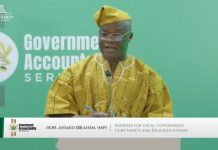
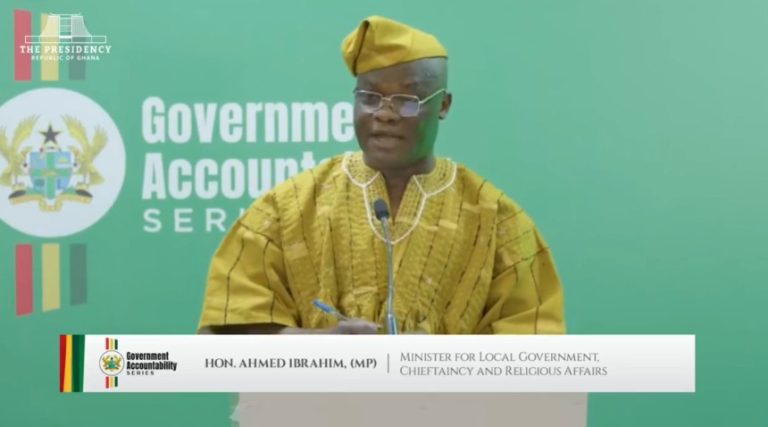
The Minister for Local Government, Chieftaincy and Religious Affairs, Ahmed Ibrahim, has underscored government’s renewed commitment to strengthening Ghana’s decentralisation system through improved welfare and recognition for assembly members.

Speaking as part of the Government Accountability Series on Monday April 20, 2026, the Minister acknowledged longstanding concerns about the treatment of assembly members, noting that since the country began practising decentralisation, many of them were neither adequately recognised nor respected.

He added that the lack of motivation over the years affected their ability to fully discharge their responsibilities at the grassroots level.

Hon. Ibrahim explained that the narrative began to shift following the leadership of John Mahama, who once served within the local governance structure.

Drawing from that experience, the President directed that all assembly members across the country be paid a monthly allowance of GH₵1,300 as part of efforts to boost morale and enhance their effectiveness.

According to the Minister, the policy has so far benefited 9,090 assembly members nationwide.

He disclosed that government has successfully paid allowances covering the period from April to December 2025, marking a significant step in addressing the welfare concerns of local government representatives.

He further revealed that arrangements are currently in place to pay allowances for the first quarter of 2026, indicating that government remains committed to sustaining the initiative despite financial pressures.

Hon. Ibrahim emphasised that the payment of allowances goes beyond financial support, describing it as a deliberate policy to restore dignity and improve the working conditions of assembly members, who serve as a crucial link between government and local communities.

He noted that empowering assembly members is key to deepening decentralisation, promoting participatory governance, and accelerating development at the grassroots.

“This policy is not just about money; it is about restoring dignity, motivation and efficiency in local governance.”

The Minister added that government will continue to roll out policies aimed at strengthening local governance institutions and ensuring that those entrusted with community leadership are adequately supported.

The Government Accountability Series is expected to provide updates on key policy interventions while offering insight into efforts being made to improve governance and service delivery across the country.
NPA and WLGA Deepen Partnership to Boost LPG Access and Safety in Ghana

0

Source: Mavis Fantevi

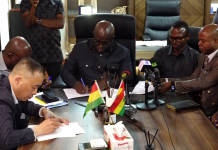
The National Petroleum Authority (NPA) has reaffirmed its commitment to strengthening Ghana’s gas sector following a high-level meeting with the World Liquid Gas Association (WLGA).

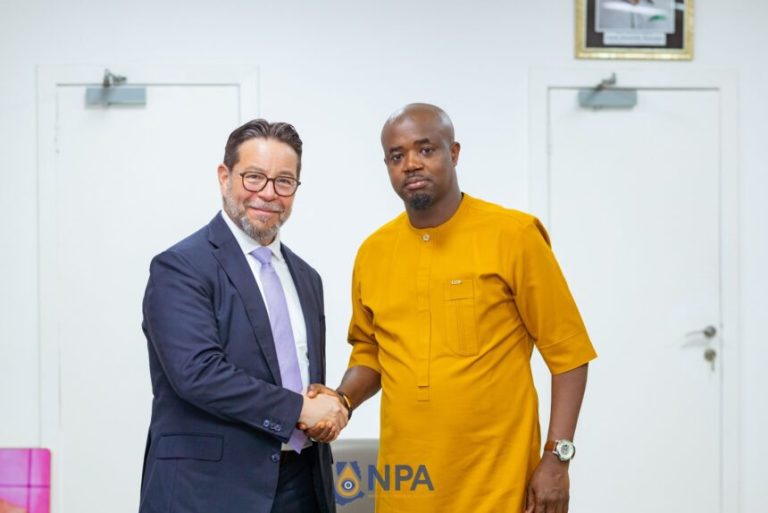
The Chief Advocacy Officer and Deputy Managing Director of WLGA, Michael Kelly, paid a courtesy call on the Chief Executive of the NPA, Godwin Kudzo Tameklo, as part of ongoing efforts to deepen collaboration in the liquefied petroleum gas (LPG) sector.

During the meeting on Monday April 20, 2026, Mr. Kelly commended the NPA’s leadership and Ghana’s progress in gas sector regulation, describing the country as a leading model in Sub-Saharan Africa.

He specifically praised the implementation of the Cylinder Recirculation Model, a policy designed to improve safety and efficiency in LPG distribution.

He also extended an invitation to the NPA to participate in the “Clean Cooking for Life Forum” scheduled to take place in Accra, highlighting the importance of global partnerships in advancing access to clean energy solutions.

In response, Mr. Tameklo reaffirmed the NPA’s commitment to expanding LPG access nationwide. He emphasized ongoing efforts to increase gas penetration, enhance safety protocols, and strengthen regulatory standards across the sector.

He further underscored the importance of strategic partnerships in sustaining growth, noting that Ghana aims to maintain its position as a benchmark for effective gas industry management in the region.

The engagement marks another step in Ghana’s drive to promote clean cooking solutions and improve energy access, particularly through strengthened collaboration with international industry stakeholders.

John Dramani Mahama speaks on public sector discipline and political interference

0

In Ghana’s public sector, President John Dramani Mahama has issued a warning against traditional and political meddling in disciplinary procedures, citing the deterioration of institutions and the potential for responsibility.

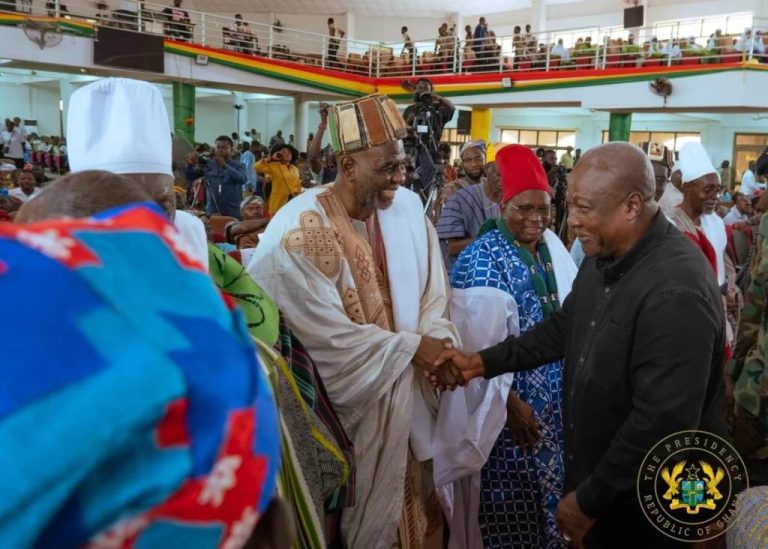
As part of his two-day Resetting Ghana tour of the Northern Region, the President spoke at the #ResettingGhana Citizens’ Engagement in Tamale. He claimed that the culture of accountability in public institutions is being undermined by the increasing tendency of those who have been sanctioned for misconduct to ask powerful people to intervene to reverse disciplinary actions.

Effective governance and service delivery depend on a disciplined public sector, he emphasised, adding that institutional integrity is seriously undermined when established protocols are broken by outside interference.

President Mahama emphasised that enforcing discipline is crucial to rebuilding public confidence and enhancing civil service efficiency, and that public institutions must be free to implement their policies without fear of retaliation or favour.

He added that the administration remains committed to strengthening institutions that promote accountability and transparency, while ensuring that due process is respected in all disciplinary proceedings.

Coventry City Return to Premier League After 25 Years as Onyeka Deal Becomes Permanent

Source: Noble Atsu

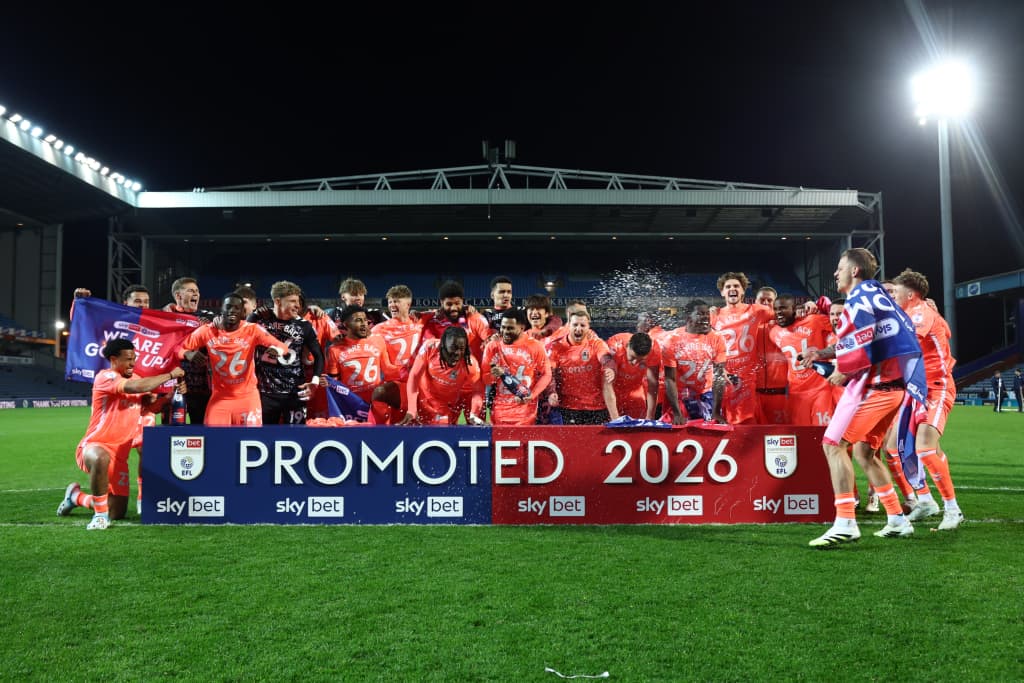
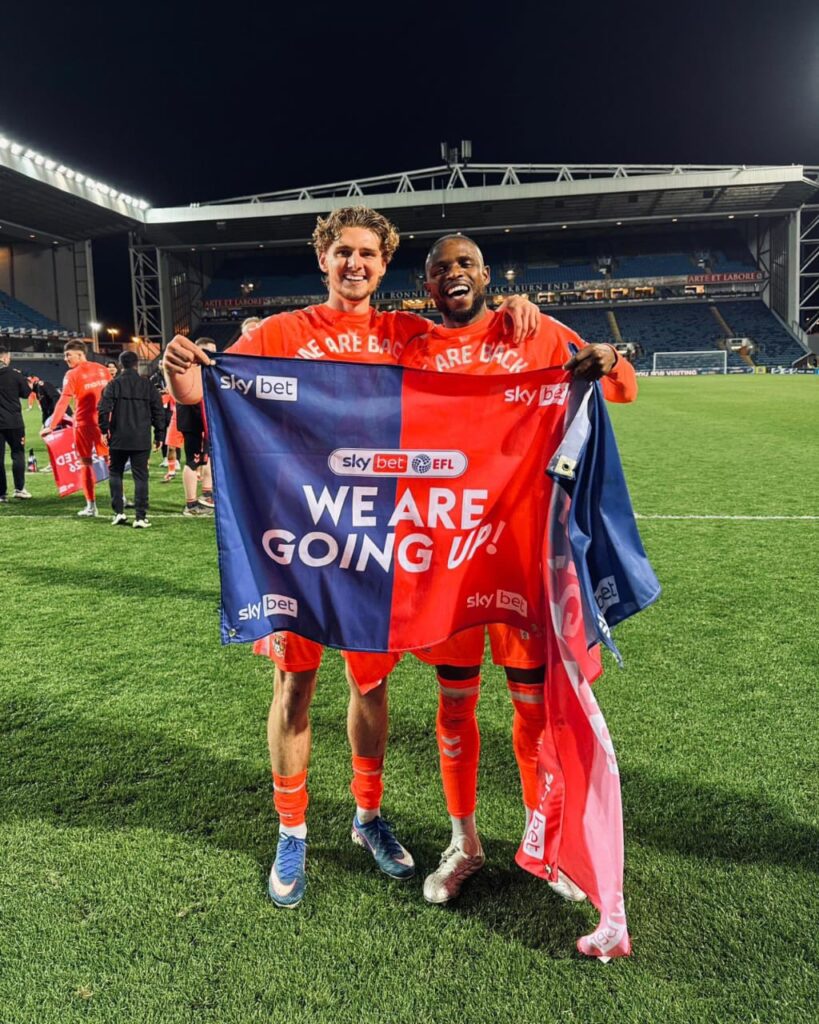
Coventry City have secured a historic return to the Premier League after 25 years, following a 1-1 draw against Blackburn Rovers at Ewood Park.

The result confirmed promotion for the Sky Blues, sparking jubilant celebrations among more than 7,000 travelling supporters.

The milestone has also triggered the permanent signing of Frank Onyeka, who joined the club on loan from Brentford during the winter transfer window. The deal included an obligation to make the move permanent upon promotion.

Coventry City Return to Premier League After 25 Years as Onyeka Deal Becomes Permanent

Onyeka, a Nigerian international with over 40 caps, played a key role in Coventry’s promotion push. He made 12 appearances, starting 11 matches, and scored in a crucial 3-2 victory over Derby earlier in the month.

While the club is yet to formally announce the transfer, the agreement had already been outlined when the midfielder first joined.

Coventry City Return to Premier League After 25 Years as Onyeka Deal Becomes Permanent

The decisive moment in the promotion race came through a goal by Bobby Thomas, whose strike ensured Coventry secured the point needed to seal their place in the topflight.

Manager Frank Lampard was visibly emotional at full-time, reflecting the magnitude of the achievement.

For Coventry City, the promotion marks the end of a 25-year absence from the Premier League and signals the beginning of a new chapter at the highest level of English football.

Northern Region: Mahama Inspects Tamale Cardiology Centre Project to Boost Specialist Care

Source: Mavis Fantevi

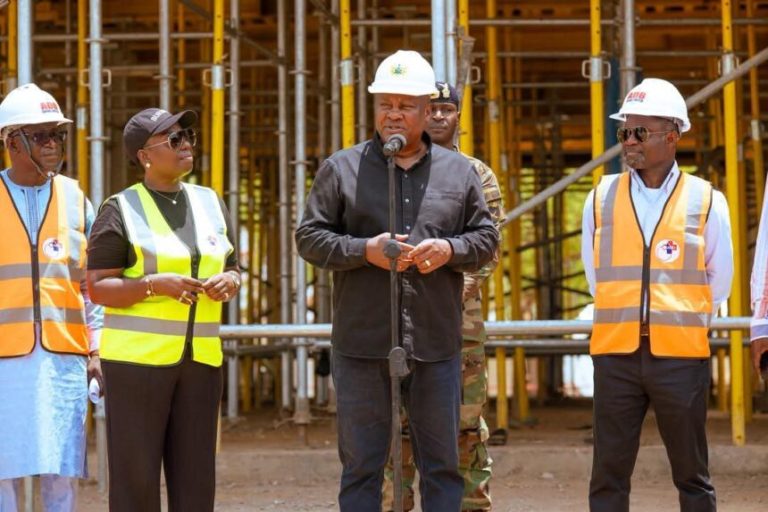
President John Dramani Mahama has inspected ongoing construction works on a new cardiology centre at the Tamale Teaching Hospital as part of his ongoing #ResettingGhana tour of the Northern Region.

The facility, being developed under the MahamaCares initiative, also known as the Ghana Medical Trust Fund, is expected to significantly enhance the country’s capacity to diagnose and treat cardiovascular diseases.

According to the Presidency, the project is aimed at strengthening specialised healthcare delivery, particularly in the management of heart-related conditions, while easing the burden on patients who currently travel long distances to access advanced cardiac care.

During the inspection, President Mahama reaffirmed his government’s commitment to investing in modern health infrastructure across the country.

He emphasised that improving access to quality healthcare remains a key priority, noting that such projects are critical to enhancing patient outcomes nationwide.

The cardiology centre, once completed, is expected to serve residents in the Northern Region and beyond, reducing pressure on major referral facilities in southern Ghana and improving equitable access to specialised medical services.

The visit forms part of the President’s broader regional tour, which seeks to assess ongoing development projects and engage with communities on key national initiatives.

Northern Region: Mahama Inspects New Transformers to Boost Power Stability

0

Source: Mavis Fantevi

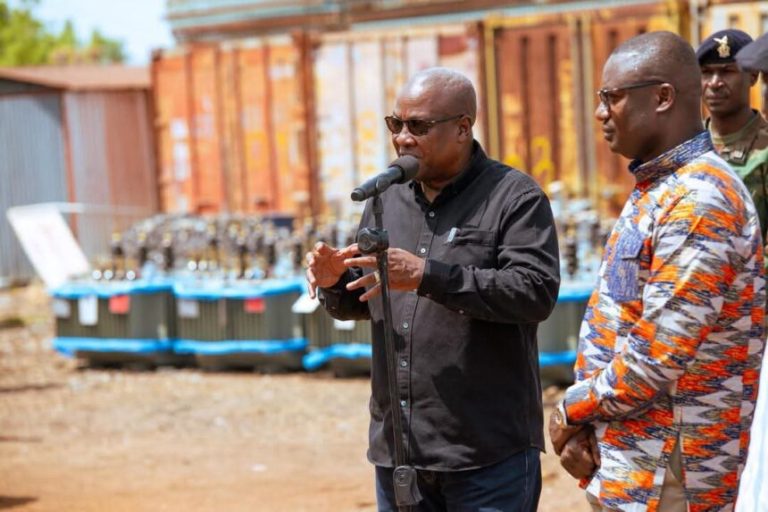
President John Dramani Mahama has inspected newly acquired transformers in the Northern Region as part of efforts to stabilise electricity supply and strengthen Ghana’s energy infrastructure.

The visit, undertaken under the #ResettingGhana Tour, saw the President assess equipment at the Northern Electricity Distribution Company (NEDCo) yard in Tamale. The inspection underscores government’s commitment to improving power reliability nationwide.

Speaking during the tour on Sunday April 19,2026, President Mahama noted that many transformers currently in use have become overstretched due to rising electricity demand.

He explained that infrastructure installed decades ago is now serving significantly larger populations, contributing to frequent instability in power supply.

He expressed optimism about the future of the energy sector, highlighting plans to localise transformer production to boost capacity and ensure long-term sustainability.

He also commended both NEDCo and the Electricity Company of Ghana (ECG) for their continued efforts to maintain electricity distribution across the country.

Minister for Energy and Green Transition, John Jinapor, revealed that the government is currently deploying high-capacity transformers, with plans to install more units across the Northern operational area.

The move is expected to reduce overloading and improve system stability.

According to the Minister, although about 400 transformers were initially requested for the region, government has increased the supply to 500 units to significantly enhance power distribution and reliability.

He appealed to the public for patience as installation works continue.

The intervention forms part of broader measures under the Resetting Ghana agenda aimed at modernising energy infrastructure and delivering a stable and efficient power supply across the country.

NDC Zongo Caucus Calls for Postponement of Branch Elections Over World Cup, Hajj

Source: Justice Adusi Poku

The Greater Accra Zongo Caucus of the National Democratic Congress (NDC) is appealing to the party’s leadership to postpone its upcoming branch elections, citing concerns over low participation due to major international and religious events.

In a press release issued by its coordinator, Ismaila Ali Horoya, the caucus urged the National Executive Committee (NEC) and the Functional Executive Committee (FEC) to reconsider the election timetable, which is currently set for May to June.

According to the statement, the proposed election period coincides with two significant events—the FIFA World Cup and the 2026 Hajj pilgrimage—both of which are expected to engage a substantial number of party members.

The caucus noted that the World Cup, a major global sporting event, attracts widespread attention among grassroots supporters, while Hajj represents a key religious obligation for many Muslim members within the party, particularly those in Zongo communities.

“Proceeding with internal elections during this period risks low participation, reduced inclusiveness, and potential disenfranchisement of committed party members,” the statement said.

Mr. Horoya emphasized that the NDC’s strength lies in its commitment to unity, fairness, and inclusivity, adding that full participation in internal democratic processes is essential for maintaining party cohesion and legitimacy.

The group is therefore proposing that the elections be rescheduled to a later date, after both events have concluded, to ensure broader engagement and a more credible outcome.

The Greater Accra Zongo Caucus reaffirmed its commitment to the party’s ideals and expressed hope that leadership would give favorable consideration to the appeal.

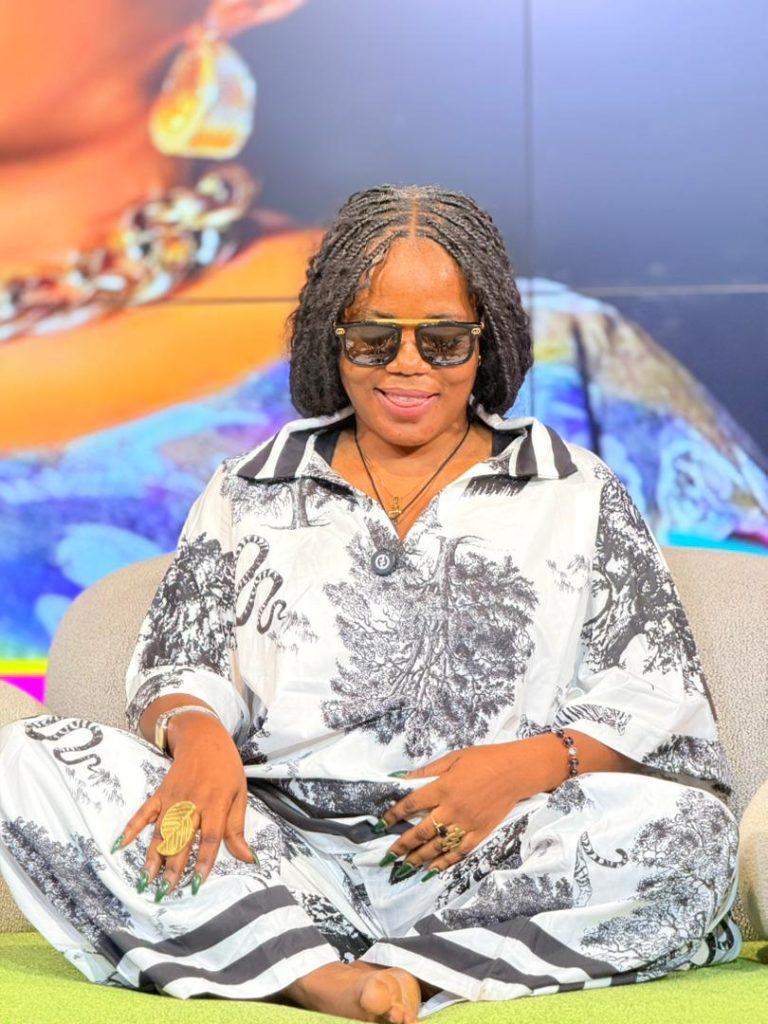
‘The Industry Tried to Change Me’ – Mzbel Opens Up on Early Career Struggles

Ghanaian musician Mzbel has opened up about the challenges she faced in the early stages of her career, revealing how the music industry struggled to accept her unique style and image.

Speaking in an interview on Vibes Central, she said she felt exposed and unsupported despite her contributions to the industry.

“The industry gave me up. It put me out there to be crucified, punched, torn apart, and stepped on. It did so much for me, it offered no protection because I came in with a style the industry wasn’t ready for,” she stated.

Mzbel explained that at the time, female artists were largely expected to conform to specific images—either gospel singers with conservative appearances or hip-life performers with a more rugged style.

“You know, as a female artist, you either come and sing your gospel song, wear your maxi dress, or you do your hip-hop, like hip-life music, and wear your baggy clothes,” she said.

She noted that her bold and feminine stage presence, characterised by short skirts and confident performances, set her apart but also drew criticism.

“I came in feminine, wearing short skirts, bikinis, on stage free, confident, and happy. For me, it was all about fun. The industry wasn’t used to that, so they tried to ‘polish’ me in ways I couldn’t understand,” she added.

Her comments shed light on the evolving expectations within Ghana’s music industry and the pressures faced by female artists navigating identity and expression.

Police arrest 8 suspected National Security operatives over alleged gold theft

0

Eight individuals who allegedly posed as national security operatives have been arrested by police for reportedly stealing gold, mobile phones, and cash from illegal miners at Assin Awisam in the Central Region.

The suspects—said to include the son of a Municipal Chief Executive—arrived in the community on Friday afternoon in a black Mitsubishi pick-up truck with registration GS 8293-18 and a Toyota Voxy.

According to reports, the group carried out an operation during which they seized belongings from miners, including an unspecified quantity of gold, cash, and mobile phones.

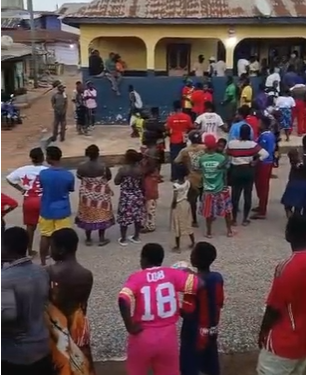
Angered by what they described as repeated extortion by the same group, some community members confronted the suspects and launched an attack.

Residents deflated the tyres of the vehicles and attempted to lynch the individuals, who were dressed in national security uniforms. The situation was brought under control through the intervention of community leaders, who handed the suspects over to police in Awisam.

However, tensions remained high as irate youth besieged the police station, prompting the Assin North Regional Police Command to deploy a reinforcement team. The suspects were subsequently secured and transported to Assin Foso.

During initial interrogation, the suspects reportedly admitted taking some mobile phones but denied stealing any gold.

All eight suspects are currently in custody at the Assin North Regional Police Command, assisting with investigations.

Youth leader of the community, George Anokye, told Citi News, “it was not the first time some individuals under the guise of state security extorted money from miners in the area”.

According to him, the same group “have been persistently harassing miners and in one instance in the later part of last year (2025) set ablaze a water pumping machine belonging to a miner known as Seidu for failing to meet their demand even after allegedly taking GHS 120,000 from him.”

He warned that such incidents are fueling anger in the community, noting that continued suspicious anti-galamsey operations and extortion could trigger unrest if authorities fail to act.

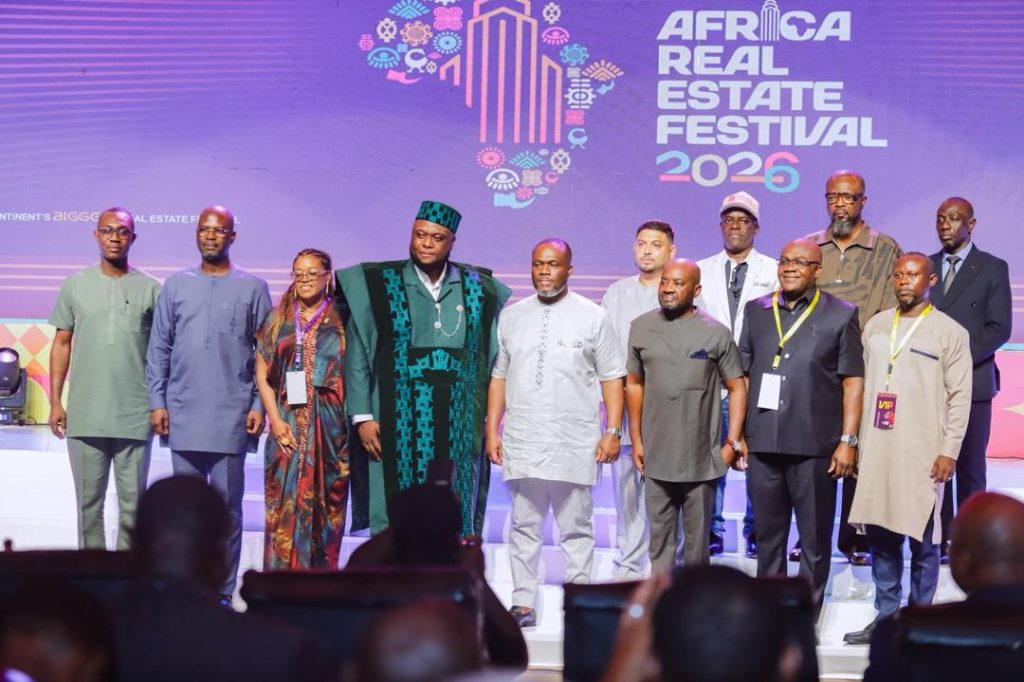
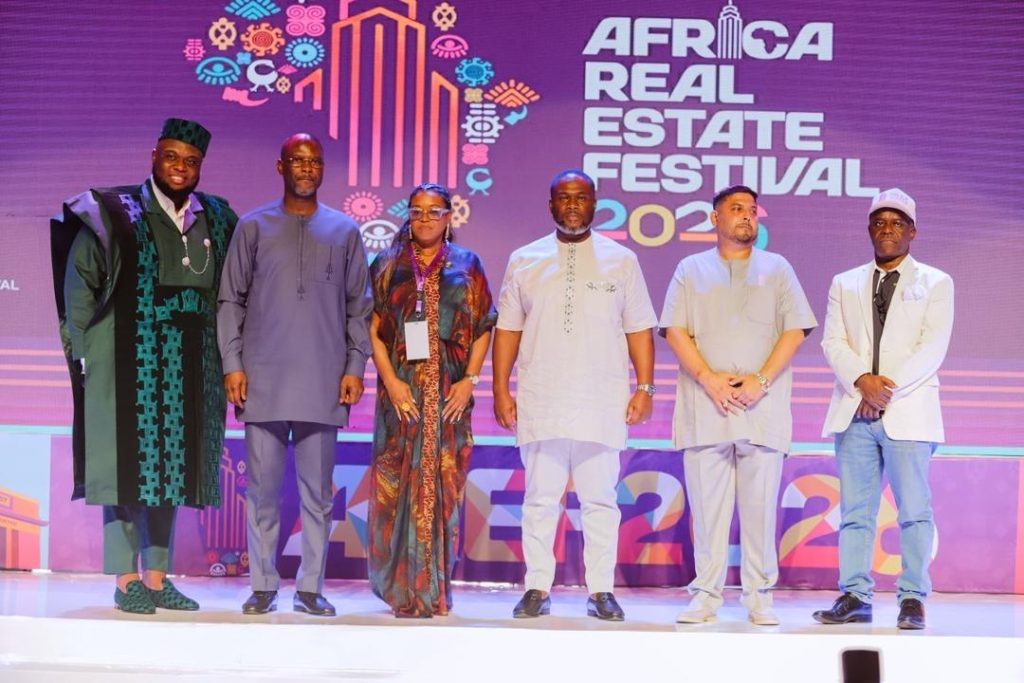
Era of Outsourcing Africa’s Real Estate Narrative Is Over—AREF CEO

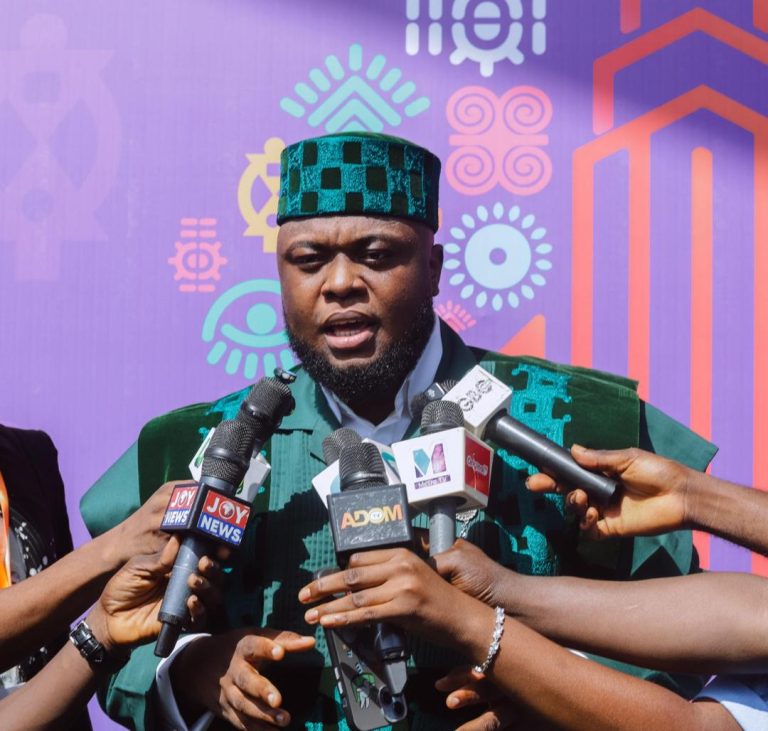
The Founder and Chief Executive Officer of the Africa Real Estate Festival (AREF), Desmond Kwesi Oteng, has stated that the era of outsourcing Africa’s real estate narrative is over.
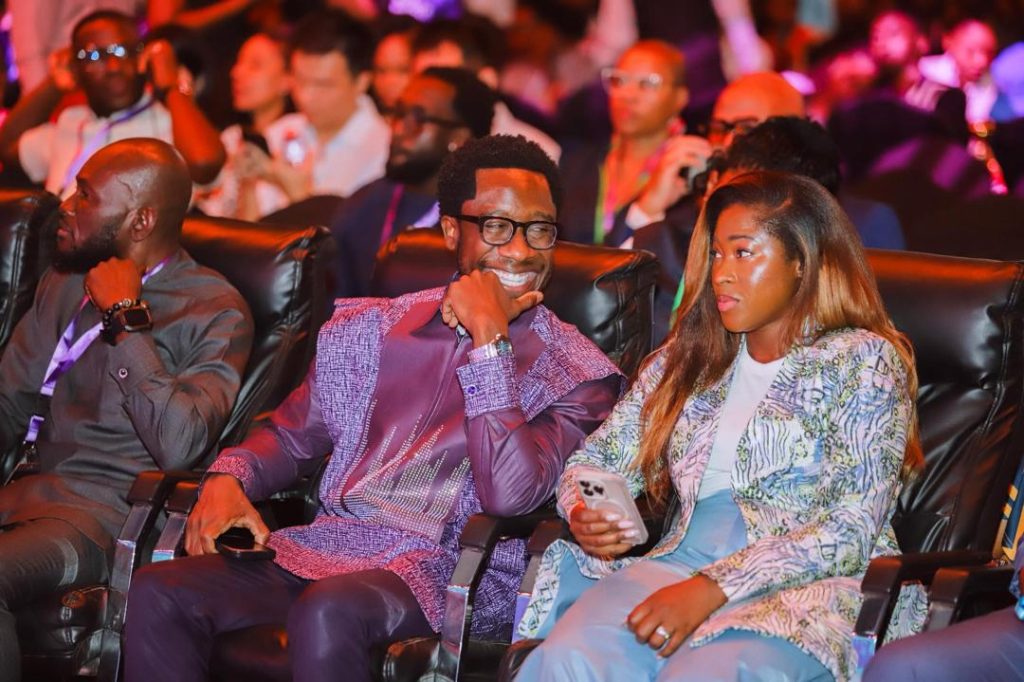
Addressing over 1,500 delegates at the inaugural AREF 2026 in Accra on Saturday, April 18, he argued that for too long, the most important conversations regarding African land and luxury have taken place in boardrooms in London, Dubai, or the United States.

The two-day event (April 18–19, 2026) brought together state regulators, diaspora investors and industry titans under the theme “Innovation Meets Identity: Designing Africa’s Next Living Experience.”

“Who builds Africa?” Mr Oteng challenged the audience, signaling an end to “narrative outsourcing.”

He applauded the leadership of the Ministry of Works & Housing, noting that the most powerful signal a government can send to the global market is not just incentives, but “certainty.”

Real Estate Narrative


The event was organised by AREF in collaboration with Nilex Properties, Goldkey Properties, the Ministry of Works & Housing and the Real Estate Agency Council (REAC).
The Minister for Works, Housing and Water Resources, Hon. Kenneth Gilbert Adjei, took the stage and declared that Africa’s next housing and urban development must deliver affordability, liveability and resilience, adding that innovation must never come at the cost of identity.

He challenged stakeholders to rethink real estate beyond land and buildings. “Real estate is about the spaces where people live, work, and connect. It influences safety, dignity, productivity, and social cohesion, while also reflecting our cultural identity. In essence, real estate is about place, not just property,” he said.

Hon. Adjei noted that in Ghana, the private sector delivers nearly 90% of housing, according to the Ghana Statistical Service.
“Government alone cannot close the housing gap. We therefore call on the private sector to scale up investment, adopt innovative delivery models, and align with national housing priorities,” he added.

Real Estate Narrative

In this regard, he outlined a series of government policies and reforms aimed at transforming the housing sector. He said the National Affordable Housing Programme was being repositioned to support large-scale, mixed-income housing through public-private partnerships, while the District Housing Programme was decentralising housing delivery so that every district contributes to reducing the national deficit. According to him, the Rent Act was under review to improve fairness, strengthen tenant protection, and create a more stable rental market.

In partnership with the Lands Commission, Hon. Adjei continued, the government was advancing land administration reforms to improve land acquisition, strengthen title security, and reduce delays.

He further announced the promotion of local building materials and green construction methods to cut costs, support sustainability and lower carbon emissions. Additionally, innovative housing finance solutions are being developed with financial institutions to expand access to mortgages and long-term housing finance.

He stressed that the broader legal and institutional framework was being reviewed to reduce bureaucracy, improve transparency, and support industry growth.

The Real Estate Agency Council (REAC) reinforced the call for structural integrity. In a stern address, the Council warned that a transparent market is sustained through professional standards and effective policy. They reminded practitioners of the absolute ban on cash transactions under the Real Estate Agency Act, 2020 (Act 1027) – a move to eliminate fraud and money laundering.

Real Estate Narrative

The private sector’s response was led by headline sponsor, Nilex Properties. Legal and Corporate Affairs Director, Lawyer Alex Kofi Osei-Owusu, shared the story of the company’s 19‑story ocean‑front development – proof of what African capital and bold architectural vision can achieve. Notably, Nilex paired technical expertise from Mumbai with a dedicated team of local Ghanaian architects. “We want to work with local architects,” he emphasised.

Industry giant, Goldkey Properties, was recognised as a “captain of industry,” driving a transition toward “Grade‑A” standards and quality living.

The festival also touched on the critical role of the Rent Control Department, arguing that fairness between landlord and tenant builds sustainable communities.

As the first edition of AREF continues into its second day tomorrow, the energy in Accra confirms Desmond Oteng’s closing sentiment: Africa is no longer the “next” market; it is the “now” market. With the Ministry, REAC, Nilex, and Goldkey in alignment, Ghana is positioned as a stable, transparent, and investor‑ready hub for the continent.