























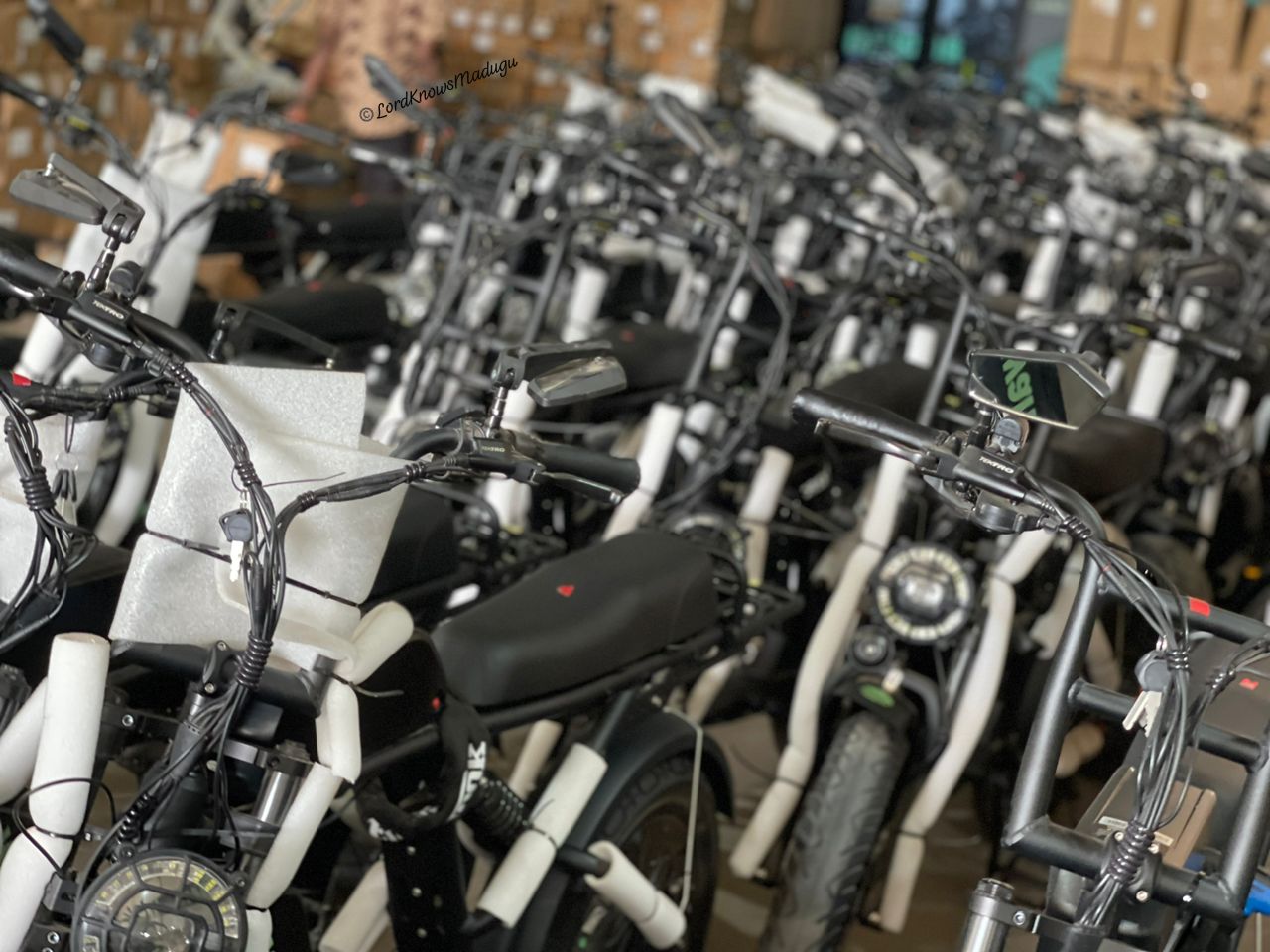
In a compelling call to action, the CEO of Wahu Mobility, Ms. Valerie Larbi, has underscored the urgent need for Ghana to stem the tide of brain drain by creating meaningful opportunities for the country’s brightest minds within its borders.
Speaking during a high-level visit by the Sustainable Energy for All (SEforALL) and the United Nations in Ghana to Wahu Mobility – Ghana’s first electric bike manufacturing plant – on Friday, June 13, 2025, Ms. Larbi lamented the ongoing exodus of young, skilled talent in search of better prospects abroad.
“One of our biggest challenges as a country has been losing our smartest people. All our young people want to go outside, and until we have jobs, manufacturing spaces, and innovation centers that allow them to use their talents, they will continue to leave,” she said.
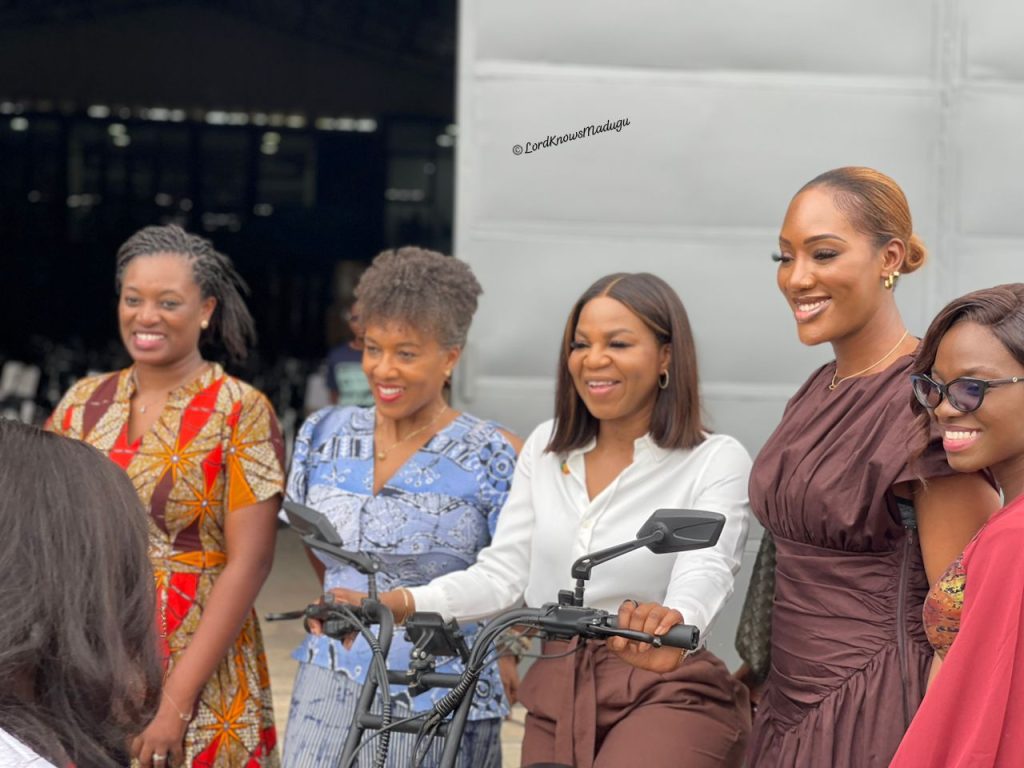
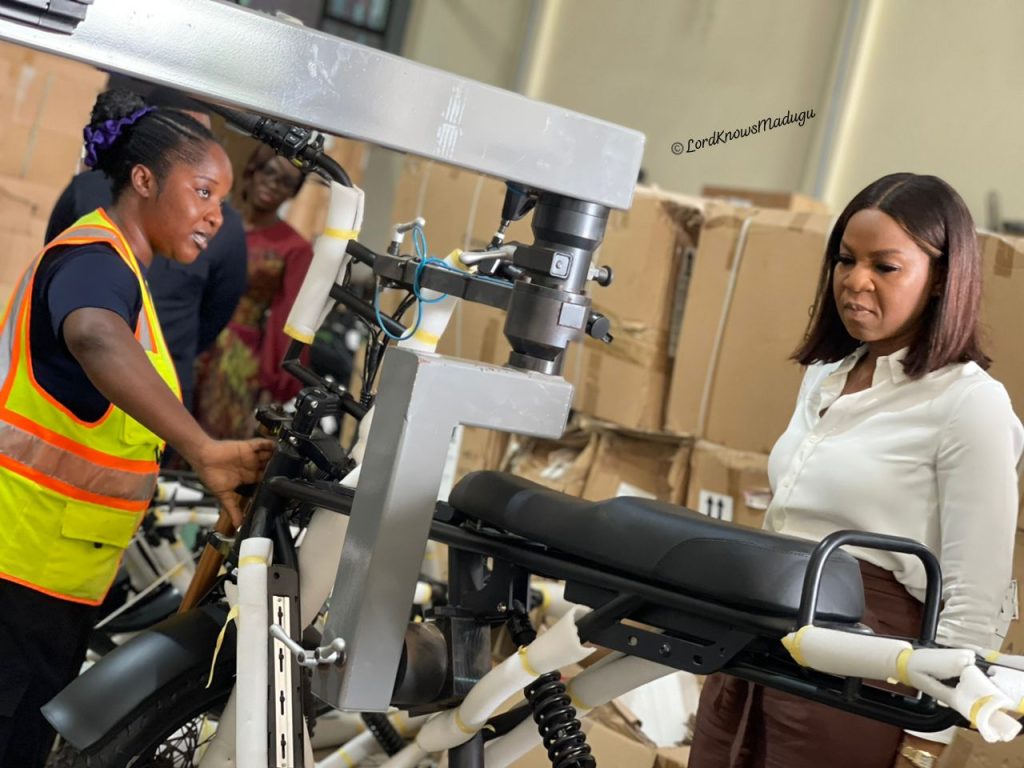
Over the past two years, Ms. Larbi revealed, Wahu Mobility has scouted and mobilized gifted young Ghanaians—from aerospace engineers to self-taught EV builders—bringing them together to build Ghana’s capacity in sustainable mobility.
“Being able to use your talent, make a living, and build something that matters is the best way to tackle brain drain,” she added, urging greater investment in research and development to support youth-led climate technology innovations.
The event marked a significant milestone in the country’s clean energy journey. The Wahu Mobility plant, located in Spintex, Accra, aims to produce up to 20,000 electric bikes annually—making Ghana a leader in Africa’s growing e-mobility sector.
Special Representative of the UN Secretary-General for Sustainable Energy for All, Ms. Damilola Ogunbiyi, praised Wahu’s achievement as a powerful example of homegrown climate technology innovation.
“People need to know that this is happening right here. We don’t have to go through China or India before we get our e-bikes. Producing these bikes locally not only reduces cost but creates jobs for young Africans,” she said.
Ms. Ogunbiyi emphasized that with transport contributing nearly 20% of greenhouse gas emissions, the sector must be a priority in energy transition plans across Africa. She further announced that Ghana’s updated energy transition plan and an accompanying investment guide are underway to support this shift.
With Wahu Mobility now standing as the continent’s first fully operational e-bike manufacturing facility, the visit spotlighted Ghana’s leadership in green industrialization and innovation.
As Ghana continues its march toward its 2060 net-zero carbon ambition, Wahu Mobility’s story is proving that the future of Africa’s climate solution can, and must, be built by Africans—starting with its youth.
Ghana|Atinkaonline.com|Ebenezer Madugu