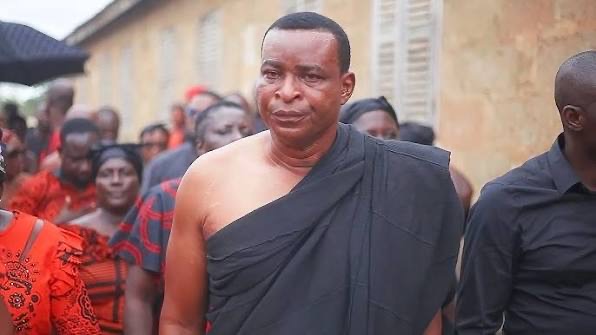
The Accra High Court has sentenced the Ashanti Regional Chairman of the New Patriotic Party (NPP), Bernard Antwi-Boasiako, popularly known as Chairman Wontumi, to 20 years in prison after finding him guilty on six charges linked to illegal mining activities at Samreboi in the Western Region.
But what exactly led to the conviction?
WHAT WAS THE CASE ABOUT?
The case centred on Akonta Mining Company Limited, a mining company linked to Chairman Wontumi.
The prosecution accused Wontumi, the company, and another director, Kwame Antwi, of breaching Ghana’s mining laws by allowing people to mine on the company’s concession without the approval of the Minister responsible for Lands and Natural Resources.
The law requires every mining company to obtain ministerial approval before another person or company can operate on its concession.
WHAT WERE THE SIX CHARGES?
The court convicted Wontumi on six counts, including:
- Assigning mineral rights without ministerial approval.
- Allowing unauthorized persons to operate on the concession.
- Facilitating illegal mining activities.
- Similar offences brought against Akonta Mining Company Limited and another director.
The offences were brought under the Minerals and Mining Act, 2006 (Act 703), as amended.
WHAT EVIDENCE DID THE PROSECUTION PRESENT?
The prosecution said investigations showed that another individual, Henry Okum, was allowed to carry out mining activities on the concession.
According to prosecutors, Mr. Okum admitted during investigations that he approached Chairman Wontumi in September 2024 for permission to work on the concession and was granted approval.
The State argued that this amounted to an illegal transfer of mining rights because the required ministerial approval was never obtained.
WHAT DID POLICE FIND?
The case followed a police operation at Samreboi in April 2025.
During the operation, police arrested 29 suspects and recovered:
- 29 excavators
- 8 pump-action guns
- 1 single-barrel gun
- 310 rounds of ammunition
- Water pumping machines
- Suspected gold
- GH¢157,000 in cash
- Motorcycles and vehicles
The prosecution said the items were being used in illegal mining activities.
WHAT WAS WONTUMI’S DEFENCE?
Chairman Wontumi denied all the allegations.
His lawyers argued that:
- Akonta Mining had not started commercial mining because its lease had not yet received parliamentary ratification.
- Henry Okum was engaged only for land reclamation and coconut plantation work—not mining.
- No agreement existed transferring mineral rights to another person.
The defence therefore maintained that no offence had been committed.
WHY DID THE COURT CONVICT HIM?
After hearing both sides, the High Court concluded that the prosecution had proved its case beyond reasonable doubt.
The court found that mining activities were carried out on the concession without the approval required under Ghana’s mining laws.
It therefore convicted Chairman Wontumi on all six charges.
WHAT SENTENCE DID THE COURT IMPOSE?
Following the conviction, the court sentenced Chairman Wontumi to 20 years’ imprisonment.
The ruling is one of the toughest sentences in a high-profile illegal mining case involving a politically exposed person.
WHAT HAPPENS NEXT?
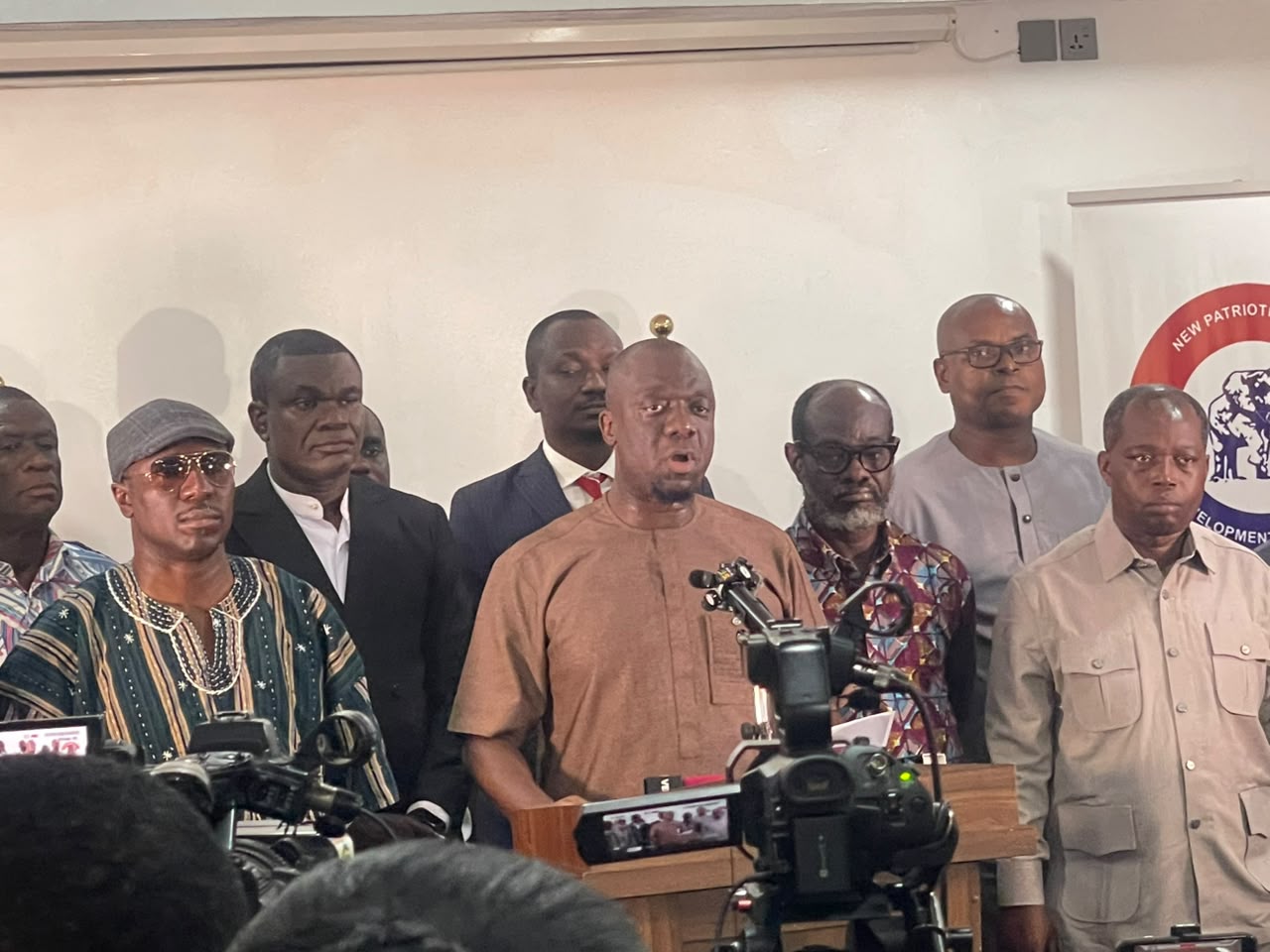
The NPP leadership has held an emergency meeting with its legal team to study the judgment and determine its next course of action.
Legal experts say Wontumi has the right to appeal the conviction if his lawyers believe there are grounds to challenge the High Court’s decision.
WHY DOES THIS CASE MATTER?
The judgment is expected to have far-reaching implications for Ghana’s fight against illegal mining, also known as galamsey.
It sends a strong message that mining concession holders must comply with the law and cannot allow others to operate on their concessions without the required approval.
The case is also likely to influence future enforcement of Ghana’s mining regulations and strengthen accountability within the mining sector.
Ghana|atinkaonline.local/|Maxwell Mensah