Partner of Abu Trica Freed; Legal Action Looms Against NACOC

0

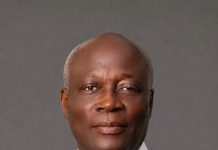
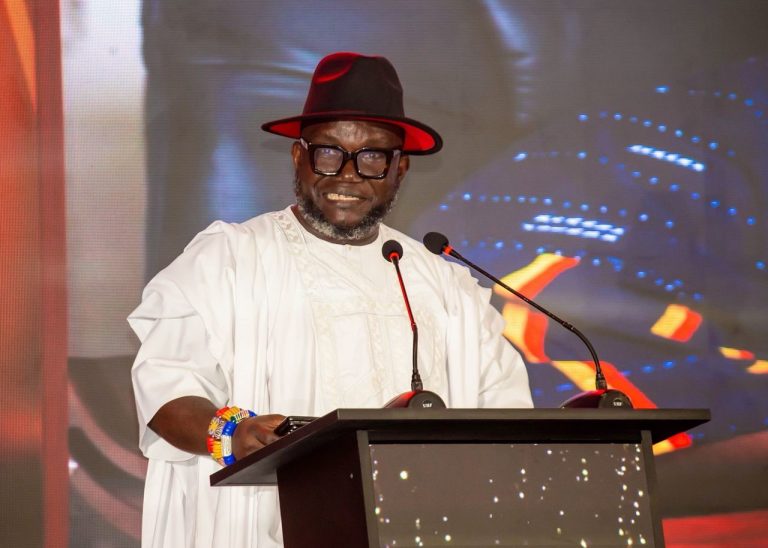
Private legal practitioner Oliver Barker-Vormawor has revealed that his law firm has successfully secured the release of the partner of Frederick Kumi, widely known as Abu Trica, who is currently under scrutiny over alleged romance-scam activities.

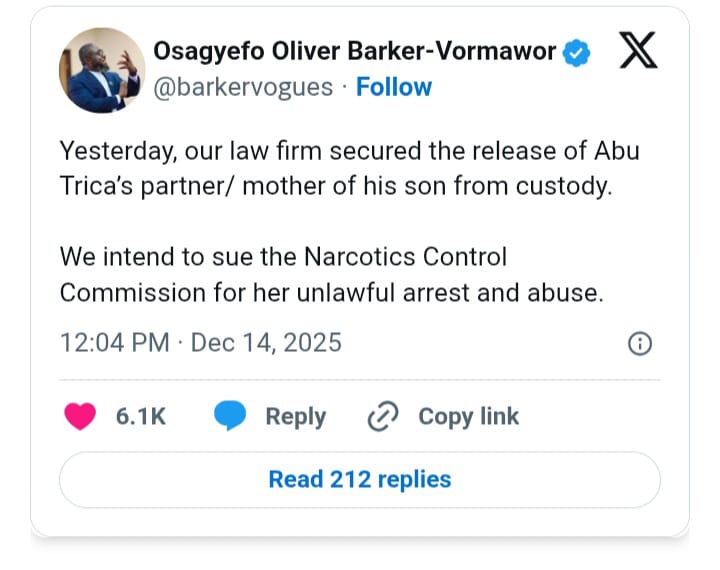
Writing on his official X account, Barker-Vormawor described the woman, who is also the mother of Kumi’s child, as having been unlawfully detained, adding that legal steps would be taken to address the alleged violation of her rights.

“Yesterday, our law firm secured the release of Abu Trica’s partner/mother of his son from custody. We intend to sue the Narcotics Control Commission for her unlawful arrest and abuse,” He stated.

The move comes as public interest intensifies following the arrest of Abu Trica, identified by authorities as a leading cyber-fraud suspect in Ghana.

EOCO has confirmed the arrest of Frederick Kumi, also known as Emmanuel Kojo Baah Obeng, for his alleged involvement in a major international romance scam believed to have defrauded elderly victims in the United States of more than $8 million.

The arrest was carried out on Thursday, December 11, following months of investigations involving local and international law enforcement agencies, EOCO said in a statement.

EOCO said the joint operation involved the FBI, INTERPOL, NIB, NACOC, the Cyber Security Authority, and the Attorney General’s Office. The agency alleged that the group relied on sophisticated AI technology to create false identities and exploit romantic relationships with elderly victims to fraudulently obtain money and valuables.

EOCO has indicated that Abu Trica is expected to be extradited to the United States, where prosecutors are likely to pursue charges including conspiracy to commit wire fraud, money-laundering conspiracy, and forfeiture proceedings. A conviction could result in a sentence of up to 20 years in prison.

The agency described the arrest as a landmark achievement in the fight against transnational cybercrime and commended the collaboration of partner institutions at home and abroad. However, neither EOCO nor NACOC has issued an official response to claims by Oliver Barker-Vormawor alleging unlawful arrest and abuse of the suspect’s partner.

Partner of Abu Trica Freed; Legal Action Looms Against NACOC

North East: NYA Regional Director Emphasises Youth Engagement in Development

0

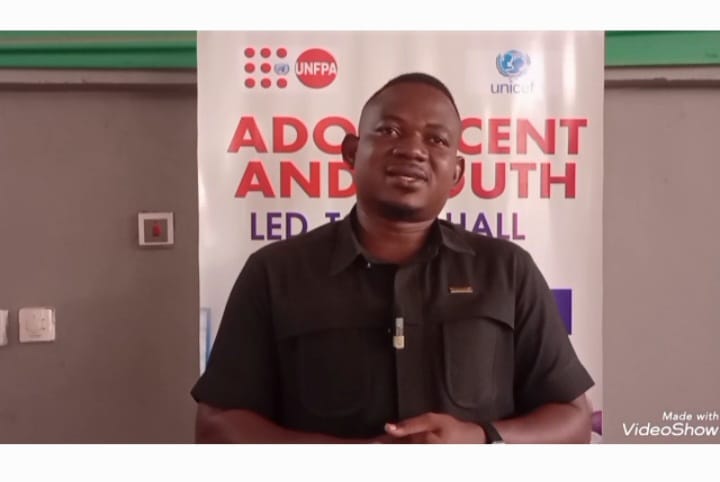
The North East Regional Director of the National Youth Authority (NYA), Robert Kampi Laari, has underscored the critical role of youth participation in development initiatives, urging young people to actively engage in planning and decision-making processes within their communities.

Speaking in an interview, Mr Laari highlighted the importance of the Medium-Term Development Plan (MTDP), describing it as a four-year strategic framework that guides social, economic, and infrastructural development at the local level.

He explained that the MTDP is developed through inclusive community participation, involving residents, traditional leaders, and civil society organisations to ensure that local priorities align with national development goals.

According to him, the plans outline key development projects, budgetary allocations, and monitoring and evaluation mechanisms aimed at improving service delivery, creating employment opportunities, and promoting sustainable development.

“These plans are crucial for guiding development, ensuring effective resource allocation, fostering local ownership, and promoting transparency in governance,” Mr Laari noted.

He further stressed the need for greater awareness among young people, encouraging them to actively seek information from district and municipal authorities about ongoing and future medium-term development plans in the region.

Also contributing to the discussion, the Municipal Chief Executive (MCE) for the West Mamprusi Municipality, together with the Speaker of the Youth Parliament for West Mamprusi, Kashifa Abubakari, reaffirmed the importance of youth involvement in decision-making processes at all levels of governance.

They noted that meaningful youth participation is essential to ensuring that development policies reflect the aspirations and needs of young people, who constitute a significant portion of the population.

The North East Region, described as a predominantly youthful region, currently operates under six administrative Municipal and District Assemblies, making youth engagement a vital component of effective and inclusive development planning.

Reported By Tahiru Apiliye Ibrahim

UWR: GTEC Warns Public Universities Against Fee-Paying Admission Systems

0

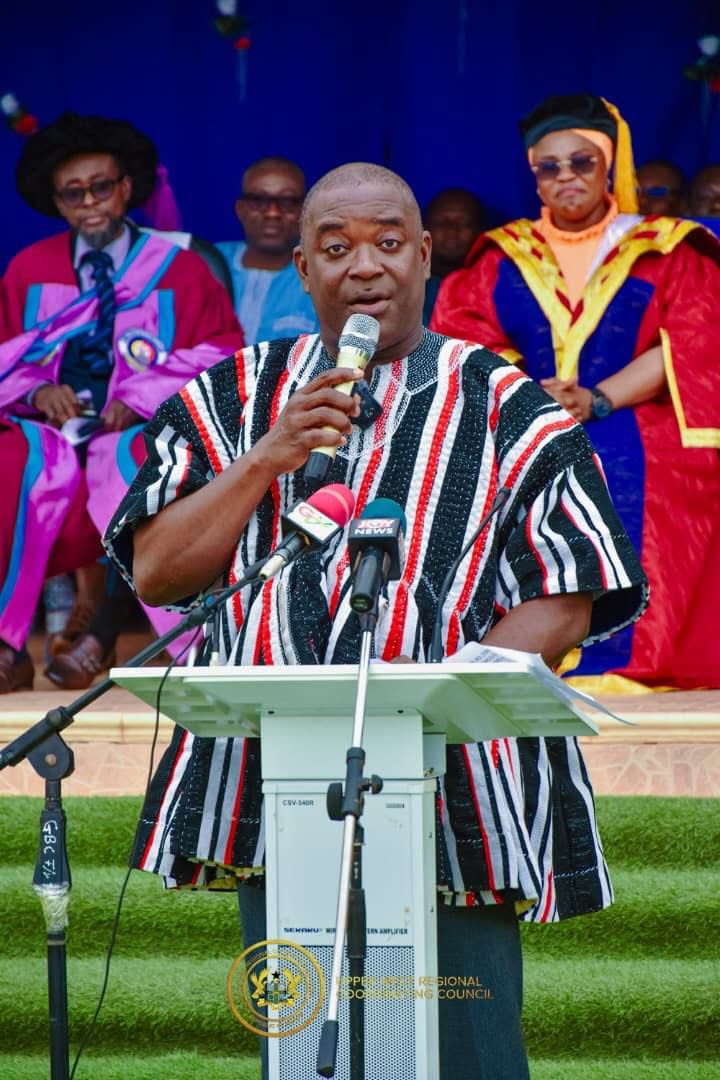
The Director-General of the Ghana Tertiary Education Commission (GTEC), Professor Ahmed Abdulai Jinapor, has cautioned public universities against the growing introduction of fee-paying admission schemes, warning that the practice threatens equity, access, and the integrity of Ghana’s tertiary education system.

Professor Jinapor expressed concern that some public universities have begun admitting students under special fee-paying arrangements, sometimes using such schemes as an alternative route for applicants who fail to meet standard entry requirements.

He noted that the practice risks excluding qualified but financially disadvantaged students, particularly from accessing well-resourced and highly sought-after public universities.

“The gradual normalisation of fee-paying admission systems in public universities could become a major barrier to higher education,” he warned. “It has the potential to further marginalise students with weaker academic grades, many of whom come from deprived backgrounds and already face systemic disadvantages.”

He stressed that admitting students under special fee-paying arrangements runs contrary to existing tertiary education regulations and urged university authorities to discontinue the practice.

According to him, financial and infrastructural challenges should not be addressed through policies that undermine fairness, merit, and equal opportunity.

“Public universities were established to expand access, not restrict it through financial barriers,” Professor Jinapor said. “Introducing fee-paying systems as an admission criterion raises serious questions about equity and regulatory compliance.”

The GTEC Director-General encouraged public universities to engage government, regulatory agencies, alumni, industry stakeholders, and development partners to address challenges such as funding gaps, accommodation shortages, and infrastructure deficits through lawful and collaborative approaches.

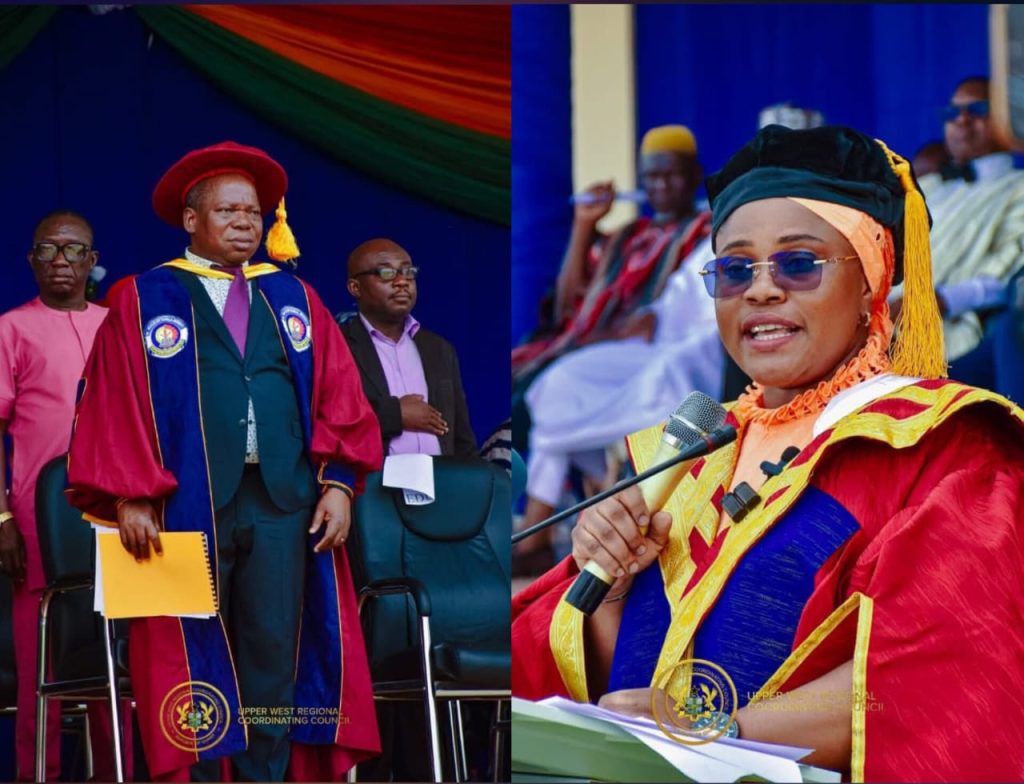
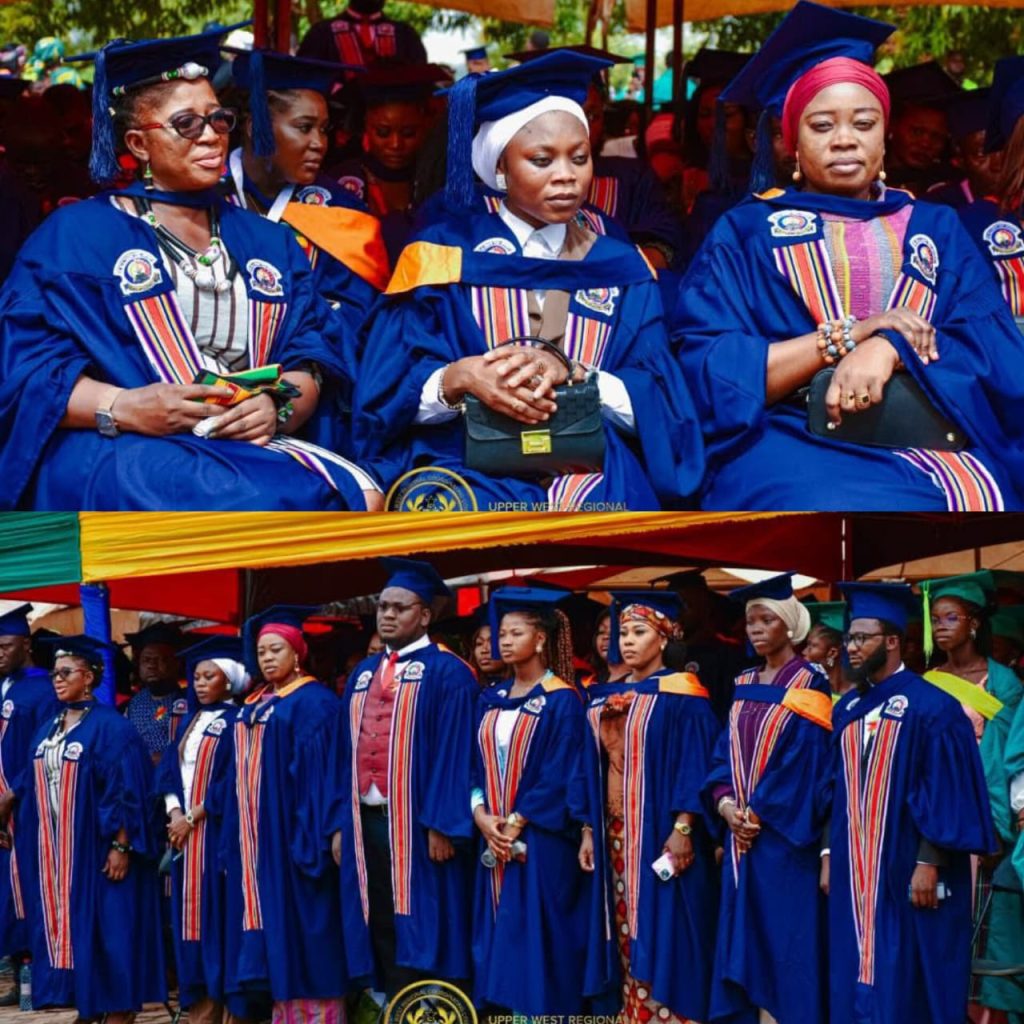
He made these remarks while speaking on the theme “The Proliferation of Tertiary Institutions in Ghana: The Role of the Regulatory Agencies” at the investiture ceremony of the Vice-Chancellor of Dr. Hilla Limann Technical University (DHLTU), held alongside the university’s 7th graduation ceremony in the Upper West Region.

Professor Jinapor disclosed that Ghana’s tertiary education sector now comprises over 300 accredited institutions, including 16 traditional universities, 10 public technical universities, 24 chartered private tertiary institutions, 94 private HND and degree-awarding institutions, 49 public colleges of education, and 81 public health training colleges.

“This is not just growth; it is an explosion of access,” he said. “From a handful of institutions three decades ago, Ghana has democratised tertiary education in an unprecedented way.”

However, he cautioned that rapid expansion without effective regulation could lead to quality dilution, programme duplication, regulatory overstretch, and a mismatch between graduate output and labour market needs.

He commended Dr. Hilla Limann Technical University as a model of regulated and purposeful institutional growth, tracing its evolution from Wa Polytechnic in 1999 to a Technical University in 2020 under the Technical Universities Act, 2016 (Act 922, as amended).

The university currently runs seven GTEC-accredited Bachelor of Technology programmes and fourteen CTVET-accredited HND programmes, with postgraduate programmes under development.

Congratulating the newly invested Vice-Chancellor, Professor Hamidatu Darimani, Professor Jinapor urged her to deepen the university’s focus on applied sciences, manufacturing, commerce, and applied arts, strengthen industry-academia partnerships, promote community-focused research, and invest in quality infrastructure and internal quality assurance systems.

By Ahmed Saanyuo Abubakari

Mahama’s 2027 AU Chair Bid Gains Momentum With ECOWAS Support

President John Dramani Mahama has received unanimous backing from ECOWAS Heads of State to serve as Chair of the African Union when West Africa assumes the rotating position in 2027.

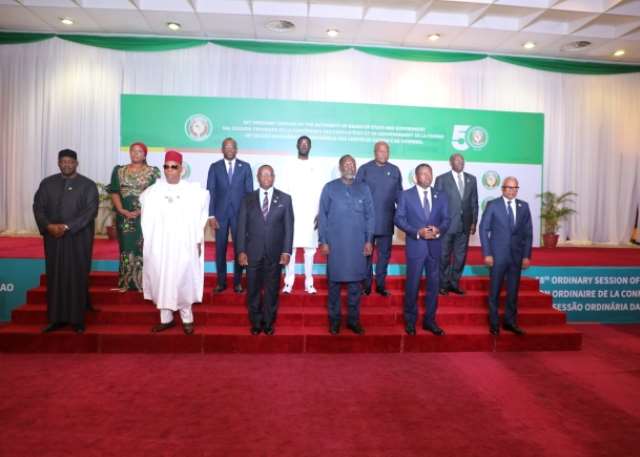
The decision follows the endorsement of the ECOWAS Council of Ministers, which, during its 95th Ordinary Session in Abuja, recommended President Mahama as the sub-region’s sole candidate. The recommendation was formally adopted by the Authority of Heads of State on December 14, 2025.

ECOWAS officials commended member states for their collective support, noting Ghana’s consistent leadership role in regional affairs and its respected standing on the global stage.

“[We are] determined to work in a concerted manner to support the candidates of ECOWAS Member States or their nationals in international organizations, including the African Union, to ensure that the interests of ECOWAS continue to be promoted and protected,” the statement explained.

Highlighting the bloc’s strategic objectives, the Council said the endorsement aligns with ECOWAS’ commitment to expanding its influence across continental and global platforms.

It reiterated its support for candidates from member states to deepen the organisation’s representation within international institutions, including the African Union, and urged the Authority of Heads of State and Government to formally adopt the declaration in support of Ghana’s 2027 AU chairmanship bid.

Sonnie Badu Explains Rhythms of Africa ’25 Date Shift in Honour of Daddy Lumba

Gospel musician Sonnie Badu has revealed that his Rhythms of Africa live concert in Kumasi was rescheduled from December 13 to December 21 out of respect for the late highlife icon Daddy Lumba.

Speaking in an interview on Joy Prime’s Changes show, Sonnie Badu explained that the original concert date clashed with Daddy Lumba’s burial, prompting him to move the event to a later date.

“I had to change my 13th December date because I heard that Manhyia had given him that date, which was also our date for Kumasi. In honour of his funeral, we changed that date to the 21st,” he said.

Beyond the rescheduling, Sonnie Badu also reflected on Daddy Lumba’s personality, stressing the importance of respecting the late musician’s privacy even in death.

“I think Daddy Lumba was a very private person, and if we are to honour the will of the departed, one of the first things we must respect is his privacy,” he noted. “One thing nobody can take from Daddy Lumba is privacy.”

He further questioned the public discourse surrounding the musician’s funeral, urging people to reflect on their true intentions.

“So here is a question: everything that’s going on, is he disturbed in the mortuary fridge about all that’s happening?” he asked. “Let us treat this guy’s issue very privately and not make it look like we care when, psychologically, we may be pushing our own agenda.”

Sonnie Badu’s comments come amid heightened public attention and family tensions surrounding Daddy Lumba’s funeral arrangements, sparking broader conversations about respect, privacy, and legacy.

Pass Minerals Revenue Management Act – Chamber Of Mines President Urges Gov’t

0

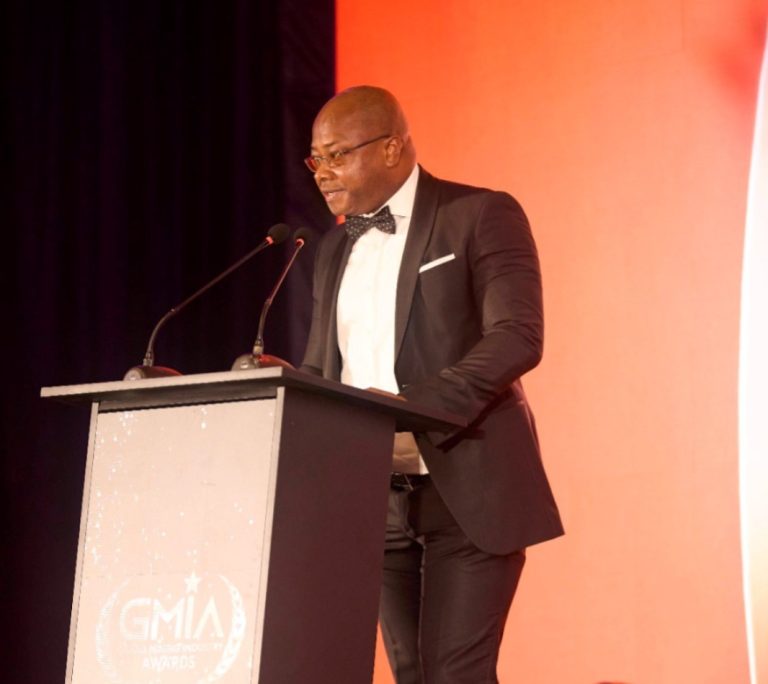
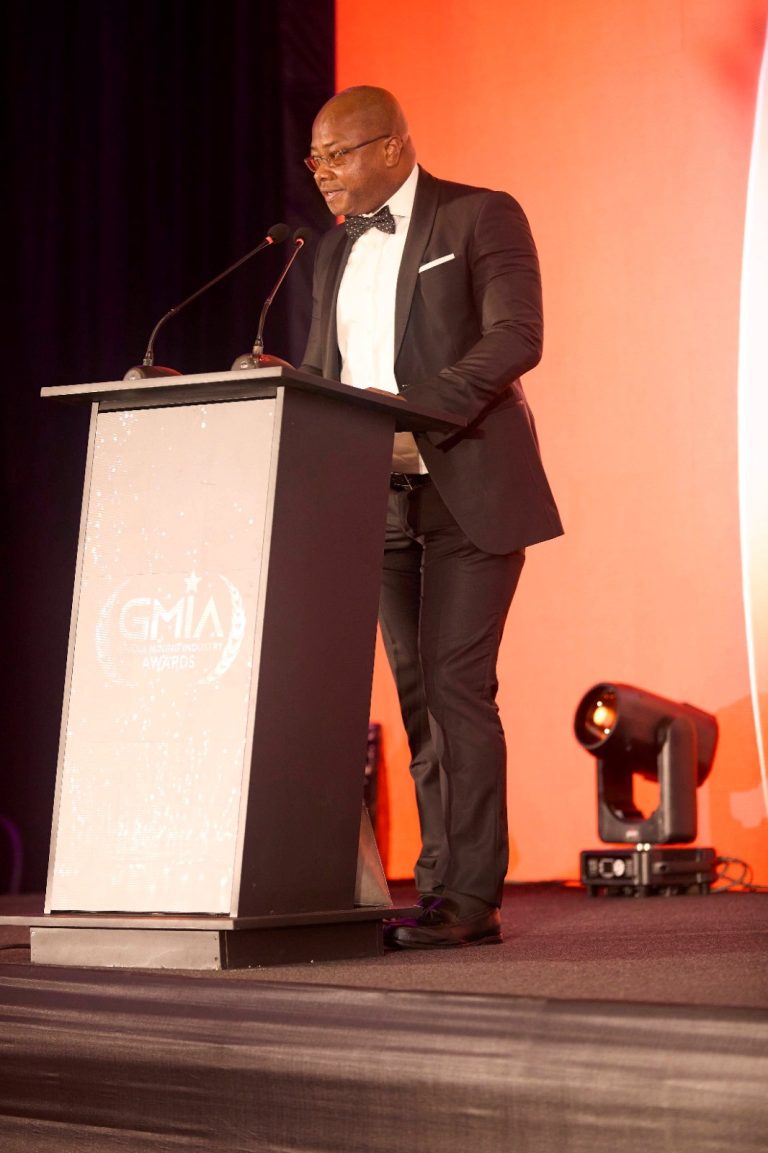
The President of the Ghana Chamber of Mines, Mr. Michael Edem Akafia, has called on government to urgently pass a Minerals Revenue Management Act to ensure greater transparency, accountability, and sustainable use of Ghana’s mineral wealth. He made the appeal during the 11th Ghana Mining Industry Awards (GMIA) held last Friday at the Movenpick Hotel in Accra.

Addressing a distinguished audience of policymakers, diplomats, mining executives, and industry stakeholders, Mr. Akafia said the time had come for Ghana to adopt a structured framework similar to what exists for petroleum revenue. According to him, such legislation would strengthen public confidence in the management of mining proceeds and secure long-term benefits for both present and future generations.

“A Minerals Revenue Management Act will deepen transparency, improve accountability and ensure that mineral revenues are used more efficiently and equitably,” he stressed.
“It is essential for intergenerational equity, saving and investing today’s revenue for future needs and the rainy day.”

The CEO of the Chamber, Ing. Dr. Kenneth Ashigbey on his part, commended government for scrapping VAT on exploration activities in the 2026 Budget, describing it as a bold step toward stimulating investment and expanding Ghana’s mineral reserves. He noted that the intervention would help keep Ghana competitive as a preferred mining hub.

Both executives, however, underscored the urgent need for policy consistency, especially as the Minerals and Mining Act undergoes review. Mr. Akafia warned that frequent policy changes, though well intentioned, create instability for long-term investments in the capital-intensive mining sector.

He also urged government to adopt a balanced approach to the proposed sliding-scale royalty regime, cautioning that overly burdensome rates could hinder growth.

Another major concern highlighted at the event was illegal mining. Mr. Akafia condemned recent attacks on state institutions, security agencies, and regulators involved in anti-galamsey operations, describing them as unacceptable and dangerous to Ghana’s environmental and economic future.

He stressed that illegal mining was not only an ecological crisis but also “a governance, social and national security problem”, calling for decisive and well-resourced enforcement.

Beyond policy and economics, the night also reflected on the transformative human stories emerging from Ghana’s mining communities. Dr. Ashigbey shared inspiring accounts, including a young woman whose dream of tertiary education was revived through the Chamber’s Tertiary Education Fund, and another who rose from community volunteer to full-time mine worker through the Inter-Mines First Aid and Safety Competition.

These stories, he said, demonstrate mining’s potential to change lives when investment is directed toward people and communities.

Mr. Akafia noted that global trends, automation, digitalisation, decarbonisation, and rising demand for critical minerals, present both challenges and opportunities for Ghana. He urged government to partner with industry to develop local content, strengthen skills training, and support innovation so Ghana can emerge as a regional mining hub not only in production, but in technology and sustainability.

Both Chamber leaders emphasized unity as essential for the sector’s long-term success. They called for stronger collaboration among government, industry, labour unions, host communities, and civil society to build a modern, ethical, and inclusive mining industry.

“Ghana wins when we work together. Ghana prospers when we manage our mineral wealth responsibly,” Mr. Akafia said.

The awards ceremony honoured outstanding achievements across safety, innovation, community development, gender inclusion, and operational excellence. Mining companies, workers, and support service providers were celebrated for their contributions to the sector’s growth.

As the night concluded, AngloGold Ashanti Iduapriem Mine was crowned Mining Company of the Year, while Dr. Catherien Kuupol Kutor, General Manager of Gold Fields Tarkwa Mine, received the prestigious Mining Personality of the Year award. The late Kwame Addo-Kufuor was also honoured posthumously with the Lifetime Achievement Award for his outstanding contribution to the industry.

The 11th Ghana Mining Industry Awards was proudly sponsored by Gold Fields, AngloGold Ashanti, Zijin Golden Ridge, Newmont, Newcore/Cape Coast Resources, Perseus Mining Ghana Limited, UMA, Sandvik Ghana, Interplast, and Stanbic Bank. Additional support for the event was provided by SMT Ghana, Asanko Gold Ghana, DRA, Mining Tools Ghana, Carmeuse Lime Products, and Liebherr.


Chamber Of Mines Reiterates The Need For Policy Consistency In Mining Sector

0

The Ghana Chamber of Mines has renewed its call for stable and predictable mining policies, emphasising that long-term investment and sustainable industry growth depend heavily on policy consistency. The appeal was made during the 11th Ghana Mining Industry Awards (GMIA) held at the Movenpick Hotel in Accra.

In his address, Mr. Michael Edem Akafia, President of the Chamber, underscored that Ghana stands at a critical point in its mining journey, one marked by global competition, heightened societal expectations, and the need for investor confidence. He noted that fluctuating regulatory frameworks, particularly in fiscal regimes, pose significant risks to mining companies whose investments span decades.

“Mining investments are capital-intensive, high-risk, and multi-decade in nature,” he stated, urging government to prioritise a consistent, transparent and balanced policy environment that supports both national interest and business growth. He further stressed the need for a fair approach to the proposed sliding-scale royalty regime, warning that an onerous structure could deter investment and stifle industry expansion.

The Chamber President also advocated for the establishment of a Minerals Revenue Management Act, a framework similar to Ghana’s petroleum revenue governance structure. Such a system, he argued, would promote transparency, accountability and equitable use of mineral revenues to benefit both host communities and the wider economy.

Ing. Dr. Kenneth Ashigbey, Chief Executive Officer of the Chamber, in his welcome remarks applauded government for scrapping VAT on exploration activities in the 2026 Budget. He described the move as a bold step toward attracting new investments, bolstering mineral reserves, and enhancing Ghana’s competitiveness as a mining destination.

Dr. Ashigbey highlighted the strong partnerships between the Chamber and regulatory bodies, including the Minerals Commission, Environmental Protection Agency, and Ministry of Lands and Natural Resources. He noted that such collaborations have helped maintain clarity in policy implementation and ensured that mining operations continue to protect the environment and deliver value to the national economy.

Both leaders acknowledged the threat of illegal mining, calling for enhanced enforcement and support for state institutions tackling the menace. They emphasised that responsible mining and the industry’s reputation depend on upholding the rule of law and safeguarding Ghana’s natural resources.

The awards ceremony, held under the theme “Celebrating Excellence in Mining: Creating Value Beyond Minerals,” recognised outstanding contributions across safety, innovation, community development and operational excellence. The event also highlighted human-impact stories, including beneficiaries of the Chamber’s educational and skills development initiatives, which demonstrate the industry’s crucial role in community upliftment.

As the night concluded, AngloGold Ashanti Iduapriem Mine was crowned Mining Company of the Year, while Dr. Catherien Kuupol Kutor, General Manager of Gold Fields Tarkwa Mine, received the prestigious Mining Personality of the Year award. The late Kwame Addo-Kufuor was also honoured posthumously with the Lifetime Achievement Award for his outstanding contribution to the industry.

The 11th Ghana Mining Industry Awards was proudly sponsored by Gold Fields, AngloGold Ashanti, Zijin Golden Ridge, Newmont, Newcore/Cape Coast Resources, Perseus Mining Ghana Limited, UMA, Sandvik Ghana, Interplast, and Stanbic Bank. Additional support for the event was provided by SMT Ghana, Asanko Gold Ghana, DRA, Mining Tools Ghana, Carmeuse Lime Products, and Liebherr.
As the mining sector navigates global transitions such as digitalisation, decarbonisation and evolving mineral demands, the Chamber reiterated its readiness to collaborate with government, labour, communities and civil society. Their shared objective: build a modern, ethical and globally competitive mining industry anchored in sustainability and policy stability.

Both the President and CEO concluded with an assurance that the industry remains a committed partner in Ghana’s development agenda, stressing that policy consistency will be instrumental in unlocking the sector’s full potential for future generations.

Ghana|Atinkaonline.com

Chamber Of Mines Thanks Government For Scrapping Vat On Exploration

0

The Ghana Chamber of Mines has expressed profound appreciation to the Government of Ghana for scrapping Value Added Tax (VAT) on exploration activities, an intervention the industry describes as timely, strategic, and essential for sustaining the country’s long-term mineral potential.

The announcement was made during the 11th Ghana Mining Industry Awards (GMIA) held at the Movenpick Hotel, where Ing. Dr. Kenneth Ashigbey, Chief Executive Officer of the Chamber, hailed the policy decision as a bold commitment to strengthening Ghana’s competitiveness as a mining investment destination.

Speaking at the ceremony, Dr. Ashigbey emphasised that the removal of VAT on exploration in the 2026 Budget is more than an administrative change; it represents a transformative incentive that will stimulate new exploration, de-risk investments, and help replenish the nation’s mineral reserves.

“This intervention is not just an administrative adjustment; it is a bold commitment to attracting new investments,” he noted. “It will sustain Ghana’s mineral reserves and reinforce the country’s competitiveness as a mining destination.”

He added that the Chamber is hopeful the same collaborative spirit that informed this decision will guide ongoing discussions on the mining royalty regime, ensuring a policy framework that benefits both Ghana and the industry.

Meanwhile, Mr. Michael Edem Akafia, President of the Ghana Chamber of Mines, also commended the government for the VAT exemption, describing it as a strategic move that will secure the future of the mining sector. He acknowledged President John Dramani Mahama, the Minister for Lands and Natural Resources, Emmanuel Armah-Kofi Buah and the Minister of Finance, Dr. Ato Forson, for their support in advancing this pro-investment fiscal measure.

Industry analysts have long argued that VAT on exploration activities places unnecessary financial burden on mining companies, especially those in early-stage exploration where commercial viability is still uncertain. The removal of the tax is therefore expected to boost investor interest, expand geological exploration, and accelerate the discovery of new mineral resources.

Dr. Ashigbey further highlighted the broader impact of such progressive policies, noting that exploration-led investments ultimately translate into more jobs, stronger local economies, and expanded community development initiatives across mining regions.

The mining industry remains one of Ghana’s economic pillars, contributing significantly to export earnings, government revenue, and employment. With this renewed government support, industry leaders believe Ghana is better positioned to attract global exploration firms and unlock new value within its mineral-rich terrains.

Both the CEO and the Chamber President reaffirmed the industry’s commitment to partnering with government to develop policies that promote investment, transparency, and sustainable growth.

As the sector embraces new opportunities created by the VAT exemption, the Chamber reiterated that strong government-industry collaboration is key to securing Ghana’s mineral future for generations to come.

As the night concluded, AngloGold Ashanti Iduapriem Mine was crowned Mining Company of the Year, while Dr. Catherine Kuupol Kutor, General Manager of Gold Fields Tarkwa Mine, received the prestigious Mining Personality of the Year award. The late Kwame Addo-Kufuor was also honoured posthumously with the Lifetime Achievement Award for his outstanding contribution to the industry.

The 11th Ghana Mining Industry Awards was proudly sponsored by Gold Fields, AngloGold Ashanti, Zijin Golden Ridge, Newmont, Newcore/Cape Coast Resources, Perseus Mining Ghana Limited, UMA, Sandvik Ghana, Interplast, and Stanbic Bank. Additional support for the event was provided by SMT Ghana, Asanko Gold Ghana, DRA, Mining Tools Ghana, Carmeuse Lime Products, and Liebherr.

Regal Film Festival 2025 Awards to Hit Accra on December 13

The Ghanaian film industry is witnessing a historic moment at the Palms Convention Centre, La Palm Royal Beach Hotel, as the Regal Film Festival and Awards 2025 (REFFA 2025) officially unfolds in Accra.

The opening ceremony was graced by the Minister of Tourism, Culture and Creative Arts, Hon. Ablah Dzifa Gomashie, and marked by an inspiring welcome address from the festival’s creator and convener, renowned Ghanaian actress and film executive Selassie Ibrahim. She expressed strong optimism about the future of Ghana’s film industry, describing REFFA as a vital platform for growth, collaboration, and global recognition.

REFFA 2025 features a rich programme of film screenings, workshops, masterclasses, and panel discussions, facilitated by respected industry professionals. These include Chris Odeh, Founder of Sozo Films, and Joy Odiete, CEO of Blue Pictures Entertainment, both from Nigeria, as well as Ghanaian filmmakers Peter Sedufia of OldFilm Productions and Shirley Frimpong-Manso of Sparrow Productions.

The festival has attracted several prominent actors, including Fred Amugi, Ken Fiati, Pascaline Edwards, Portia Asare, Roselyn Ngissah, Gloria Safo, and Bill Asamoah from Ghana, alongside Nigerian stars Ruth Kadiri and Osas Ighodaro.

REFFA 2025 has also drawn participation from film industry stakeholders across Morocco, Ethiopia, Nigeria, Uganda, South Africa, the United Kingdom, and the United States, reinforcing its growing international appeal.

Speaking in an interview with Julius Anyaele, filmmaker and producer at Bullet TV, a subsidiary of the Tobinco Media Group, veteran actor Adjetey Annan highlighted the urgent need to bridge the gap between film academia and the mainstream film industry.

According to him, stronger collaboration between academic institutions and practitioners is key to achieving sustainable growth in Ghana’s film sector.

The festival will climax with a strictly-by-invitation awards ceremony scheduled for Saturday, 13th December at 6:00 PM, celebrating excellence in African and diaspora cinema.

By Julius Anyaele

Minister Kofi Adams Pushes Sports Fund Bill to Close Funding Gaps

0

Sports and Recreation Minister Kofi Adams has officially laid before Parliament the long-awaited Sports Fund Bill, a move he says will transform the financing of sports across the country.

Since assuming office, the Minister has consistently underscored the need for a strong legal framework to support and sustain sports development. The introduction of the Bill is one of his key steps toward achieving that vision. Presenting it to lawmakers, Adams noted that the fund would “speed up the country’s sports development.”

Addressing the House, he highlighted the chronic underfunding that has stunted progress in the sector, especially for disciplines outside football. According to him, many federations struggle to participate in international competitions, organize talent development programmes, or maintain training infrastructure due to financial constraints.

The proposed Sports Fund is expected to provide a reliable and structured source of financing for all sporting disciplines, ensuring equitable support for athletes, federations, and developmental initiatives nationwide.

More details on the operational framework of the fund are expected to emerge as Parliament begins deliberations on the Bill.

By Prince Tuffuor