Atinka OnlineAtinka Online is the fastest growing radio-tv news portal in Ghana. Get all breaking news updates, latest news headlines, local and world stories, entertainment, sports, etc.
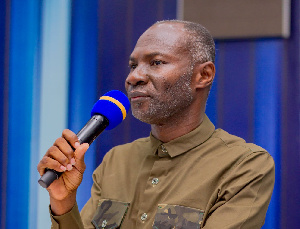
Head Pastor of Glorious Wave International Church, Prophet Badu Kobi has urged the youth not to use the words of God for gambling.
He has also told his critics not to cry for him but rather promote him because he is a true man of God.
His comments come after he was trolled on social media for predicting the direct opposite of what really happened during the football match between Europe and Italy.
Prophet Badu Kobi had prophesied that Brazil and England were going to win the just-ended Copa America and Euro 2020 trophies respectively.
However, this prophecy failed after Argentina beat Brazil in the finals of the Copa America and also Italy defeating England to lift the trophy in Europe.
Replying to his critiques in a video after the failed prophesies, Prophet Badu Kobi said, “If a prophesy comes to pass, celebrate God, but if it fails, ask God why.”
He continued that,”And the people who are talking cannot ask. When I prophesy football and you want it to come Pass, don’t use God’s words for betting.”
Trish Wilcher, from the US state of Georgia, tells of how she was “scared shirtless” after the surprise reptilian encounter at her home, adding that she has a “slight feeling there may be more than one left” despite an expert safely removing the creatures.
A woman has described her horror after discovering 18 snakes writhing under her bed as she was about to go to sleep.
Trish Wilcher had to do a double take after noticing what she initially thought was a “piece of fuzz” moving on the floor.
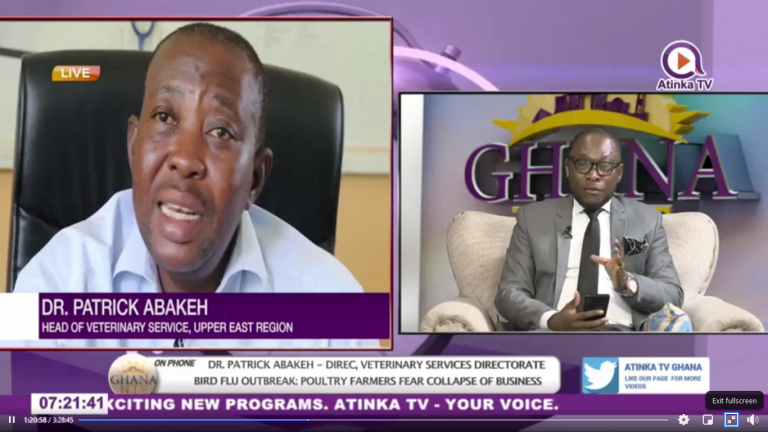
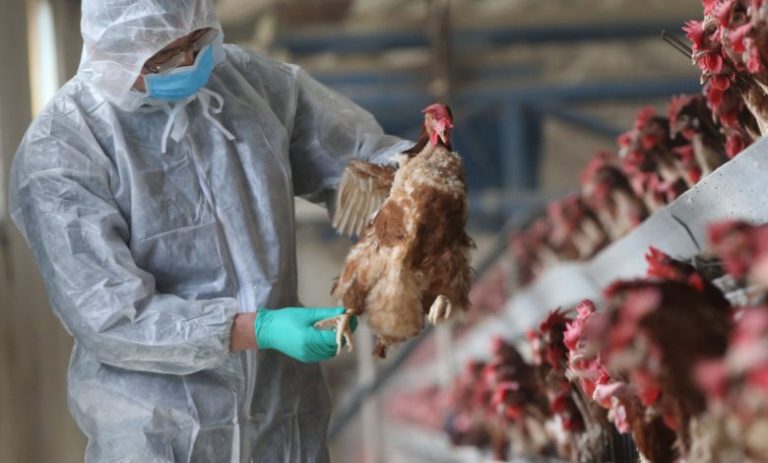
A Director at Veterinary Services Directorate, Dr Patrick Abakeh has hinted that human beings can be infected by the Highly Pathogenic Avian Influenza disease, also known as Bird Flu.
He also noted that the same disease can kill humans when infected. He made this known on Atinka TV’s morning show, Ghana Nie, hosted by Ekourba Gyasi Simpremu.
According to Dr Patrick Abakeh, some of the symptoms that may pop up after coming into contact with birds that have been affected by the bird flu include fever, cough, sore throat and body pains.
He has therefore urged the public to report to the nearest medical facility when they come into contact with any bird suffering from the disease.
For veterinaries, he urged them to use disinfectant at the farms and ensure that persons who come in there will step in the disinfectants before moving into or around the farms.
“You should also be careful where you get your feed, maybe some feed source may also contain the disease. Also, do not allow wild birds into your farm, make sure your security is tight so that they cannot enter your farm,” he said.
The Ministry of Food and Agriculture over the weekend announced that there was an outbreak of the Highly Pathogenic Avian Influenza disease, also known as Bird Flu, in parts of the country.
According to the Ministry, its Veterinary Services Directorate detected the Flu in the Greater Accra, Central and Volta Regions.
So far, five farms in the Greater Accra Region have been affected by the outbreak of the Bird Flu.
In these farms, 2,157 birds died naturally while 300 were destroyed by farmers. In the Central Region, Dr Patrick Abakeh said one farm has been affected by the outbreak, out of which 2,400 birds died naturally with 4,200 being destroyed.
For the Volta Region, he said one farm has also been affected, noting that 240 birds died naturally while none had been destroyed.
For the Farmers who have lost a lot of birds through bird flu and are seeking compensation, He said “We will forward it to our ministry and they will also forward it to government and then we will see what we can do,” he said.
He said they are increasing surveillance and educating the farmers amongst others to curb the situation.
The Ghana Statistical Service has extended the 2021 Population and Housing Census Mop -Up exercise, which was expected to end Sunday, July 18.
According to Government Statistician, Prof. Samuel Annim, the decision for the current extension is to ensure that the 25 districts with low data are fully covered. He made this revelation at the 3rd update of the 2021 Population and Housing Census in Accra.
According to Prof. Samuel Annim, as at July 11 about 80% households had been enumerated while 85% had been enumerated as of July 13. On the 6th day of the Mop- up exercise, a total of 94% households had been enumerated leaving 6% households to be enumerated. It is in this regard that the exercise has been extended to July 30 hoping that by then they would have covered a considerable number of households.
Prof. Annim added that apart from Greater Accra region, the other regions have had about 91% households enumerated with Savanna Region exceeding the 100% target.
25 districts across the country have been listed as areas that they will be focusing following the extension of the mop- up exercise.
On the issue of whether the extension of the exercise will affect their budget, Prof. Annim stated that they had already factored in the possibility of a mop -up exercise as such the exercise is within their budget.
Vice President Mahamudu Bawumia recently urged all residents of Ghana to partake in and cooperate with Census Enumerators and their Field Officers.
The country has so far conducted five post-independent population censuses in 1960, 1970, 1984, 2000 and 2010 with the last two consisting of both a population census and a housing census making the 2021 PHC the third Population and Housing Census to be conducted in Ghana. The 2021 PHC is designed to generate statistics that are essential for policy and planning purposes.
Five farms in the Greater Accra Region have been affected by the outbreak of the Highly Pathogenic Avian Influenza disease, also known as Bird Flu.
In these farms, 2,157 birds died naturally while 300 were destroyed by veterinaries.
This was made known by a Director at Veterinary Services Directorate, Dr Patrick Abakeh on Atinka TV’s morning show, Ghana Nie, hosted by Ekourba Gyasi Simpremu.
According to the Ministry, its Veterinary Services Directorate detected the Flu in the Greater Accra, Central and Volta Regions.
“The outbreak of the disease follows the detection of similar cases in neighbouring countries since January 2021. Through effective surveillance and disease control management, the Veterinary Services Directorate has prevented the extension of the disease into Ghana until now.”
“The zoonotic nature of the disease calls for public alert and vigilance to mitigate the possible impact on the poultry industry and public health in general,” the Ministry stated.
In the Central Region, Dr Patrick Abakeh said one farm had been affected by the outbreak, out of which 2,400 birds died naturally with 4,200 being destroyed.
For the Volta Region, he said one farm had been affected, noting that 240 birds died naturally while none were destroyed.
According to Dr Patrick Abakeh, before the disease came to Ghana, it had been confirmed in Nigeria, Togo, Senegal, Burkina Faso, and other neighbouring countries.
He said although the Veterinary Services Directorate tried their best to prevent the bird flu from entering the country, it still came.
When asked how it got to Ghana, Dr Patrick Abakeh said it could have come through poultry and poultry products which came into the country or from migrative/ wild birds.
Meanwhile, he said once the disease gets to a particular farm, it is better to destroy the rest naturally in order to stop its spread.
He also urged the public to ensure they cook well any bird before they consume to prevent being infected.
A middle-aged man has been arrested for forcefully having sexual intercourse with an old lady in her room at Sege in the West Ada District of the Greater Accra Region.
40-year-old David Addo, a welder, was on July 10, 2021, allegedly caught raping 105 year -old Lomokie Tanihu.
Agnes Zotorvi, caregiver of the victim, narrating the incident to Atinkaonline’s Edward Graham Sebbie said, on Saturday, July 10, 2021 around midday, whilst the old lady was sleeping, she heard her (old lady) frail voice screaming and decided to probe further. She entered her room only to see David Addo on top of the helpless old lady and raised an alarm . Neighbours immediately rushed to the scene to apprehend the culprit and handed him over to the Sege police.
The centenarian, according to relatives, has on a number of occasions complained of someone having sexual affairs with her in the recent past, an assertion they attributed to old age and never took it seriously. Furthermore, the old lady had bleeding issues months earlier which was treated several on several occasions but “kept recurring without knowing the cause of an old lady who has nothing to do with menstruation bleeding”.
The family members, therefore, believe that the culprit is responsible for the old lady’s bleeding in the past, owing to his eventual arrest.
David Addo was arraigned before the Sege Magistrate Court on Thursday and remanded in police custody to reappear at a later date.
Meanwhile, a relative tells Atinkaonline that Lomokie Tanihu, is still on admission at the Battor Roman Catholic Hospital since the alleged sexual harassment, and may be discharged sometime today.
Further probe by Atinkaonline establish that, the suspect is synonymous with such acts. It is alleged that he was recently caught having sexual intimacy with a madwoman, making residents believe that he does that for money rituals. The independent investigation further indicates that David Addo has been arrested a couple of times in connection with similar acts in the past.
The Coordinator of the Ghana School Feeding Programme (GSFP), Dr. Mrs. Gertrude Quashigah has hinted that the Government has given approval for funds to be released for the payment of arrears for 1st term of the 2021 academic year to caterers. According to her, the National Secretariat of GSFP had already collated caterers’ data and processed it for payment as soon as the Controller and Accountant General’s Department transfer same to Bank of Ghana for onwards transfer to the Ghana School Feeding accounts.
A statement issued in Accra by the Public Relations Unit of the Ghana School Feeding Programme, on the other hand, has refuted the claim that the Government is presently owing caterers of the programme some eight (8) month’s arrears.
According to GSFP, the Government is only owing the caterers for the 1st term of the 2021 academic year of which processes are ongoing to effect payment as soon as possible.
It said, since the 2nd term of this 2021 academic year is still in progress [not ended], it will be impracticable for the government to release funds to pay the caterers before their data is compiled and submitted by their Regional Coordinators.
The statement explained that, the normal contractual agreement between the caterers and the government is that, cooking services are supposed to be pre-financed by the caterers for at least a whole academic term.
Thereafter, the caterers would receive payment of their arrears of the previous term at least before the commencement or in the course of another term.
The statement is in reaction to some misinformation being churned out by some caterers in the media which sought to create public disaffection for the social intervention programme.
According to some of the caterers, the government is owing them for eight (8) months without any attempt to settle them. “The truth is! The 2nd term is still in progress and so it cannot be said that we owe the caterers for 8 months.
However, we apologise to all caterers for the delay in the payment of their 1st term arrears and assure them that they will soon receive payment”.
The government has done very well to settle all arrears of caterers in the 1st and 2nd terms of 2019/2020 academic year amounting to some 117 cooking days. The caterers did not cook in the third term of 2019/2020 academic year due to COVID-19.
Nevertheless, there are a few isolated cases of caterers who did not receive their 2019/2020 arrears in full including some of the caterers of the JHS hot meal due to some challenges. But those challenges the statement indicated are being addressed to ensure that all affected caterers receive their remaining money.
Some students of the Akuse Methodist Senior High Technical School (AMEST) in the Eastern Region have contracted three different viral infections, a situation that calls for immediate high-level attention to contain.
So far, 19 students of the school, which is in the Lower Manya Krobo Municipality, have tested positive for avian flu (H1N1); COVID-19 (SARS-CoV-2) and Human Coronavirus (Hcov-229E), including nine of them having co-infections (HCoV-229E +H1N1).
The National Outbreak Investigation Team, made up of nine epidemiologists from the Ghana Health Service in Accra, which is investigating the outbreak, said the situation was very serious because not only had students in the school contracted the disease, but it was spreading to the Akuse community and beyond because of the large number of day students in the school.
The team revealed this last Friday at a stakeholders meeting at the Lower Manya Krobo Municipal Assembly at Odumase-Krobo after two weeks of investigation in the school.
The school has a population of 2,347 students, 114 teaching staff and 58 non-teaching staff.
Background
On June 25, 2021, the Lower Manya Krobo Municipal Health Directorate received notification of 19 AMEST students exhibiting influenza-like symptoms.
On July 3, 2021, the National Outbreak Investigation Team came from the GHS to carry out investigation.
In all, 39 samples were collected with 19 testing positive for the three viruses.
Multiple outbreaks
Sharing the outcome of the investigations of the multiple outbreak of the influenza with the stakeholders at the assembly, the leader of the nine-member epidemiologists, Mr Anthony Baffour Appiah, said per their investigations as of July 14, 2021, the overall positivity rate out of 39 samples was 69.2 per cent (27 out of 39).
He said the objective of the team’s investigation was to determine the magnitude of the outbreaks, identify the source of the infections and assess behavioural risk factors among the students.
The investigators will also implement control and preventive measures, and make recommendations to stop the spread.
He said the team used stakeholder engagement, data collection techniques including records review, interviews, observations/inspection review line list, environmental assessment of staff and students’ adherence to COVID-19 protocols, among others things.
Findings
Mr Appiah said although five hand hygiene facilities were available at the school, only two were functional at the administrative block and the staff common room.
Regular cleaning and disinfection systems were not put in place and over 30 per cent ceiling fans were not functioning in the boys’ dormitory alone.
The others were lack of medication in the school’s infirmary for case patients and warned that 80 per cent of the students who did not use face masks at the dining hall and other social gatherings were likely to be infected.
The team identified overcrowding in the classrooms, dormitories, and the kitchen.
The investigators also found poor toilet facilities, animals loitering in the school, a refuse dump and stagnant water behind one of the dormitories.
Actions taken
The leader of the team said they had sensitised the students and staff to respiratory infections and that there would be regular monitoring of cases under isolation and quarantine.
The team had also advised the school management to provide enough hand washing facilities, equipped with liquid soap, tissue paper and bins to be positioned at vantage points.
There should be effective provision for isolation and quarantine of cases and primary contacts protocol should be adhered to.
Municipal health team
The team recommended that the Lower Manya Krobo Municipal Health Management Team should conduct enhanced sample collection of all students in classrooms with two or more confirmed cases, students sleeping in the immediate surroundings of a confirmed case, and students and staff with travel history within June to July.
“Management must also collaborate with school health education programme (SHEP) coordinator and the school health nurse at the school to ensure continuous sensitisation,” Mr Appiah said.
Interviews
The Municipal Chief Executive, Mr Simon Kweku Tetteh, in an interview with the Daily Graphic, said the assembly responded immediately and promptly by disinfecting the school during the outbreak to curb the situation.
He said the ongoing school projects, including the classroom blocks and dormitories, would be completed to improve the health needs of the school.
The Assistant Headmaster in charge of Domestic, Mr Henry Teye Konor, who represented the school at the stakeholders meeting, enumerated challenges the school was facing, including sharing walls with the Zongo community, the carnal at Akuse rice farms and the lack of a wall between the school and the community which put the school at risk.
He appealed to the assembly and other stakeholders to ensure the school’s needs were provided.
Nigeria is faced with an unprecedented wave of different but overlapping security crises – from kidnapping to extremist insurgencies – almost every corner of the country has been hit by violence and crime.
Audu Bulama Bukarti, a senior analyst on Sahel security at the Tony Blair Institute, says the scale of the insecurity threatens the very fabric of Nigerian society: “With every attack, human lives are lost or permanently damaged and faith in democracy and the country is diminishing.”
When President Muhammadu Buhari was elected in 2015, he promised to protect citizens from terrorists and criminals. But there are less than two years left of his final term in office and the country is more unstable than it’s been in decades.
Some have linked the recent surge of insecurity to the staggering poverty across the country. Youth unemployment currently stands at 32.5% and the country is in the middle of one of the worst economic downturns in 27 years.
Here are Nigeria’s five biggest security threats:
Jihadism
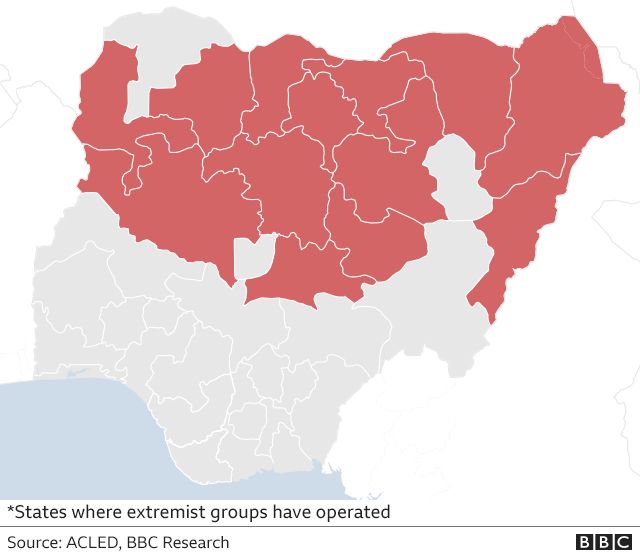
Despite claiming during his first year in office that Islamist militant group Boko Haram had been “technically” defeated, President Buhari now admits that his government is failing to stop the insurgency, which began in the north-east.
Indeed, Boko Haram is expanding into new areas and taking advantage of Nigeria’s poverty and other security challenges to fuel its extremist ideologies. According to the UN, by the end of 2020, conflict with the group had led to the deaths of almost 350,000 people and forced millions from their homes.
Boko Haram launches deadly raids, in some cases hoisting its flag and imposing extremist rule on local people. It levies taxes on farms and the sale of agricultural products. The once booming international fish market in the Chad Basin is now completely controlled by the group.
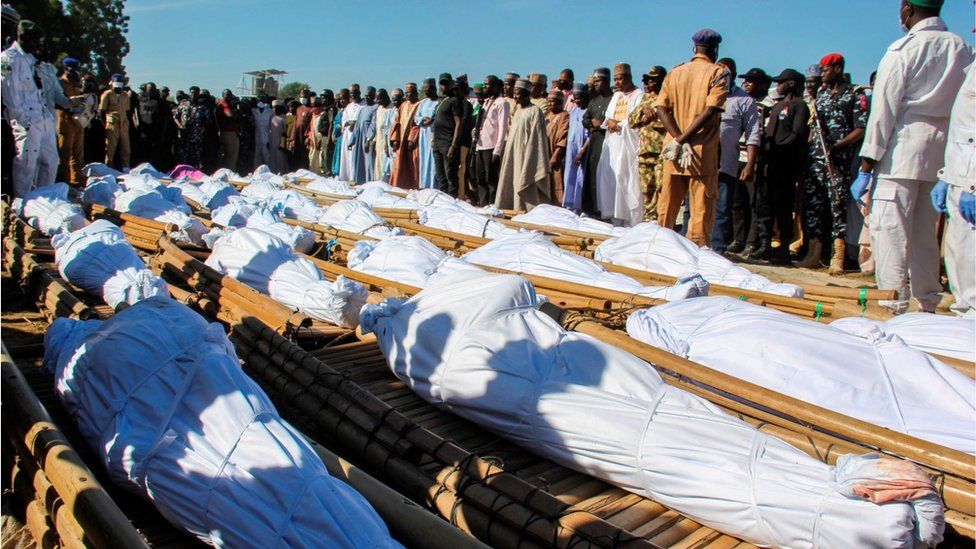
image captionDozens of farm labourers were slaughtered by Boko Haram last year
The challenge is made harder by Nigeria’s ungoverned spaces – areas that are remote and largely ignored, where groups can torment rural communities without fear of reprisal.
In recent years, a splinter faction allied to the Islamic State group, called the Islamic State’s West Africa Province, has surpassed Boko Haram in size and capacity. It now ranks among IS’s most active affiliates in the region.
Both groups have so far resisted the government’s military operations.
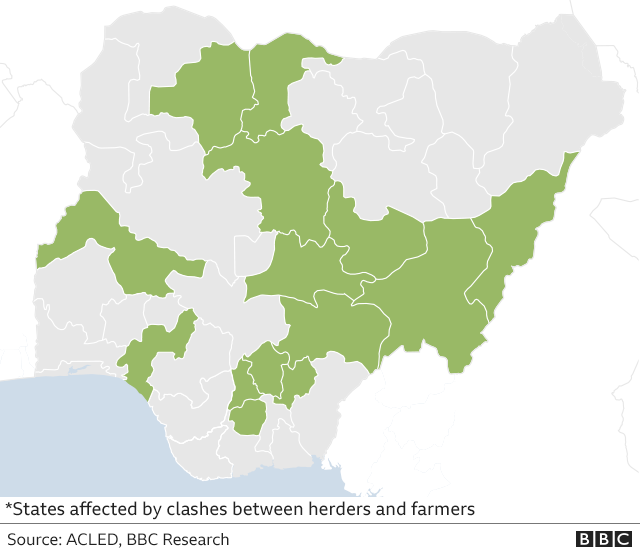
There have been violent disputes between nomadic animal herders and farmers in Nigeria for many years.
But disagreements over the use of land and water, as well as grazing routes, have been exacerbated by climate change and the spread of the Sahara Desert, as herders move further south looking for pasture. Thousands have been killed in clashes over limited resources.
Benue State, in the centre of the country, has recorded the deadliest attacks. Recently, seven people were killed when gunmen opened fire on a camp for those fleeing the conflict. Some have also blamed herders for kidnapping people and demanding a ransom.
image captionMohammed Akdeef is one of many farmers to have fled their homes
The tension has led to some state governors banning grazing on open land, and thus creating friction with the central government.
In 2019, federal authorities launched a 10-year National Livestock Transformation Plan to curtail the movement of cattle and boost livestock production in an attempt to stop the conflict. But critics say a lack of political leadership, expertise and funding, plus delays are derailing the project.
One of the scariest threats for families in Nigeria is the frequent kidnapping of schoolchildren from their classrooms and boarding houses.
More than 1,000 students have been abducted from their schools since December 2020, many only released after thousands of dollars are paid as ransom.
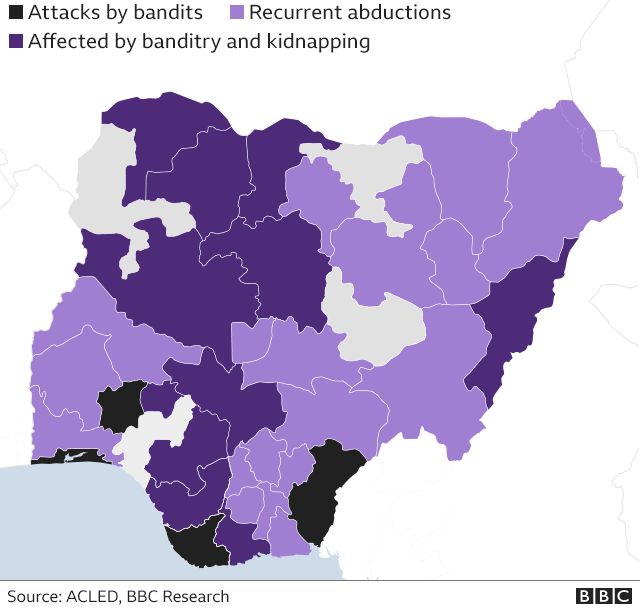
Some of the kidnappers are commonly referred to as “bandits” in Nigeria. These criminals raid villages, kidnap civilians and burn down houses.
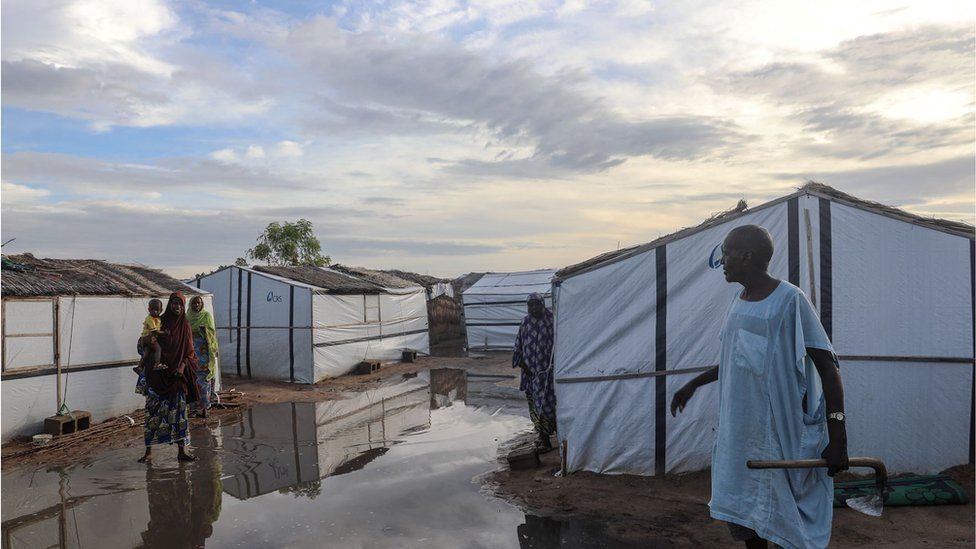
Attacks by bandits have forced thousands of people to flee their homes and seek shelter in other parts of the country.
The north-west is the epicentre of these attacks. In Zamfara state alone, over 3,000 people have been killed since 2012 and the attacks are still going on. Hundreds of schools were closed following abductions at schools in Zamfara and Niger state, where children as young as three years old were seized.
By every indication, Nigeria’s lucrative kidnapping industry is thriving – expanding into previously safe areas – and seemingly beyond the control of the country’s army. It poses a real threat to trade and education, as well as the country’s farming communities.
A separatist group called the Indigenous People of Biafra (Ipob) has been clashing with Nigeria’s security agencies. Ipob wants a group of states in the south-east, mainly made up of people from the Igbo ethnic group, to break away and form the independent nation of Biafra.
image captionPresident Buhari has vowed to crush Ipob
The group was founded in 2014 by Nnamdi Kanu, who was recently arrested and is set to face trial on terrorism and treason charges. His arrest has been a major blow to the movement.
The idea of Biafra is not new. In 1967, regional leaders declared an independent state, which led to a brutal civil war and the death of up to a million people.
Supporters of Nnamdi Kanu’s movement have been accused of launching deadly attacks on government offices, prisons and the homes of politicians and community leaders.
President Buhari has vowed to crush Ipob. Last month he tweeted that “those misbehaving today” would be dealt with in “the language they will understand”.
The post was removed by Twitter for violating its rules after Mr Buhari faced a backlash online. The incident led to the suspension of Twitter in Nigeria.
image captionWell-armed militants staged numerous attacks on oil installations in the early 2000s
In the oil-producing south, security challenges are nothing new.
It is Nigeria’s biggest foreign export earner, and militants in the Niger Delta have long agitated for a greater share of the profit. They argue the majority of the oil comes from their region and the environmental damage caused by its extraction has devastated communities and made it impossible for them to fish or farm.
For years, militants pressured the government by kidnapping oil workers and launching attacks on security personnel and oil infrastructure, like pipelines.
To address this, ex-president Umaru Musa Yar’Adua launched a presidential amnesty programme in 2009, which saw the formal end of the Niger Delta militants.
But armed cult groups still pose a security challenge in the region and industry officials have been warning that militancy is once again picking up.
Fear has gripped members of the Greater Accra Poultry Farmers Association (GAFA) following the outbreak of the Highly Pathogenic Avian Influenza disease, also known as Bird Flu, in parts of the country.
According to GAFA, the outbreak of the bird flu will no doubt have a negative impact on their businesses and could even lead to the collapse of their farms. Already members of the association are reeling under the COVID-19 pandemic, which has severely affected their businesses.
Speaking on Citi News which was monitored by DAILY Analyst, the President of GAFA, Michael Nyarko Ampem, said before the announcement of the outbreak of the disease, poultry farmers were struggling to get feed for their birds which led to low production.
“It is a double blow because we are reeling under the unavailability of maize and other resources for production and then this [outbreak] comes in. It is a big blow and really going to affect the way we do things because the government said importation of day-old chicks from neighbouring countries that have been affected has been banned, so it is going to affect the already precarious situation and make it worse. It is a not pleasant time for poultry farmers,” he lamented.
While urging the public to report any unusual death of domestic poultry and wild birds to the authorities, Mr Nyarko Ampem asked the government to find a quick resolution to the shortage of poultry feed.
The Ministry of Food and agriculture over the weekend announced that there was an outbreak of the Highly Pathogenic Avian Influenza disease, also known as Bird Flu, in parts of the country.
According to the ministry, its Veterinary Services Directorate detected the Flu in the Greater Accra, Central and Volta Regions.
“The Ministry of Food and Agriculture, through its Veterinary Services Directorate, has confirmed the outbreak of the Highly Pathogenic Avian Influenza disease, otherwise known as Bird Flu in some parts of the country. These are the Greater Accra, Central and Volta Regions,” a statement from the Ministry announced.
“The outbreak of the disease follows the detection of similar cases in neighbouring countries since January 2021. Through effective surveillance and disease control management, the Veterinary Services Directorate has prevented the extension of the disease into Ghana until now.”
“The zoonotic nature of the disease calls for public alert and vigilance to mitigate the possible impact on the poultry industry and public health in general,” the statement, signed by Dr. Patrick Abakeh, Director, Veterinary Services Directorate, added.
To that end, the ministry announced the following measures for immediate compliance:
A total ban on the importation of poultry and poultry products from neighbouring countries where the prevalence of the disease has been confirmed.
A ban on the movement of poultry and poultry products within and from the affected regions and districts to other parts of the country, and strict inspection and issuance of permits to cover the movement of all poultry and poultry products from unaffected parts of the country.
Intensification of public awareness and sensitization by Regional Coordinating Councils and District Assemblies, especially in the affected areas.
To further ensure public safety, citizens are advised to: i. Report any unusual death of domestic poultry and wild birds to the nearest Veterinary office and public authorities,
ii. Avoid the handling of dead birds with bare hands at all costs,
iii. Consume only well-cooked poultry meat and poultry products.
“The Ministry wishes to assure the general public that there is no cause for fear and panic, since the Veterinary Services Directorate is taking all necessary steps to contain the outbreak and spread of the disease to other parts of the country. The success of this call hinges on the full cooperation of the general public. For further enquiries, kindly contact Dr. Patrick Abakeh, Director Veterinary Services Directorate on phone number 020-8240734.” Cases of the Bird Flu disease were previously recorded in Ghana in 2007, 2015, 2016 and 2018.