Atinka Online is the fastest growing radio-tv news portal in Ghana. Get all breaking news updates, latest news headlines, local and world stories, entertainment, sports, etc.
A staggering 85 percent of Ghanaians say they are unhappy with the government’s position on LGBTQ+ issues, according to a fresh survey by Africa Policy Lens (APL).
The poll, conducted via SMS across all regions, collected nearly 7,000 responses in just three days, signaling strong public interest in the issue. For many observers, the numbers confirm what has long been discussed on radio and social media growing frustration over what some describe as government indecision.
The findings have already sparked heated conversations, with some calling for a firmer stance, while others demand clearer communication from leadership.
With APL warning that the issue could shape the 2028 elections, political watchers say parties can no longer afford to sit on the fence.
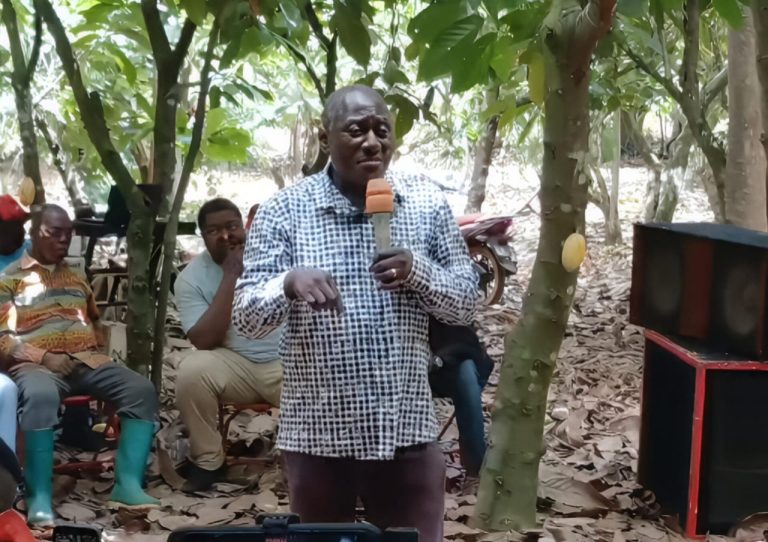
Member of Parliament for Jaman South, Kwadwo Damoah, has criticised the state of Ghana’s cocoa sector, claiming declining prices have made the once-valuable crop unattractive—even to thieves.
Speaking at Miremalo, the MP lamented what he described as a sharp drop in cocoa’s value under the leadership of President John Dramani Mahama.
“Thieves are now targeting avocado pears, while dry cocoa beans sit there,” he remarked, highlighting what he sees as the worsening condition of the industry.
According to Damoah, cocoa—once regarded as a cornerstone of Ghana’s economy—has lost its appeal due to current policies, leaving farmers increasingly vulnerable.
He described the situation as alarming, noting the irony that thieves would bypass cocoa beans in favour of other crops such as avocados, which he says reflects the extent of the sector’s decline.
The MP attributed the challenges to government policy decisions, arguing that they have negatively impacted cocoa farmers and the broader agricultural value chain.
His comments echo growing concerns among stakeholders, as cocoa farmers in the Jaman South Constituency of the Bono Region also expressed disappointment over falling prices and what they describe as an inadequate response to the sector’s difficulties.
Dominic Frimpong, a player of Berekum Chelsea FC who was seriously injured during an armed robbery attack on the team’s bus, has died.
The club confirmed his death following the violent incident which occurred on Sunday, April 12, 2026, as the team was returning from Samreboi. Armed men reportedly blocked the road and opened fire on the team bus, forcing players and officials to flee into nearby bushes for safety.
He sustained critical injuries during the attack and was rushed to a nearby hospital. He was expected to be transferred to a regional facility but later succumbed to his injuries.
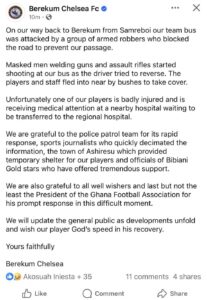
In a statement issued after the attack, Berekum Chelsea FC described the incident as a terrifying ordeal, revealing that the team bus was ambushed after a roadblock was mounted by armed men.
statement issued by the club after the attack
The club noted that the driver attempted to reverse to safety, but the attackers opened fire on the vehicle, prompting players and officials to flee into nearby bushes to escape harm.
The statement further indicated that the team later found refuge in Ashiresu, where residents offered them shelter and support. Officials of Bibiani Gold Stars FC also assisted the team following the attack.
The club expressed gratitude to the police patrol team for their swift response, as well as to sports journalists and the public for helping to circulate information quickly during the incident.
It also acknowledged the support of the Ghana Football Association, whose leadership reportedly responded promptly as the situation unfolded.
The death of Dominic Frimpong has sent shockwaves through the Ghanaian football community, raising renewed concerns about safety on highways and the security of teams traveling for matches.
Berekum Chelsea FC says it will provide further updates as investigations continue.
Former Savannah Regional Minister and Member of Parliament for Salaga South, Salifu Adam Braimah, has passed away after a short illness.
He died on Sunday, April 12, 2026, at the University of Ghana Medical Centre, according to sources close to the family.
The news has sent shockwaves across the Savannah Region and beyond, with many paying tribute to a dedicated public servant widely known for his commitment to development.
Popularly called “Uncle Sally,” Salifu Braimah was a stalwart of the New Patriotic Party (NPP) and served as Member of Parliament for Salaga South from 2017 to 2021. He also made history as the first Savannah Regional Minister following the creation of the region.
During his tenure, he played a key role in championing development projects in his constituency, including the Bunjai–Salaga road, which remains under construction.
Beyond politics, he was an experienced administrator, having served as Deputy Finance Manager at Tamale Technical University (formerly Tamale Polytechnic) and later as Deputy Manager for Finance and Administration at School for Life.
Born on September 25, 1965, Salifu Braimah was a strong advocate for education and infrastructure development, particularly in the Savannah Region.
Tributes continue to pour in from colleagues, constituents, and political figures who remember him for his dedication and service to the nation.
Funeral arrangements are yet to be announced, but his legacy is expected to endure through his contributions to the development of Salaga South and the Savannah Region.
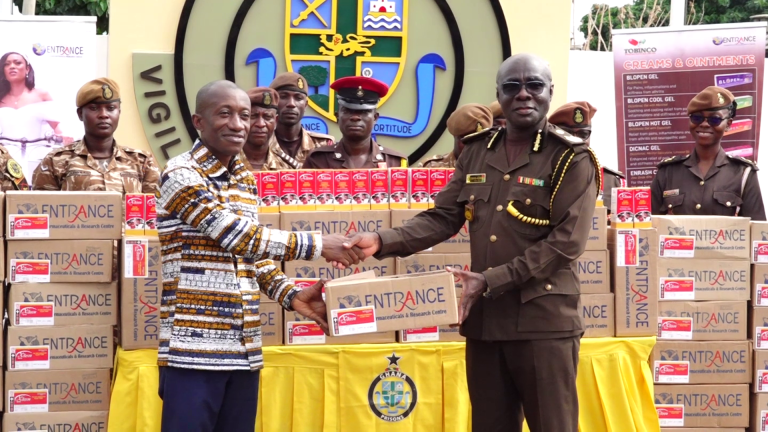
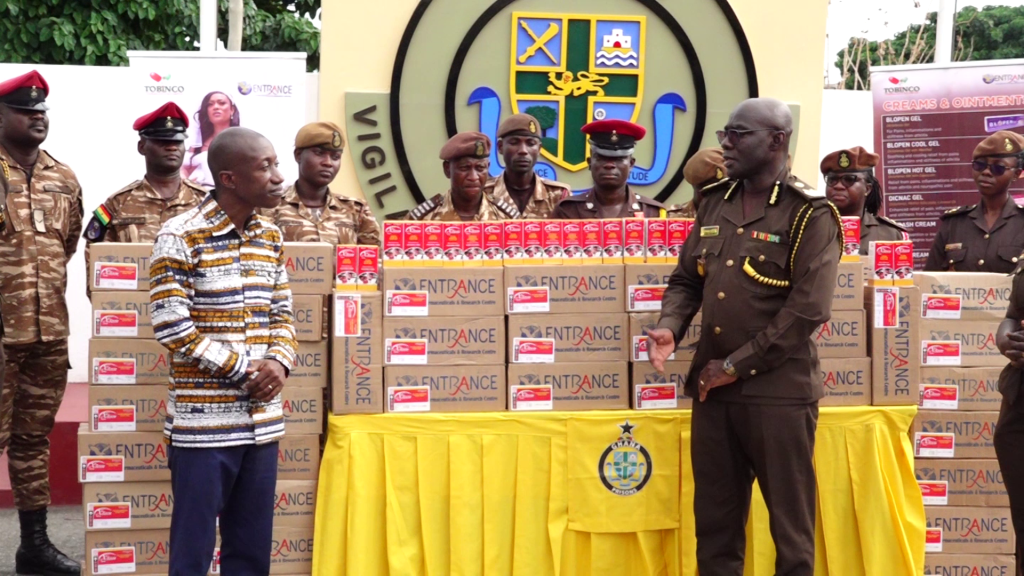
The presentation, held at the Prisons Headquarters in Accra, is expected to benefit approximately 9,000 inmates across the country.
The donation is aimed at improving healthcare delivery and living conditions within correctional facilities, in line with government efforts to enhance prison management.
The gesture also supports the newly established Ghana Prisons Medicine and Equipment Bank, a healthcare reform initiative designed to strengthen medical care for inmates nationwide.
As part of its corporate social responsibility, TPL responded to a request from the Ghana Prisons Service by supplying assorted medicines, including blood tonics and zinc supplements, to boost inmate health.
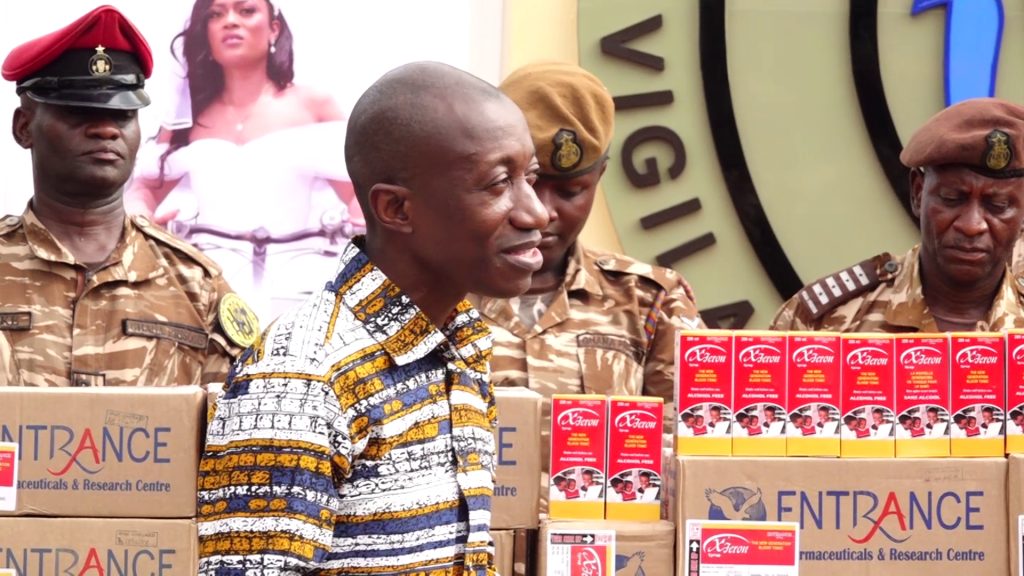
Speaking at the event, Managing Director of TPL Omega, Dr. Christopher Mensah, highlighted the importance of the donation in supporting the health needs of inmates.
Assistant Director of Prisons and Public Health Coordinator, Dr. Augustina Ama Boadu, on behalf of the Prisons Service, expressed appreciation to the company for the timely intervention.
Tobinco Pharmaceuticals Limited reaffirmed its commitment to supporting the Ghana Prisons Service and other institutions to promote health and productivity.
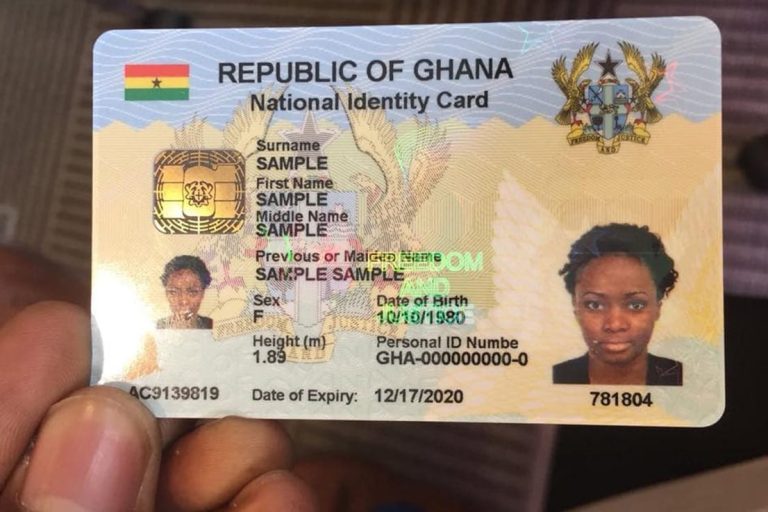
The National Identification Authority (NIA) has issued a public notice debunking reports that the Ghana Card can now be used for financial transactions.
In a statement released on April 8, the Authority described circulating media claims as “inaccurate and misleading,” emphasizing that the Ghana Card has *not been activated* for any financial transaction purposes.
According to the NIA, members of the public should disregard such reports and rely solely on official communication from the Authority. “The Ghana Card has not been enabled for financial transactions at this time,” the statement stressed.
The Authority, however, acknowledged that discussions are ongoing among policymakers and key stakeholders within Ghana’s financial and regulatory sectors. These talks are focused on the possible future integration of the Ghana Card into financial systems, as part of broader efforts to strengthen digital identity usage and promote financial inclusion in Ghana.
Despite these developments, the NIA clarified that no final decisions have been made. It assured the public that any official policy direction or rollout regarding the use of the Ghana Card for financial transactions would be formally announced through verified channels.
The statement, signed by Williams Ampomah Emmanuel Darlas, Head of Corporate Affairs at the NIA, reaffirmed the Authority’s commitment to maintaining the integrity, security, and proper use of the National Identification System.
The NIA’s clarification comes amid increasing public interest in digital identification systems and their potential role in simplifying financial services across the country.
The Prisons Service has taken a major step toward improving inmate healthcare with the establishment of the Ghana Prisons Medicine and Equipment Bank, a key reform initiative aimed at enhancing medical services across correctional facilities.
In support of this effort, Tobinco Pharmaceuticals Limited (TPL), as part of its corporate social responsibility, has donated essential medicines and supplies following a request from the Prisons Service.
The donation, facilitated by the company’s Executive Chairman, Samuel Nana Amo Tobbin, included blood tonics, zinc supplements, and other medical items intended to improve the health and well-being of inmates and the broader prison community.
Speaking during the presentation, Managing Director of TPL Omega, Christopher Mensah, highlighted the importance of the initiative, noting that the support is aimed at strengthening healthcare delivery within the prison system.
Assistant Director of Prisons and Public Health Coordinator, Augustina Ama Boadu, expressed appreciation to TPL on behalf of the Prisons Service management for the timely intervention.
Tobinco Pharmaceuticals reaffirmed its commitment to supporting the Ghana Prisons Service and other institutions, with the broader goal of promoting physical well-being and enhancing productivity within society.
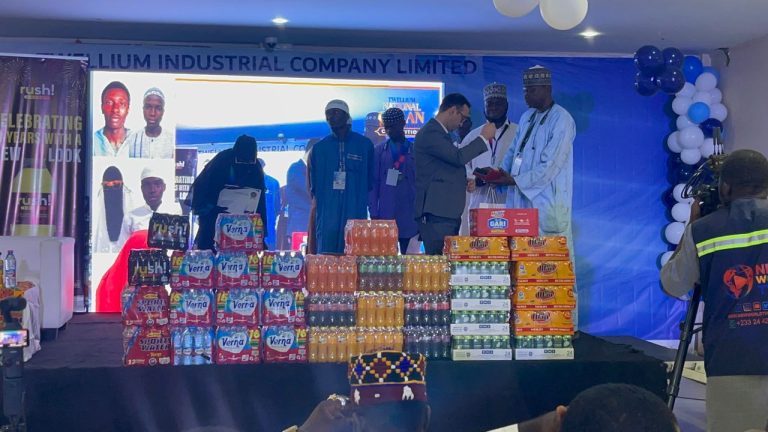
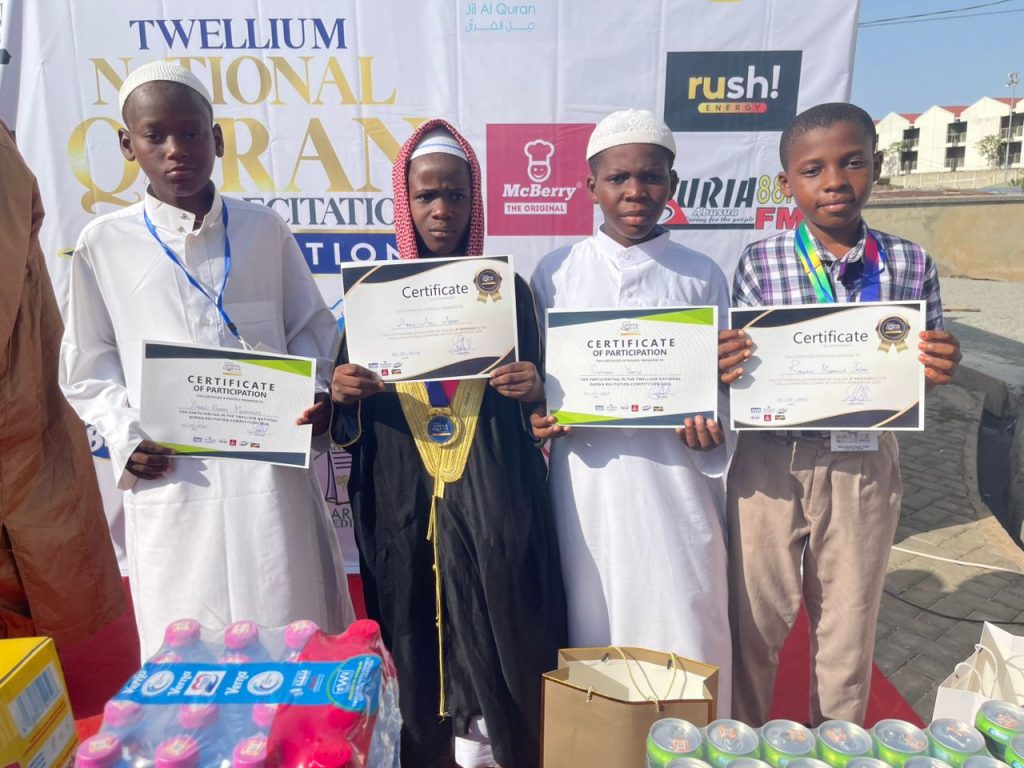
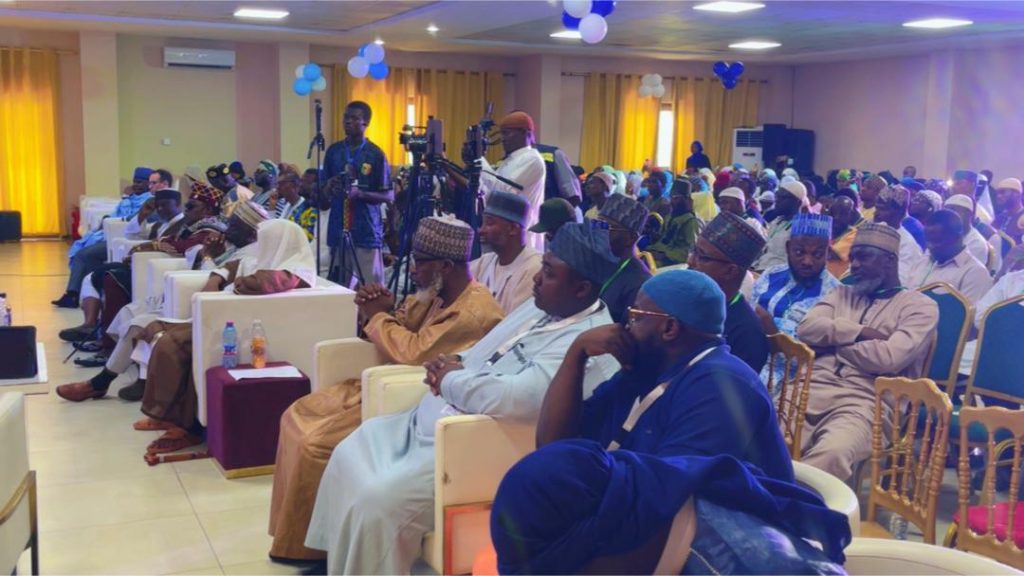
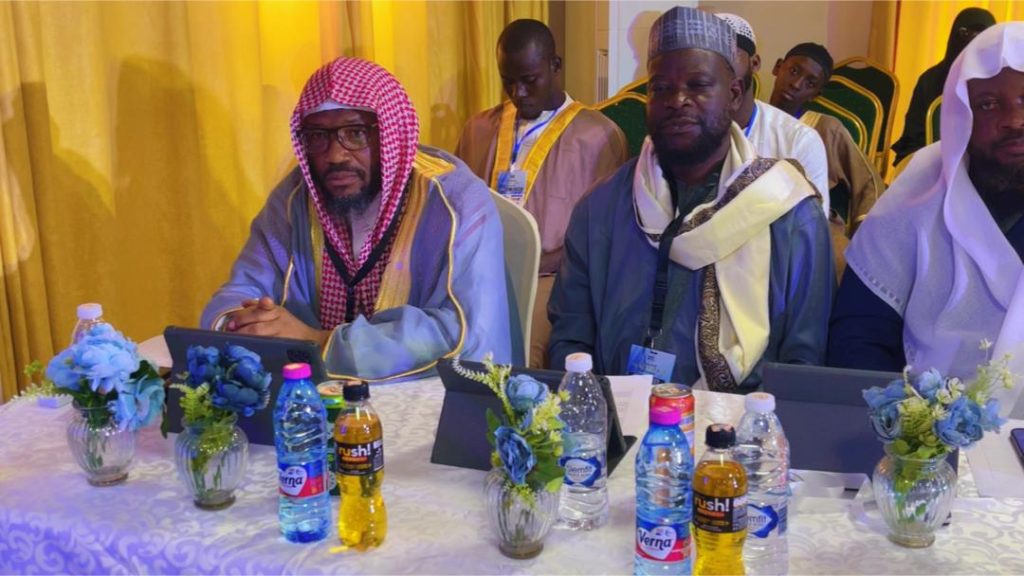
The third edition of the Twellium National Qur’an Recitation Competition came to a successful close on Sunday, April 5, 2026, at the National Mosque in Kanda, Accra. The event drew participants and spectators from across the country, showcasing a powerful blend of faith, unity, and excellence in Qur’anic recitation.
Organised by Twellium Industrial Company Limited through the Twellium Foundation, in collaboration with key Islamic organisations, the competition brought together talented reciters who demonstrated remarkable mastery of the Glorious Qur’an. Their performances reflected precision, melody, and strict adherence to tajweed.
Described by attendees as both uplifting and inspiring, the event created an atmosphere of deep reflection and reverence. Each recitation resonated with the audience, many of whom expressed admiration for the discipline and dedication shown by both participants and guest reciters.
Speakers at the event highlighted the importance of nurturing young talent in Qur’anic studies, noting that initiatives like this help strengthen moral values and deepen spiritual growth within the Muslim community.
A representative shared, “This competition is not just about identifying the best reciters, but about encouraging a deeper connection with the Qur’an among young people. We commend Twellium for sustaining this initiative.”
The event also saw strong community support, with families, scholars, and dignitaries in attendance, reflecting a shared commitment to promoting Islamic education and preserving the rich tradition of Qur’anic recitation.
Winners were announced across three categories, recognising outstanding performances and years of dedication:
Juz Mujadila Category 1st Place: Sudais Osman – Central Region 2nd Place: Abdul-Rahman Sulaman – Ashanti Region 3rd Place: Ridwan Mahammed Jajah – Greater Accra Region 4th Place: Suleman Yahya – Greater Accra Region 5th Place: Abdul Rahman Mohammed – Eastern Region
Nisful Qur’an (Half Qur’an) Category 1st Place: Kuwsar Ismail – Ashanti Region 2nd Place: Abdul-Rahman Tamin – Central Region 3rd Place: Abdul-Aziz Adam – Ashanti Region 4th Place: Abdul Haalig Abdul Jalil – Central Region 5th Place: Mariam Bancey – Greater Accra Region
Kamil Qur’an (Full Qur’an) Category 1st Place: Zainab Abdul-Rahman – Ashanti Region 2nd Place: Mohammed Kamil – Eastern Region 3rd Place: Saleh Osman – Northern Region 4th Place: Usman Ibrahim – Greater Accra Region 5th Place: Iddris Abdallah – Central Region
Beyond the awards, many noted that every participant emerged a winner through their commitment to memorising and reciting the Qur’an. The competition left a lasting impression, especially on young attendees who were inspired to deepen their connection with the Qur’an.
As the 2026 edition comes to a close, organisers remain optimistic about the future, with plans to grow the competition’s reach and impact. The Twellium National Qur’an Recitation Competition continues to stand as a strong platform for spiritual growth, unity, and the celebration of Islamic heritage in Ghana. For more information visit www.twellium.com
MTN Ghana has emerged as a key private sector partner in the rollout of the government’s One Million Coders Program (OMCP), positioning itself at the forefront of efforts to expand digital skills training across the country.
Speaking at a press conference at the Ministry of Communication, Digital Technology and Innovations on April 10, 2026, the sector Minister, Samuel Nartey George revealed that MTN Ghana was “one of the first private institutions to sign an MoU with the Ministry,” underscoring its early commitment to the initiative.
The OMCP, which is expected to kick off by the end of April or May 1, follows “eight weeks of intense work,” according to the Minister. The first phase will see the establishment of “130 learning centres all over the country,” each equipped with “50 laptops,” contributing to the distribution of “6,000+ laptops out of the 20,000+.”
The programme will initially be rolled out in “12 universities nationwide,” with the aim of equipping young Ghanaians with critical digital and coding skills.
MTN Ghana’s involvement highlights the growing role of private sector collaboration in driving Ghana’s digital transformation agenda, particularly in initiatives aimed at youth empowerment and technology development.
Meanwhile, the Ministry disclosed that “we had almost 40,000 fake applications” during the initial phase. To strengthen the integrity of the process, it is undertaking integration with the National Identification Authority (NIA) for proper applicant verification.
The Minister also announced that “sometime next week, we’ll officially reopen the portals,” allowing prospective participants to apply under stricter verification measures.
The OMCP is expected to play a pivotal role in building a digitally skilled workforce, with MTN Ghana’s early support seen as a significant boost to the programme’s successful rollout.