Within the space of a single fortnight this year, two very different Ghanaians found themselves on the wrong side of the law for something they said.
One was an opposition party chairman remanded over a video criticising a judge. The other was a young woman arrested for a social media post that appeared to call for harm against the president and the first lady.
Both cases sit under the same broad umbrella of speech offences, yet they could not feel more different, and that gap is exactly where Ghana’s free speech debate now lives.
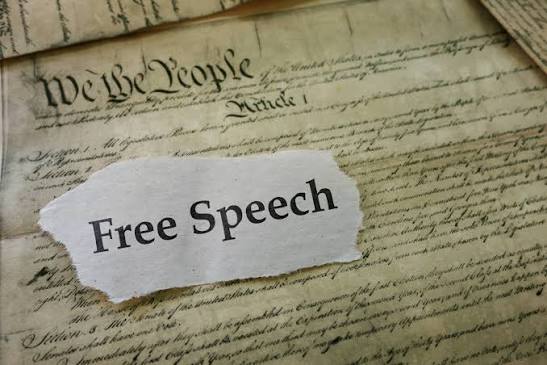
The 1992 Constitution is clear that freedom of speech and expression, including freedom of the press, is a protected right.
What it does not do, and was never designed to do, is make that right absolute. Defamation law, laws against incitement, and provisions dealing with national security have always existed alongside that guarantee.
The tension is not new. What has changed is the sheer volume of speech now happening online, and the speed at which authorities appear willing to act on it.
According to figures compiled by the Media Foundation for West Africa, fourteen people, including journalists and social media personalities, have been arrested over roughly sixteen months on charges linked to alleged false news or offensive communication.
Most of these cases lean on Section 208 of the Criminal Offences Act, a law that dates all the way back to colonial legislation from 1839, alongside newer tools like Section 76 of the Electronic Communications Act and provisions under the Cybersecurity Act.
Among the more high profile cases, a TikTok creator was arrested over claims about police conduct in Kumasi, a pastor was picked up after a viral video containing threatening remarks about the Vice President, and an opposition communications officer was detained over online publications critical of the government.
Supporters of the current approach argue this is simply the state doing what any government must do, protecting public order and preventing the kind of unchecked misinformation that can spiral into real unrest.
They point out that these are not, strictly speaking, criminal libel prosecutions of the sort that once haunted Ghanaian journalism, and that the legal tools being used are decades old rather than newly invented to target critics.
Critics see it very differently. They note the sharp rise in speech related arrests compared to the previous administration, and argue that the definition of what counts as false or alarming remains dangerously broad, leaving it wide open to selective enforcement against government opponents.
The irony has not been lost on observers either. While in opposition, the current president once wrote an open letter expressing concern about what he called the growing criminalisation of speech and journalism in Ghana.
That letter is now being quoted back at his own administration by critics who feel the tables have simply turned.
The political fallout has been swift. Opposition figures have publicly accused the government of what one described as an unholy collaboration between the executive, state investigators and elements within the judiciary.
The matter has even reached beyond Ghana’s borders, with a petition sent to diplomatic missions in Accra asking the international community to monitor the situation closely.
So where does the line actually sit. Legal commentators generally agree on one point of clarity, speech that incites violence is never protected, no matter who says it or who it targets.
Criticism of public officials, however sharp or embarrassing, sits on the other side of that line and should be protected under any fair reading of the Constitution.
The genuine difficulty, the part that keeps landing Ghanaians in court and keeps this debate alive, is the murky middle ground where satire, exaggeration, political mockery and genuine misinformation blur into one another, and where the same law can be applied very differently depending on who is speaking and who is listening.
Until Ghana’s legislature revisits laws that in some cases predate the country’s independence, that middle ground will likely keep producing headlines, arrests, and arguments about just how free Ghanaian speech really is.