Ghana has welcomed a landmark report by the United Nations Committee on the Elimination of Racial Discrimination (CERD), which it says provides a legal basis for reparatory justice for the transatlantic trafficking and enslavement of Africans.
In a statement shared by the Ministry of Foreign Affairs on their social media page, the UN Committee had issued authoritative guidance establishing that states have obligations under the 1965 International Convention on the Elimination of All Forms of Racial Discrimination to provide reparatory justice for the historical trafficking and racialised chattel slavery of Africans.
The Ministry said the report represents a significant shift in the international legal position on reparations, particularly challenging the argument that slavery cannot be addressed because it was considered lawful at the time.
According to the Ministry, the Committee itself describes the development as a “paradigm shift,” with recognition of historical injustices increasingly translating into obligations.
“Recognition is becoming obligation,” the Ministry stated, arguing that apology, restitution, compensation and guarantees of non-repetition should no longer be viewed merely as acts of goodwill but as matters of duty.
Ghana said the development comes at a significant time in its ongoing campaign for reparatory justice for Africans and people of African descent.
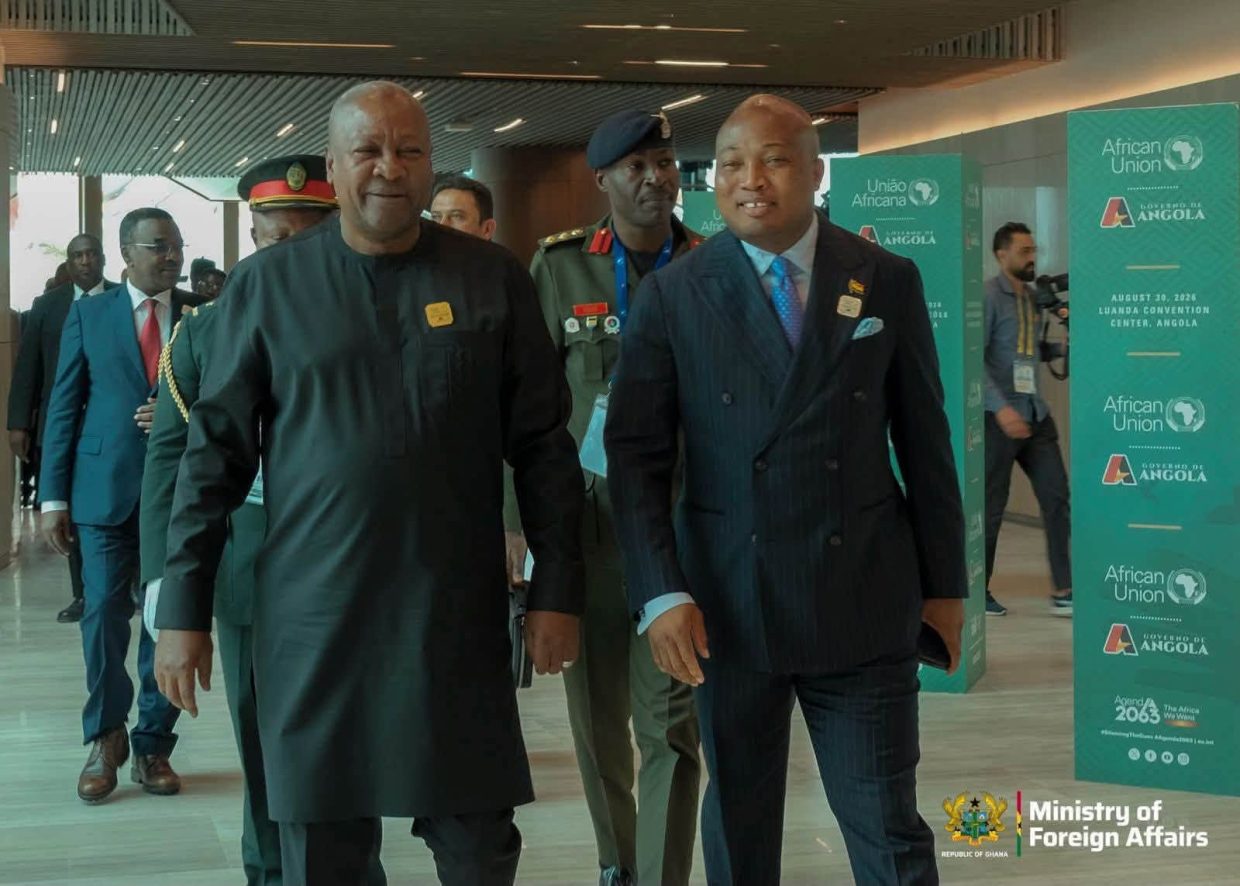
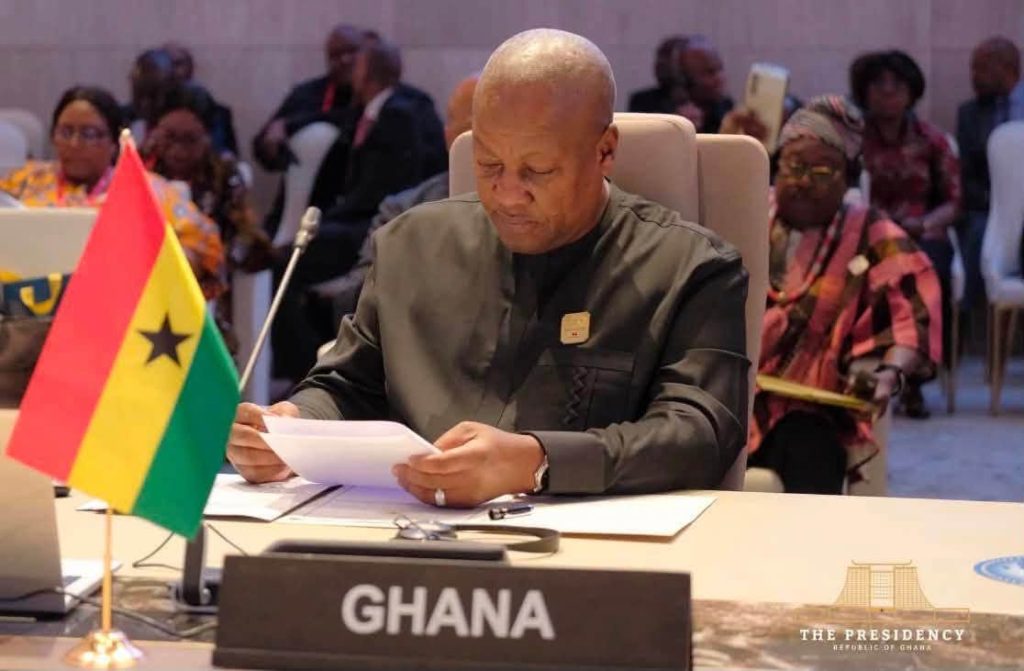
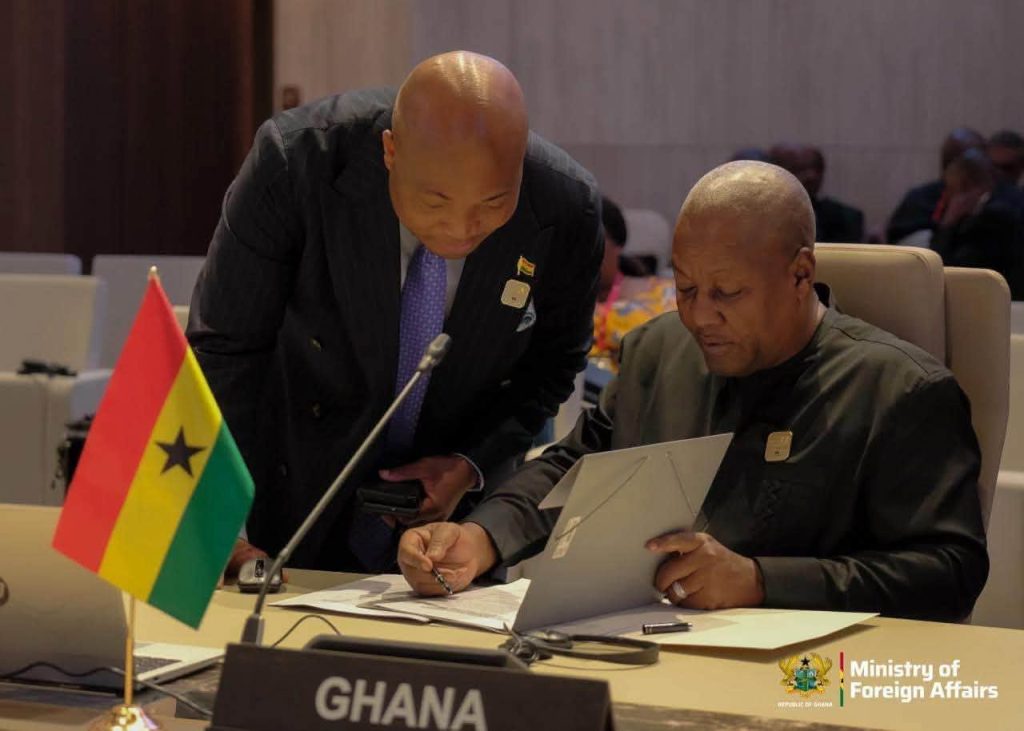
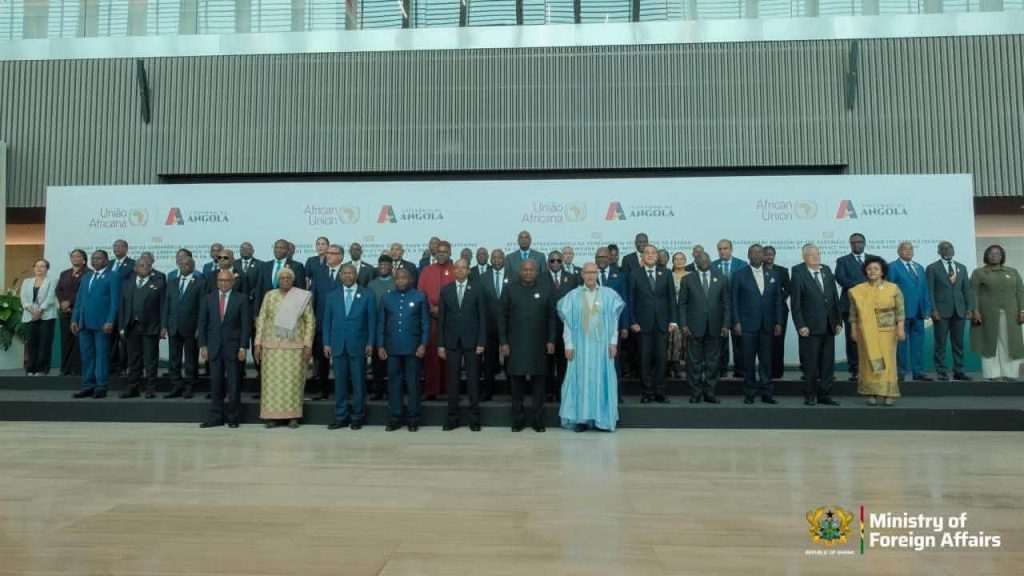
The Ministry noted that President John Dramani Mahama has been presenting a comprehensive report at the African Union Extraordinary meeting in Angola on the Ghana-led United Nations resolution declaring the transatlantic enslavement of Africans the gravest crime against humanity.
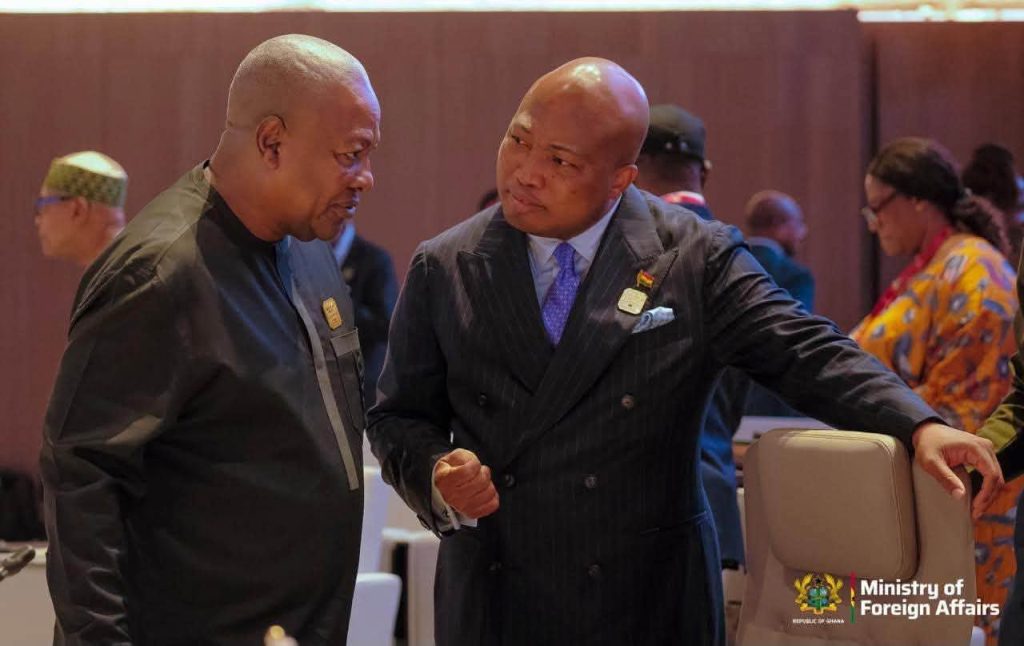
The President, who is the African Union Champion for Reparations, is also expected to host a side event on restitution in New York during the 81st session of the United Nations General Assembly next month.
The event follows the Next Steps Summit convened by President Mahama in Accra as part of efforts to build international momentum around the reparations agenda.
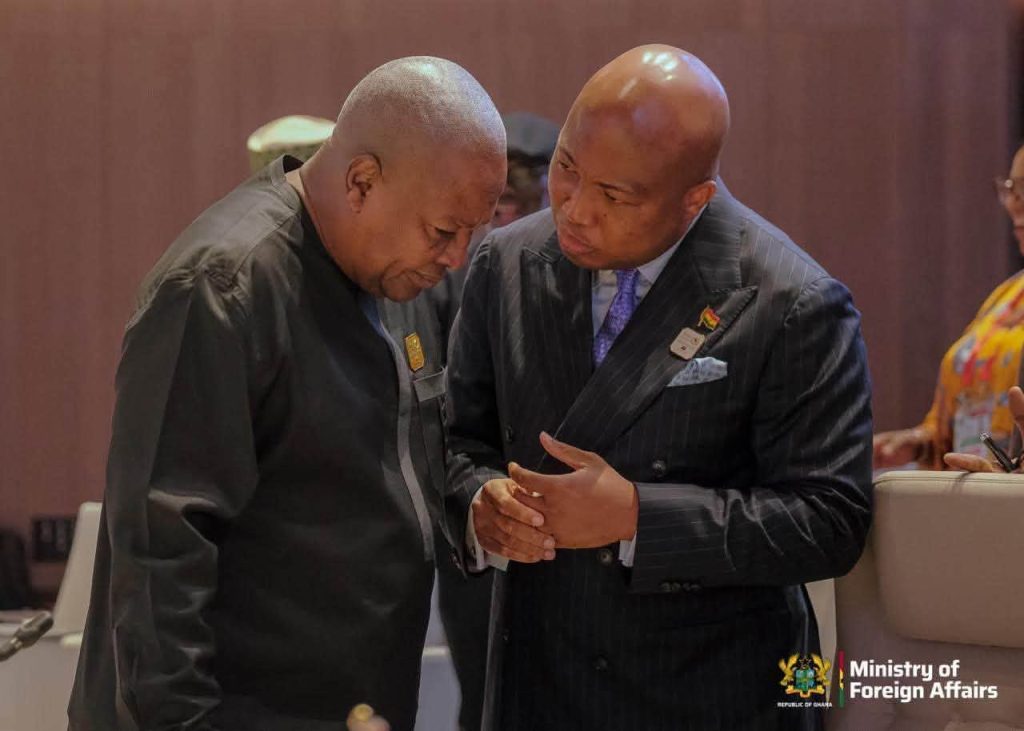
Ghana said the latest UN report reinforces the position it has been advancing at the international level, stressing that historical crimes should not be allowed to disappear with the passage of time.
“A crime does not rot,” the Ministry said, explaining that it was in this spirit that Ghana took the cause of enslaved Africans to the United Nations.
It added that the country’s campaign was advancing through cooperation with the African Union, CARICOM and the African diaspora.
“Justice does not expire with time,” the Ministry said.
Ghana|Atinkaonline.com|Mavis Fantevi