There is a conversation happening in corners of the internet that most Ghanaian parents would never willingly stumble upon, and honestly, that is the point.
Small but vocal fringe groups have been working, quietly and then not so quietly, to reshape how the public talks about attraction to children.
They use softened language, borrow the vocabulary of identity and rights movements, and try to present themselves as a misunderstood minority rather than what child protection experts and the law firmly say they are: a danger to children.
For a country like Ghana, where extended family networks, church communities and school systems form the backbone of how children are raised and protected, this trend can feel distant, something happening on foreign platforms in foreign languages.
But the internet does not respect borders. A teenager in East Legon scrolling through TikTok or a young person in Kumasi active on X can just as easily encounter these ideas as anyone in London or Los Angeles.
The question Ghanaian society now has to sit with is simple. Where do we draw the line, and how firmly do we hold it?
What makes this trend particularly unsettling is how it hides behind therapeutic and academic-sounding terms.
Some online communities have adopted labels that frame sexual attraction to children as an orientation, something a person is simply born with and cannot help, and from there argue that society should treat it with the same acceptance extended to other forms of identity.
This is a dangerous conflation.
There is a real and important difference between acknowledging that a person may experience unwanted attractions, which is a matter for clinical treatment and support, and suggesting that acting on those attractions, or even romanticising them publicly, deserves social tolerance.
Ghanaian child rights advocates who follow global trends closely say the danger is not abstract.
When language softens, behaviour tends to follow.
Communities that begin by asking for sympathy sometimes drift toward asking for acceptance of contact with children, or toward sharing material that sexualises minors under the guise of art or advocacy.
Once that door opens even slightly, the risk to real children multiplies.
Ghana has made real strides against child sexual abuse in recent years, from stronger reporting mechanisms through the Domestic Violence and Victim Support Unit to growing awareness campaigns in schools.
Yet online spaces remain a soft underbelly. Many Ghanaian children now own smartphones or share devices with siblings and cousins, often with little supervision once the school day ends.
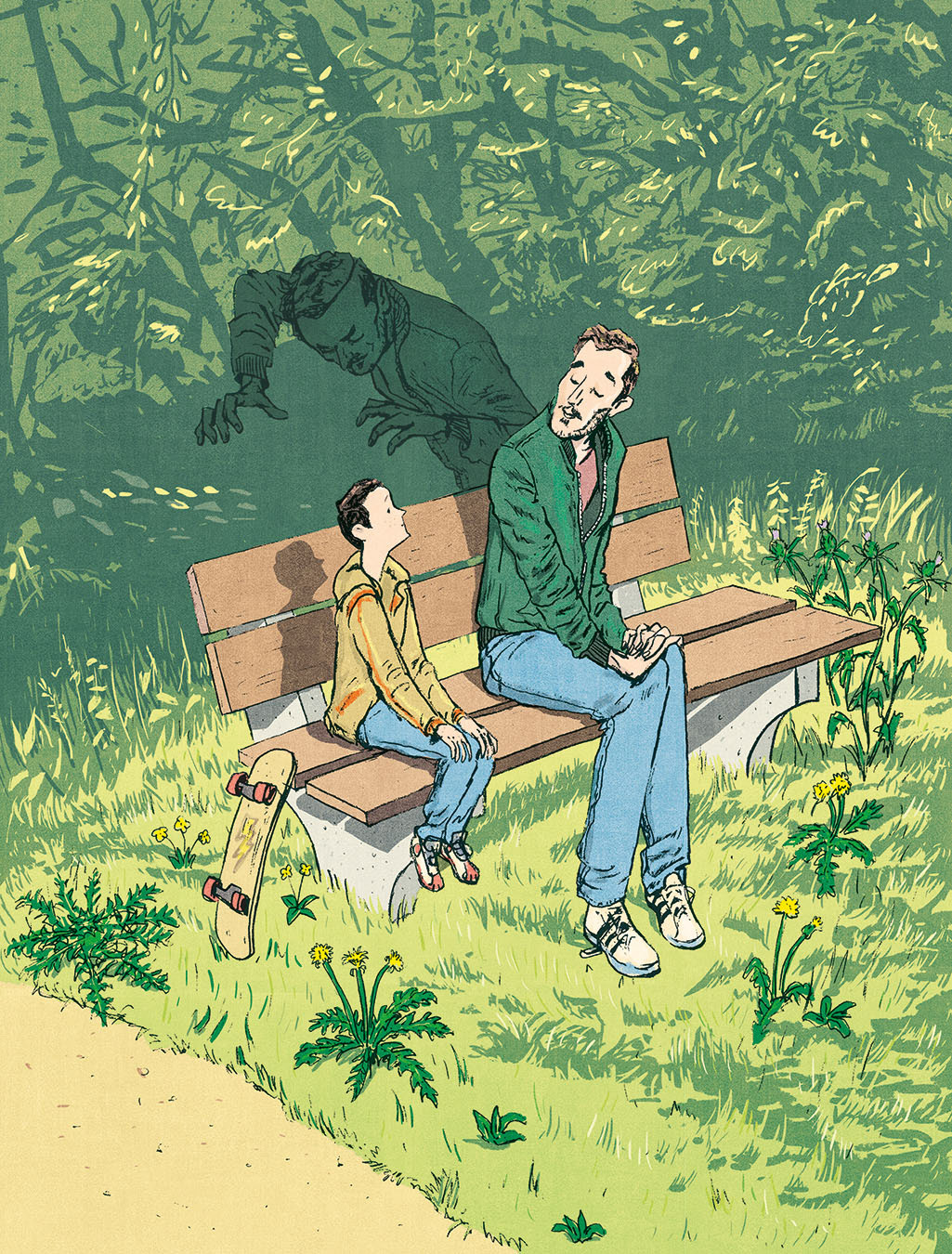
Predatory individuals, whether local or foreign, do not need to physically enter a home to reach a child. A direct message, a seemingly innocent group chat, or a comment section can be enough of an opening.
Social media platforms carry heavy responsibility here.
Algorithms built to maximise engagement can inadvertently push vulnerable users, both potential victims and those struggling with harmful attractions, toward extreme content and communities.
Some platforms have improved detection tools and reporting systems, but enforcement remains inconsistent, and fringe communities are skilled at migrating to smaller, less monitored corners of the web when they are pushed off the mainstream ones.
Ghanaian regulators and telecom companies, working with global platforms, still have work to do in closing these gaps, and parents cannot be expected to police the internet alone.
It would be a mistake, and a dangerous one, to let this conversation blur into an attack on legitimate, evidence-based work around prevention and treatment.
Clinicians and researchers who study pedophilic disorder are not trying to normalise abuse.
Their work, often unpopular and uncomfortable to discuss, focuses on identifying warning signs early, offering therapy to people who have never offended and are desperate not to, and reducing the number of children harmed in the future.
This is preventive medicine, not advocacy for abuse.
Confusing the two, or shaming professionals doing this difficult work, only pushes struggling individuals away from help and further underground, where they are more likely to encounter the very communities that normalise offending rather than discourage it.
The line society must draw is not about compassion for those who struggle with unwanted attractions and never act on them.
That compassion, paired with proper clinical support, saves children.
The line is about zero tolerance for any narrative, however dressed up in academic or rights-based language, that excuses, justifies or seeks acceptance for sexual contact with children, or for content that sexualises them.
Parents can start with honest, age-appropriate conversations about online safety rather than relying on fear alone.
Schools can integrate digital literacy into existing life skills curricula, so children learn to recognise grooming behaviour early.
Faith leaders, who hold real moral authority in Ghanaian communities, can speak plainly about this issue rather than avoiding it out of discomfort.
And the state, through bodies such as the Ghana Police Service Cyber Crime Unit and the Department of Children, must keep building capacity to track and act on these threats as they evolve.
The internet has given fringe ideas a megaphone they never had before. Ghana does not need to panic, but it does need to stay alert, informed, and unwavering on one point that should never be up for debate.
Children deserve protection, not reinterpretation.
CREDIT: ApurumManasseh Wintemah Apurum