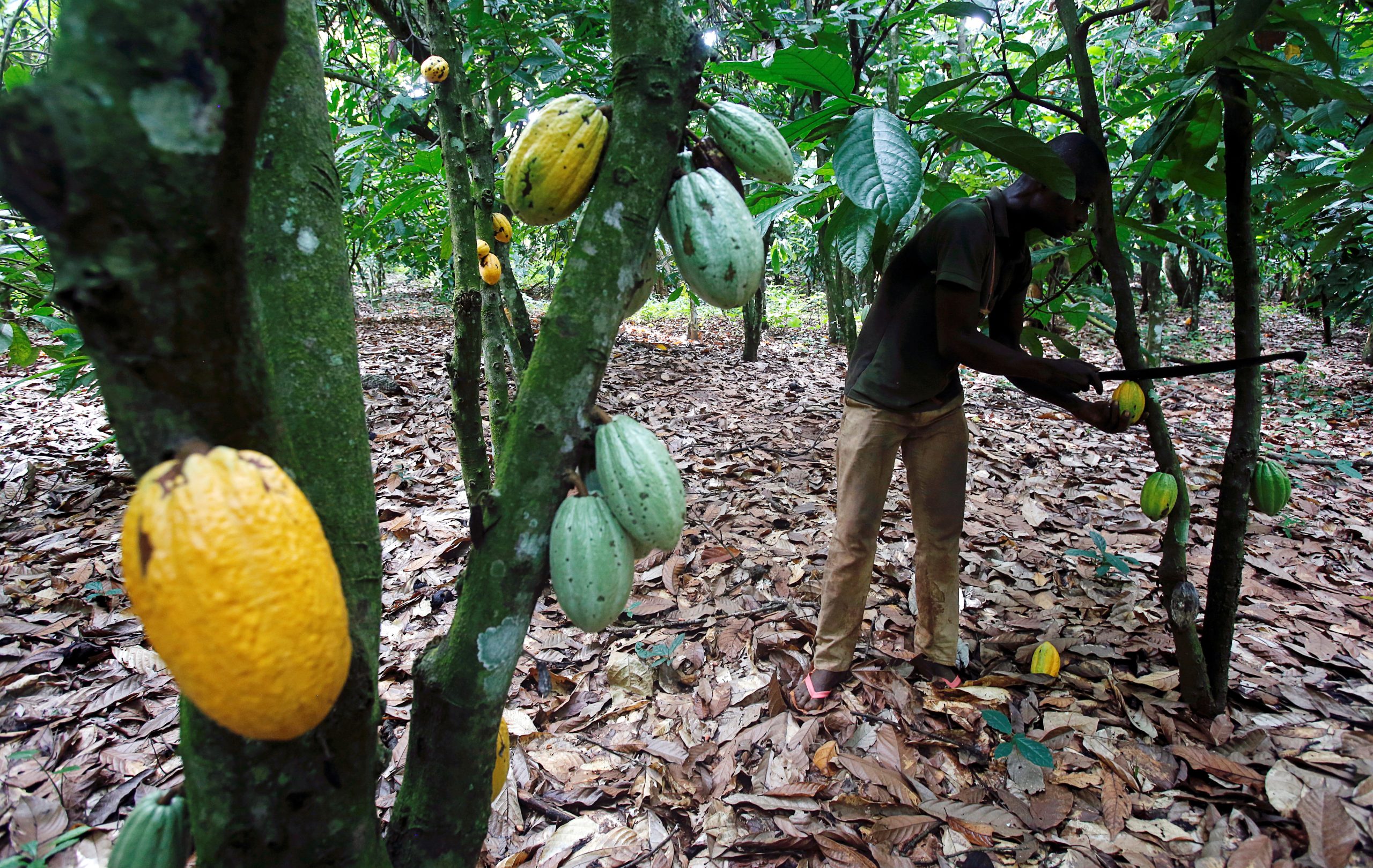
Ghana’s cocoa production is projected to decline by at least 16% during the 2026/27 season, according to market regulator COCOBOD.
In a response to questions from Reuters, COCOBOD attributed the expected decline to the likelihood of El Niño conditions, excessive rainfall in May and June this year, and the natural bearing cycle of cocoa trees, which typically alternate between high- and low-yield years.
The regulator noted that a low cherelle load—the number of young cocoa pods that survive to maturity—in the Western and Western North regions aligns with these factors. Together, the two regions account for more than half of Ghana’s cocoa output.
COCOBOD added that production in the Western and Western North regions has also been affected by swollen shoot disease, ageing cocoa farms, and the growing impact of illegal gold mining, locally known as galamsey, which has converted cocoa farms into mining sites.
The projection comes ahead of the 12-month cocoa season beginning in September. It follows warnings from farmers in the Western and Western North regions, who reported significantly lower pod counts this season.
To reduce losses, COCOBOD said it has intensified rehabilitation of swollen shoot-infected farms in the Western North Region, expanded insecticide and fungicide spraying programmes, and reintroduced a nationwide free fertiliser distribution scheme for the 2026/27 crop year.
The outlook mirrors broader concerns across West Africa. Cocoa production in Ivory Coast, the world’s largest cocoa producer, is also expected to decline by more than 10% next season.
Ghana|atinkaonline.local/|Nana Achiaa Aboagye