






















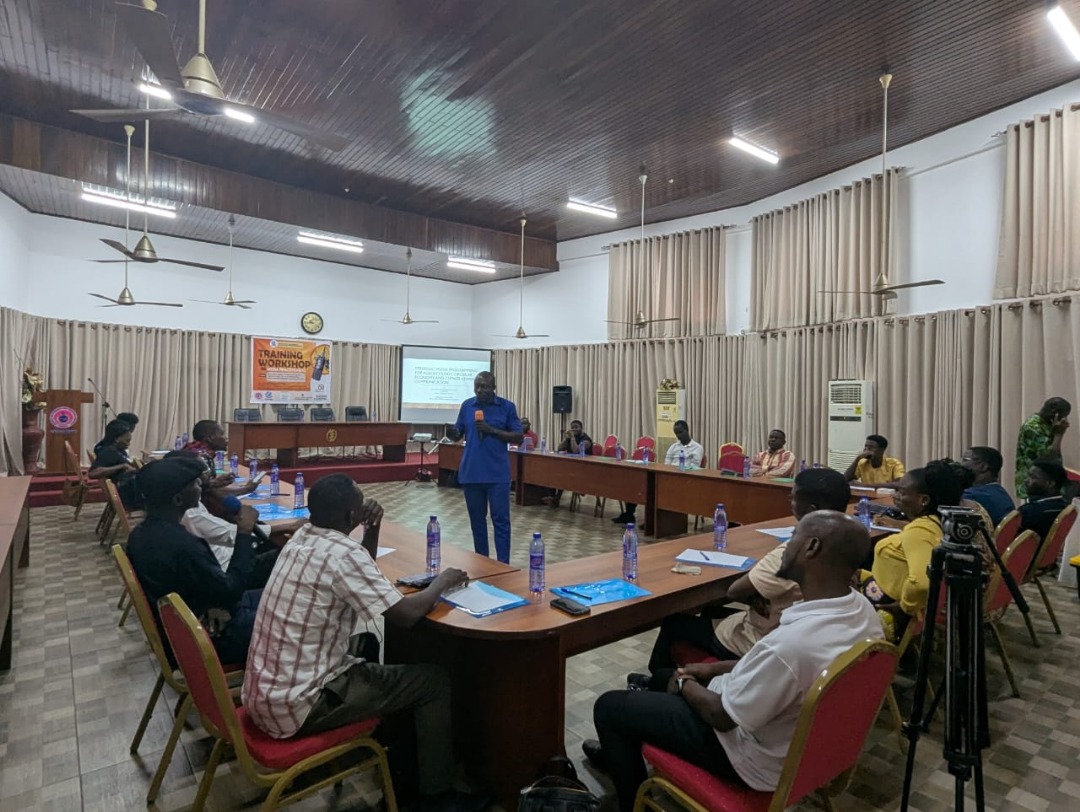
In a strategic move to amplify national conversations around sustainable agriculture, the Council for Scientific and Industrial Research (CSIR) has launched a training program aimed at equipping journalists with the tools and knowledge to effectively report on agroecology.
The capacity-building initiative brought together media professionals from the various media houses across the country for an intensive workshop focused on agroecological principles, policy frameworks, climate-smart agriculture, and science-based storytelling.
The workshop, held under the theme “Strategic Media Programming for Agroecology, Circular Economy, and Climate Change Communication,” aimed to strengthen journalists’ capacity to simplify scientific concepts for public understanding and inspire action toward sustainable agricultural and environmental practices.
Agroecology, an approach that integrates ecological principles into agricultural systems, is increasingly seen as a sustainable alternative to conventional farming. As climate change, biodiversity loss, and food insecurity become more pressing global concerns, CSIR views the media as a vital partner in raising awareness and shaping public discourse.
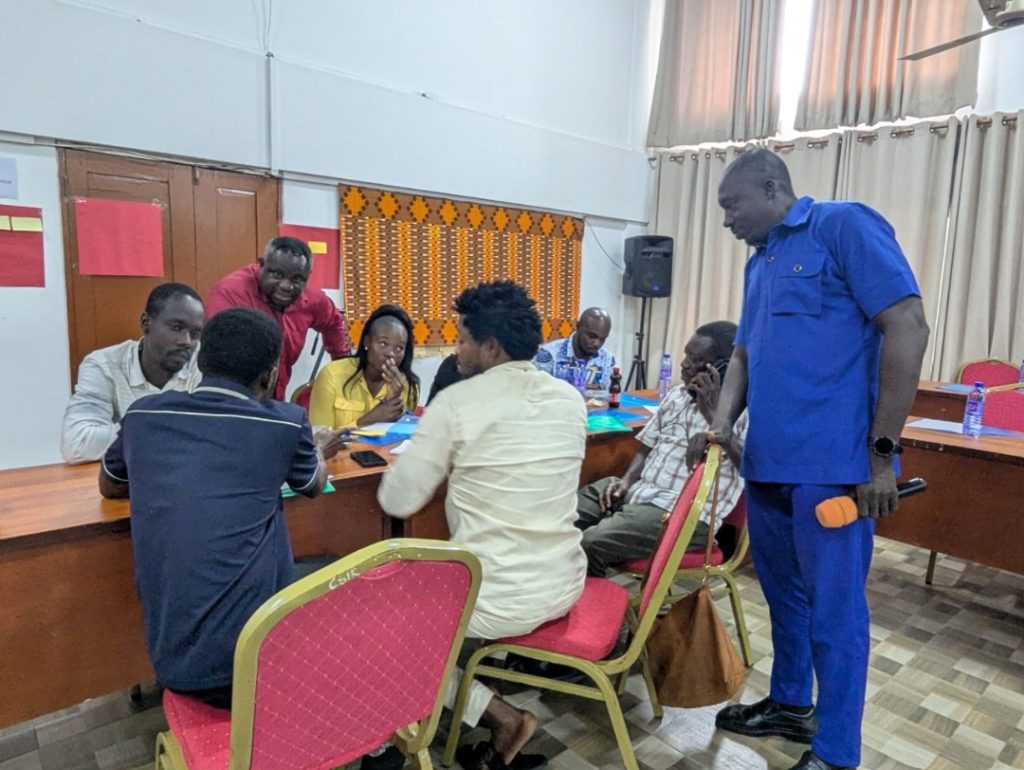
Speaking at the training, Dr. Kwaku Onwona-Hwesofour Asante, Research Scientist and Principal Investigator for the Agroecology and Circular Economy for Ecosystem Services Project in Africa and Sub-Saharan Africa, underscored the need for strategic and regular media programming on environmental issues. He emphasized the importance of accurate, informed journalism in shaping agricultural policy and consumer behavior.
Dr. Kwaku Onwona-Hwesofour Asante highlighted the low public awareness of environmental sustainability issues, such as agroecology, circular economy, and climate change, attributing it to the complexity of scientific information.
“Once media practitioners are well trained in these principles and concepts, they can extend the knowledge to the public so people can make informed decisions, especially in reducing agricultural emissions like methane, black carbon, and nitrous oxide that affect both climate and health,”
While we generate scientific knowledge, the media can take up these technologies, highlight them, and sensitize the public to take the needed actions for livelihood improvement, job creation, and emission reduction,” he added.
The workshop is part of CSIR’s initiative to advance agroecology, circular economy, and media empowerment for effective climate communication in Ghana. This effort aligns with promoting sustainable agricultural practices and climate resilience. And by promoting agroecological innovations and circular economy practices, Ghana aims to achieve sustainable agricultural development, improve food security, and mitigate the impacts of climate change.
Ghana|Atinkaonline.com|Abigail Owusu Ahemah

 has launche)