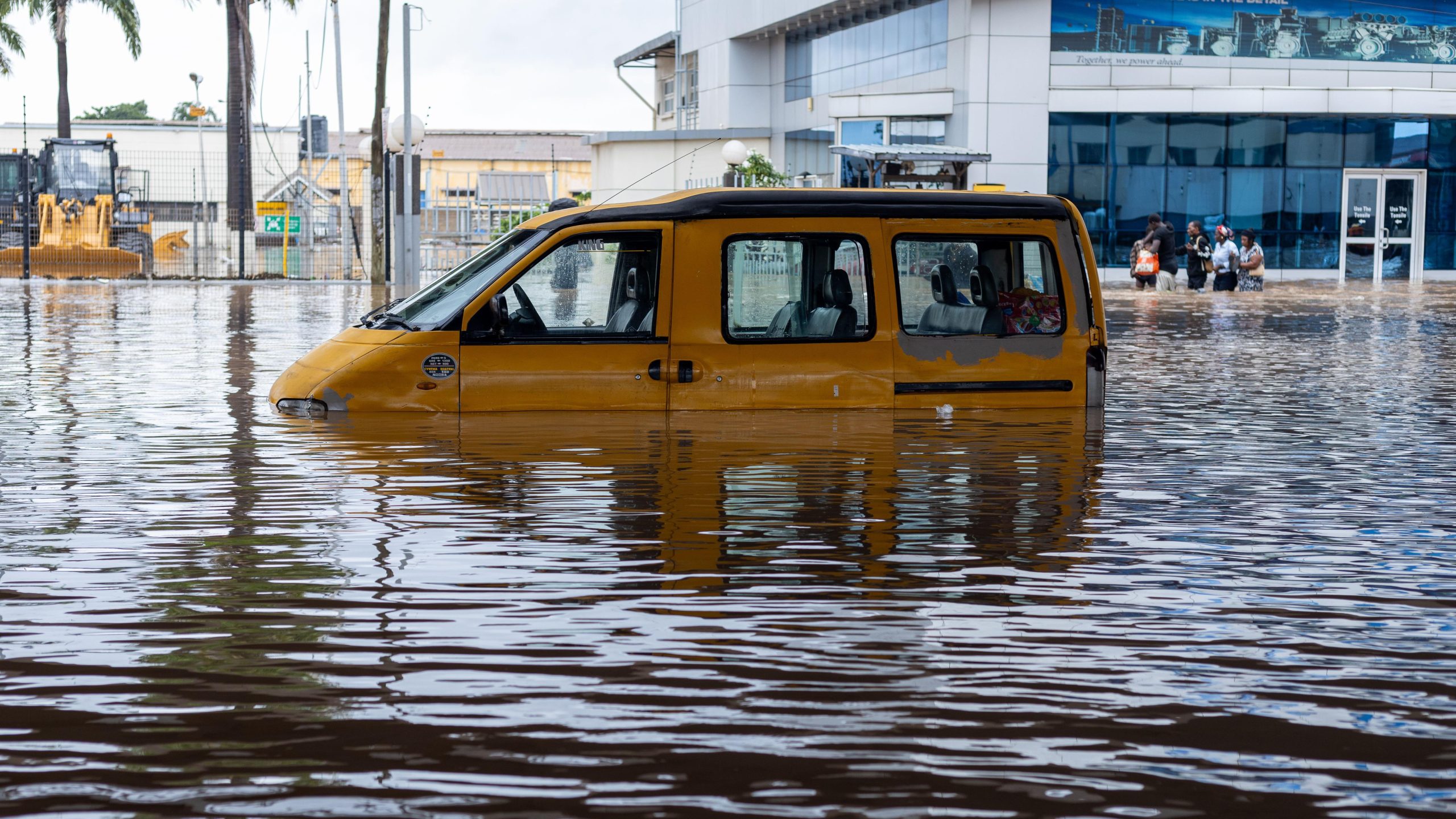
Materials Engineer and President of the Africa Development Council, Ing. Dr. Bright Astu Sogbey, has attributed the persistent flooding in Accra to a combination of leadership shortcomings, inadequate economic capacity and poor engineering decisions.
Speaking on Morning Target on Bullet TV, he argued that Ghana’s recurring flood disasters are largely preventable if the country adopts sound engineering practices and strategic national policies.
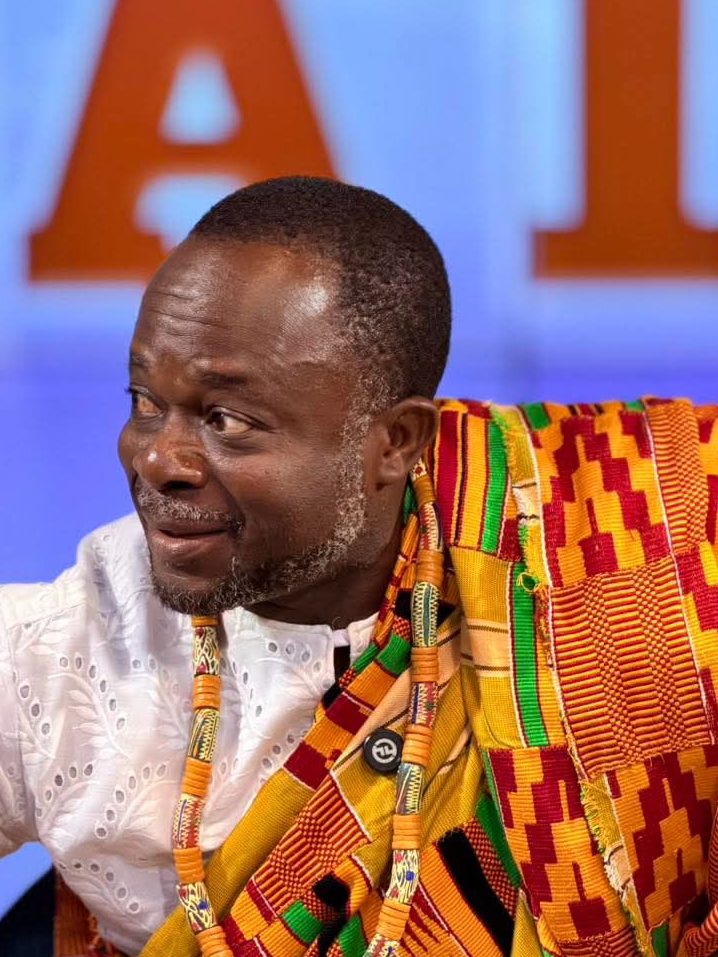
Addressing the issue, Dr. Sogbey stressed that both government and citizens have a shared responsibility to prepare for flooding.
“We have been talking about this flooding situation year in year out…it comes in unprepared because of leadership failures.” – Ing. Dr. Sogbey.
He noted that floods are natural occurrences and should be anticipated through proactive measures rather than treated as unforeseen disasters. He urged authorities to strengthen disaster preparedness while encouraging residents to support efforts aimed at reducing flood risks.
He further explained that Ghana’s economic limitations have hindered the construction of resilient drainage systems and other critical infrastructure needed to manage floodwaters effectively. According to him, insufficient investment in engineering projects has left many urban communities vulnerable whenever heavy rains occur.
Drawing comparisons with Burkina Faso, Dr. Sogbey pointed to the country’s approach to nationalising industries linked to its natural resources as a model Ghana could consider. He argued that greater state participation in strategic industries would enable the country to maximise revenue, strengthen its economic capacity and channel more resources into national development, including flood-control infrastructure.
Dr. Sogbey also criticised the practice of appointing individuals without engineering backgrounds to lead engineering ministries and institutions, saying political considerations often take precedence over technical competence. He maintained that assigning unqualified personnel to such positions contributes to poor planning, weak supervision and the eventual failure of drainage systems across the country.
To address the problem, the engineering expert called for the construction of wider bridges and larger drainage channels in flood-prone and low-lying areas. He also advocated for greater state involvement in the construction sector through a 51–49 ownership model, where the government would hold a majority stake in strategic construction projects and industries while partnering with private investors. He believes such measures would improve infrastructure delivery and help Ghana build long-term resilience against flooding.
Credit: Esther Yeboah