





















Home Blog Page 3

“I Am a Beneficiary of the COCOBOD Scholarship, So I Know the Role Cocoa Farmers Have Played in Running This Economy” — Jerry Ahmed

Source: Mavis Fantevi

The Second Deputy Minority Chief Whip and Member of Parliament for Weija-Gbawe, has raised alarm over the deteriorating conditions of cocoa farmers, urging government to honour its commitments and provide urgent relief to the sector.

“I am a beneficiary of the COCOBOD scholarship, so I know the role cocoa farmers have played in running this economy,” he said, as he underscored the importance of the cocoa sector to Ghana’s development.

Speaking in an interview on Bullet Tv with Bright Nana Amfoh on Thursday April 23rd,2026, the MP stressed that cocoa farmers have historically been the backbone of the economy, contributing significantly to national revenue and social development.

He argued that their sacrifices should not be overlooked, especially at a time when many are facing severe financial distress.

“Your word is your weapon. You gave the people your word, so no matter what, irrespective of the situation, you must honour it,” he stated, in reference to promises made by President John Dramani Mahama to improve conditions for cocoa farmers.

According to him, expectations were high among farmers who believed the government would deliver a producer price of GH₵6,000. However, he noted that the failure to meet this expectation has worsened hardship in cocoa-growing communities.

Ahmed cited findings from a recent visit by Frank Annoh-Dompreh and his team, describing the situation on the ground as deeply troubling.

“The kind of revelations were terrifying. Cocoa farmers are losing their lives, losing their families. Their children cannot go to school, and they cannot pay medical bills,” he said.

He added that some farmers, overwhelmed by economic pressure, are resorting to selling their lands for illegal mining activities, commonly known as galamsey.

“They were even promised boreholes and water hoses to support irrigation on their farms, yet today they are suffering,” he noted.

Referencing past trends, Ahmed observed that cocoa prices had already declined significantly during the tenure of former President Nana Akufo-Addo, but farmers remained hopeful that conditions would improve under the current administration.

He questioned why cocoa farmers are being “punished” despite assurances to restore hope in the sector.

Ahmed called on government, particularly the Ghana Cocoa Board, to take swift and decisive action to support farmers, warning that continued neglect could deepen poverty and accelerate the shift toward illegal mining in cocoa-growing areas.
Entrance University Wins Best Private University Award

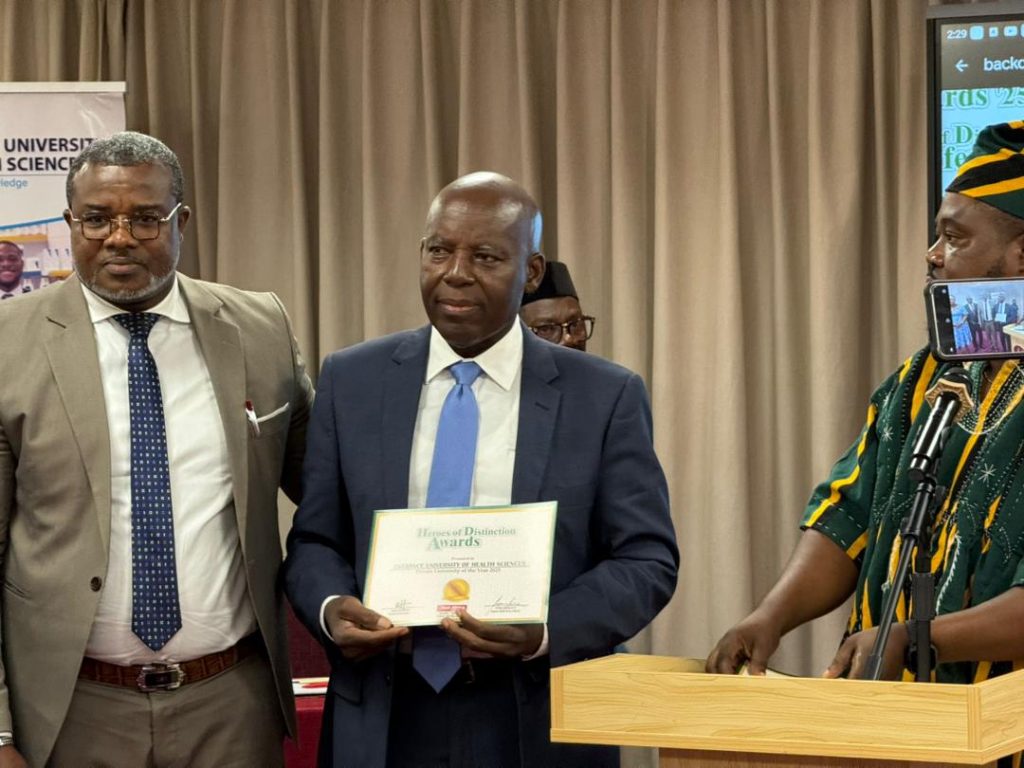
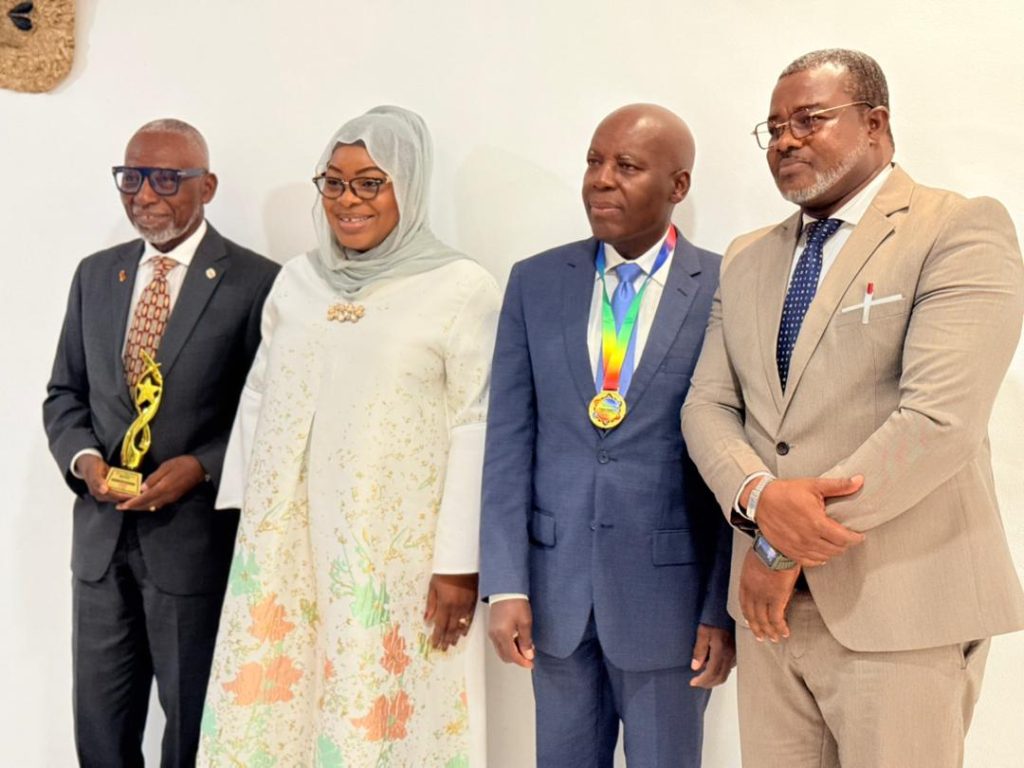
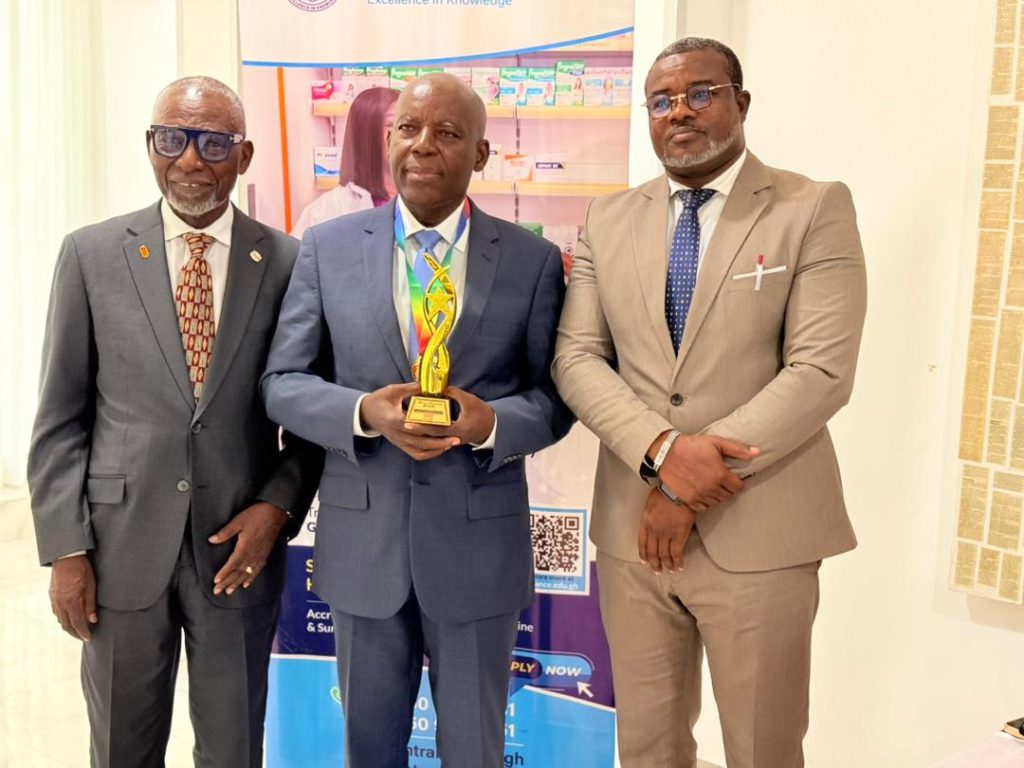
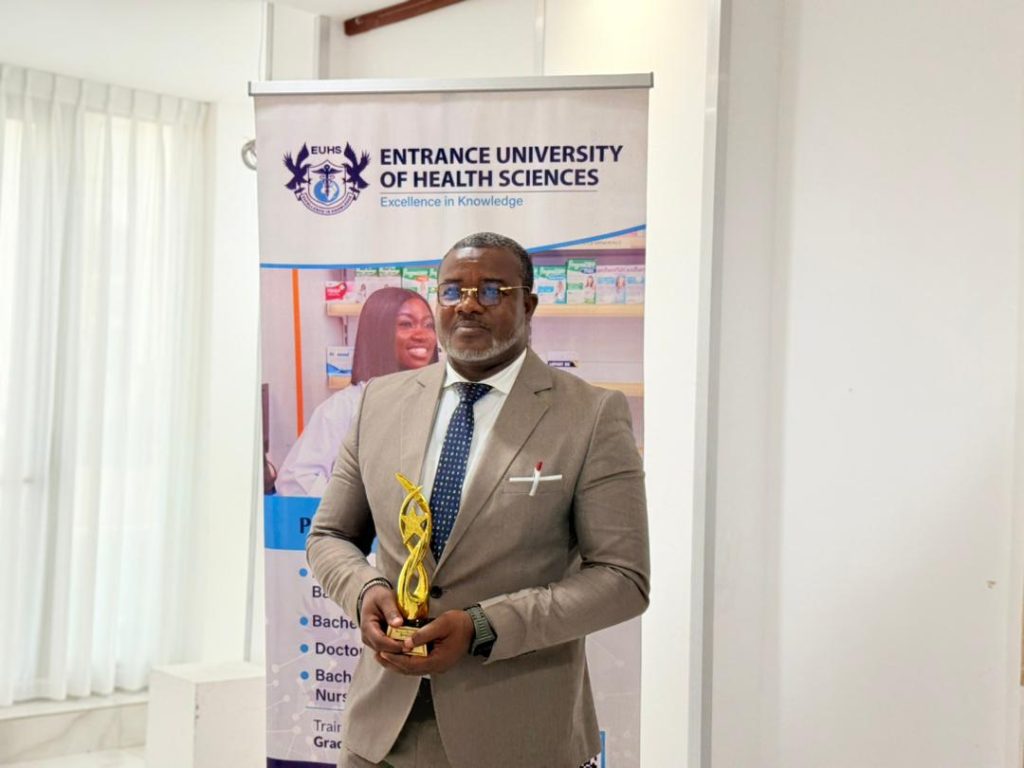
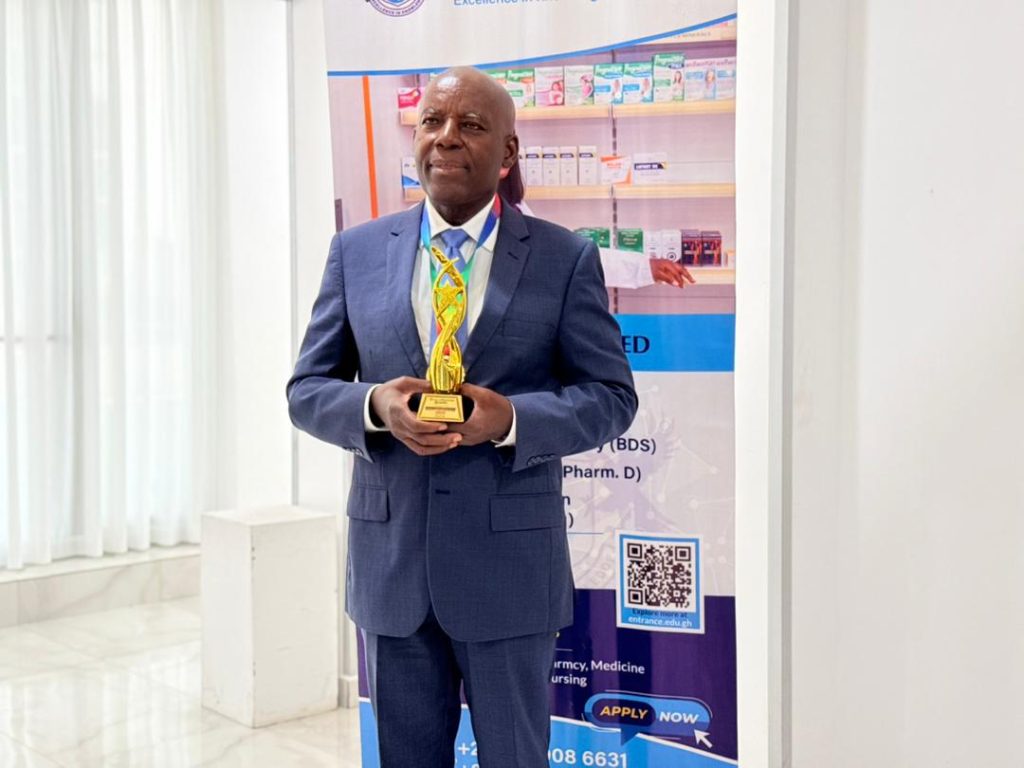
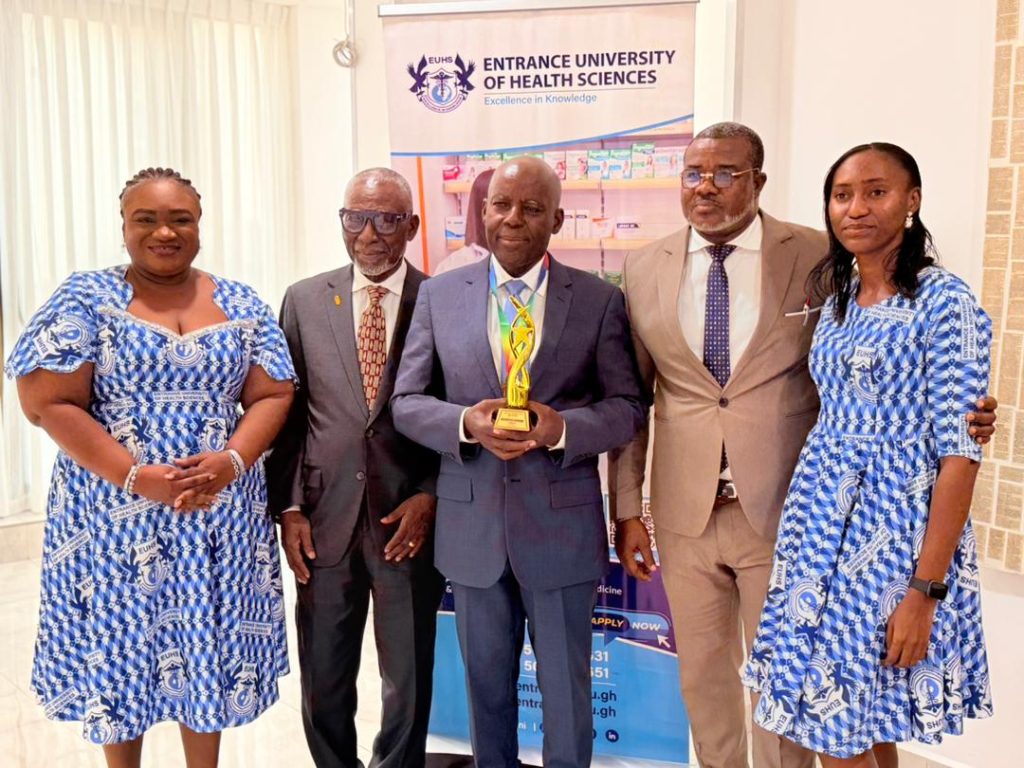
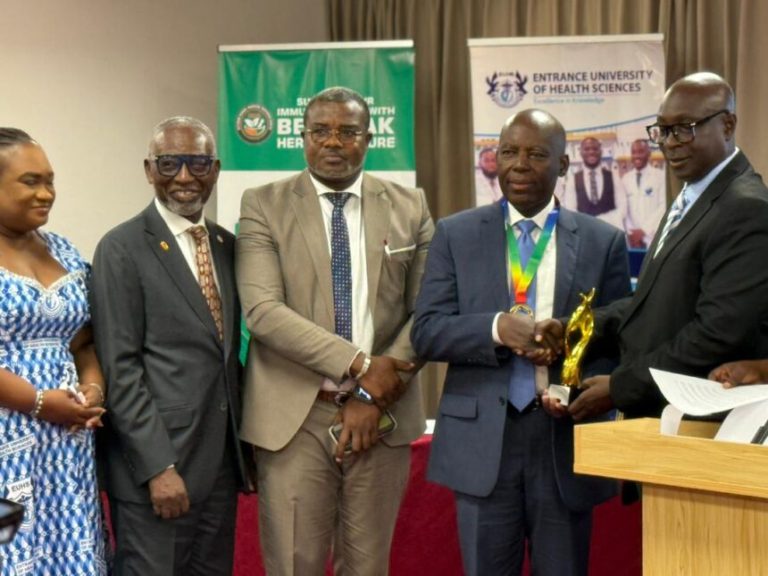
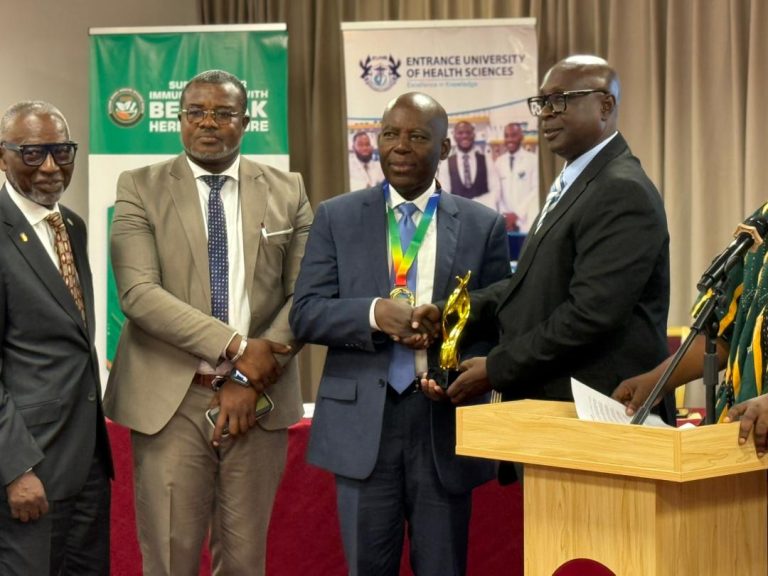
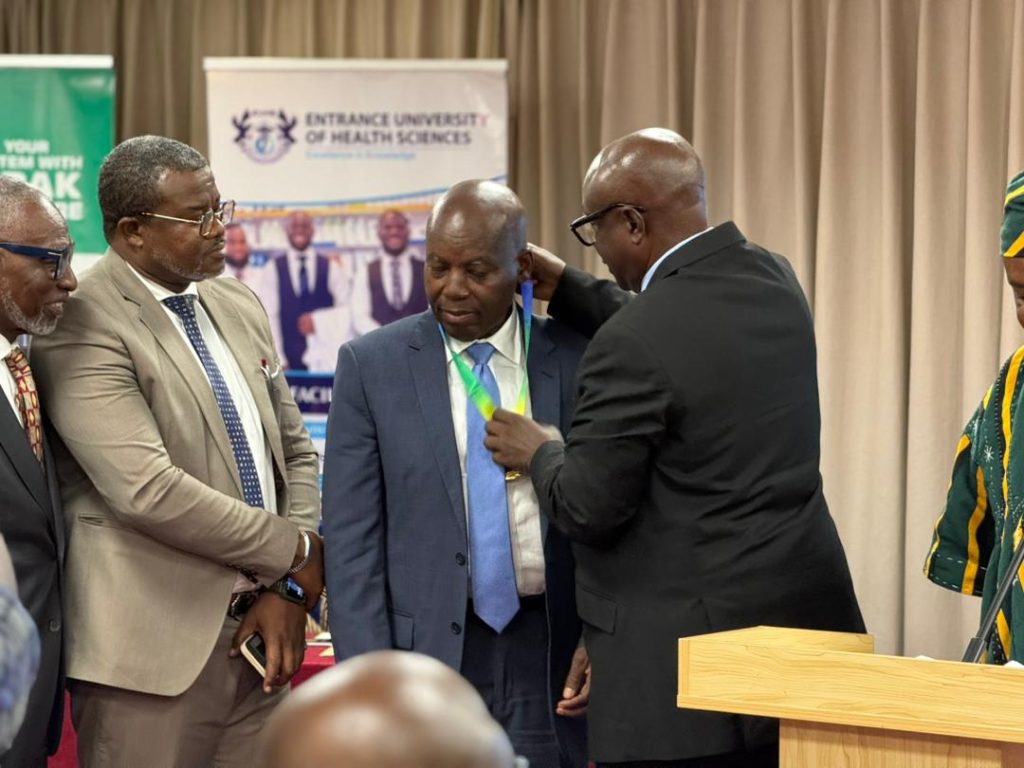
Entrance University of Health Sciences (EUHS) has been named Best Private University 2025 in Ghana.

The award was presented at the 15th edition of the West Africa International Magazine’s Heroes of Distinction Conference and Awards held at Accra City Hotel on Tuesday.

The citation described EUHS as a leading private institution focused on training future healthcare professionals through innovation, excellence, and integrity.

EUHS was established in 2018 as Entrance University College of Health Sciences, under the Tobinco Group of Companies. In 2024, it gained full university status after receiving a Presidential Charter from former President Nana Addo Dankwa Akufo-Addo, allowing it to operate independently.

The university started with the School of Pharmacy and became the first private university in West Africa to offer the Doctor of Pharmacy (Pharm.D) programme. Students receive practical training at the Entrance Pharmaceutical and Research Centre and take part in clinical rotations.

The school recently recorded a 97 percent pass rate in the Pharmacy Council Licensure Examination by its first Pharm.D class.

To expand its programmes, EUHS established a School of Nursing in 2024 after receiving accreditation from the Nursing and Midwifery Council. It also gained approval from the Ghana Tertiary Education Commission and the Medical and Dental Council to run Medicine (MB ChB) and Dentistry (BDS) programmes.

The university is the first private institution in Ghana to introduce both Medicine and Dentistry programmes at the same time. It has also set up a University Dental Hospital to provide practical training for students while offering dental services to the public.

Officials say the award reflects the hard work of management, staff, and students, and shows the university’s growing impact in health education.

The ceremony was attended by the President of EUHS, Prof. Aaron Lante Lawson, Registrar Mr. Samuel Apeawin, and other senior officials.

Ghana|Atinkaonline.com

Entrance University of Health Sciences Wins Best Private University 2025 Award

Barely two years after attaining its Presidential Charter, Entrance University of Health Sciences (EUHS) has been named Best Private University 2025 in Ghana at the 15th edition of the West Africa International Magazine’s Heroes of Distinction Conference and Awards, held at on Tuesday 22nd April 2026.

The award citation recognized EUHS as a premier private educational institution committed to training the next generation of healthcare professionals through innovation, excellence, and integrity.

Established in 2018 as Entrance University College of Health Sciences, a subsidiary of the Tobinco Group of Companies, the institution has experienced rapid growth and transformation.

In 2024, EUHS attained full university status after receiving a Presidential Charter from former President Nana Addo Dankwa Akufo-Addo, granting it autonomy to operate independently.

EUHS began its academic journey with the School of Pharmacy and made history as the first private university in the West African sub-region to offer the Doctor of Pharmacy (Pharm.D) programme.

Through hands-on training at the Entrance Pharmaceutical and Research Centre and structured clinical rotations, students are exposed to the full spectrum of pharmaceutical practice.

The university recently recorded a 97 percent pass rate in the Pharmacy Council Licensure Examination by its pioneering Pharm.D class, underscoring its commitment to academic excellence and professional readiness.

In line with its vision to become a leading health sciences university in Africa, EUHS has expanded its academic offerings to address the growing healthcare needs of the country and the region.

In 2024, the School of Nursing was established following full accreditation from the Nursing and Midwivery Council.

The university subsequently secured additional accreditations from the Ghana Tertiary Education Commission and the Medical and Dental Council to offer programmes in Medicine (MB ChB), Dentistry (BDS).

EUHS has also set a new benchmark in private tertiary education by becoming the first private university in Ghana to introduce both MB ChB and BDS programmes concurrently.

As part of its commitment to practical training, the institution has established a University Dental Hospital, providing students with clinical experience while delivering quality oral healthcare services to the public.

University officials have attributed the achievement to the collective efforts of leadership, faculty, staff, and students, describing the award as a testament to the institution’s growing impact in health sciences education in Ghana and beyond.

The ceremony was attended by the President of EUHS, Prof. Aaron Lante Lawson; the Registrar, Mr. Samuel Apeawin; the Dean of the School of Medicine and Dentistry, Prof. Nii Otu Nartey; the Dean of Students, Dr. Barima Afrane; and the Head of Public Relations, Miss Victoria Osei Prempeh.

TAGG Endorses Shippers Authority Directive to Cap Port Fees

Source: Mavis Fantevi

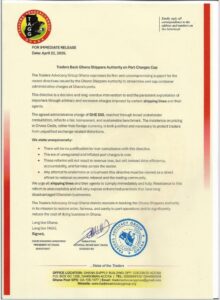
The Traders Advocacy Group Ghana (TAGG) have thrown its weight behind the Ghana Shippers Authority following its recent directive to cap container administrative charges at the country’s ports.

In a press release dated April 22, 2026, the Traders Advocacy Group Ghana (TAGG) described the move as a “decisive and long-overdue intervention” aimed at curbing what it called the persistent exploitation of importers through excessive and arbitrary fees imposed by some shipping lines and their agents.

The group endorsed the newly agreed administrative charge of GH¢550, noting that it was the outcome of broad stakeholder consultations and represents a fair, transparent, and sustainable benchmark for port operations.

TAGG also welcomed the directive requiring that charges be quoted in Ghana cedis instead of foreign currencies, arguing that the measure would shield traders from exchange rate fluctuations and related distortions.

The group stressed that there would be “no justification for non-compliance,” warning that any attempt to circumvent the directive would be considered a direct threat to national economic interests and the trading community.

According to the traders, the reforms are not expected to reduce revenue but rather enhance efficiency, accountability, and fairness within the sector. They insisted that the era of unregulated and inflated port charges must come to an end.

TAGG further urged all shipping lines and their agents to comply fully and immediately with the directive, cautioning that resistance would only expose entrenched practices that have long disadvantaged Ghanaian businesses.

Reaffirming its stance, the group pledged its continued support to the Ghana Shippers Authority in its efforts to restore order to port operations and reduce the cost of doing business in the country.

Carlos Queiroz Arrives in Ghana Ahead of Black Stars Unveiling

Prior to his formal announcement as the Black Stars’ new head coach, Portuguese strategist Carlos Queiroz has arrived in Ghana. After landing at Accra International Airport on Wednesday night, the seasoned coach is scheduled to stay at a hotel in Accra before speaking to the media on Thursday, April 23, at the Alisa Hotel.

Last week, Queiroz was appointed head coach of the senior national side by the Ghana Football Association’s Executive Council with the support of important stakeholders. Otto Addo had been fired following a series of poor performances.

The 73-year-old will now oversee Ghana’s preparations for the 2026 FIFA World Cup, which will take place in the US, Canada, and Mexico. They will face England, Croatia, and Panama in the difficult Group L.

Having guided Portugal to the 2010 World Cup knockout rounds and coached Iran in the 2018 and 2022 competitions, Queiroz has a wealth of tournament experience. He has vast expertise in high-pressure, big-stage settings, having worked with South Africa’s World Cup qualifiers and held senior positions at Real Madrid and Manchester United.

According to people close to the team, Queiroz is not under immediate pressure despite Ghana’s frequently brutal football culture since the GFA is concentrating on a methodical, realistic World Cup build-up. Convincing the team, local media, and supporters that his techniques can unleash the potential of a Black Stars generation that many believe is already on the rise will be his first significant challenge.

Queiroz is anticipated to discuss his ideology, backroom personnel, and preliminary preparations for forthcoming games and the 2026 tournament during the ceremonial unveiling, which is scheduled for today at the Alisa Hotel. His efforts in training, tactical planning, and team togetherness over the next two months will determine whether the Black Stars make the most of their World Cup comeback or have yet another brief stint on the international scene.

Limit Hair Relaxing to Twice a Year – Expert

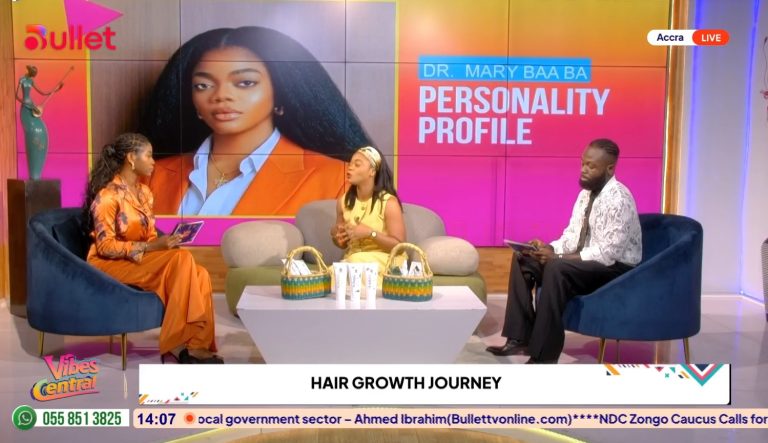
The Chief Executive Officer of My Hair Grow Butter, Dr. Mary Baaba Boamah, has urged women to relax their hair no more than two times a year to prevent damage and excessive hair loss.

Speaking on Vibes Central on Bullet TV hosted by Melody Abena Pessey and Eugene Evans Arthur, she warned that frequent use of hair relaxers can strip the hair of its natural moisture, leaving it dry, weak, and prone to breakage.

Dr. Boamah explained that many people relax their hair too often, sometimes every month, which harms the scalp and affects healthy hair growth. She advised that waiting at least four to six months between relaxers allows the hair to recover and remain strong.

She added that while some hair loss is normal, excessive shedding is often linked to poor hair care practices, including over-processing, lack of moisture, and improper use of products.

According to her, maintaining a simple routine such as regular washing, moisturizing, and proper scalp care can help protect hair and support healthy growth.

“You cannot bring back lost hair, but you can protect the new growth by caring for it well,” she said.

Ghana|Atinkaonline.com|Ebenezer Madugu

Hair Expert Warns Against Poor Habits Causing Hair Loss

The Chief Executive Officer of My Hair Grow Butter, Dr. Mary Baaba Boamah, has advised the public to adopt healthy hair care habits to prevent excessive hair loss.

Speaking on Vibes Central on Bullet TV hosted by Melody Abena Pessey and Eugene Evans Arthur, Dr. Boamah explained that some level of hair loss is normal. According to her, hair naturally goes through stages, including growth, rest, shedding, and regrowth.

“Shedding is normal, but when you lose more than a handful of hair, it becomes excessive and a problem,” she said.

Dr. Boamah noted that excessive hair loss is often caused by poor hair care practices rather than medical conditions. She listed common causes as tight hairstyles, wrong use of products, lack of moisture, and poor personal care.

She stressed the importance of drinking enough water, saying it helps both the hair and scalp stay healthy. “If the scalp is dry and the hair becomes brittle, you will lose more hair than normal,” she added.

The hair expert also warned against the use of highly concentrated oils and herbal mixtures without proper dilution. She explained that while such products may promote growth at first, they can later damage the scalp and cause more hair to fall out.

“The scalp is very sensitive. When strong products are overused, they can weaken the hair strands and lead to breakage,” she said.

Dr. Boamah further advised people to follow a consistent hair care routine. This includes washing the hair every two to three weeks, moisturizing regularly, and applying oils correctly.

She also spoke about the effects of hair relaxers, explaining that frequent use can dry out the hair and remove its natural nutrients. She recommended relaxing hair every four to six months instead of monthly.

“You cannot get back hair that is already lost, but you can protect new growth by taking good care of it,” she said.

Dr. Boamah encouraged the public to pay attention to their scalp health and choose the right products to maintain strong and healthy hair.

Ghana|Atinkaonline.com|Ebenezer Madugu

Court rejects AG’s attempt to label BNC payments as Adu-Boahene’s private transactions

0

An Accra High Court has rejected an attempt by the Attorney-General’s office to describe some payments linked to former National Signals Bureau (NSB) boss, Kwabena Adu-Boahene, as private transactions.

The decision came during a tense cross-examination at Criminal Court 3.

Defence lawyer Samuel Atta Akyea argued that the payments in question were for national security operations, not for personal use.

The Attorney-General’s key witness, Edith Ruby Opokua Adumuah, who is Head of Finance at the NSB, told the court that cash withdrawals seen in bank records were not for private use. She said they were made for official national security activities.

According to her, several senior officials, including Joshua Kyeremeh, Cletus Sogovi, Seth Danso, and Kofi Sarpong Dansu Otchere, made withdrawals from an account at Fidelity Bank over time. She confirmed these transactions as shown in documents presented in court.

There was also disagreement over a UMB Bank account. The defence called it the “BNC Operations Account,” but the prosecution disagreed. However, the court allowed the defence to present evidence on the account after proper explanation. The witness confirmed that two cheques – GH₵1 million and GH₵21 million- were paid into that account.

Another key issue was the use of WhatsApp messages as evidence. The defence presented messages between the witness and the accused to show that funds were requested and used for official work.

Although the prosecution objected, the judge allowed one message after the witness confirmed sending it. The message referred to money meant for official purposes, including fuel for a minister’s trips.

However, the court rejected other WhatsApp messages after the prosecution challenged their relevance.

Throughout the hearing, the witness said many of the withdrawals were for official use but admitted she could not remember all details.

The case has been adjourned to April 27, 28, and 29, 2026, for further hearing.

Source: Rainbowradioonline

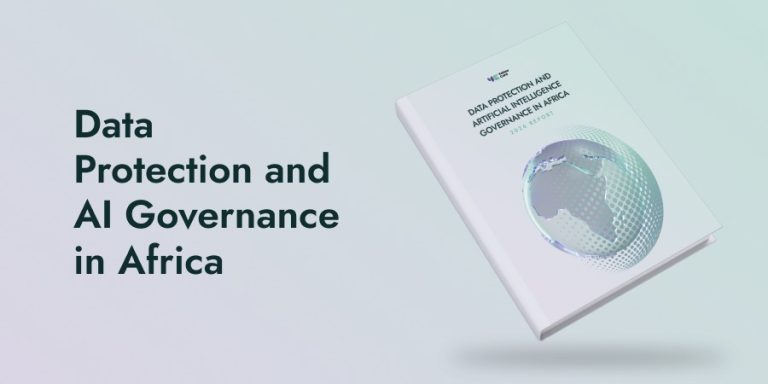
45 African Countries Have Enacted Data Protection Legislation, According to Yellow Card’s Recent Report

0

Yellow Card, the largest licensed stablecoin-based infrastructure provider for emerging markets, has released its 2026 Report on Data Protection and Artificial Intelligence Governance in Africa. The comprehensive report outlines the rapid maturation of regulatory frameworks across the continent and sets a compliance blueprint for institutional expansion across global emerging markets.

As Banks, Financial Institutions, Telcos, and Payment Service Providers (PSPs) increasingly adopt stablecoins as foundational infrastructure for treasury management and cross-border payments, regulatory defensibility has become paramount. The new report highlights a pivotal transition in the digital economy: the shift from foundational data protection legislation to active, enforceable AI governance.

“For enterprises operating across emerging markets, the ability to innovate and modernize payment rails is deeply tied to their capacity to navigate complex, cross-border regulatory landscapes,” said Thelma Okorie, Group Data Protection and Privacy Counsel at Yellow Card and author of the report.

The 2026 report reveals that the convergence of data protection and AI governance is no longer a future concept, it is the current operational reality. Institutions must proactively embed privacy-by-design and ethical AI into their infrastructure to future-proof their ecosystems, mitigate risks, and maintain the trust required to scale.

Key Insights for the Institutional Financial Sector:

  • Widespread Legislative Maturity: 45 African nations have now enacted data protection legislation, with 39 regulatory authorities fully operational, signaling a high-compliance baseline for digital operations in these markets.

  • The Rise of AI Governance: 16 countries have adopted national AI strategies, with major economies like Nigeria, Angola, Morocco, and Namibia actively advancing enforceable AI laws. This transition from “soft-law” policies to stringent regulations will heavily impact financial services deploying AI for KYC, transaction monitoring, and risk profiling.

  • Heightened Enforcement & Accountability: 2026 marks an era of rigorous enforcement. Regulators are increasingly mandating Data Protection Impact Assessments (DPIAs) and Algorithmic Impact Assessments (AIAs), elevating the cost of non-compliance and making institutional-grade governance non-negotiable.

The Financial Sector in Focus: With cross-border data flows expanding, financial institutions using stablecoins to unlock trapped liquidity and reduce T+2 settlement times must ensure their underlying payment orchestrators maintain uncompromising data and security standards.

Navigating this fragmented regulatory landscape requires more than legal foresight; it demands resilient digital infrastructure. As AI and data regulation redefines what compliant market entry looks like, Yellow Card provides the fastest, and compliant, path to market.The company’s API suite, and Treasury Portal deliver the licensed fiat and stablecoin rails businesses need to operate globally.

 Instead of navigating compliance across 45 different nations,  clients plug directly into the ecosystem to execute instant settlements across 30+ blockchains, manage global fiat accounts, and deploy custom stablecoins securely across emerging markets.

“Stablecoins are powerful tools for business efficiency, treasury management, and mitigating FX volatility risk,” added Okorie. “However, the infrastructure powering them must operate in lockstep with the strictest data protection and AI governance frameworks. Yellow Card is proud to lead this charge, proving that world-class compliance and cutting-edge financial innovation are mutually reinforcing.”

To read the full 2026 Report on Data Protection and Artificial Intelligence Governance in Africa, please visit: https://yellowcard.io/report

Ghana’s Deputy Health Minister Appointed to AU Committee on Global Health Reform

Source: Ebenezer De-Gaulle

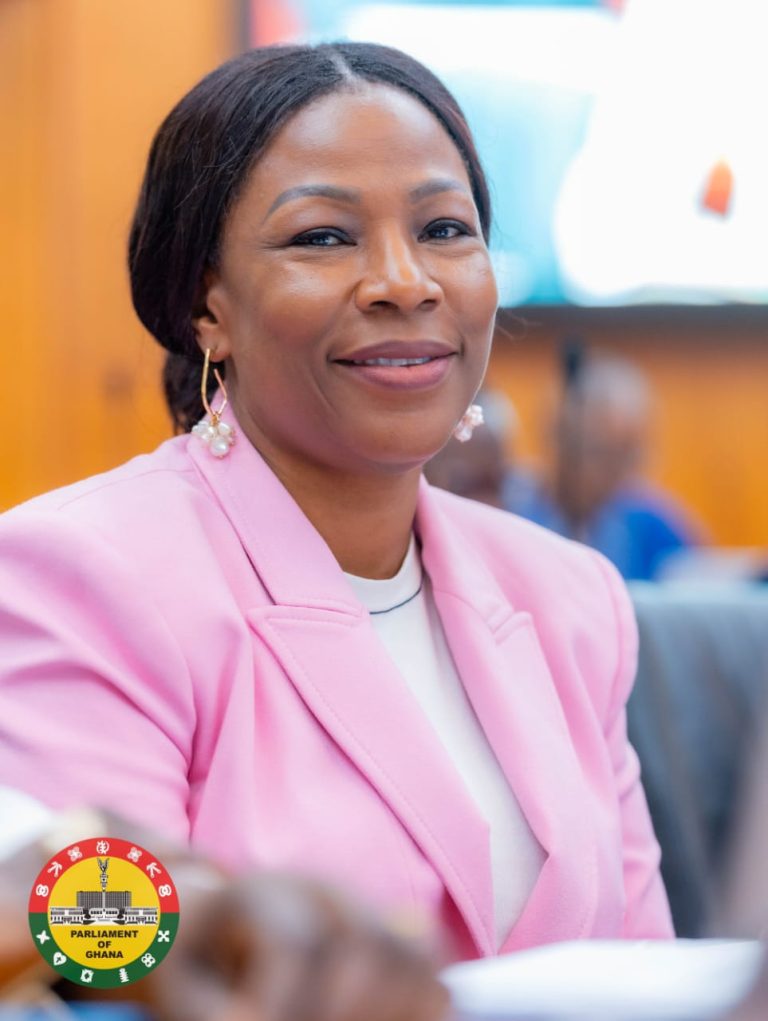
Ghana’s Deputy Minister of Health, Grace Ayensu-Danquah, has been appointed to serve as a Secretariat Member of a key African Union body tasked with reshaping global health governance.

Her appointment to the African High-Level Ministerial Committee (AHLMC) was confirmed in a letter dated April 13, 2026, signed by Jean Kaseya, Director-General of the Africa Centres for Disease Control and Prevention. The decision follows approval by the African Union Assembly during its 39th Ordinary Session in February.

The AHLMC is a flagship AU initiative aimed at strengthening Africa’s influence in global health decision-making and advocating reforms to create a more equitable and effective international health system.

Dr Ayensu-Danquah, who is also the Member of Parliament for Essikado-Ketan on the ticket of the National Democratic Congress, will contribute to shaping policies on health governance, financing, equity in access to care, and resilient health systems.

Strengthening Africa’s Voice in Global Health

Under the AHLMC framework, the Secretariat—led by the Africa CDC and supported by member states such as Ghana and South Africa—provides strategic, technical, and operational support to drive reforms across the continent.

The committee’s work includes high-level policy engagement, stakeholder coordination, and analytical support to advance Africa’s collective position in global health governance.

Dr Ayensu-Danquah’s appointment is expected to bolster Ghana’s role in these efforts, positioning the country as an active contributor to continental health policy reforms.

Alignment with Ghana’s Health Agenda

The development also aligns with the broader health agenda of President John Dramani Mahama, which emphasises health system strengthening, preventive care, and regional collaboration.

Recent initiatives under the administration include efforts to expand primary healthcare access, improve public health financing, and restore confidence in the National Health Insurance Scheme. The government has also introduced programmes such as the Free Primary Healthcare policy and the Ghana Medical Health Trust to support long-term healthcare delivery and infrastructure development.

Extensive Medical and Policy Experience

A board-certified general surgeon and public health policy expert, Dr Ayensu-Danquah brings significant experience to the role. She has held leadership positions in Ghana’s health sector and contributed to initiatives aimed at improving access to care and aligning national policies with regional frameworks.

Dr Kaseya noted that her expertise would “greatly enrich the work of the AHLMC Secretariat” and support meaningful reforms in global health systems.

Dr Ayensu-Danquah holds medical degrees from the University of Wisconsin–Madison and the University of Southern California, as well as a Master of Public Health from Johns Hopkins University. She also serves as an Adjunct Professor of Surgery at the University of Utah.

Beyond her public service, she leads the Healing Hands Organisation, a non-governmental initiative that provides free medical care and supports rural health facilities in Ghana.

Her appointment underscores growing efforts by African leaders to strengthen the continent’s influence in global health systems and ensure more equitable access to healthcare resources worldwide.