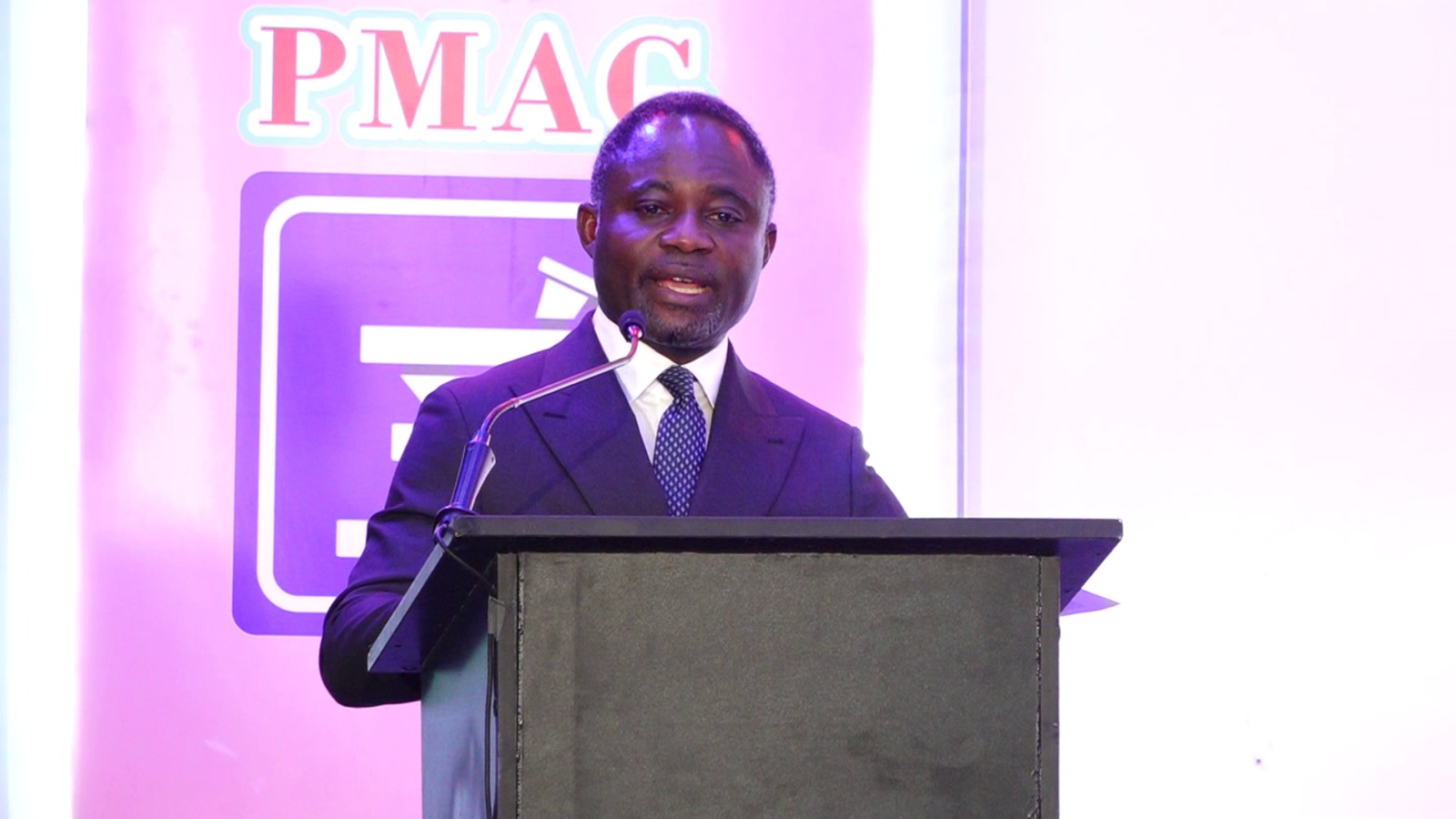
The President of the Pharmaceutical Manufacturers Association of Ghana (PMAG), Elder Samuel Amo Tobbin, has expressed confidence in the future of Ghana’s pharmaceutical industry, saying the country is well-positioned to become a leading manufacturing hub in West Africa.
Speaking at the 2026 PMAG Day celebration in Accra, Elder Tobbin, who doubles as the CEO of of the Tobinco Group of Companies, said achieving that vision would require investment in innovation, skilled human resources, a stronger industrial value chain and consistent government support.
The event was held on the theme: “Advancing Ghana’s Pharmaceutical Sovereignty Through Innovation, Requisite Skills Mix and Quality Industrial Value Chain for Economic Transformation.”
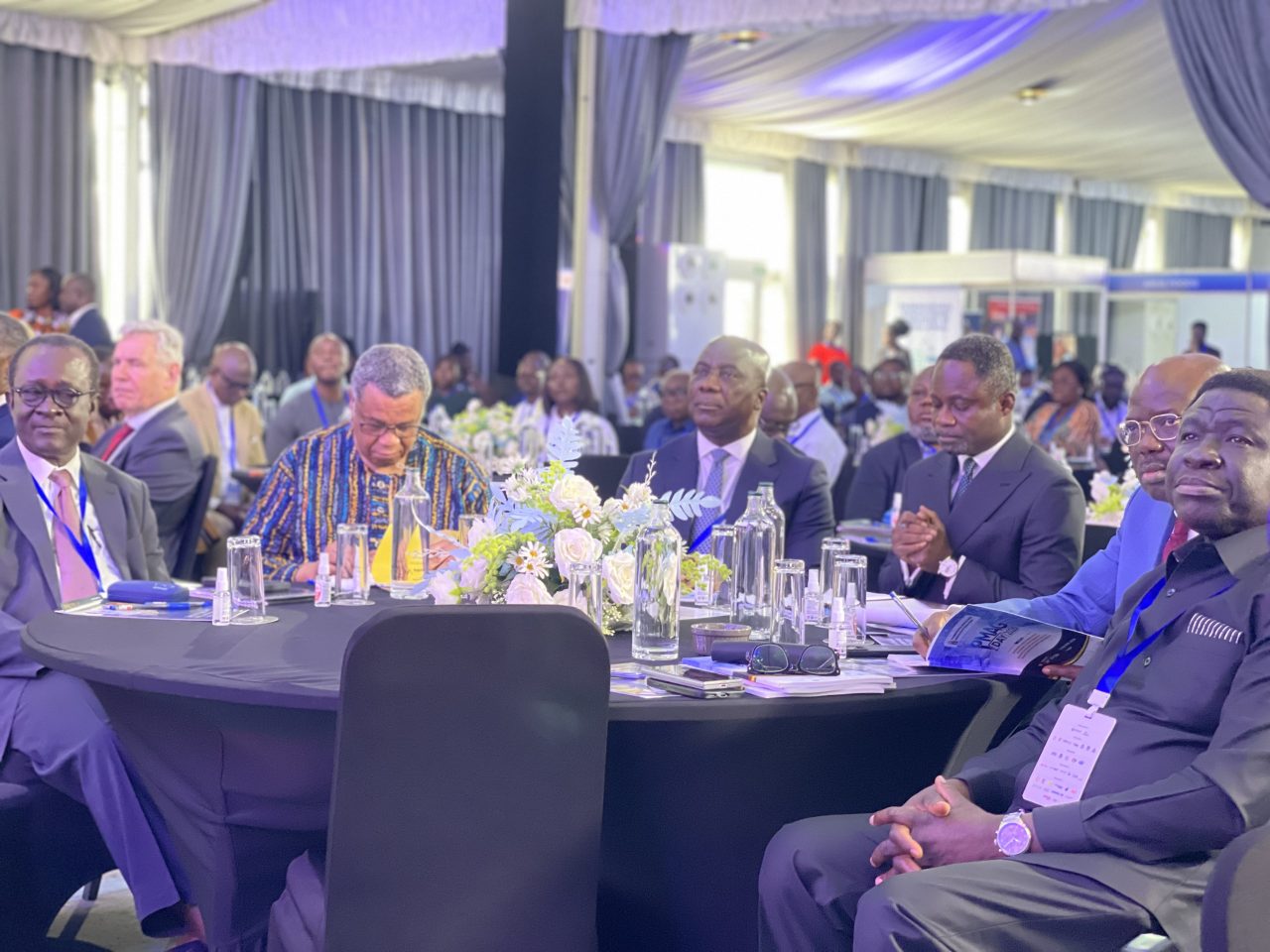
He said the COVID-19 pandemic highlighted the need for Ghana to strengthen local pharmaceutical manufacturing to reduce dependence on imported medicines during global crises.
Elder Tobbin called for increased investment in research, modern manufacturing technology and the training of scientists, engineers and quality assurance professionals to improve the sector’s competitiveness.
He also appealed to the government to provide affordable financing, tax incentives and stronger procurement of locally manufactured medicines to help the industry grow.
According to him, a thriving pharmaceutical industry will improve healthcare delivery, create jobs, save foreign exchange and contribute significantly to Ghana’s economic development.
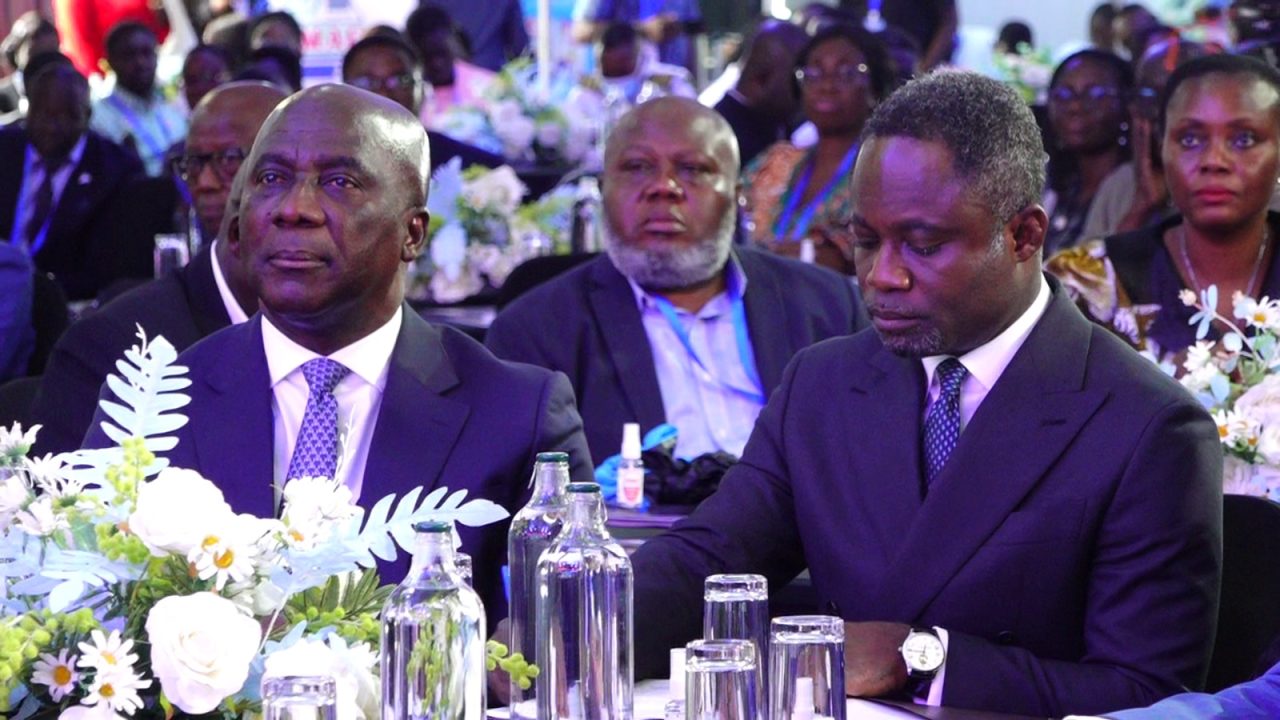
He reaffirmed PMAG’s commitment to working with government, regulators, academia and development partners to build a sustainable pharmaceutical industry for Ghana and the African continent.
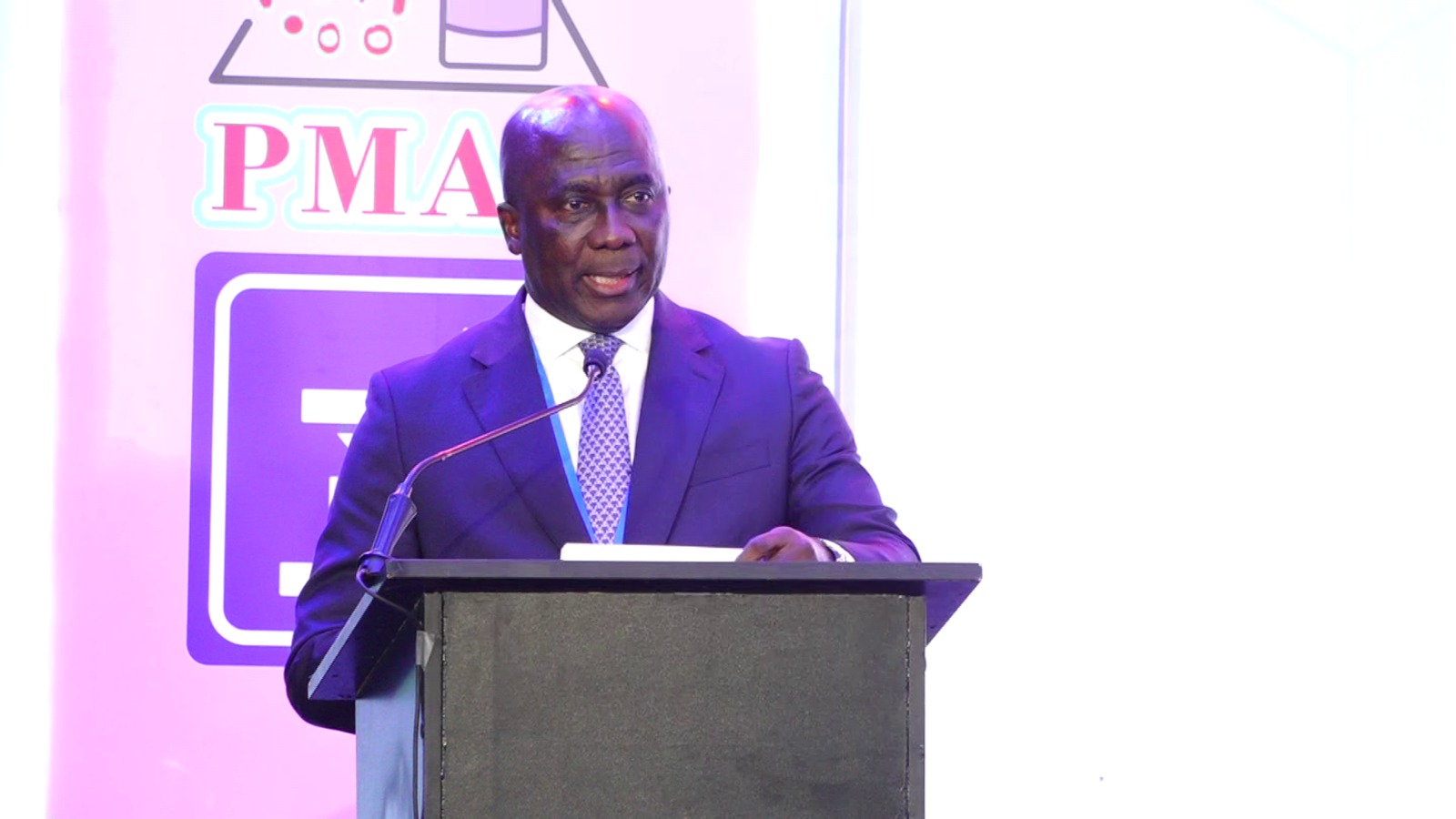
Also speaking at the event, the Minister for Health, Kwabena Mintah Akandoh, said strengthening local pharmaceutical manufacturing is critical to Ghana’s health security and economic transformation.
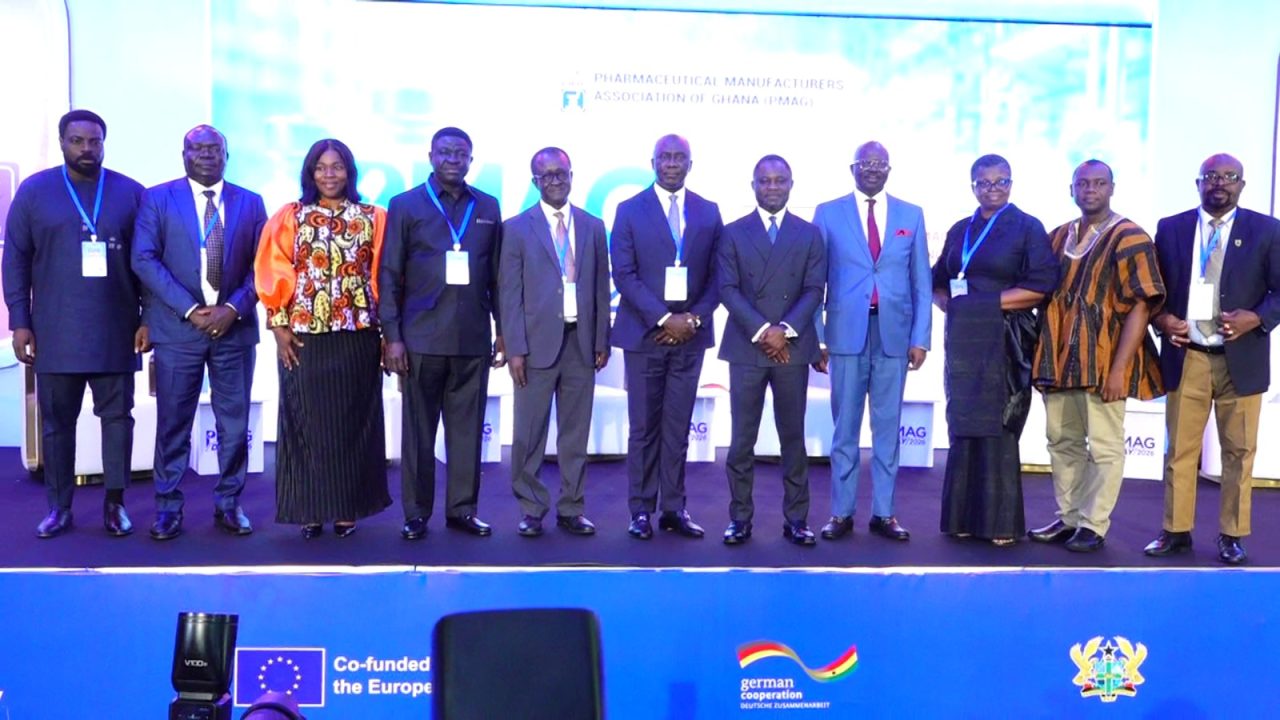
He noted that the government’s 24-Hour Economy initiative offers an opportunity for pharmaceutical companies to increase production, create more jobs and expand exports.
The Minister, however, acknowledged that manufacturers continue to face challenges, including high production costs, expensive electricity, costly financing and dependence on imported pharmaceutical inputs.
He assured industry players of government’s commitment to creating an enabling environment for the sector through improved policies, infrastructure and investment support.
Ghana|atinkaonline.local/|Ebenezer Madugu