“Ageing in Dignity, Dying in Peace”
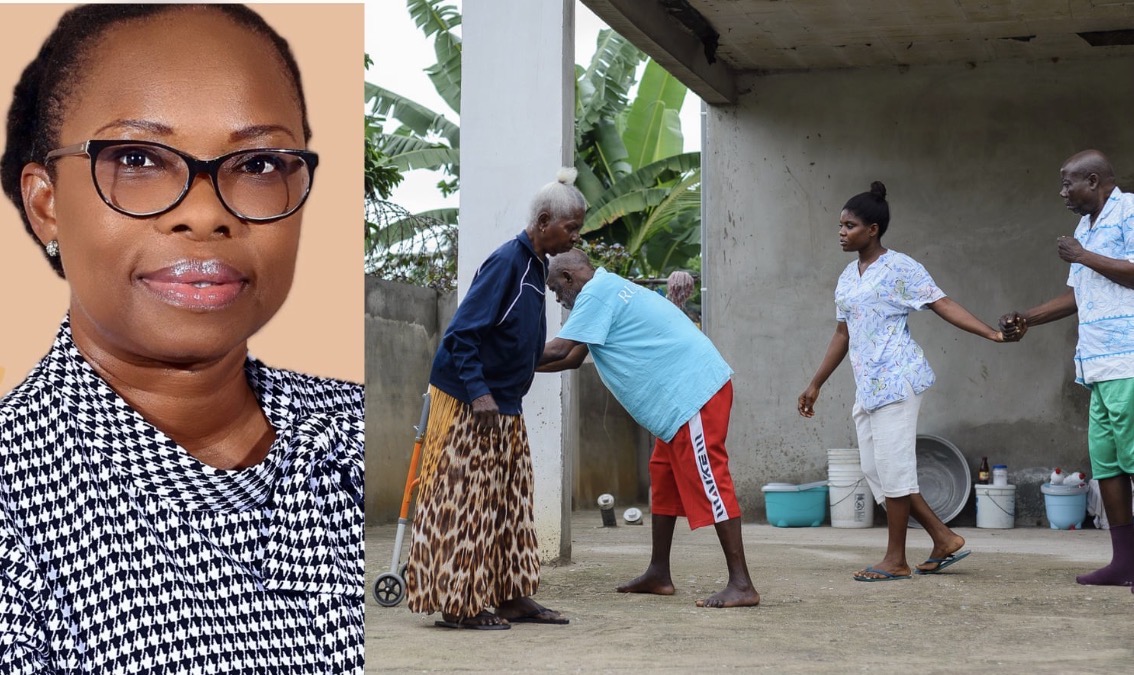
Ghana is experiencing fast demographic transition characterized by rapid population ageing fast. In 2030, more than 3.1 million Ghanaians will be aged 60 years and above. They will havechronic health problems including stroke, heart failure, diabetes, dementia, cancer, and frailty. Till now, there is no official policy for geriatric palliative or end of life (EOL) care in Ghana. As a result, millions of older adults leave this world in agony and suffering, without adequate symptom control, and theresponsibility of taking care of them falls entirely upon their relatives.
The Current Situation
Currently, palliative care in Ghana is focuses on providing services to cancer patients in some regional and tertiary hospitals. District hospitals are unable to offer any help because they lack essential drugs and trained staff. Family-based care, which used to be the main source of help for older patients, is now challenged by migration urbanization, and shrinking family sizes.
Why a Policy is Needed
At least 6.5% of Ghanaian population consists of persons who are 60 years and older. Thus, multimorbidity is common among them. sadly, the focus of health service provision still remainscurative, with very little consideration for comfort. The aim of this policy framework is to change the current state of affairs by including palliative and EOL care in the health care system and making sure that older persons spend their last days in peace anddignity.
Vision
It is important to understand that the aim of this policy framework is clear and straightforward. Namely, to provideevery older adult with a lifelimiting disease with comfortablecare regardless of his or her location or income.
Strategies
• Service delivery: Establishment of palliative care centers in district and regional hospitals, integration of routine geriatric assessments and care into the health service, and implementing homebased programs. Affordability and accessibility of essential medications such as morphine and anti-emetics must be ensured, and the medications included in the National Health Insurance Scheme.
• Workforce development: Training of doctors, nurses and allied health workers in geriatric palliation and ethical communication can be done through addition of palliative care modules in medical and nursing curricula.
• Governance and financing: Budget lines for palliation, inclusion of palliative services in NHIS, and partnerships with NGOs, faithbased organizations, and international partners are critical to enhance geriatric palliative care.
• Community and family support: Providing caregiver training, faith based psychosocial backing, and conductingpublic awareness campaigns will be required.
• Research and innovation: Encouraging local research on issues such as outcomes and caregiver burden; use of digital health technologies in follow ups, and developing a national registry of palliative and EOL care services in Ghana.
Expected Outcomes
The execution of this agenda will result in:
• Improved quality of life of Ghana’s older adults with chronic and life-limiting ailments.
• Less pointless hospitalizations and associated health carecosts.
• Establishment of a supportive family and community system support for compassionate care.
• Better access to essential palliative medicines across the country.
• A recognition of palliative care as an essential element of universal health coverage.
• Better access to essential palliative medicines across the country.
• A recognition of palliative care as an essential element of universal health coverage.
Conclusion
The above policy agenda is not simply a health agenda, but rather a human one. It is about ensuring that our mothers, fathers, uncles, aunts and grandparents die with dignity and not suffer unnecessarily in their final days. It is about giving support to families who shoulder the responsibility of caregiving. It is about establishing a strong Ghanaian health system that values dignity in ageing and peace in dying.
AUTHOR: Dr Lenusia Ahlijah, Geriatrician & Medical Superintendent, Tema Urban Hospital