A society is truly strong not when a few people succeed, but when everyone is given a fair chance to rise. Progress loses its meaning if it benefits only a section of the population while others are left struggling for basic dignity. A stronger and fairer society is not a dream—it is a responsibility we all share.
In today’s world, inequality still shapes people’s lives in powerful ways. Opportunities are often determined by gender, economic background, or social status rather than talent or effort. This imbalance weakens society from within. When people feel excluded or unheard, trust breaks down, and growth becomes fragile. Fairness, therefore, is not an act of kindness; it is the foundation of lasting strength.
One of the most powerful tools for creating a fair society is equality in opportunity.
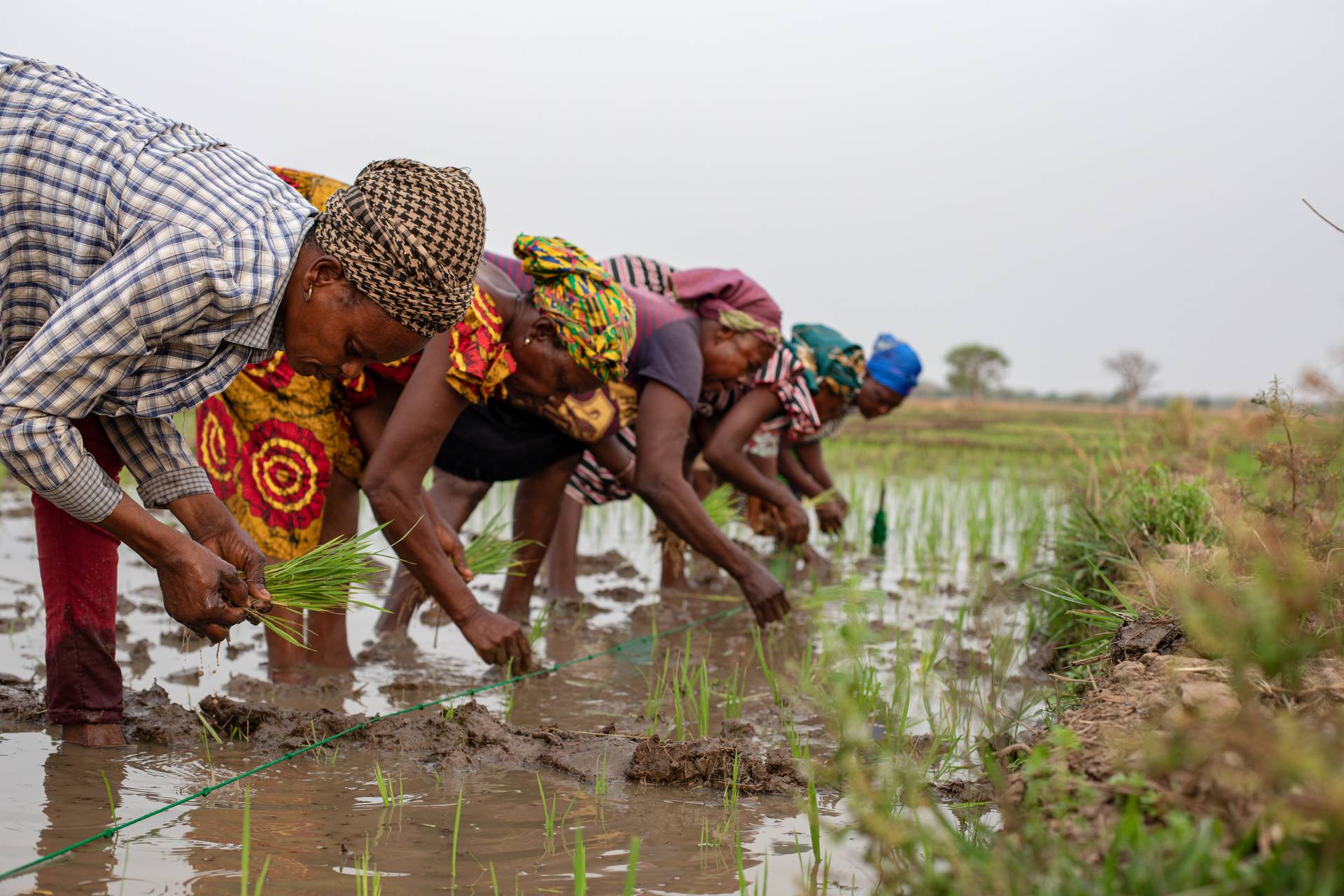
In Ghana, women empowerment focuses on boosting education, financial inclusion, and political representation to close gender gaps, particularly for rural women and girls.
A strong society is also an inclusive one. When women, minorities, and marginalized communities are empowered, the entire nation moves forward. Women’s development, in particular, plays a crucial role in shaping a fair future. Empowered women raise informed families, contribute to the economy, and become leaders who bring balance and compassion to decision-making. Ignoring their potential is not just unjust—it is a loss to society.
Universal Declaration of Human Rights, recognized that “All human beings are born free and equal in dignity and rights” and that “everyone is entitled to all the rights and freedoms set forth in this Declaration, without distinction of any kind, such as race, colour, sex, language, religion, birth or other status”
fairness is not something people earn; it is something they are born with. No one is naturally more deserving of respect, opportunity, or protection than anyone else. Every person has equal value simply because they are human.
Building a fairer society requires courage. It demands that we question harmful traditions, challenge discrimination, and speak up against injustice, even when it is uncomfortable. Governments must create just laws, but laws alone are not enough. Real change begins in homes, schools, workplaces, and everyday interactions. Respect, empathy, and fairness must become daily habits, not occasional ideals.
Ultimately, fairness is not a privilege; it is a right. When women and marginalized communities are empowered, society becomes stronger, wiser, and more united. True progress begins when we ensure that no one is left behind.
Ghana|atinkaonline.local/|Abigail Owusu Ahimah