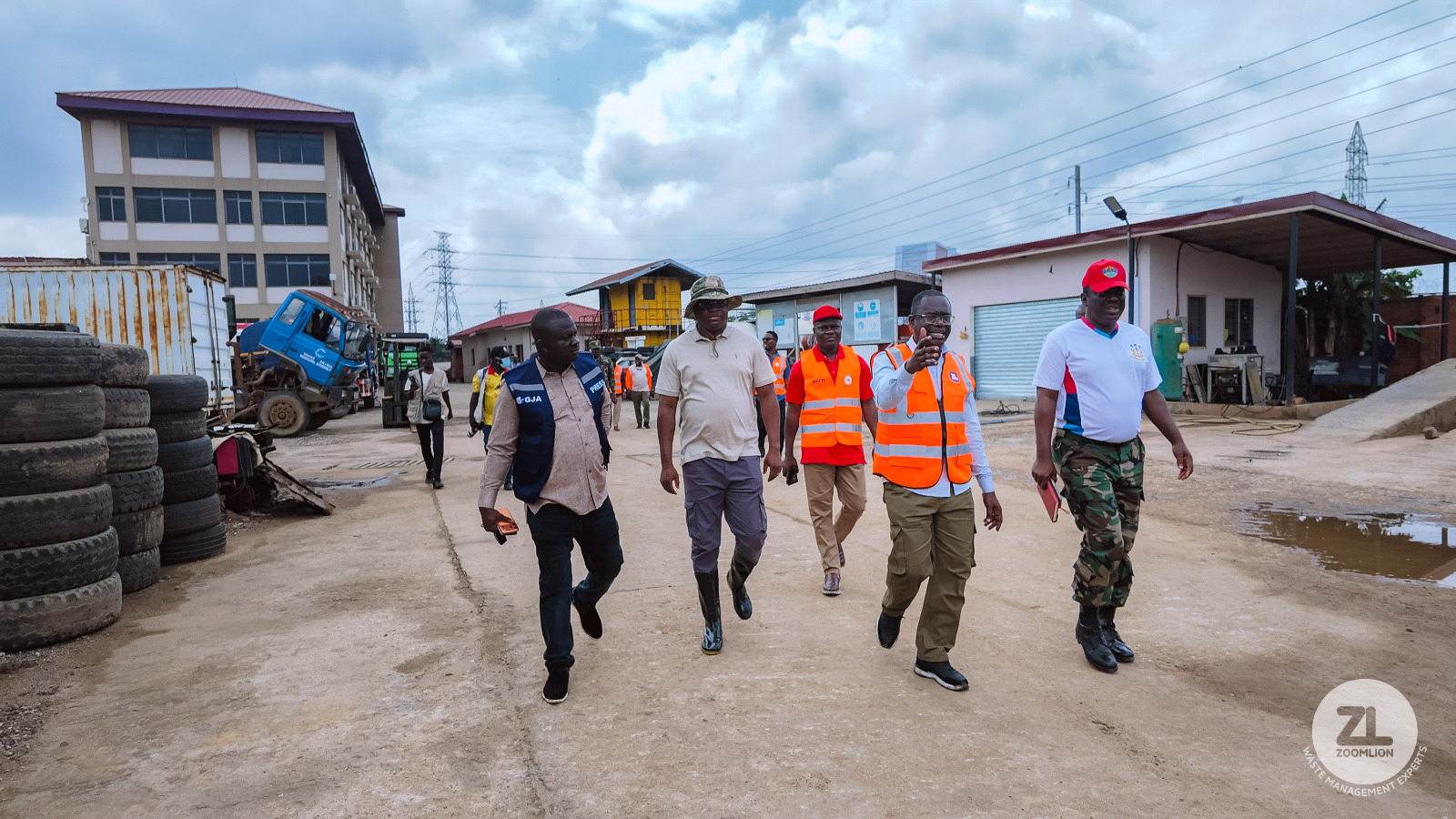
The Divisional Omankrado and Amankrakumahene of the Gomoa Assin Traditional Area, Nana Kumasah Krampah II, has called on the government to embark on an intensive nationwide public education campaign to ensure Ghanaians fully understand the objectives and benefits of the newly introduced 24-hour economy policy.
According to the traditional ruler, the policy has the potential to transform Ghana’s economy by increasing productivity, creating jobs, attracting investment and promoting long-term economic growth. However, he stressed that its success will depend largely on public understanding and acceptance.
Speaking in an interview with the media, Nana Kumasah Krampah II said the government must implement a well-coordinated sensitisation programme to educate citizens, businesses and workers on the opportunities and responsibilities associated with the policy.
“The government must intentionally educate the public on the benefits of the policy. People need to understand how it will create jobs, improve businesses and contribute to national development,” he said.
He noted that although the 24-hour economy has generally been welcomed, many Ghanaians are yet to fully appreciate its purpose and how it is expected to benefit industries, businesses and households.
The traditional leader urged the government to involve all Metropolitan, Municipal and District Chief Executives (MMDCEs) in leading public awareness campaigns within their respective jurisdictions.
According to him, local authorities should educate employers and employees on labour regulations, shift systems, workplace safety standards and workers’ rights associated with round-the-clock economic activities.
He also called for public education on the expansion of 24-hour public services, including access to government services, commercial activities and emergency response systems, saying this would help encourage the behavioural changes needed to support the policy.
Nana Kumasah Krampah II emphasised that the initiative should not be viewed simply as extending business operating hours but as a comprehensive national strategy to boost industrial production, improve productivity and strengthen Ghana’s competitiveness in the global economy.
He further appealed to the government to complement the policy with investment in skills development and digital training programmes to prepare Ghanaians for emerging employment opportunities under the 24-hour economy.
Expressing confidence in the initiative, he said sustained public education, stakeholder engagement and workforce development would be key to ensuring the policy becomes a major driver of economic transformation and sustainable development in Ghana.
Source: Ekow Budu-Sam